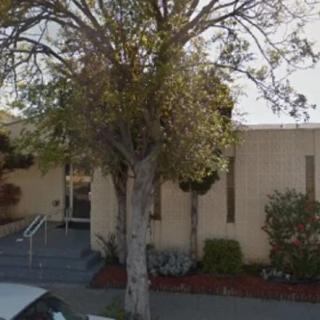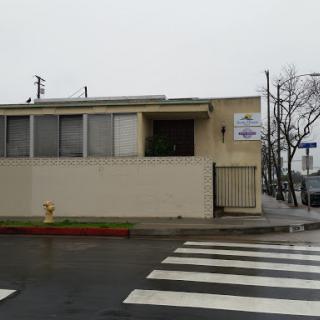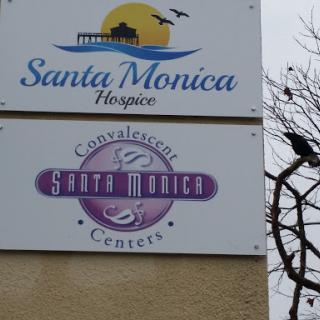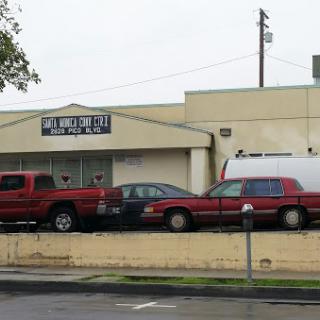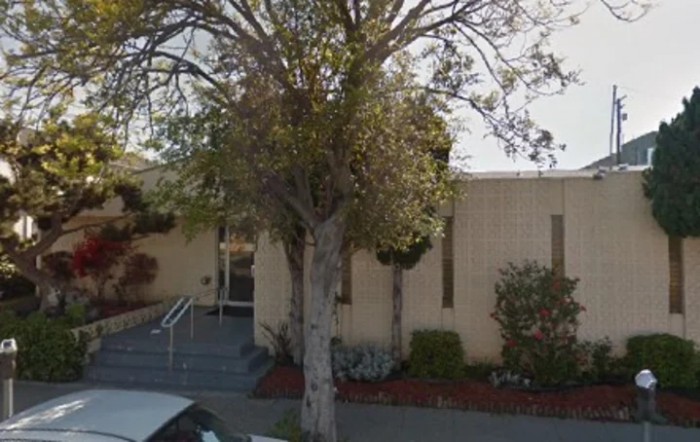
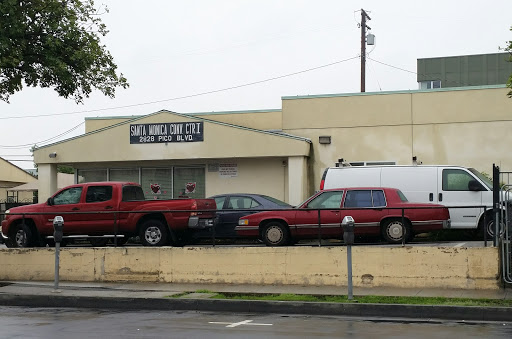
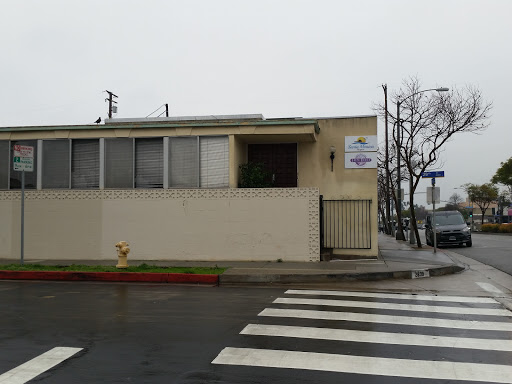
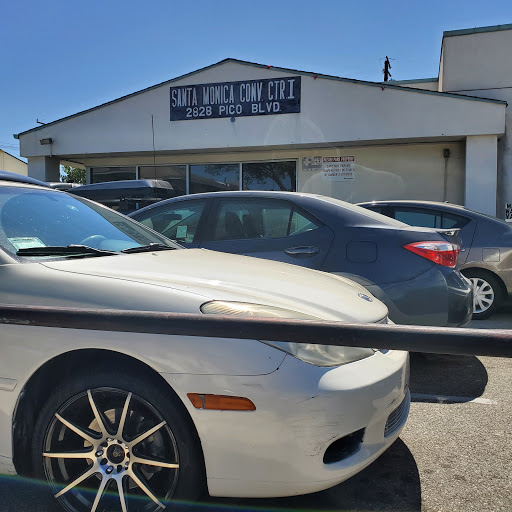
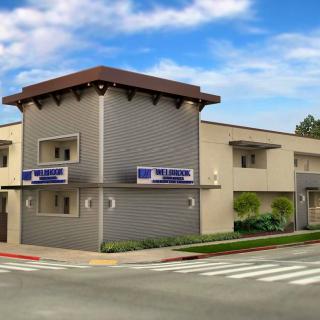
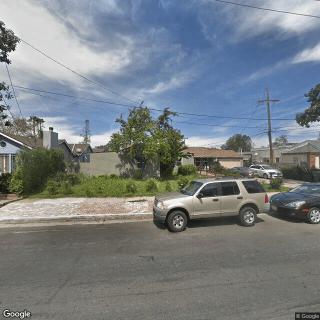
2250 29Th Street, Santa Monica, CA 90405
For more information about senior living options: (866) 208-4318
Overall Review of Santa Monica Conv Center II
Pros
 The Santa Monica Convalescent Center has definitely been the best among the centers the family has encountered.
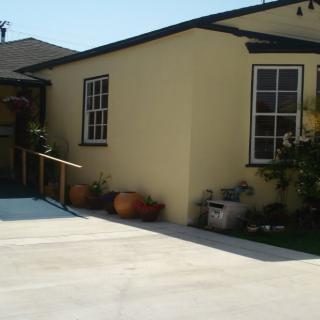
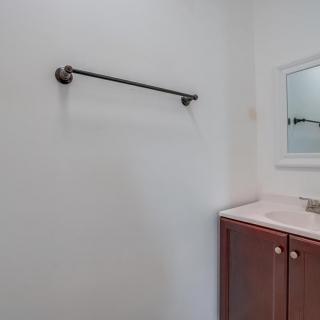
- The facility is a small but pretty clean, secured nursing home.
- The staff is nice and tries to accommodate the resident's needs.
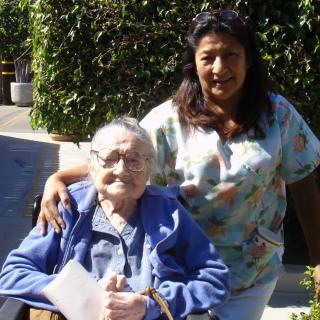
- Everyone is very nice.
- There is much light in the center, which has been loved by the resident's family.
- The food is good and the nurses are very sweet to the patient.
- The center is highly recommended to others who care deeply for the welfare of their loved ones.
Cons
 The facility is described as the worst SNF in greater Los Angeles.
- Patients’ clothing was lost, and transportation to doctor visits was canceled twice.
- The place is characterized as run-down and a cesspool owned by cheap investors; it should be closed.
- There were incidents of chart switching and medication errors, with staff showing no empathy toward the families.
- A patient was found in soiled clothes, in a room with a deceased patient and eight others, with little staff to provide care.
- The reviewer warns others not to send their loved ones there due to neglect and safety concerns.
Review
Santa Monica Conv Center II is best suited for families seeking a small, secured convalescent setting in Santa Monica where staff interactions feel personal and residents can enjoy a garden-like atmosphere. It works for seniors who need daily living support, supervision, and a steady routine but whose medical and memory-care needs are not extreme. The facility can appeal to those who prioritize warmth from frontline staff, straightforward care, and a compact footprint that makes supervision easier. This is not a premium clinical environment; the setting emphasizes a homelike vibe and neighborly staff, which matters when a loved one wants predictable, approachable care rather than complex, highly specialized medical management.
Those with high expectations for clinical rigor, flawless medication safety, and transparent, empathetic communication should consider alternatives. Reviews flag systemic safety concerns: medication mixups between patients, lost clothing, canceled doctor visits, and a blunt, sometimes unempathetic handling of serious events, including a family tragedy. There are also cautions about inconsistent responsiveness, staff language barriers, and care lapses that left residents in soiled clothes. For families whose priority is meticulous medication administration, rapid incident reporting, and a proven safety record, this community may not measure up. Prospective residents should weigh these red flags against any perceived warmth or convenience.
Positive threads show a facility that can feel light, clean, and relatively secure, with some staff who are kind, patient, and accommodating. A few families praise the center as “best” among their experiences and note pleasant decor, a garden space, and comfortable adjustments for dementia patients who can tolerate the environment. Food quality and a doctor who helped admit a loved one are cited as specific positives in some accounts. Yet these pros are not universal, and the most damaging cons tend to overshadow them: instances of chart errors, med administration mistakes, and even the distressing report of a resident being found in someone else’s clothes. When safety and dignity are at stake, the positives rarely neutralize the downsides.
Families considering this community should demand a rigorous, plain-spoken briefing about staffing and accountability. Inquire who supervises medication administration, what system is in place to prevent chart swaps, and how shifts are staffed overnight. Request examples of recent incident logs, corrective actions, and the cadence of family updates after adverse events. Observe the pace of response when a call button is pressed and the availability of aides during peak hours. Visiting at mealtimes and during routine care will reveal whether residents receive timely assistance and respectful treatment. If a loved one has dementia with behavioral challenges, confirm that the care plan includes structured activities, memory cues, and safe, accessible outdoor space.
Given the mixed track record, families with tighter safety requirements may opt for centers with stronger clinical oversight, higher staff-to-resident ratios, and transparent grievance processes. For memory-care for Alzheimer's or Lewy body dementia, seek facilities that explicitly document the steps for med reconciliation, incident reporting, and quality-of-life metrics. If the budget allows, compare several nearby options with formal clinical programs and consistent caregiver assignment across shifts. The Santa Monica locale offers competitive conveniences, but the reality of reported lapses in care suggests that quality may hinge on who is on shift and how aggressively concerns are managed. In short, this center is not the default choice for high-stakes safety.
Bottom line: Santa Monica Conv Center II can suit families who value a compact, home-like environment and can tolerate variable clinical safety performance in exchange for a personal touch. For anyone whose priority is ironclad medication safety, predictable staffing, and transparent, compassionate communication after incidents, alternatives should be pursued. Prospective buyers should schedule an in-person tour, speak with multiple staff members, and insist on viewing recent incident reports and care plans. If a decision is made to proceed, establish explicit expectations, set up regular family updates, and arrange trial weeks to monitor responsiveness and comfort. The guidance is practical: protect safety first, then warmth, and only then convenience.
 44 resident community capacity
 Skilled Nursing Facility
 Beauty salon
 Cable or satellite TV
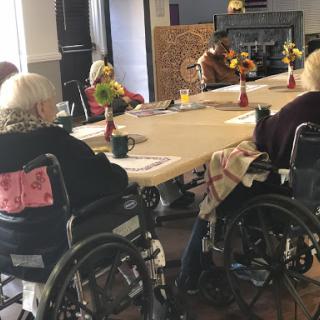
 Dining room
 Fully furnished
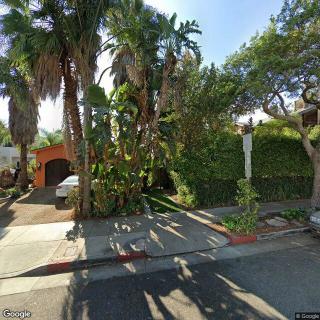
 Garden
 Housekeeping services
 Kitchenette
 Move-in coordination
 Outdoor space
 Restaurant-style dining
 Small library
 Telephone
 Wi-Fi/high-speed internet available
 Los Angeles International (6 miles away)
 24-hour call system
 Activities of daily living assistance
 Assistance with bathing
 Assistance with dressing
 Assistance with transfers
 Diabetes diet
 Medication management
 Mental wellness program
 Special dietary restrictions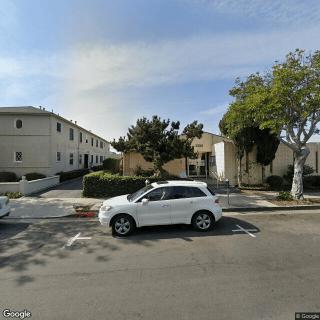

 In-Depth Look at the VA Aid and Attendance Program
 Nurturing Our Loved Ones: A Daughter's Journey in Caring for Her Mother
 Nurturing Our Elders: Linda's Journey of Supporting Her Mother