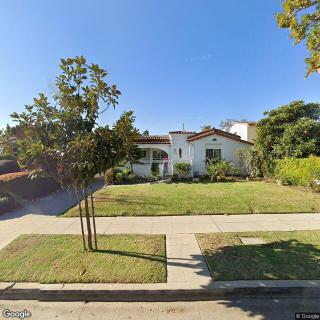
12121 Santa Monica Boulevard, Los Angeles, CA 90025
For more information about senior living options: (866) 208-4318
3 from 64 reviews
5 stars
29
4 stars
2
3 stars
3
2 stars
2
1 stars
28
Overall Review of Country Villa Westwood
caveat12 reviews mention this
Care communication can vary
Families and residents describe mixed experiences getting timely communication.
Some reviewers praise responsiveness, including staff addressing concerns in a timely way and making it easier to stay connected with doctors. Others report frustration when calls are unanswered, loved ones aren’t notified, or information isn’t handled promptly, including issues around hospital transfers and record handling. A few comments also describe gaps in follow-through with medical steps such as contacting doctors or arranging next steps.
caveat9 reviews mention this
Cleanliness is a split experience
Cleanliness reviews range from very positive to serious concerns.
Several residents and families describe the facility as clean, including comments about smelling fresh and the center looking clean inside. At the same time, other reviewers describe unsanitary conditions, including reports of unsafe hygiene practices and residents sitting in feces. Bed sores and general cleanliness problems are also cited by some reviewers, which directly contrasts with the positive cleanliness feedback.
common6 reviews mention this
Dining gets called out
Dining shows up as a noticeable point of feedback.
A number of reviewers say the food is good, delicious, or healthy, and some specifically mention the care around meals and dietary support. Other comments are sharply negative, describing food as worse than expected and that residents may not eat well. One review also mentions that a family member couldn’t chew and struggled with the food provided.
common4 reviews mention this
Therapy and rehab support
Rehab and therapy experiences are mentioned in both directions.
Some reviewers describe physical therapy and daily therapy schedules, including one comment stating therapy every two hours. Others thank rehab staff for the support they received, especially during longer stays. A counterpoint is a review that questions whether therapy was actually happening and describes deterioration over time.
common3 reviews mention this
Activities and outdoor time
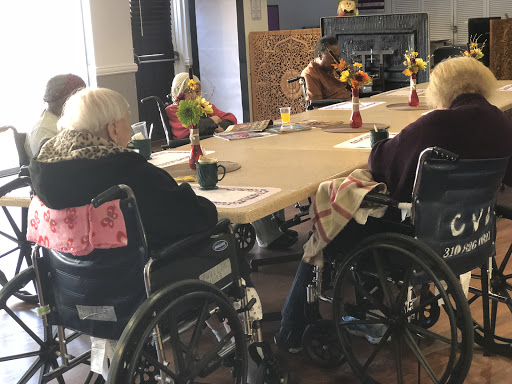
Residents are described as having activities to do during the day.
Reviews mention community activities for people, including planned day-style options and outdoor time. One reviewer highlights outdoor activity as a way residents can feel less isolated. Another describes getting therapy along with other daily activities, reinforcing that schedules include more than care tasks.
How we summarize
Counts show how many written reviews mention each theme; a review can touch several themes, and only frequently mentioned themes are displayed.
Features
Housing
93 resident community capacity
Types of Care
Skilled Nursing Facility
Amenities
Air-conditioning
Beauty salon
Cable or satellite TV
Computer center
Dining room
Fitness room
Fully furnished
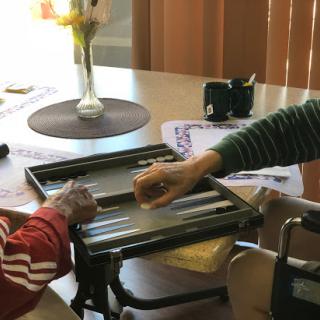
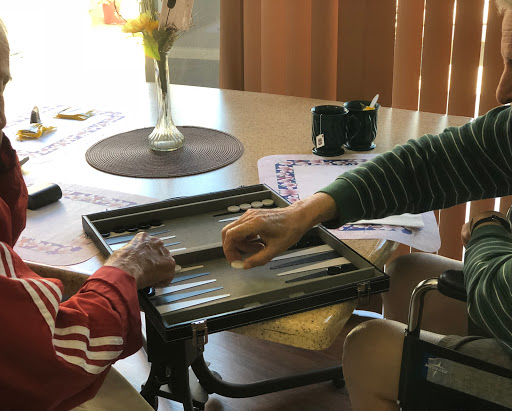
Gaming room
Garden
Housekeeping services
Kitchenette
Move-in coordination
Outdoor space
Private bathrooms
Restaurant-style dining
Small library
Telephone
Wellness center
Wi-Fi/high-speed internet available
Transportation
Los Angeles International (7 miles away)
Burbank-Glendale-Pasadena (13 miles away)
Long Beach (Daugherty) (24 miles away)
Community operated transportation
Transportation arrangement
Transportation arrangement (non-medical)
Transportation to doctors appointments
Care Services
12-16 hour nursing
24-hour call system
24-hour supervision
Activities of daily living assistance
Assistance with bathing
Assistance with dressing
Assistance with transfers
Diabetes diet
Meal preparation and service
Medication management
Mental wellness program
Special dietary restrictions
Dining
Diabetes diet
Special dietary restrictions
Activities
Community-sponsored activities
Concierge services
Fitness programs
Planned day trips
Resident-run activities
Scheduled daily activities
Nearby Places of Interest
Restaurants
McDonald's (0.4 miles)
Erewhon Market (0.6 miles)
Jon & Vinny's Brentwood (0.9 miles)
Santa Monica Brew Works (1.3 miles)
Tartine Santa Monica (1.3 miles)
Shamshiri Grill (1.7 miles)
In-N-Out Burger (1.8 miles)
Pharmacies
CVS Pharmacy (0.8 miles)
CVS Pharmacy (1 miles)
Walgreens (1 miles)
Walgreens (1.3 miles)
Rite Aid (1.7 miles)
CVS Pharmacy (1.7 miles)
CVS Pharmacy (1.9 miles)
Cafes
Starbucks (1.1 miles)
Starbucks (1.5 miles)
Chocolate Bash (2 miles)
The Rose Cafe & Market (3.1 miles)
Gjusta (3.2 miles)
Intelligentsia Coffee (3.4 miles)
Starbucks (3.6 miles)
Parks
Westwood Park (1.4 miles)
DOG PPL - Dog Park, Bar, Cafe & Lounge (2.4 miles)
Penmar Recreation Center (2.4 miles)
Santa Monica State Beach (2.6 miles)
Palisades Park (2.6 miles)
Will Rogers State Historic Park (2.9 miles)
Ocean View Park (3.1 miles)
Hospitals
Santa Monica - UCLA Medical Center & Orthopaedic Hospital (1.5 miles)
Kaiser Permanente West Los Angeles Medical Center (5.1 miles)
Physicians
UCLA Stein Eye Institute Westwood (2 miles)
Kaiser Permanente Culver Marina Medical Offices (3.8 miles)
Country Villa Westwood is located at 12121 Santa Monica Boulevard, Los Angeles, CA 90025 in Los Angeles County, California
Nearby Communities
Brentwood Manor
Los Angeles, CA
2 from 4 reviews
$1,100 to $3,000 / month
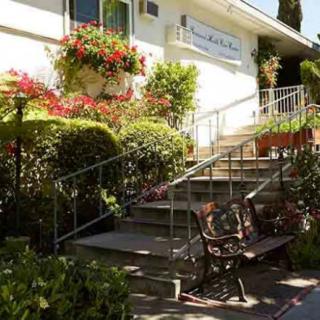
Offers multiple care types (assisted, independent, memory care) with on-site amenities and services (meals, housekeeping, medication management) for flexibility.
Home Instead - West Los Angeles, CA
Los Angeles, CA
4.9 from 33 reviews
Wide range of nearby amenities and healthcare services.
Charlie's Residential Care
Los Angeles, CA
4 from 16 reviews
24/7 supervision with engaging daily activities.
Brentwood Health Care Center
Santa Monica, CA
4.3 from 113 reviews
Extensive amenities and 24/7 care (supervision, medication management, dining, transportation).
Senior Helpers - Los Angeles, CA
Los Angeles, CA
4.6 from 10 reviews
Professional, reliable service with consistent staff and proactive communication about delays.
JRK Residential Group
Los Angeles, CA
Excellent access to nearby amenities (cafes, parks, pharmacies, restaurants, healthcare).
Welbrook Santa Monica
Santa Monica, CA
4.1 from 35 reviews
$8,100 / month
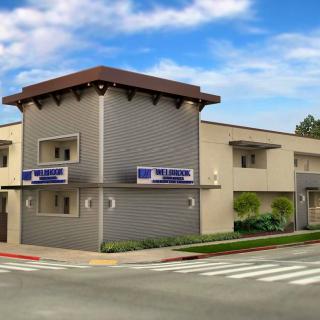
Engaging daily activities and attentive staff foster a home-like, connected environment.
Westwood Manor
Los Angeles, CA
4.5 from 2 reviews
$7,500 to $8,000 / month
Caring staff, clean environment, engaging activities, daily outdoor time, and high-quality meals.
The Watermark at Westwood Village
Los Angeles, CA
4.7 from 110 reviews
$8,430 to $14,035 / month
Gorgeous independent living apartments with impressive views.
Adult day care programs offer essential support and activities for older adults, yet many hesitate to participate due to concerns about independence and stigma. To alleviate these apprehensions, families should facilitate open discussions, explore financial resources, suggest trial visits, and collaborate with healthcare providers to highlight the benefits of such services for both the participants and their caregivers.
Living wills and advance directives are crucial legal documents that outline an individual's healthcare preferences when they cannot make decisions themselves, enhancing patient autonomy and alleviating family stress during medical crises. The article emphasizes the need for these documents to be personalized, legally valid, and regularly updated, while also encouraging communication about end-of-life wishes among family members and healthcare providers.
The article examines living wills and advance directives, highlighting their significance in expressing healthcare preferences for those unable to communicate due to illness or incapacity. It discusses their historical development, legal components, limitations, practical drafting advice, and the importance of clear communication among families and healthcare professionals regarding end-of-life decisions.
Get PricingAsk A QuestionSchedule A TourContact Senior Advisor
By clicking submit, you agree to our Partner's Terms of Use. You
also consent to receive calls and texts, which may be autodialed, from our Partner. Your consent is not a condition to
using our Partner's service. Please visit our Partner's Privacy Policy for information about their privacy practices.

 93 resident community capacity
 Skilled Nursing Facility
 Air-conditioning
 Beauty salon
 Cable or satellite TV
 Computer center
 Dining room
 Fitness room
 Fully furnished
 Gaming room
 Garden
 Housekeeping services
 Kitchenette
 Move-in coordination
 Outdoor space
 Private bathrooms
 Restaurant-style dining
 Small library
 Telephone
 Wellness center
 Wi-Fi/high-speed internet available
 Los Angeles International (7 miles away)
 Community operated transportation
 12-16 hour nursing
 24-hour call system
 Activities of daily living assistance
 Assistance with bathing
 Assistance with dressing
 Assistance with transfers
 Diabetes diet
 Medication management
 Mental wellness program
 Special dietary restrictions
 Concierge services
 Planned day trips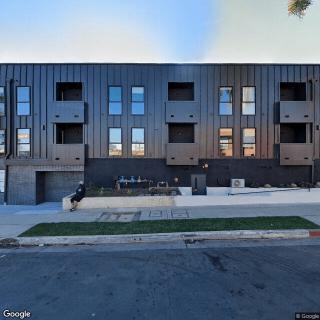
 Offers multiple care types (assisted, independent, memory care) with on-site amenities and services (meals, housekeeping, medication management) for flexibility.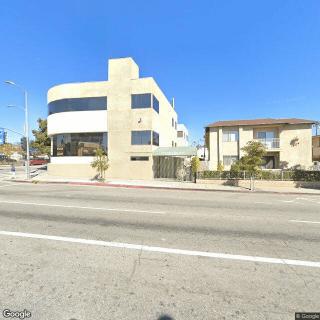


 Encouraging Participation in Adult Day Care: A Guide to Supporting a Hesitant Parent
 Comprehensive Exploration of Living Wills and Other Advance Directives
 A Detailed Exploration of Living Wills and Advance Directives