
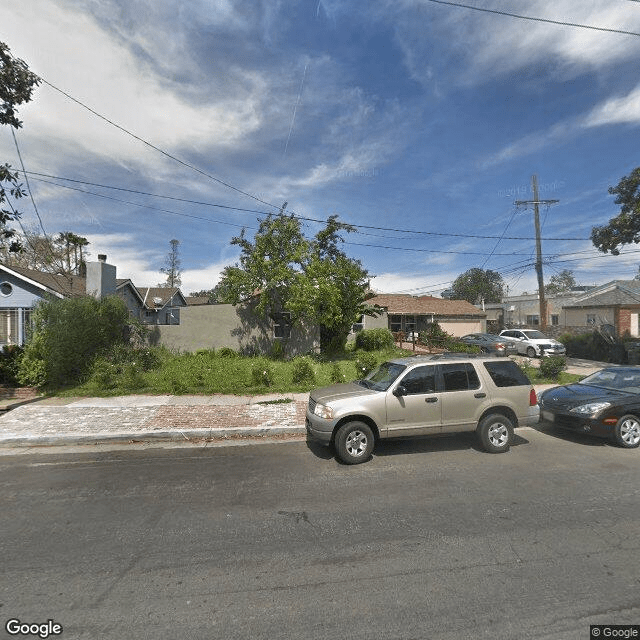
11365 Charnock Road, Los Angeles, CA 90066
For more information about senior living options: (866) 208-4318
Charnock East Costs & Pricing
Charnock East offers competitive pricing for its accommodations when compared to the broader market of Los Angeles County and the state of California. For those opting for a semi-private room, the monthly cost at Charnock East is $3,200, which is slightly lower than the county average of $3,349 and also more affordable than the state average of $3,333. Similarly, in terms of private rooms, Charnock East's rate stands at $4,000 - while this is below the county's average of $4,197, it is somewhat higher than California's overall average of $3,939. Overall, Charnock East positions itself as a value-driven choice within its market segment, providing quality living options without straying far from competitive pricing standards.
| Floor plans | Charnock East | Los Angeles County | California |
|---|---|---|---|
| Semi-Private | $3,200 | $3,349 | $3,333 |
| Private | $4,000 | $4,197 | $3,939 |
Assisted Living communities with a similar price nearby
-
from +$300 / mo
Kind Heart Home Care VI
$3,500 to $5,000 / month14.7 miles away -
from +$100 / mo

Bella Manor II
$3,300 to $4,290 / month23.8 miles away -
from -$450 / mo
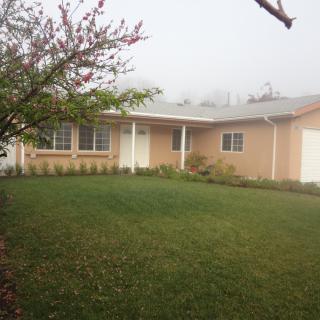
Dignity Care Home 1
$2,750 to $4,150 / month15.4 miles away -
from +$600 / mo
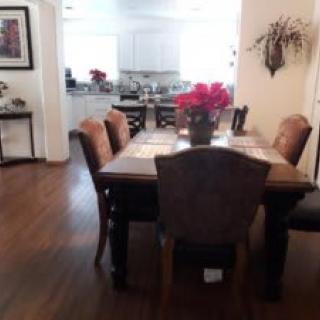
America's Care Manor
$3,800 to $4,000 / month22.7 miles away -
from +$300 / mo
Hollywood Healthy Living
$3,500 to $5,000 / month14.7 miles away
Overall Review of Charnock East
Pros
 Hilda and her staff are caring and loving.
 - The home is beautiful, welcoming, and impeccably clean.
- Residents receive excellent care and attentive, personalized attention.
- The caregiver-to-resident ratio is ideal, and Hilda's experience is invaluable.
- Meals are home-cooked, fresh, and delicious.
- The environment feels like a warm extension of family and friends, providing peace of mind to loved ones.
- Charnock Residential Home is highly recommended and regarded as a great, family-run facility.
Cons
 The provided reviews are all positive; there are no third-person negative statements about Charnock Residential Home.
Review
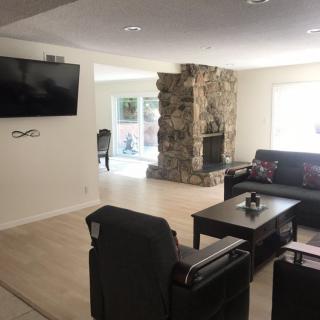
Charnock East is best suited for families that prize warmth, a home-like atmosphere, and highly personalized attention for an elder who benefits from intimate, caregiver-driven care. The community consistently comes across as a private home more than a facility: clean, inviting, and structured around daily routines that feel predictable and comforting. Reviewers highlight a staff with genuine warmth, led by Hilda, and a caregiver-to-resident ratio that translates into attentive care, quick response times, and fewer gaps in oversight. For families prioritizing connection, reassurance, and activities that feel meaningful rather than academic or clinical, this setting aligns with those values.
Those who may want to consider alternatives include families confronting higher medical needs or demanding a broader slate of on-site services. If a senior requires significant medical oversight, frequent nursing interventions, or rehabilitative programs delivered at scale, a larger assisted living community or a traditional nursing facility may be more appropriate. Likewise, if a resident’s interests demand a wide array of on-site amenities, structured programs, or specialized memory-care features that go beyond what a private home can sustain, exploring other options could prevent future care gaps.
The strongest positives here, Hilda’s caring leadership, the consistently spotless environment, and the home-like ambiance, work in concert to offset any practical drawbacks of a small operation. The care team’s attentiveness, described as patient, loving, and tactful, reduces the emotional burden on families and fosters a sense of security that a loved one is truly known and looked after. Fresh, homestyle meals and a calm, well-kept house reinforce daily comfort, while the direct lines of communication with the owner-manager ensure families feel informed and involved. For dementia care, the reviews repeatedly point to tailored activities and a depth of experience, translating into meaningful engagement even as needs evolve.
On the potential side, the smaller footprint of a board-and-care setup can mean fewer on-site medical resources and a less expansive menu of services than larger operators offer. The reviews don’t spotlight concrete shortcomings, but practical readers should recognize that such settings typically rely on strong family partnerships and external medical supports when complex clinical needs arise. In short, this is a care model that emphasizes relationship-based, personalized caregiving over on-site medical breadth. That trade-off will matter to families weighing whether 24/7 RN coverage, rehab suites, or specialized therapy streams are essential.
Yet the pros here actively mitigate those trade-offs. The documented strength in dementia care, combined with transparent, frequent updates from Hilda to families, sometimes across long distances, creates a reassuring continuity of care. The ambiance of “being at home” reduces anxiety, and the sense that staff see residents as individuals rather than as tasks fosters consistent, thoughtful programming. When a resident’s days are infused with purposeful activities, gentle routines, and daily attentiveness, the risk of isolation or neglect drops markedly. The testimonials about family members feeling at ease and confident in the care they receive carry practical weight for decision-makers seeking peace of mind.
Bottom line: for families seeking a trusted, intimate environment where a resident’s dignity, comfort, and dementia-sensitive needs are front and center, Charnock East stands out as a top choice. It delivers exceptional warmth, clean and homelike surroundings, and hands-on leadership that translates into real daily reassurance. The clear caveat is simple: if the plan requires robust, on-site medical programming or large-scale amenities, this residence may feel undersized. When those medical needs are manageable within a close-knit, family-run setting, however, the community’s strengths align with what matters most: consistent, compassionate care delivered with heart.
 6 resident community capacity
 Assisted Living
 Board and Care Home
 Activities on-site
 Cable or satellite TV
 Dining room
 Fully furnished
 Garden
 Housekeeping services
 Move-in coordination
 Outdoor space
 Private
 Respite or short term stays offered
 Telephone
 Wheelchair accessible showers
 Wi-Fi/high-speed internet available
 Los Angeles International (5 miles away)
 24-hour supervision
 Assistance with bathing
 Assistance with dressing
 Assistance with transfers
 Diabetes diet
 Diabetic care
 Meal preparation and service
 Medication management
 Special dietary restrictions
 Transportation arrangement (medical)
 Transportation to doctors appointments



 Beyond the Bingo Hall: 50+ Enriching Activities for Seniors in Assisted Living
 Understanding the Distinctions: Assisted Living and Memory Care Explained
 Guiding Elderly Parents Who Refuse Assisted Living: 6 Practical Steps