
11174 Charnock Road, Los Angeles, CA 90034
For more information about senior living options: (866) 208-4318
Overall Review of Tuller Residential Home
Pros
 The staff at Charnock Residential Home are caring, loving, and attentive.
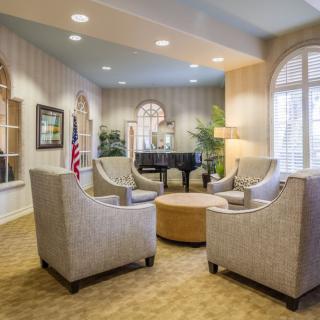
- The home is described as beautiful, comforting, and impeccably clean with no old-people smell.
- Residents receive excellent care and individualized attention.
- Meals are freshly prepared, home-cooked, and appetizing.
- The caregiver-to-resident ratio is ideal, and Hilda’s experience is invaluable.
- The home is a family-run operation that makes loved ones feel at ease and well cared for.
- The environment is warm and welcoming, not sterile, with activities tailored to each resident.
- Families feel reassured, viewing the home as a trusted extension of family and sometimes a godsend.
Review
Tuller Residential Home is best suited for families seeking an intimate, home-like setting in Los Angeles where seniors receive highly personalized, compassionate care. This approach works especially well for residents who benefit from a warm, quiet environment that feels more like a private home than a clinical facility. The community earns praise for a welcoming atmosphere, where the founder, Hilda, and her staff are repeatedly described as caring, attentive, and loving. Cleanliness and a comforting ambiance are consistently highlighted, along with fresh, home-cooked meals. The setting shines when daily routines are tailored to individual needs, and the caregiver-to-resident ratio supports meaningful interaction rather than rushed care.
Those who may want to consider alternatives include families prioritizing robust on-site medical staffing, complex rehabilitation services, or a larger, more program-driven campus. Residents requiring constant, highly medical supervision or frequent professional interventions may find a small board-and-care environment less equipped than a larger assisted living community. For families seeking a very structured activities calendar, extensive on-site clinics, or a wider social network, other options may deliver a fit that emphasizes breadth of services over the intimate, family-style care that defines this home.
The strongest pros, an exceptionally caring staff, a truly homelike atmosphere, and a disciplined cleanliness standard, work in concert to offset the potential gaps associated with a smaller operation. The staff’s empathy and attentiveness translate into consistent, dignified care, particularly for residents with memory challenges, where routines and gentle engagement make a tangible difference. The caregiver ratio enables sustained supervision and personalized attention, while the founder’s experience with dementia care contributes to thoughtful, tactful management of evolving needs. Fresh meals and a cozy ambiance reinforce emotional well-being, reducing resistance to daily activities and fostering a sense of belonging.
Another standout is the sense that the home functions as an extension of family, a theme echoed by multiple families. The warmth from Hilda and her team, the reliability of daily updates to loved ones, and the capacity to tailor activities to each resident’s stage create a reassuring experience for families uneasy about transitions. The environment is consistently described as clean and well-cared-for, with residents enjoying the aroma and comfort of home-cooked meals. This combination of genuine affection, clear communication, and practical routines helps residents feel safe and engaged, which often translates into calmer days and more cooperative participation in meals, activities, and caregiving tasks.
From a decision-making perspective, practical questions should guide visits: evaluate the actual caregiver-to-resident ratio during different shifts, confirm the staff’s dementia-specific training, and observe how daily schedules balance meals, activities, and rest. Inquire about how meals are planned, the typical menu, and the flexibility to accommodate dietary restrictions. Probe the range of activities offered, how memory- and mood-appropriate programs are designed, and how emergencies or escalation of care are handled. Since the setting is a private home, verify licensing, the scope of medical support available on-site or via external providers, and how families receive routine updates. Finally, consider how geographically and emotionally comfortable the family feels with a smaller, family-run operation versus a larger community.
In sum, Tuller Residential Home stands out for families seeking a warm, personalized, and highly attentive living option where a small team can deliver profound affective and practical support. It is a compelling choice for seniors who thrive in a homelike, low-contrast environment and for whom dementia-focused, individualized care is a priority. Those prioritizing extensive medical resources, large social networks, or broad clinical programming should actively compare alternatives with stronger on-site medical staffing and bigger campuses. A well-timed visit, direct conversations with Hilda and staff, and clear expectations about care plans will quickly reveal whether this intimate setting aligns with the resident’s needs and the family’s peace of mind.
 4 resident community capacity
 Assisted Living
 Cable or satellite TV
 Dining room
 Fully furnished
 Garden
 Housekeeping services
 Move-in coordination
 Outdoor space
 Telephone
 Wi-Fi/high-speed internet available
 Los Angeles International (5 miles away)
 24-hour supervision
 Activities of daily living assistance
 Assistance with bathing
 Assistance with dressing
 Assistance with transfers
 Diabetes diet
 Meal preparation and service
 Medication management
 Special dietary restrictions
 Transportation arrangement (medical)
 Transportation to doctors appointments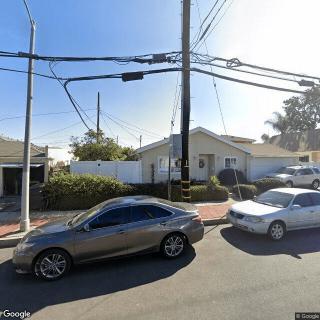



 Beyond the Bingo Hall: 50+ Enriching Activities for Seniors in Assisted Living
 Understanding the Distinctions: Assisted Living and Memory Care Explained
 Guiding Elderly Parents Who Refuse Assisted Living: 6 Practical Steps