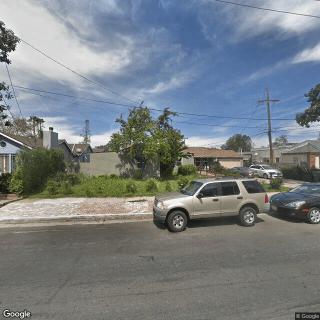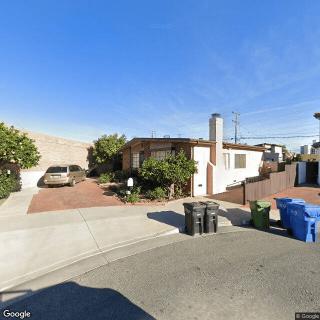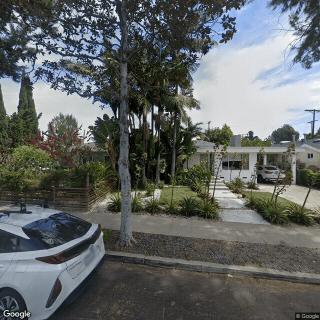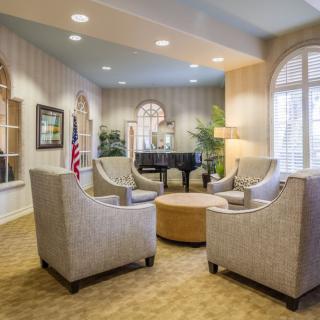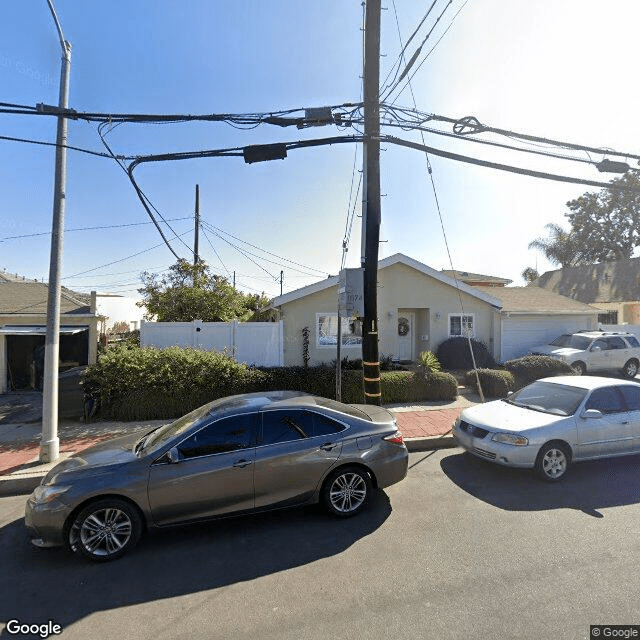
Charnock Residential Home in Los Angeles, CA

Save
Charnock Residential Home

Charnock Residential Home in Los Angeles, CA

11172 Charnock Road, Los Angeles, CA 90034

For more information about senior living options: (844) 490-3973

5 from 8 reviews
5 stars
8
4 stars
0
3 stars
0
2 stars
0
1 stars
0

Assisted Living Board and Care Home Memory Care

Charnock Residential Home Costs & Pricing

Charnock Residential Home presents a distinctive pricing structure that stands in contrast to both Los Angeles County and statewide averages. For a semi-private room, residents can expect to pay $5,000 per month, which significantly exceeds the county's average of $3,349 and California's median of $3,333. The costs continue to reflect this trend with studio and one-bedroom accommodations, both priced at $9,000 - well above the county rates of $4,172 and $4,603 respectively. Even for private rooms, Charnock's monthly fee remains at $9,000 while the corresponding figures for Los Angeles County and California are notably lower at $4,197 and $3,939. This positioning suggests that while Charnock Residential Home may offer exceptional services or amenities justifying these costs, potential residents should carefully consider their budget against regional alternatives.

Floor plansCharnock Residential HomeLos Angeles CountyCalifornia
Semi-Private$5,000$3,349$3,333
Studio$9,000$4,172$4,145
1 Bedroom$9,000$4,603$4,340
Private$9,000$4,197$3,939

Overall Review of Charnock Residential Home

Pros

  • pro The staff and caregivers are caring, attentive, and loving.
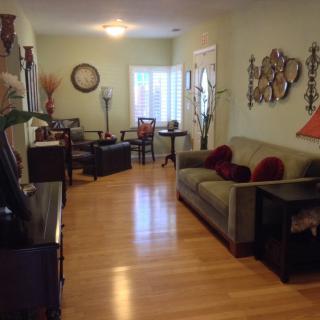
  • pro The home is beautiful, clean, and comforting.
  • pro The meals are freshly prepared and described as tasty.
  • pro The caregiver-to-resident ratio is ideal, reflecting Hilda's experience.
  • pro The environment is warm, inviting, and feels like a family home.
  • pro The care provided is professional, empathetic, and capable in challenging situations.
  • pro The home operates as a private, home-like setting rather than an institutional facility, which puts families at ease.

Cons

  • pro found. The provided reviews are all positive about Charnock Residential Home.

Review

Charnock Residential Home in Los Angeles is best suited for families seeking a warm, home-like setting where a loved one can receive intimate, attentive care in a private residence rather than an institutional environment. The community shines for seniors who value daily warmth, cleanliness, and a familiar atmosphere, with particular strength in dementia-appropriate care and end-of-life support. The atmosphere is described as comforting, with a strong sense of family and personal attention from Hilda and her team, making it a standout option for those who prioritize emotional peace of mind and steady, individualized routines over clinical formality.

Alternatives become worth considering for residents with higher acuity needs or a desire for more formalized medical oversight. Larger assisted living facilities or nursing homes with on-site RNs, therapists, and rehab programs may better serve individuals requiring frequent medical interventions or rigorous rehabilitation schedules. For families seeking a more institutional rhythm, broader social programming, or highly structured activity calendars, a bigger campus could offer a different set of conveniences. In short, when medical complexity exceeds what a private board-and-care can reliably accommodate, it is prudent to explore facilities with pronounced hospital-level support.

The strongest pro line-up at Charnock centers on the people delivering care. The caregivers are consistently described as caring, attentive, and loving, with Hilda's leadership repeatedly highlighted as a cornerstone of trust. The home itself is meticulously clean, with fresh, home-cooked meals that residents appear to enjoy. The caregiver-to-resident ratio is noted as ideal, enabling staff to monitor moods, meals, and routines closely and to respond promptly to changing needs. This combination - compassionate staff, a transparent, hands-on owner, and a dignified, non-clinical ambiance - produces a level of reassurance that is hard to match in larger settings.

Another decisive advantage lies in the communication and partnership with families. Hilda's availability and responsiveness, including regular updates on daily moods, appointments, and routines, create a sense of continuity and collaboration that feels like an extension of the family circle. For relatives living remotely, this reliability is especially valuable, providing comfort that a loved one remains in trusted hands. The tailored activities and dementia-focused approach demonstrate that the care plan is not generic but adapted to each resident's cognitive and emotional state, which translates into steadier days and fewer moments of distress or agitation.

The main cons, if they can be called that, revolve around scale and depth of medical services. A private home setting inherently limits on-site clinical resources and the breadth of specialized therapies available at a larger campus. Yet these potential downsides are largely offset by several compensating strengths: an excellent hygienic standard, a nurturing daily rhythm, and a highly experienced operator who knows how to navigate dementia and end-of-life care with tact and empathy. The presence of outside contractors for specialized needs ensures that professional inputs can be brought in when necessary without sacrificing the intimate, home-like feel. Families should weigh the desire for a distinctly personal, low-key environment against the need for frequent, hospital-style medical services when deciding.

In sum, Charnock Residential Home stands out for families seeking a highly personal, dementia-capable, and end-of-life conscious living arrangement that feels less like a facility and more like a well-run private home. It excels in warmth, cleanliness, meal quality, and attentive care, all delivered under the steady guidance of an owner who appears genuinely called to this work. It is not the choice for those requiring intensive on-site medical infrastructure or expansive daily programming. For those who prioritize a peaceful home atmosphere, trustful communication, and a caregiver network that treats residents like family, Charnock is a compelling, practical match. A thoughtful visit will reveal whether the day-to-day reality aligns with the hoped-for level of companionship, consistency, and quiet dignity.

Features

Housing

  • 4 resident community capacity 4 resident community capacity

Types of Care

  • Assisted Living Assisted LivingAssisted living facilities provide crucial support and care for seniors who may need help with daily tasks such as medication management, bathing, and meal preparation. These communities offer a safe and comfortable environment where seniors can maintain their independence while receiving the assistance they need to thrive in their golden years.
  • Board and Care Home Board and Care HomeBoard and care homes provide a smaller, more intimate setting for seniors who require assistance with daily tasks but do not need the level of care offered by a nursing home. They offer personalized care, meals, and social activities in a homelike environment, ensuring that seniors receive individualized attention and support in their golden years.
  • Memory Care Memory CareMemory care is crucial for seniors as it provides specialized support and services for individuals with dementia or Alzheimer's disease. These programs offer a safe and secure environment where residents receive personalized care, cognitive stimulation, and help with daily activities. Memory care helps seniors maintain their independence, quality of life, and dignity while also providing peace of mind for their families.

Amenities

  • Activities off-site Activities off-siteEngaging in off-site activities is crucial for seniors to maintain social connections, stay active, and stimulate their minds. It promotes overall well-being and helps combat feelings of isolation and loneliness.
  • Activities on-site Activities on-siteActivities on-site are important for seniors because they provide opportunities for socialization, mental stimulation, physical activity, and overall well-being. Engaging in activities can help seniors stay active, maintain their independence, and improve their quality of life.
  • Air-conditioning Air-conditioningAir conditioning is important for seniors as they are more vulnerable to heat-related illnesses and may have underlying health conditions that make it difficult for them to regulate their body temperature. It helps to keep them comfortable, safe, and healthy in hot weather.
  • Cable or satellite TV Cable or satellite TVCable or satellite TV is important for seniors because it provides entertainment, news, and companionship, helping to combat loneliness and boredom. It also offers a wide range of programming options tailored to different interests and preferences.
  • Devotional services off-site Devotional services off-siteDevotional services off-site are important for seniors as they provide spiritual nourishment, social engagement, and a sense of community outside of the senior living facility. This can enhance overall well-being and help combat feelings of isolation and loneliness often experienced by older adults.
  • Dining room Dining roomDining rooms are important for seniors as they provide a space for socialization, connection, and nutritious meals. They offer opportunities for residents to bond over shared meals, foster a sense of community, and promote healthy eating habits. Dining rooms also ensure that seniors have access to well-balanced meals tailored to their dietary needs and preferences.
  • Fully furnished Fully furnishedFully furnished senior living communities are important for seniors because they provide convenience, comfort, and a hassle-free moving experience. Seniors can easily settle into their new living space without the stress of having to buy and move furniture. This allows them to focus on enjoying their new home and community.
  • Garden GardenGardens are important for seniors as they provide a peaceful and therapeutic environment for relaxation, physical activity, and socialization. Being in nature has been shown to reduce stress, improve mood, and promote overall well-being. Gardens also offer opportunities for seniors to engage in gardening activities, which can improve mobility, flexibility, and cognitive function. Additionally, gardens create a sense of community and connection with others who share a passion for plants and outdoor spaces.
  • Housekeeping services Housekeeping servicesHousekeeping services are important for seniors because they help maintain a clean and safe living environment, promote independence, and reduce the risk of accidents or illnesses. Additionally, having assistance with household chores can alleviate physical strain and allow seniors to focus on other aspects of their well-being.
  • Indoor common areas Indoor common areasIndoor common areas are crucial for seniors as they provide a space for socialization, recreation, and community engagement, promoting overall well-being and reducing feelings of isolation and loneliness.
  • Kitchenette KitchenetteKitchenettes are important for seniors living in senior living communities because they provide the convenience and independence of being able to prepare simple meals and snacks in the comfort of their own living space. This can help promote a sense of autonomy and well-being for seniors, allowing them to maintain some level of control over their dietary choices and daily routines.
  • Move-in coordination Move-in coordinationMove-in coordination is important for seniors because it helps ease the transition into their new living environment. It ensures that all logistics, such as packing, organizing movers, and setting up utilities are taken care of, allowing seniors to focus on settling in and adjusting to their new home. Having a smooth move-in process can alleviate stress and anxiety, making the transition smoother and more enjoyable for seniors.
  • Outdoor common areas Outdoor common areasOutdoor common areas are important for seniors as they provide a space for socialization, physical activity, and relaxation. Being outside in nature can improve mood and overall well-being, while also encouraging movement and engagement with others. These spaces can help combat feelings of isolation and promote a sense of community among residents.
  • Outdoor space Outdoor spaceOutdoor spaces are important for seniors as they provide opportunities for physical activity, social interaction, exposure to natural light and fresh air, and a sense of connection to nature. Having access to outdoor spaces can improve overall well-being and quality of life for older adults living in senior communities.
  • Private PrivatePrivacy is important for seniors as it allows them to maintain their independence, dignity, and sense of control over their own lives. It also gives them the space and freedom to relax, reflect, and engage in activities that bring them joy and fulfillment. Creating private spaces within senior living facilities is crucial for promoting overall well-being and quality of life.
  • Telephone TelephoneTelephones are important for seniors as they provide a lifeline for communication with loved ones, emergency services, and healthcare providers. They offer a sense of security and independence, enabling seniors to stay connected and access assistance when needed.
  • Wheelchair accessible showers Wheelchair accessible showersWheelchair accessible showers are crucial for seniors as they provide a safe and independent bathing option for those with mobility challenges. These showers help prevent falls and allow seniors to maintain their dignity and autonomy while ensuring they can bathe comfortably.
  • Wi-Fi/high-speed internet available Wi-Fi/high-speed internet availableWi-Fi/high-speed internet is important for seniors to stay connected with loved ones, access online resources, and participate in virtual activities to combat feelings of loneliness and isolation. It also allows them to easily manage healthcare needs, access entertainment, and engage in lifelong learning opportunities.

Transportation

  • Los Angeles International (5 miles away) Los Angeles International (5 miles away)
  • Burbank-Glendale-Pasadena (13 miles away) Burbank-Glendale-Pasadena (13 miles away)
  • Long Beach (Daugherty) (21 miles away) Long Beach (Daugherty) (21 miles away)

Care Services

  • 24-hour supervision 24-hour supervision24-hour supervision is important for seniors to ensure their safety, well-being, and access to immediate assistance in case of emergencies or health issues. This constant support provides peace of mind for both seniors and their loved ones, allowing them to age in place with dignity and security.
  • Activities of daily living assistance Activities of daily living assistanceActivities of daily living assistance are important for seniors because they provide essential support with tasks such as eating, bathing, dressing, and mobility. This assistance helps seniors maintain their independence, dignity, and overall quality of life as they age.
  • Assistance with bathing Assistance with bathingAssistance with bathing is crucial for seniors as it helps maintain personal hygiene, prevents infections, and ensures their overall well-being and comfort. It also provides a sense of dignity and independence for seniors who may struggle with this task on their own.
  • Assistance with dressing Assistance with dressingAssistance with dressing is important for seniors because it helps maintain their independence, promotes personal hygiene, prevents accidents and injuries, and improves overall quality of life. This service ensures that seniors can continue to dress comfortably and confidently, despite any physical limitations they may have.
  • Assistance with transfers Assistance with transfersAssistance with transfers is crucial for seniors as it helps prevent falls and injuries, maintains their independence, and ensures they can safely navigate their living environment. It also provides peace of mind for both seniors and their loved ones.
  • Coordination with health care providers Coordination with health care providersCoordination with health care providers is crucial for seniors to ensure proper medical care, medication management, and overall well-being. This collaboration helps prevent overlapping treatments, track progress more effectively, and provide comprehensive support tailored to individual needs.
  • Diabetes diet Diabetes dietA diabetes diet is crucial for seniors as it helps manage blood sugar levels, reduce risks of complications, and improve overall health and well-being. By following a balanced and nutritious diet tailored to their specific needs, seniors can better control their diabetes and enhance their quality of life.
  • Diabetic care Diabetic careDiabetic care is crucial for seniors as they are more susceptible to developing diabetes due to aging and other health conditions. Proper management of diabetes can help prevent complications such as heart disease, vision loss, and nerve damage, improving the overall quality of life for seniors in senior living communities.
  • High acuity care High acuity careHigh acuity care is important for seniors because it provides specialized medical attention and support for individuals with complex medical needs. This level of care ensures that seniors receive the appropriate treatment and assistance to maintain their health and quality of life as they age.
  • Incontinence care Incontinence careIncontinence care is essential for seniors to maintain their dignity, hygiene, and overall quality of life. By addressing incontinence issues promptly and effectively, seniors can enjoy a sense of independence and comfort in their daily activities.
  • Meal preparation and service Meal preparation and serviceMeal preparation and service are crucial for seniors as they may have limited mobility or energy to cook nutritious meals. Having access to healthy and convenient food options can ensure they are getting the proper nutrition needed to maintain their overall health and well-being.
  • Medication management Medication managementMedication management is crucial for seniors to ensure they are taking the right medications at the correct dosages and times. This helps prevent adverse drug interactions, reduces the risk of medication errors, and promotes overall health and well-being. Proactive management also allows for adjustments as needed based on changing health conditions or new prescriptions.
  • Special dietary restrictions Special dietary restrictionsSpecial dietary restrictions are important for seniors because age-related changes in metabolism and health conditions can make it difficult for their bodies to process certain foods. By following a diet tailored to their specific needs, seniors can maintain their overall health and well-being, manage chronic conditions, and reduce the risk of complications such as malnutrition or food interactions with medications.
  • Transportation arrangement (medical) Transportation arrangement (medical)Transportation arrangements for medical purposes are essential for seniors as they may have difficulty driving themselves to appointments or accessing public transportation. Having reliable and safe transportation options ensures that seniors can receive timely medical care and maintain their health and well-being.
  • Transportation to doctors appointments Transportation to doctors appointmentsTransportation to doctors' appointments is crucial for seniors as it ensures they have access to necessary medical care and support for their health needs. Without reliable transportation, seniors may struggle to attend important appointments, leading to potential delays in treatment and health complications. Providing transportation services helps seniors maintain their overall well-being and quality of life.

Dining

  • Diabetes diet Diabetes dietA diabetes diet is crucial for seniors as it helps manage blood sugar levels, reduce risks of complications, and improve overall health and well-being. By following a balanced and nutritious diet tailored to their specific needs, seniors can better control their diabetes and enhance their quality of life.
  • International cuisine International cuisineInternational cuisine is important for seniors because it offers a variety of flavors, ingredients, and cultural experiences that can help keep their meals interesting and enjoyable. Trying new dishes can also stimulate the senses and provide different nutrients that contribute to overall health and well-being. Additionally, exploring international cuisine can bring back fond memories of travels or childhood experiences, making mealtime more nostalgic and fulfilling for seniors.
  • Kosher KosherKosher options are important for seniors because they adhere to dietary laws that are significant to many Jewish individuals, providing them with peace of mind and an opportunity to maintain their cultural traditions and beliefs while living in a senior living community.
  • Low / no sodium Low / no sodiumLow/no sodium options are important for seniors because excessive sodium intake can lead to high blood pressure, heart disease, and other health issues commonly experienced by older adults. By choosing low/no sodium foods, seniors can better manage their health and reduce their risk of developing these conditions.
  • Meals provided Meals provided"Meals provided" are crucial for seniors in assisted living communities as it ensures they have access to nutritious, balanced meals without the stress of meal planning and preparation. This can help promote overall health and well-being for seniors who may have limited mobility or cognitive abilities.
  • No Sugar No SugarNo sugar diets are important for seniors because they can help prevent or manage chronic conditions such as diabetes, heart disease, and obesity. Sugar can also contribute to cognitive decline and inflammation in the body, so reducing sugar intake can lead to overall improved health and well-being in older adults.
  • Special dietary restrictions Special dietary restrictionsSpecial dietary restrictions are important for seniors because age-related changes in metabolism and health conditions can make it difficult for their bodies to process certain foods. By following a diet tailored to their specific needs, seniors can maintain their overall health and well-being, manage chronic conditions, and reduce the risk of complications such as malnutrition or food interactions with medications.
  • Vegetarian VegetarianA vegetarian diet is important for seniors because it can help lower the risk of chronic diseases, maintain a healthy weight, and provide essential nutrients needed for aging bodies. Additionally, plant-based diets are often easier on digestive systems and can contribute to overall well-being in older adults.

Activities

  • Activities off-site Activities off-siteEngaging in off-site activities is crucial for seniors to maintain social connections, stay active, and stimulate their minds. It promotes overall well-being and helps combat feelings of isolation and loneliness.
  • Activities on-site Activities on-siteActivities on-site are important for seniors because they provide opportunities for socialization, mental stimulation, physical activity, and overall well-being. Engaging in activities can help seniors stay active, maintain their independence, and improve their quality of life.
  • BBQs or picnics BBQs or picnicsBBQs or picnics provide seniors with social interaction, enjoyment of the outdoors, and a sense of community, contributing to their overall well-being and quality of life.
  • Birthday parties Birthday partiesBirthday parties are important for seniors as they provide an opportunity for celebration, socialization, and joy. They allow seniors to feel special and appreciated, boosting their mood and overall well-being. Additionally, birthday parties can help combat feelings of isolation and loneliness by fostering connections with friends, family, and community members.
  • Brain fitness Brain fitnessBrain fitness is important for seniors as it helps to maintain cognitive function, memory, and overall mental well-being. Engaging in activities that challenge the brain can help prevent cognitive decline and promote a healthier, more fulfilling quality of life in older adults.
  • Community-sponsored activities Community-sponsored activitiesCommunity-sponsored activities are important for seniors as they provide opportunities for social interaction, mental stimulation, and physical activity. These activities can help improve overall well-being, combat loneliness and isolation, and promote a sense of belonging and purpose among older adults.
  • Devotional activities offsite Devotional activities offsiteDevotional activities offsite are important for seniors because they provide social engagement, spiritual growth, and a sense of community outside of their living environment. This can improve overall well-being, mental health, and combat feelings of isolation or loneliness.
  • Holiday parties Holiday partiesHoliday parties are important for seniors because they provide opportunities for socialization, community involvement, and mental stimulation. These festive events offer a sense of belonging and connection during a time that can be lonely for many older adults. Additionally, participating in holiday celebrations can boost mood and overall well-being for seniors living in senior living communities.
  • Live dance or theater performances Live dance or theater performancesLive dance or theater performances are important for seniors because they provide opportunities for socialization, mental stimulation, and emotional engagement. These performances can help combat feelings of isolation and loneliness, while also offering a sense of connection to the arts and culture. Additionally, watching live performances can bring joy and create lasting memories for seniors in their later years.
  • Live musical performances Live musical performancesLive musical performances can provide seniors with a sense of joy, nostalgia, and connection. Music has the power to evoke emotions and memories, improve mood and cognitive function, and foster social interaction among seniors. It can also serve as a form of therapy and stress relief for older adults, making it an important activity to include in senior living communities.
  • Resident band or musicians Resident band or musiciansResident bands or musicians provide entertainment, socialization, and a sense of community for seniors in senior living communities. Music has been proven to have numerous health benefits including reducing stress, improving mood, and enhancing cognitive function. Having regular musical performances can greatly enhance the quality of life for seniors and create a welcoming and enjoyable atmosphere.
  • Scheduled daily activities Scheduled daily activitiesScheduled daily activities are important for seniors because they provide structure, socialization, mental stimulation, and physical activity. Engaging in regular activities can improve overall well-being and quality of life for seniors living in a community setting.
  • Stretching classes Stretching classesStretching classes are important for seniors because they help improve flexibility, reduce the risk of injury, and promote overall health and well-being. Regular stretching can also help alleviate joint pain and stiffness, enhance balance and coordination, and increase range of motion.
  • Wii bowling Wii bowlingWii bowling is important for seniors as it provides a fun and engaging way to stay active, socialize, and improve hand-eye coordination. It can help prevent isolation, boost mental well-being, and promote physical fitness in a safe and accessible manner.

Description

Charnock Residential Home is a premier assisted living community located in Los Angeles, CA. Our facility offers a warm and inviting atmosphere, providing personalized care for seniors in need of assistance with daily activities and memory care.

Our residents enjoy a wide range of amenities that promote comfort and well-being. With activities on-site, there is always something engaging to do. We provide air-conditioning to ensure a pleasant environment, and cable or satellite TV for entertainment. Our devotional services off-site cater to spiritual needs, while our dining room offers nutritious meals served in a welcoming setting. Each resident's living space comes fully furnished, and our indoor common areas provide additional spaces for relaxation and socialization.

At Charnock Residential Home, we prioritize the safety and convenience of our residents. Our wheelchair accessible showers make bathing hassle-free, while housekeeping services keep living areas clean and tidy. Residents can relax in our beautiful garden or outdoor common areas, enjoying fresh air and nature. Private telephone lines are available for personal communication needs, and Wi-Fi/high-speed internet ensures connectivity at all times.

Our dedicated staff provides comprehensive care services tailored to each individual's needs. Assistance with activities of daily living such as bathing, dressing, and transfers are provided to ensure comfort and independence. We coordinate with health care providers to address any specific medical requirements and offer specialized diabetes diet and diabetic care services. For those with high acuity needs or incontinence concerns, we provide specialized care as well.

With our transportation arrangements for medical purposes and access to nearby doctors' appointments, residents have the freedom to attend necessary healthcare visits conveniently. Delicious meals prepared according to specific dietary restrictions are provided to meet the nutritional needs of each resident.

We believe in promoting an active lifestyle at Charnock Residential Home through various activities offered on-site. From BBQs or picnics to birthday parties and holiday celebrations, there is never a dull moment within our community. Brain fitness exercises, community-sponsored activities, and devotional activities off-site contribute to mental and spiritual well-being. Live dance or theater performances, resident bands or musicians, scheduled daily activities, stretching classes, and Wii bowling offer opportunities for entertainment and social engagement.

Additionally, our community is surrounded by convenient amenities. With 11 cafes, parks, and restaurants nearby, residents can easily explore the local neighborhood. Pharmacies and physicians are in close proximity for any medical needs. Places of worship are also nearby for spiritual fulfillment. In case of emergencies or specialized medical care, hospitals are readily accessible.

Charnock Residential Home provides a nurturing environment that combines exceptional care with an abundance of amenities to ensure that each resident leads a fulfilling and comfortable life.

Nearby Places of Interest

This part of Los Angeles, California offers a variety of amenities that cater to senior living needs. With several pharmacies and medical facilities in close proximity, including Kaiser Permanente Culver Marina Medical Offices and UCLA Stein Eye Institute Westwood, residents have easy access to healthcare services. Additionally, there are multiple places of worship nearby such as King Fahad Mosque for spiritual support. For leisure activities, there are parks like Penmar Recreation Center and Westwood Park for outdoor enjoyment. The area also provides numerous dining options ranging from fast-food chains like In-N-Out Burger to more upscale restaurants like Shamshiri Grill. Overall, this neighborhood offers a combination of convenience, healthcare accessibility, and recreational opportunities suitable for seniors looking to settle in the area.

Places of Worship

  • King Fahad Mosque (0.7 miles)

Pharmacies

  • Rite Aid (0.8 miles)
  • CVS Pharmacy (0.9 miles)
  • CVS Pharmacy (1.1 miles)
  • Rite Aid (1.3 miles)
  • CVS Pharmacy (1.8 miles)
  • Walgreens (2.1 miles)
  • Walgreens (2.4 miles)

Physicians

  • Kaiser Permanente Culver Marina Medical Offices (1.3 miles)
  • UCLA Stein Eye Institute Westwood (3.6 miles)

Cafes

  • Go Get Em Tiger (1.3 miles)
  • Chocolate Bash (1.7 miles)
  • Starbucks (2 miles)
  • Starbucks (2.4 miles)
  • Intelligentsia Coffee (3.2 miles)
  • Gjusta (3.4 miles)
  • The Rose Cafe & Market (3.5 miles)

Restaurants

  • In-N-Out Burger (1.7 miles)
  • The Apple Pan (1.8 miles)
  • In-N-Out Burger (2.2 miles)
  • Chick-Fil-A (2.3 miles)
  • Superba Food + Bread (2.5 miles)
  • Shamshiri Grill (2.7 miles)
  • McDonald's (2.8 miles)

Parks

  • Penmar Recreation Center (2.1 miles)
  • Bluff Creek Fields Dog Park (2.9 miles)
  • Westwood Park (3 miles)
  • Roxbury Memorial Park (3 miles)
  • Burton Chace Park (3 miles)
  • Kenneth Hahn State Recreational Area (3.1 miles)
  • South Beach Park (3.8 miles)

Theaters

  • AMC Century City 15 (2.9 miles)
  • Cinemark 18 and XD (3.1 miles)

Hospitals

  • Kaiser Permanente West Los Angeles Medical Center (3 miles)
  • Santa Monica - UCLA Medical Center & Orthopaedic Hospital (3.8 miles)

Frequently Asked Questions

How much does it cost to live at Charnock Residential Home in Los Angeles, CA?
Where is Charnock Residential Home?
Does Charnock Residential Home provide care for residents with dementia or Alzheimer's disease?

Nearby Communities

  • Tuller Residential Home

    Tuller Residential Home

    Los Angeles, CA

    5 from 7 reviews
     

    pro Fully furnished assisted living with 24/7 supervision and comprehensive care.

  • Charnock East

    Charnock East

    Los Angeles, CA

    5 from 7 reviews
    $3,200 to $4,000 / month

    pro Small 6-resident community enables personalized care with competitive pricing.

  • W.L.A. Homes

    W.L.A. Homes

    Los Angeles, CA

    4.5 from 8 reviews
     

    pro Active, diverse community with social engagement opportunities.

  • Ana's Elderly Care Home

    Ana's Elderly Care Home

    Culver City, CA

    4 from 1 review
    $2,500 to $3,500 / month

    pro Small, home-like setting with personalized care and affordable room options.

  • Moonlight Garden Residential Facility For Elderly

    Moonlight Garden Residential Facility For Elderly

    Los Angeles, CA

    3.7 from 3 reviews
     

    pro Small, personalized board-and-care setting with 24-hour supervision and tailored meals.

  • Moonlight Garden Residential Facility for Eld

    Moonlight Garden Residential Facility for Eld

    los angeles, CA


    pro Personalized care plans with compassionate staff in a tranquil, amenity-rich setting.

  • Terraza Court Senior Living

    Terraza Court Senior Living

    Culver City, CA

    4.1 from 76 reviews
    $2,695 to $3,495 / month

    pro Clean, welcoming environment with friendly staff and engaging activities.

  • Studio Royale

    Studio Royale

    Culver City, CA

    3.9 from 59 reviews
    $2,225 to $3,895 / month

    pro Bright, apartment-style rooms with attentive staff and engaging activities.

  • Palm Court

    Palm Court

    Culver City, CA

    4.1 from 29 reviews
    $5,845 to $7,940 / month

    pro Friendly, attentive staff with long-tenured team and rich activities/amenities.

Related Resources

  • caregiver support group22 Remarkable Caregiver Support Groups Available Online and In-Person

    Caregiver support groups are crucial for providing emotional and practical assistance to those caring for loved ones, offering resources, coping strategies, and a sense of community through various organizations and platforms. These groups help alleviate isolation and burnout while addressing the unique challenges faced by caregivers of individuals with specific conditions.

  • does medicaid pay for assisted livingUnderstanding Medicaid Coverage for Assisted Living: A Comprehensive Guide

    The guide outlines the complexities of Medicaid coverage for assisted living, highlighting significant state-to-state variations, limited coverage often restricted to personal care services, and the existence of specialized waivers for certain needs like memory care. It advises families to consult local Medicaid offices for options while emphasizing the importance of understanding state-specific regulations and facility policies.

  • does medicaid pay for assisted livingHow and When Medicaid May Cover Assisted Living Costs

    Medicaid coverage for assisted living varies by state and is primarily available to low-income individuals, with eligibility dependent on strict income and asset limits. Some states offer HCBS waivers for specific services in assisted living, but families must generally cover room and board costs, and should verify facility acceptance of Medicaid while considering potential waiting lists.