Pacific Post Acute in Santa Monica, CA

Save
Pacific Post Acute Pacific Post Acute Pacific Post Acute

Pacific Post Acute in Santa Monica, CA

Information last verified:

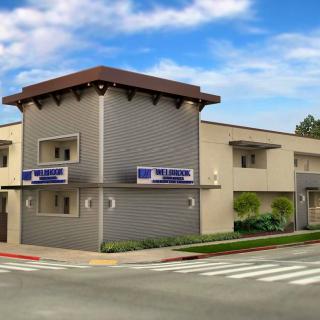
1323 17Th Street, Santa Monica, CA 90404

For more information about senior living options: (844) 490-3973

3.9 from 46 reviews
5 stars
31
4 stars
2
3 stars
0
2 stars
2
1 stars
11

Seniors.FYI Elite Community Awards

Top 5% Senior Living Community in 2019

Add this award to your website

Overall Review of Pacific Post Acute

Pros

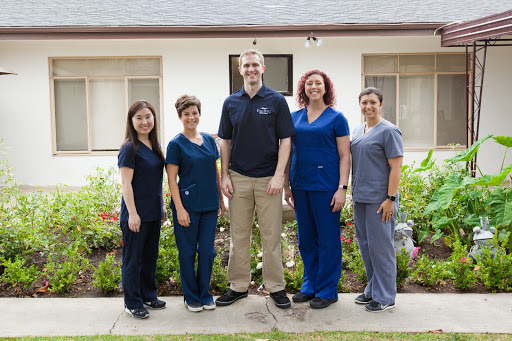
  • pro The staff at Pacific Post-Acute feel like a family, making the process easier to manage for loved ones.
  • pro Michelle is highly knowledgeable and Mark consistently goes above and beyond to ensure personalized care.
  • pro The team works seamlessly to help patients recover fully, showing initiative and teamwork.
  • pro The physical therapy and occupational therapy teams are exceptionally skilled and encouraging.
  • pro The nursing and support staff are kind, professional, and genuinely dedicated to patients’ well-being.
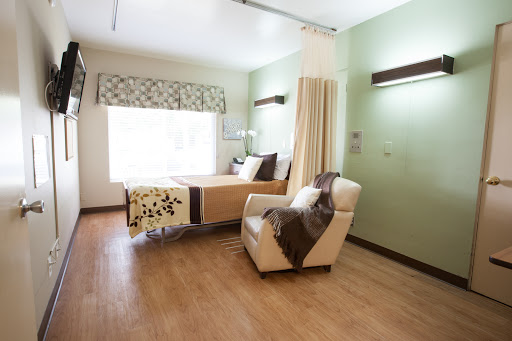
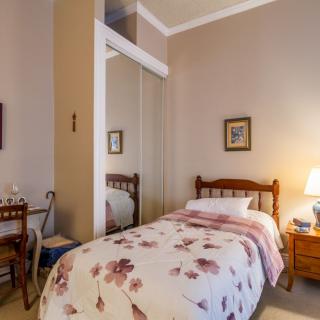
  • pro The facility is clean, well maintained, and provides comfortable rooms and good meals.
  • pro Families report peace of mind and confidence in the care their loved ones receive.
  • pro The admissions and administrative staff help patients and families feel supported throughout the process.
  • pro The care environment is described as a place of healing, dignity, and heart.

Cons

  • pro The reviewer described the administration as horrible and the nursing staff as completely uneducated and tacky.
  • pro They alleged that items were stolen regularly and that the facility felt like a form of hell.
  • pro The facility was criticized as dirty, with missing clothes, dirty rooms and bathrooms, and a prolonged cable outage.
  • pro They reported that the night staff would not respond to call lights or provide pain meds when needed.
  • pro One account described elder abuse and neglect, including a patient being found naked and unattended.
  • pro There were complaints about delayed or unanswered calls, wrong room numbers, and poor communication.
  • pro A reviewer claimed insufficient pain control and unsafe medication handling.
  • pro Some reviewers said management was unprofessional and uncaring.

Review

Pacific Post Acute in Santa Monica is best suited for families seeking aggressive post-acute rehabilitation delivered by a tight-knit, attentive care team. The strongest argument for this community is the caliber of its therapy and nursing staff when a loved one needs to regain mobility after surgery, stroke, or a significant decline. Multiple reviewers praise physical and occupational therapy, with one patient walking again and another regaining strength quickly. The same voices spotlight nurses, CNAs, and social services as consistently caring, responsive, and engaged, turning what can be a stressful transition into a more manageable, family-like experience. When the goal is to maximize recovery in a relatively short period, Pacific Post Acute proves its value through hands-on rehab, daily encouragement, and practical support that extends to meals, snacks, and adaptive equipment.

That said, the community also warrants careful consideration for families weighing safety, governance, and consistency. A sizable portion of reviews flag serious red flags: allegations of elder neglect, medication errors, theft, and unresponsiveness from administration or nursing leadership in certain cases. A handful of experiences describe discomforting environments, disorganization, and even distressing incidents that undermine trust. These voices do not negate the many positive outcomes reported by others, but they do establish a reality: outcomes at Pacific Post Acute appear closely tied to the particular shift, unit, and leadership in charge at any given time. For families who cannot tolerate questions about safety, accountability, or potential lapses in care, alternatives with more uniform governance and transparent reporting may be preferable.

In practice, the community’s non-clinical strengths often offset its weaknesses for active rehab. The most compelling offset is the dedication of therapy teams and the evident commitment from leadership to coordinate care beyond basic tasks. Patients and families repeatedly note that therapists tailor programs, push for progress, and communicate progress clearly. The nursing staff is described as patient, respectful, and capable of delivering consistent care in moments of high demand. The cleanliness and atmosphere frequently receive praise, with some reviewers calling the facility one of the cleanest and most pleasant options in the area. Food service, dietary accommodations, and responsive front-line staff also stand out, contributing to comfort and nutritional recovery during rehab stays. Taken together, these positives create a credible, outcome-focused experience for those who enter with clear rehab goals and ongoing family involvement.

However, the main drawbacks cannot be dismissed as minor inconveniences. When administration is perceived as unresponsive or opaque, or when reports surface about items going missing, medication errors, or unattended call lights, the entire experience becomes fraught with risk. The most troubling reviews describe episodic but severe lapses in basic safety and respect, including instances where patients were not located promptly, were improperly medicated, or were left waiting without help. For a family weighing placement, these episodes emphasize the importance of proactive oversight: insist on meeting with the director of nursing, request a tour of all units at different times, and verify a formal mechanism for reporting concerns and tracking follow-through. In other words, Pacific Post Acute can deliver remarkable rehab outcomes, but only if governance, accountability, and day-to-day responsiveness meet a consistently high standard.

For families navigating this decision, practical steps can turn the balance toward a favorable outcome. Begin with a focused tour emphasizing the rehab footprint: observe therapists’ routines, interaction with patients, and the speed and clarity of communication with families. Probe admissions and social services about care coordination, discharge planning, and how dietary needs are managed in practice. Request a direct conversation with the director of nursing or medical director about escalation channels for issues and a recent record of quality measures and staffing stability. Verify room conditions, cleanliness, and noise levels at peak activity times, and confirm access to a reliable point person for updates when the loved one’s status changes. Finally, talk to current families about their most recent experiences with both therapy progress and administrative responsiveness to separate illusion from reality.

In the end, Pacific Post Acute represents a compelling choice for post-acute rehabilitation anchored by skilled clinicians, a culture of genuine care, and substantial evidence of meaningful functional gains. It is not a one-size-fits-all solution. Families drawn to a rigorous rehab trajectory, where therapists and nurses visibly invest in a patient’s recovery and where a warm, family-like atmosphere can accelerate confidence and participation should regard this facility as a top contender. Conversely, those who cannot tolerate reports of administrative inconsistency, safety concerns, or variability in experiences across shifts should seriously evaluate other options with more consistently documented governance and patient safety practices. The right decision comes down to aligning recovery goals with the facility’s strengths while diligently vetting safety and accountability before making a commitment.

Features

Housing

  • 49 resident community capacity 49 resident community capacity

Types of Care

  • Skilled Nursing Facility Skilled Nursing FacilitySkilled Nursing Facilities are crucial for seniors as they provide round-the-clock medical care, rehabilitation services, and assistance with daily activities. These facilities ensure that seniors receive the specialized care they need to maintain their health and well-being as they age.

Amenities

  • Beauty salon Beauty salonBeauty salons are important for seniors because they provide a space for them to feel pampered, socialize, and maintain their personal grooming and hygiene. Regular visits to a beauty salon can help boost seniors' self-esteem and overall well-being.
  • Cable or satellite TV Cable or satellite TVCable or satellite TV is important for seniors because it provides entertainment, news, and companionship, helping to combat loneliness and boredom. It also offers a wide range of programming options tailored to different interests and preferences.
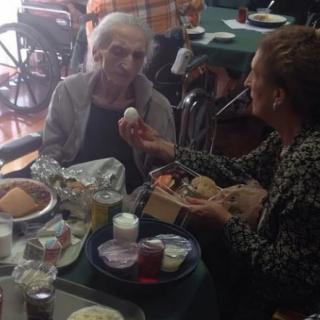
  • Dining room Dining roomDining rooms are important for seniors as they provide a space for socialization, connection, and nutritious meals. They offer opportunities for residents to bond over shared meals, foster a sense of community, and promote healthy eating habits. Dining rooms also ensure that seniors have access to well-balanced meals tailored to their dietary needs and preferences.
  • Fully furnished Fully furnishedFully furnished senior living communities are important for seniors because they provide convenience, comfort, and a hassle-free moving experience. Seniors can easily settle into their new living space without the stress of having to buy and move furniture. This allows them to focus on enjoying their new home and community.
  • Garden GardenGardens are important for seniors as they provide a peaceful and therapeutic environment for relaxation, physical activity, and socialization. Being in nature has been shown to reduce stress, improve mood, and promote overall well-being. Gardens also offer opportunities for seniors to engage in gardening activities, which can improve mobility, flexibility, and cognitive function. Additionally, gardens create a sense of community and connection with others who share a passion for plants and outdoor spaces.
  • Housekeeping services Housekeeping servicesHousekeeping services are important for seniors because they help maintain a clean and safe living environment, promote independence, and reduce the risk of accidents or illnesses. Additionally, having assistance with household chores can alleviate physical strain and allow seniors to focus on other aspects of their well-being.
  • Kitchenette KitchenetteKitchenettes are important for seniors living in senior living communities because they provide the convenience and independence of being able to prepare simple meals and snacks in the comfort of their own living space. This can help promote a sense of autonomy and well-being for seniors, allowing them to maintain some level of control over their dietary choices and daily routines.
  • Move-in coordination Move-in coordinationMove-in coordination is important for seniors because it helps ease the transition into their new living environment. It ensures that all logistics, such as packing, organizing movers, and setting up utilities are taken care of, allowing seniors to focus on settling in and adjusting to their new home. Having a smooth move-in process can alleviate stress and anxiety, making the transition smoother and more enjoyable for seniors.
  • Outdoor space Outdoor spaceOutdoor spaces are important for seniors as they provide opportunities for physical activity, social interaction, exposure to natural light and fresh air, and a sense of connection to nature. Having access to outdoor spaces can improve overall well-being and quality of life for older adults living in senior communities.
  • Restaurant-style dining Restaurant-style diningRestaurant-style dining is important for seniors because it allows them to enjoy delicious, nutritious meals in a social and upscale setting. This enhances their dining experience, promotes healthy eating habits, and fosters socialization with fellow residents, ultimately contributing to their overall well-being and quality of life.
  • Small library Small librarySmall libraries are important for seniors as they provide access to a variety of reading materials, including books, newspapers, and magazines. This can help stimulate their minds, keep them engaged, and provide a sense of community through book clubs and other social activities. Additionally, reading has been shown to improve cognitive function and overall mental well-being in older adults.
  • Telephone TelephoneTelephones are important for seniors as they provide a lifeline for communication with loved ones, emergency services, and healthcare providers. They offer a sense of security and independence, enabling seniors to stay connected and access assistance when needed.
  • Wi-Fi/high-speed internet available Wi-Fi/high-speed internet availableWi-Fi/high-speed internet is important for seniors to stay connected with loved ones, access online resources, and participate in virtual activities to combat feelings of loneliness and isolation. It also allows them to easily manage healthcare needs, access entertainment, and engage in lifelong learning opportunities.

Transportation

  • Los Angeles International (7 miles away) Los Angeles International (7 miles away)
  • Burbank-Glendale-Pasadena (14 miles away) Burbank-Glendale-Pasadena (14 miles away)
  • Long Beach (Daugherty) (24 miles away) Long Beach (Daugherty) (24 miles away)

Care Services

  • 24-hour call system 24-hour call system24-hour call systems are important for seniors because they provide peace of mind and immediate assistance in case of emergencies. This technology ensures that help is always available, promoting safety and security for elderly individuals living alone or in assisted living facilities.
  • 24-hour supervision 24-hour supervision24-hour supervision is important for seniors to ensure their safety, well-being, and access to immediate assistance in case of emergencies or health issues. This constant support provides peace of mind for both seniors and their loved ones, allowing them to age in place with dignity and security.
  • Activities of daily living assistance Activities of daily living assistanceActivities of daily living assistance are important for seniors because they provide essential support with tasks such as eating, bathing, dressing, and mobility. This assistance helps seniors maintain their independence, dignity, and overall quality of life as they age.
  • Assistance with bathing Assistance with bathingAssistance with bathing is crucial for seniors as it helps maintain personal hygiene, prevents infections, and ensures their overall well-being and comfort. It also provides a sense of dignity and independence for seniors who may struggle with this task on their own.
  • Assistance with dressing Assistance with dressingAssistance with dressing is important for seniors because it helps maintain their independence, promotes personal hygiene, prevents accidents and injuries, and improves overall quality of life. This service ensures that seniors can continue to dress comfortably and confidently, despite any physical limitations they may have.
  • Assistance with transfers Assistance with transfersAssistance with transfers is crucial for seniors as it helps prevent falls and injuries, maintains their independence, and ensures they can safely navigate their living environment. It also provides peace of mind for both seniors and their loved ones.
  • Diabetes diet Diabetes dietA diabetes diet is crucial for seniors as it helps manage blood sugar levels, reduce risks of complications, and improve overall health and well-being. By following a balanced and nutritious diet tailored to their specific needs, seniors can better control their diabetes and enhance their quality of life.
  • Meal preparation and service Meal preparation and serviceMeal preparation and service are crucial for seniors as they may have limited mobility or energy to cook nutritious meals. Having access to healthy and convenient food options can ensure they are getting the proper nutrition needed to maintain their overall health and well-being.
  • Medication management Medication managementMedication management is crucial for seniors to ensure they are taking the right medications at the correct dosages and times. This helps prevent adverse drug interactions, reduces the risk of medication errors, and promotes overall health and well-being. Proactive management also allows for adjustments as needed based on changing health conditions or new prescriptions.
  • Mental wellness program Mental wellness programMental wellness programs are essential for seniors as they promote cognitive stimulation, emotional support, and social engagement. These programs help prevent isolation, depression, and cognitive decline, ultimately enhancing the overall quality of life for older adults.
  • Special dietary restrictions Special dietary restrictionsSpecial dietary restrictions are important for seniors because age-related changes in metabolism and health conditions can make it difficult for their bodies to process certain foods. By following a diet tailored to their specific needs, seniors can maintain their overall health and well-being, manage chronic conditions, and reduce the risk of complications such as malnutrition or food interactions with medications.

Dining

  • Diabetes diet Diabetes dietA diabetes diet is crucial for seniors as it helps manage blood sugar levels, reduce risks of complications, and improve overall health and well-being. By following a balanced and nutritious diet tailored to their specific needs, seniors can better control their diabetes and enhance their quality of life.
  • Special dietary restrictions Special dietary restrictionsSpecial dietary restrictions are important for seniors because age-related changes in metabolism and health conditions can make it difficult for their bodies to process certain foods. By following a diet tailored to their specific needs, seniors can maintain their overall health and well-being, manage chronic conditions, and reduce the risk of complications such as malnutrition or food interactions with medications.

Activities

  • Community-sponsored activities Community-sponsored activitiesCommunity-sponsored activities are important for seniors as they provide opportunities for social interaction, mental stimulation, and physical activity. These activities can help improve overall well-being, combat loneliness and isolation, and promote a sense of belonging and purpose among older adults.
  • Resident-run activities Resident-run activitiesResident-run activities are important for seniors as they encourage social interaction, creativity, and a sense of autonomy. These activities empower seniors to stay engaged and active in their community while fostering meaningful connections with their peers.
  • Scheduled daily activities Scheduled daily activitiesScheduled daily activities are important for seniors because they provide structure, socialization, mental stimulation, and physical activity. Engaging in regular activities can improve overall well-being and quality of life for seniors living in a community setting.

Description

Pacific Post Acute is a premier assisted living community located in the vibrant city of Santa Monica, California. Our community offers a range of amenities and care services to ensure that our residents receive the highest level of comfort and support.

Our fully furnished apartments provide a cozy and welcoming atmosphere for our residents. Each apartment is equipped with cable or satellite TV and Wi-Fi/high-speed internet, allowing residents to stay connected and entertained. Our kitchenettes enable residents to prepare light meals or snacks at their convenience.

At Pacific Post Acute, we prioritize the overall well-being of our residents. Our dedicated staff provides 24-hour supervision and assistance with activities of daily living such as bathing, dressing, and transfers. We also offer specialized care for those with diabetes, including tailored meal plans.

Meals at our community are served in a restaurant-style dining room, ensuring that each dining experience is enjoyable and social. We cater to special dietary restrictions to accommodate the unique needs of our residents.

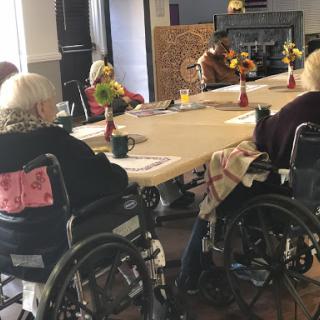
Residents can engage in a variety of activities designed to promote physical, mental, and social well-being. From resident-run activities to scheduled daily activities, there is something for everyone to enjoy. Additionally, our small library provides a peaceful space for reading and relaxation.

Outside of our community, there are numerous amenities conveniently located nearby. With eight cafes, 10 parks, 20 pharmacies, two physicians' offices, 35 restaurants, one place of worship, one theater, and one hospital in close proximity, our residents have easy access to services and entertainment options.

At Pacific Post Acute in Santa Monica, we strive to create a warm and supportive environment for our residents. Our comprehensive amenities and care services ensure that each individual receives personalized attention while enjoying an engaging lifestyle surrounded by beautiful outdoor spaces.

Nearby Places of Interest

This part of Santa Monica, California, offers a convenient and vibrant neighborhood with a variety of amenities nearby. The Santa Monica - UCLA Medical Center & Orthopaedic Hospital is located within walking distance, providing easy access to healthcare services. Additionally, there are several restaurants offering diverse dining options, as well as pharmacies for pharmaceutical needs. For recreational activities, there are parks like Palisades Park and Santa Monica State Beach where seniors can enjoy the outdoors. Cafes such as Starbucks and The Rose Cafe & Market offer relaxing places to socialize and enjoy a cup of coffee. In terms of medical care, physicians' offices like UCLA Stein Eye Institute Westwood and Kaiser Permanente Culver Marina Medical Offices are in close proximity. Overall, this area provides a mix of healthcare facilities, dining options, recreational opportunities, and essential services for older adults considering senior living in Santa Monica.

Hospitals

  • Santa Monica - UCLA Medical Center & Orthopaedic Hospital (0.1 miles)

Restaurants

  • Tartine Santa Monica (0.2 miles)
  • Santa Monica Brew Works (0.4 miles)
  • Bodega Wine Bar (0.7 miles)
  • Bay Cities (0.7 miles)
  • Erewhon Market (0.9 miles)
  • 1212 Santa Monica (1.1 miles)
  • The Penthouse (1.2 miles)

Pharmacies

  • Walgreens (0.3 miles)
  • Rite Aid (0.3 miles)
  • CVS Pharmacy (0.6 miles)
  • CVS Pharmacy (0.7 miles)
  • CVS Pharmacy (0.9 miles)
  • Walgreens (1.1 miles)
  • CVS Pharmacy (1.9 miles)

Parks

  • DOG PPL - Dog Park, Bar, Cafe & Lounge (1 miles)
  • Palisades Park (1.2 miles)
  • Santa Monica State Beach (1.3 miles)
  • Ocean View Park (2 miles)
  • South Beach Park (2.1 miles)
  • Penmar Recreation Center (2.1 miles)
  • Will Rogers State Historic Park (2.5 miles)

Cafes

  • Starbucks (1.3 miles)
  • Starbucks (1.7 miles)
  • The Rose Cafe & Market (2.2 miles)
  • Gjusta (2.3 miles)
  • Intelligentsia Coffee (2.7 miles)
  • Great White (2.8 miles)
  • Chocolate Bash (3.2 miles)

Physicians

  • UCLA Stein Eye Institute Westwood (3.4 miles)
  • Kaiser Permanente Culver Marina Medical Offices (4 miles)

Theaters

  • AMC Century City 15 (4.3 miles)

Places of Worship

  • King Fahad Mosque (4.3 miles)

Frequently Asked Questions

Where is Pacific Post Acute?
What photos are available for Pacific Post Acute in Santa Monica, California?

Nearby Communities

  • Ocean Pointe Healthcare Center

    Ocean Pointe Healthcare Center

    Santa Monica, CA

    4.1 from 29 reviews
     

    pro Comprehensive care with extensive amenities and transportation options.

  • Berkley West Healthcare Center

    Berkley West Healthcare Center

    Santa Monica, CA

    3 from 22 reviews
     

    pro Caring staff with engaging activities

  • Limerick Guest Home

    Limerick Guest Home

    Santa Monica, CA

     
    $2,400 to $2,900 / month

    pro Competitive memory care pricing with strong local amenities and nearby hospital.

  • Holiday Villa East

    Holiday Villa East

    Santa Monica, CA

    4.4 from 130 reviews
    $3,200 / month

    pro Friendly, attentive staff in a clean, bright, and spacious community with elegant dining and a convenient location.

  • Santa Monica Health Care Center

    Santa Monica Health Care Center

    Santa Monica, CA

    3.8 from 34 reviews
     

    pro Helpful social worker and well-maintained facility with ample amenities.

  • The Rehabilitation Center Of Santa Monica

    The Rehabilitation Center Of Santa Monica

    Santa Monica, CA

    3.5 from 38 reviews
     

    pro Comprehensive amenities and 24/7 care, with on-site salon, restaurant-style dining, transportation, and engaging activities.

  • Welbrook Santa Monica

    Welbrook Santa Monica

    Santa Monica, CA

    4 from 31 reviews
    $8,100 / month

    pro Engaging daily activities and attentive staff foster a home-like, connected environment.

  • Brookdale Santa Monica Gardens

    Brookdale Santa Monica Gardens

    Santa Monica, CA

    4.1 from 64 reviews
    $6,505 to $14,580 / month

    pro Caring staff, clean surroundings, engaging activities.

  • Country Villa Westwood

    Country Villa Westwood

    Los Angeles, CA

    2.9 from 59 reviews
     

    pro Clean, well-maintained facility with structured therapy and good meals.

Related Resources

  • geriatric care managerIs a Geriatric Care Manager the Right Choice for Your Family?

    Geriatric care managers create personalized care plans for older adults, addressing their medical, social, financial, and psychological needs while coordinating services and advocating for their well-being. They help families navigate caregiving challenges but may be hindered by high costs and a shortage of qualified professionals.

  • what to say to someone who is grievingCompassionate Conversations: How to Comfort Someone Who Is Grieving

    The article highlights the importance of empathy and open communication when comforting someone who is grieving, noting that grief is unique to each individual and emphasizing the need for sincere expressions of condolence, active listening, and ongoing support. It also addresses cultural differences in mourning practices and encourages tailored approaches to provide effective comfort.

  • home care aideHome Health Care Aides: Understanding Their Role and Supporting Your Family
    Home health care aides provide vital medical and non-medical support to individuals at home, assisting with daily living activities and promoting emotional well-being, while the demand for these services increases due to an aging population. Families benefit from in-home care's flexibility and cost-effectiveness but face challenges like scheduling consistency and caregiver turnover.