For more information about senior living options: (866) 208-4318
2.7 from 45 reviews
5 stars
16
4 stars
3
3 stars
1
2 stars
3
1 stars
22
Country Villa Plaza Convalescent Center Costs & Pricing
Country Villa Plaza Convalescent Center's monthly costs reflect a competitive pricing structure against the backdrop of Orange County and California as a whole. For individuals seeking semi-private accommodations, the cost is $3,872, slightly above the county average of $3,431 but higher than the state average of $3,333. Those opting for private rooms will find the center's rate of $4,646 aligns closely with Orange County's $4,104 yet surpasses the statewide average of $3,939. Additionally, studio units at Country Villa Plaza are priced at $5,033, which exceeds both the county's average of $4,313 and California's average of $4,145. Overall, while Country Villa Plaza's rates may be higher in some categories compared to local and state averages, they reflect a commitment to quality care in an area known for its elevated living expenses.
Floor plans
Country Villa Plaza Convalescent Center
Orange County
California
Semi-Private
$3,872
$3,431
$3,333
Private
$4,646
$4,104
$3,939
Studio
$5,033
$4,313
$4,145
Skilled Nursing Facilities with a similar price nearby
from +$628 / mo
Estancia del Sol
4.8 from 154 reviews
$4,500 to $6,250 / month
21.9 miles away
About the same
Rowntree Gardens
4.6 from 159 reviews
$3,793 to $6,296 / month
7.8 miles away
from +$538 / mo
St. Elizabeth Healthcare and Rehabilitation Center
Overall Review of Country Villa Plaza Convalescent Center
caveat9 reviews mention this
Communication and phone access problems
Residents and families report frequent difficulty reaching staff by phone.
Several reviews say the facility would not answer calls, would hang up, or left family waiting on hold with no response. Others describe needing to call many times to get updates or to address issues, and still not receiving timely answers. Even when a reviewer mentions a nurse who called back as promised, the overall theme is that phone communication can be unreliable.
Reviews repeatedly point to insufficient staffing or slow responses when help is requested. Some residents or families describe waiting for care needs like bathroom assistance, medication, or follow-up support, and several reviews link these problems to being understaffed or busy. A few reviews also describe serious care breakdowns where patients were not receiving required help or treatments as expected.
caveat6 reviews mention this
Cleanliness and odor concerns
Some reviews raise concerns about cleanliness and unpleasant odors.
A number of reviews mention dirty conditions, including urine-related issues, feces odors, or roach infestation. Other reviews describe rooms that were not cleaned before a new arrival and note problems like soiling or missed hygiene needs. A smaller set of reviews praise cleanliness and cite a clean facility, but negative cleanliness reports appear often enough to be a recurring concern.
common12 reviews mention this
Direct-care staff are praised
Direct-care staff receive consistent praise for kindness and professionalism.
Many reviews describe the CNAs and nurses as caring, supportive, and attentive to residents’ needs. Some reviewers specifically call out individual staff members for listening, taking time to help, or maintaining a clean environment. At the same time, other reviews express frustration with professional staff like case managers or with getting timely responses, which suggests experiences can vary by role.
How we summarize
Counts show how many written reviews mention each theme; a review can touch several themes, and only frequently mentioned themes are displayed.
Features
Housing
145 resident community capacity
Types of Care
Skilled Nursing Facility
Amenities
Air-conditioning
Beauty salon
Cable or satellite TV
Computer center
Dining room
Fitness room
Fully furnished
Gaming room
Garden
Housekeeping services
Kitchenette
Move-in coordination
Outdoor space
Private bathrooms
Restaurant-style dining
Small library
Telephone
Wellness center
Wi-Fi/high-speed internet available
Transportation
John Wayne Orange Co (3 miles away)
Long Beach (Daugherty) (17 miles away)
Community operated transportation
Transportation arrangement
Transportation arrangement (non-medical)
Transportation to doctors appointments
Care Services
12-16 hour nursing
24-hour call system
24-hour supervision
Activities of daily living assistance
Assistance with bathing
Assistance with dressing
Assistance with transfers
Diabetes diet
Meal preparation and service
Medication management
Mental wellness program
Special dietary restrictions
Dining
Diabetes diet
Special dietary restrictions
Activities
Community-sponsored activities
Concierge services
Fitness programs
Planned day trips
Resident-run activities
Scheduled daily activities
Nearby Places of Interest
Pharmacies
Rite Aid (0.6 miles)
Super Clinik (0.8 miles)
CVS Pharmacy (1 miles)
CVS Pharmacy (1 miles)
The Clinic Patients Association (1.9 miles)
CVS Pharmacy (2.4 miles)
CVS Pharmacy (2.6 miles)
Restaurants
In-N-Out Burger (0.7 miles)
Din Tai Fung (1.3 miles)
Boudin SF (1.3 miles)
The Capital Grille (1.4 miles)
McDonald's (2.3 miles)
In-N-Out Burger (2.6 miles)
Gulliver's Restaurant (2.6 miles)
Cafes
Nespresso Boutique at Bloomingdale's (1.5 miles)
Diamond Jamboree Shopping Center (3.3 miles)
Kean Coffee (4.3 miles)
Starbucks (5 miles)
MoonGoat Coffee Roasters (5.2 miles)
Starbucks (5.6 miles)
Starbucks (5.6 miles)
Transportation
Terminal A (2.5 miles)
John Wayne Airport (SNA) (2.5 miles)
Artic (6.5 miles)
Parks
Mile Square Regional Park (3.1 miles)
Plaza Park (4.5 miles)
William R. Mason Regional Park (4.8 miles)
Ashwood Park (5.9 miles)
Tustin Sports Park (6 miles)
Huntington Central Park (6 miles)
Bonita Canyon Park (6 miles)
Theaters
Amc Tustin 14 At The District (3.3 miles)
AMC Movie Theater (5.1 miles)
Century Huntington Beach And Xd (6.4 miles)
Physicians
Hoag Tustin Legacy (3.9 miles)
Hoag Medical Group (3.9 miles)
Cardiology Specialists of Orange County (4 miles)
Kaiser Permenente Tustin Medical Offices (4.8 miles)
Country Villa Plaza Convalescent Center's monthly costs reflect a competitive pricing structure against the backdrop of Orange County and California as a whole. For individuals seeking semi-private accommodations, the cost is $3,872, slightly above the county average of $3,431 but higher than the state average of $3,333. Those opting for private rooms will find the center's rate of $4,646 aligns closely with Orange County's $4,104 yet surpasses the statewide average of $3,939. Additionally, studio units at Country Villa Plaza are priced at $5,033, which exceeds both the county's average of $4,313 and California's average of $4,145. Overall, while Country Villa Plaza's rates may be higher in some categories compared to local and state averages, they reflect a commitment to quality care in an area known for its elevated living expenses.
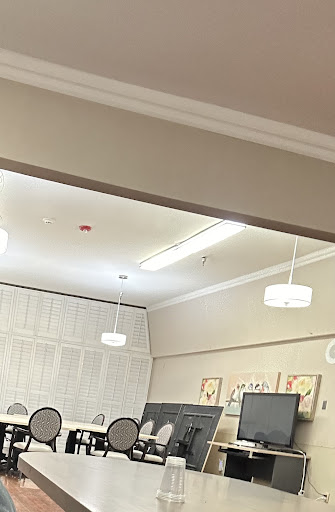
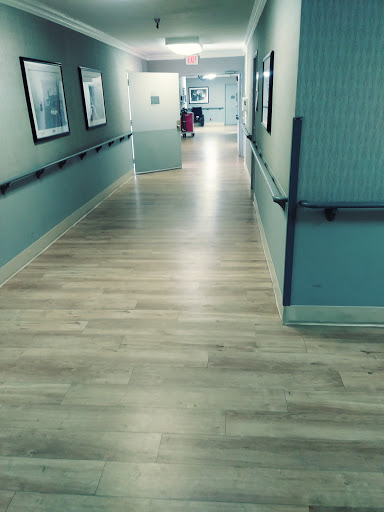
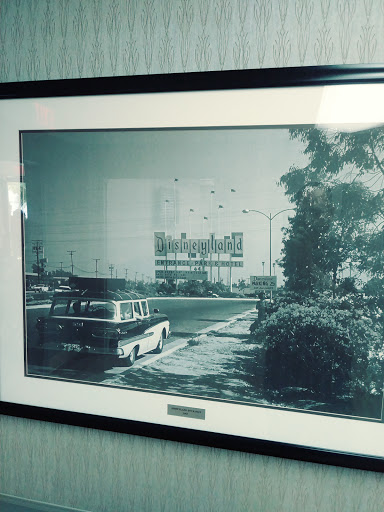
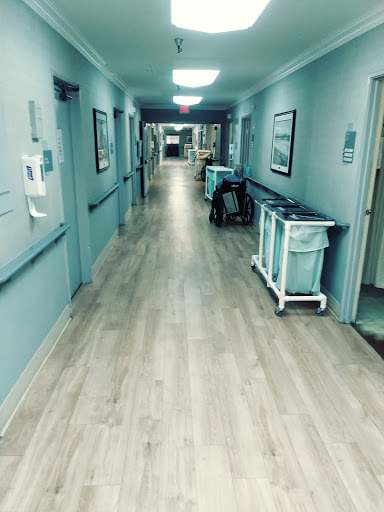
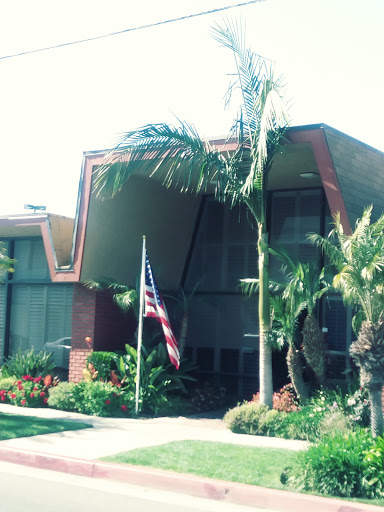
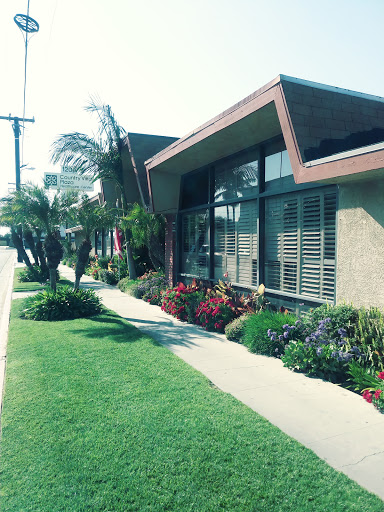
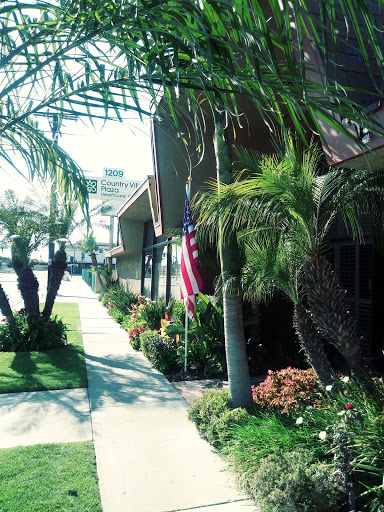
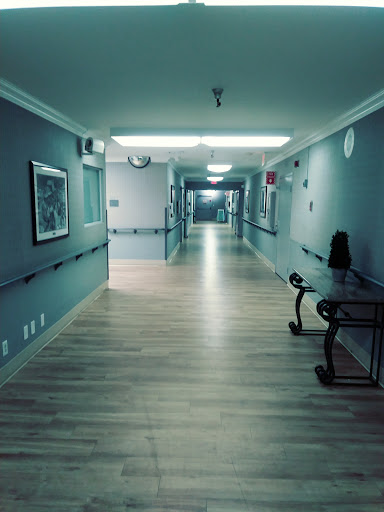
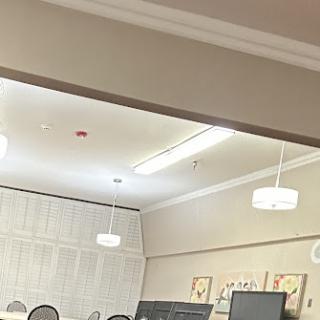
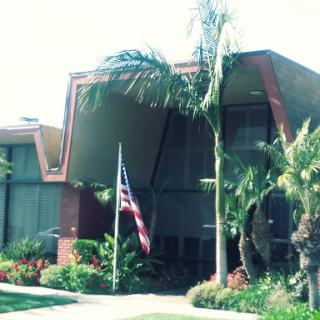
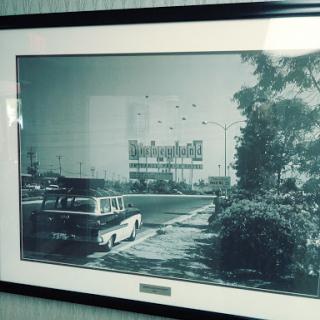
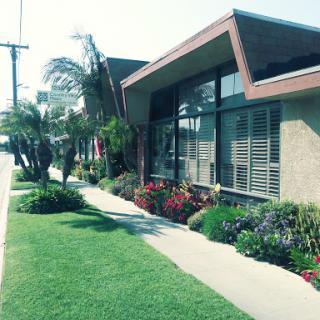
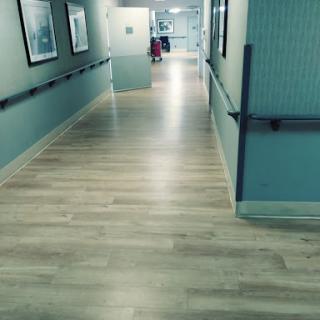
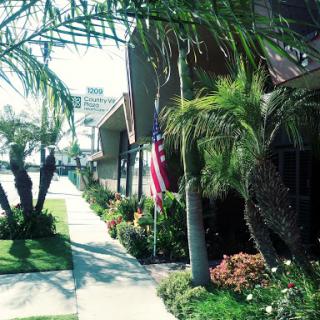
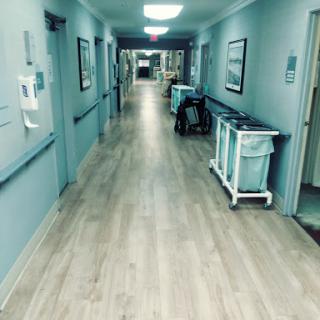
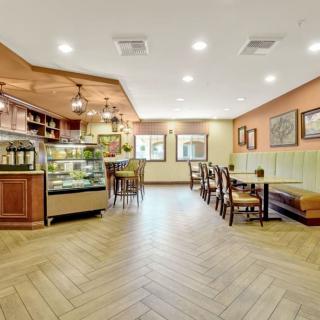
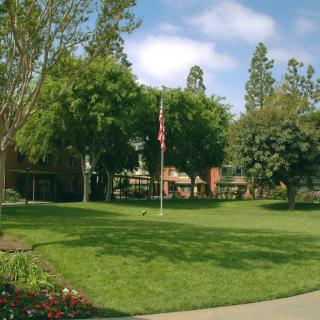
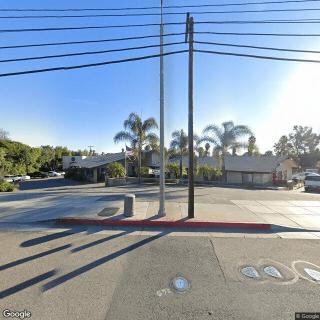
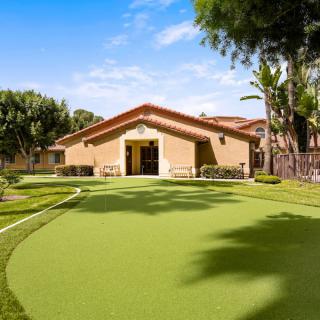
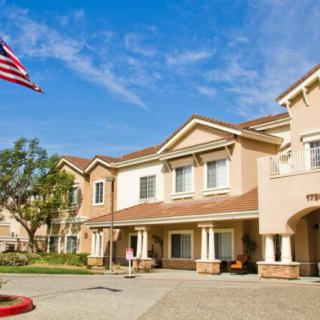
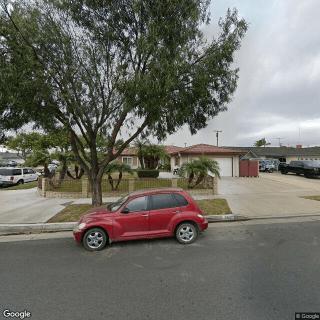
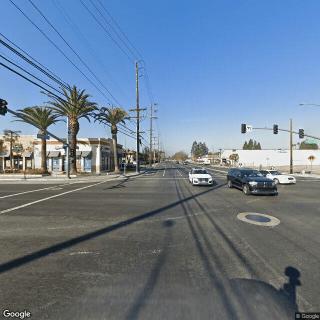
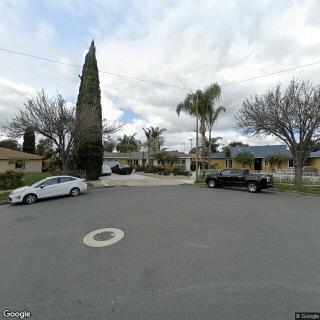
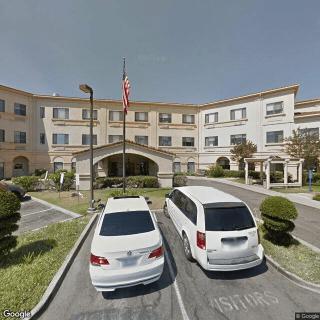
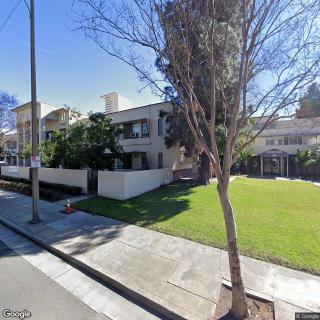
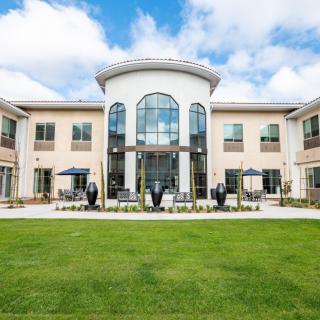
Country Villa Plaza Convalescent Center on seniors.fyi includes 10 photos including images showing landscaping, interior, lighting, hallway, palm trees, outdoor, healthcare, building, and more.
Nearby Communities
Golden Years - Coastal Community Hospital
Santa Ana, CA
2.2 from 117 reviews
Excellent, compassionate care that supported recovery.
South Coast Global Medical Center
Santa Ana, CA
2.2 from 100 reviews
24-hour supervision with medication management and restaurant-style dining in furnished apartments.
South Coast Post Acute
Santa Ana, CA
2.6 from 58 reviews
24/7 nursing/ADL support with private rooms and restaurant-style dining.
Aquino Home Care
Santa Ana, CA
Convenient senior-friendly location with easy access to healthcare, dining, parks, and transportation
Palm Island
Fountain Valley, CA
4.3 from 33 reviews
Well-maintained grounds with robust amenities and friendly staff.
Grandparent Home
Santa Ana, CA
4.9 from 81 reviews
$3,000 / month
Affordable private-room option with comprehensive care and on-site amenities.
Manorcare Health Services (Fountain Valley)
Fountain Valley, CA
2.8 from 81 reviews
Extensive amenities and broad care services.
French Park Care Center
Santa Ana, CA
3.5 from 74 reviews
Compassionate staff and pleasant grounds with activities.
Park View Estates Transitional Assisted Living and Memory Care
Fountain Valley, CA
4.2 from 62 reviews
$3,400 to $6,100 / month
Friendly, attentive staff in a clean, well-maintained setting with engaging activities and good family communication.
Fecal incontinence, prevalent among older adults, arises from factors like weakened pelvic muscles and nerve damage, significantly affecting well-being and social interactions. Diagnosis involves clinical evaluation and tests to inform tailored treatments, while caregivers and preventive measures can aid in managing the condition effectively.
Anticipatory grief is an emotional response to the impending loss of a loved one, characterized by complex emotions such as sadness and anger, and involves navigating stages similar to those identified by Kübler-Ross. Coping strategies are vital for managing this process, emphasizing compassionate communication, self-care, and support groups while recognizing the cultural influences on grieving.
Adult day care programs offer essential support and activities for older adults, yet many hesitate to participate due to concerns about independence and stigma. To alleviate these apprehensions, families should facilitate open discussions, explore financial resources, suggest trial visits, and collaborate with healthcare providers to highlight the benefits of such services for both the participants and their caregivers.
Get PricingAsk A QuestionSchedule A TourContact Senior Advisor
By clicking submit, you agree to our Partner's Terms of Use. You
also consent to receive calls and texts, which may be autodialed, from our Partner. Your consent is not a condition to
using our Partner's service. Please visit our Partner's Privacy Policy for information about their privacy practices.


 145 resident community capacity
 Skilled Nursing Facility
 Air-conditioning
 Beauty salon
 Cable or satellite TV
 Computer center
 Dining room
 Fitness room
 Fully furnished
 Gaming room
 Garden
 Housekeeping services
 Kitchenette
 Move-in coordination
 Outdoor space
 Private bathrooms
 Restaurant-style dining
 Small library
 Telephone
 Wellness center
 Wi-Fi/high-speed internet available
 John Wayne Orange Co (3 miles away)
 Community operated transportation
 12-16 hour nursing
 24-hour call system
 Activities of daily living assistance
 Assistance with bathing
 Assistance with dressing
 Assistance with transfers
 Diabetes diet
 Medication management
 Mental wellness program
 Special dietary restrictions
 Concierge services
 Planned day trips
 Excellent, compassionate care that supported recovery.
 Fecal Incontinence in Older Adults: A Comprehensive Guide
 Recognizing the Journey: Understanding and Navigating Anticipatory Grief
 Encouraging Participation in Adult Day Care: A Guide to Supporting a Hesitant Parent