For more information about senior living options: (866) 208-4318
4.9 from 81 reviews
5 stars
78
4 stars
0
3 stars
0
2 stars
2
1 stars
1
Grandparent Home Costs & Pricing
At Grandparent Home, the monthly cost for a private room is set at $3,000. This competitive pricing stands out when compared to the average costs in Orange County, which are significantly higher at $4,104, and also below the state average for California at $3,939. By choosing Grandparent Home, families can enjoy substantial savings while still providing their loved ones with comfortable accommodations that prioritize care and well-being. This makes it an appealing option for those seeking quality senior living without the steep financial burden often associated with such facilities in the region.
Floor plans
Grandparent Home
Orange County
California
Private
$3,000
$4,104
$3,939
Senior living communities with a similar price nearby
from -$375 / mo
Berryman Health Inc
5 from 118 reviews
$2,625 to $3,050 / month
8.4 miles away
from +$500 / mo
Kind Heart Home Care VI
5 from 46 reviews
$3,500 to $5,000 / month
24.8 miles away
from +$500 / mo
Loving Home Care
5 from 42 reviews
$3,500 to $4,500 / month
6.8 miles away
from +$300 / mo
Bella Manor II
5 from 40 reviews
$3,300 to $4,290 / month
12.7 miles away
from -$200 / mo
Candlewood Care Home III
5 from 25 reviews
$2,800 to $3,400 / month
5.3 miles away
Overall Review of Grandparent Home
common70 reviews mention this
Caring staff and support
Residents and families consistently describe staff as compassionate, attentive, and supportive.
Across reviews, people emphasize that the staff is genuinely caring and easy to turn to when needs come up. Several reviewers highlight how professionals provided guidance and reassurance during detox and residential treatment, and they describe staff as respectful and communicative. A recurring point is that the team pays attention to individual needs rather than treating everyone the same.
common15 reviews mention this
Private rooms and comfortable spaces
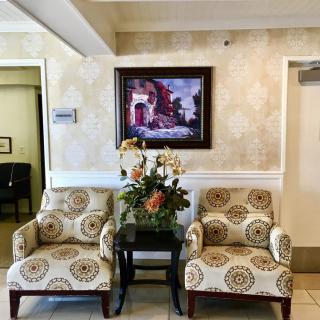
Private rooms and a comfortable, clean environment come up repeatedly in reviews.
Many reviewers specifically call out private rooms as a major benefit, describing them as helpful for focusing while still feeling supported. Reviews also mention cleanliness and overall comfort, with residents describing the facility as welcoming and easy to feel settled in. Some reviewers connect the physical comfort of the space with a smoother recovery experience.
common10 reviews mention this
Meals provided during stays
Reviews repeatedly mention that meals are provided and help make the program feel manageable.
Multiple reviews describe meals as a built-in part of daily life at the facility, including catered or prepared meals. Reviewers also reference snacks and routines around food during detox and residential programming. This aligns with what the community lists for dining, which is meals provided.
common6 reviews mention this
Activities and outings for residents
Several reviews highlight on-site activities and organized outings.
Beyond core treatment, reviewers mention activities that keep residents engaged, including group programming and recreational options. Some reviews specifically describe fun outings as part of the experience, framing them as a way to stay active and distracted in a positive way. This matches the community listing for on-site activities.
caveat2 reviews mention this
Affordable pricing compared
Pricing is positioned as below county and state averages in the listing details.
While reviews focus more on care and day-to-day experience than on cost, the listing details position the community at a lower price point than both the county and state benchmarks. That can matter for families comparing options, especially when they’re balancing budget alongside the need for detox or residential support. The reviews that do mention cost frame it as a practical consideration rather than a comfort issue.
How we summarize
Counts show how many written reviews mention each theme; a review can touch several themes, and only frequently mentioned themes are displayed.
Features
Types of Care
Board and Care Home
Pets
Cats allowed
Dogs allowed
Amenities
Activities on-site
Beautician on-site
Indoor common areas
Outdoor common areas
Private
Wheelchair accessible showers
Transportation
John Wayne Orange Co (4 miles away)
Long Beach (Daugherty) (16 miles away)
Care Services
High acuity care
Incontinence care
Dining
Meals provided
Activities
Activities on-site
Nearby Places of Interest
This part of Santa Ana, California, offers a mix of convenient amenities and entertainment options. Within a 3-mile radius, you'll find multiple pharmacies, restaurants offering diverse cuisine choices, and cafes for socializing or enjoying a quiet cup of coffee. The area also boasts several parks for outdoor recreation and relaxation, as well as transportation options such as the nearby airport and car rental services. For medical needs, there are reputable physicians' offices and a hospital within close proximity. Additionally, movie theaters provide opportunities for entertainment, making this neighborhood a well-rounded choice for seniors looking to settle in a vibrant community with easy access to essential services.
Pharmacies
Super Clinik (1.5 miles)
Rite Aid (1.5 miles)
CVS Pharmacy (1.6 miles)
CVS Pharmacy (1.9 miles)
CVS Pharmacy (2.2 miles)
CVS Pharmacy (2.7 miles)
The Clinic Patients Association (2.7 miles)
Restaurants
In-N-Out Burger (1.6 miles)
Din Tai Fung (2.2 miles)
Boudin SF (2.2 miles)
The Capital Grille (2.3 miles)
In-N-Out Burger (2.8 miles)
Raising Cane's Chicken Fingers (2.9 miles)
McDonald's (3.3 miles)
Cafes
Nespresso Boutique at Bloomingdale's (2.3 miles)
Diamond Jamboree Shopping Center (4.2 miles)
Kean Coffee (4.5 miles)
Starbucks (5.5 miles)
Starbucks (5.6 miles)
MoonGoat Coffee Roasters (5.7 miles)
Starbucks (6 miles)
Parks
Mile Square Regional Park (2.5 miles)
Plaza Park (5.3 miles)
William R. Mason Regional Park (5.8 miles)
Faylane Park (6 miles)
Huntington Central Park (6.2 miles)
Transportation
Terminal A (3.5 miles)
John Wayne Airport (SNA) (3.6 miles)
Artic (5.7 miles)
Hertz Rent A Car (5.7 miles)
Physicians
Cardiology Specialists of Orange County (3.9 miles)
Hoag Tustin Legacy (4.5 miles)
Hoag Medical Group (4.5 miles)
The 200 Building (4.5 miles)
Kaiser Permenente Tustin Medical Offices (5.3 miles)
At Grandparent Home, the monthly cost for a private room is set at $3,000. This competitive pricing stands out when compared to the average costs in Orange County, which are significantly higher at $4,104, and also below the state average for California at $3,939. By choosing Grandparent Home, families can enjoy substantial savings while still providing their loved ones with comfortable accommodations that prioritize care and well-being. This makes it an appealing option for those seeking quality senior living without the steep financial burden often associated with such facilities in the region.
Adult day care programs offer essential support and activities for older adults, yet many hesitate to participate due to concerns about independence and stigma. To alleviate these apprehensions, families should facilitate open discussions, explore financial resources, suggest trial visits, and collaborate with healthcare providers to highlight the benefits of such services for both the participants and their caregivers.
Living wills and advance directives are crucial legal documents that outline an individual's healthcare preferences when they cannot make decisions themselves, enhancing patient autonomy and alleviating family stress during medical crises. The article emphasizes the need for these documents to be personalized, legally valid, and regularly updated, while also encouraging communication about end-of-life wishes among family members and healthcare providers.
The article examines living wills and advance directives, highlighting their significance in expressing healthcare preferences for those unable to communicate due to illness or incapacity. It discusses their historical development, legal components, limitations, practical drafting advice, and the importance of clear communication among families and healthcare professionals regarding end-of-life decisions.
Get PricingAsk A QuestionSchedule A TourContact Senior Advisor
By clicking submit, you agree to our Partner's Terms of Use. You
also consent to receive calls and texts, which may be autodialed, from our Partner. Your consent is not a condition to
using our Partner's service. Please visit our Partner's Privacy Policy for information about their privacy practices.


 Board and Care Home
 Cats allowed
 Dogs allowed
 Activities on-site
 Beautician on-site
 Indoor common areas
 Outdoor common areas
 Private
 Wheelchair accessible showers
 John Wayne Orange Co (4 miles away)
 High acuity care
 Incontinence care
 Meals provided
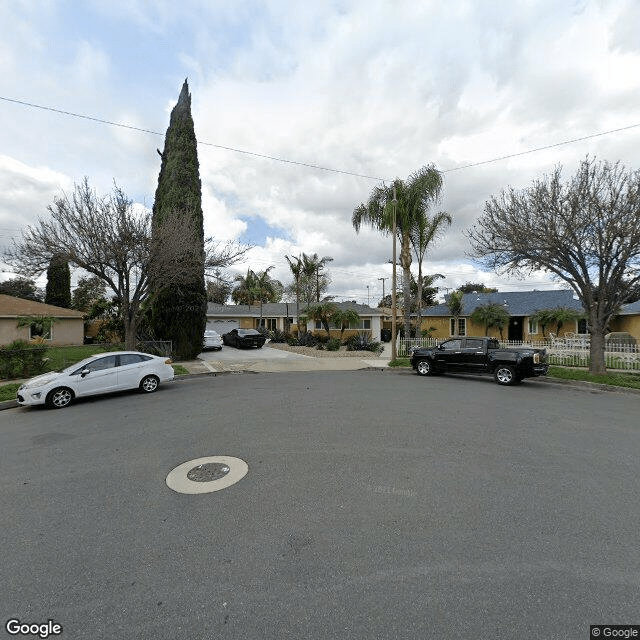
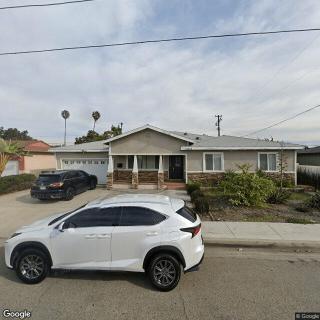
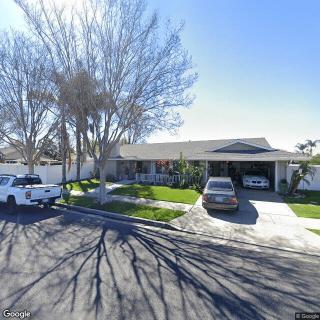
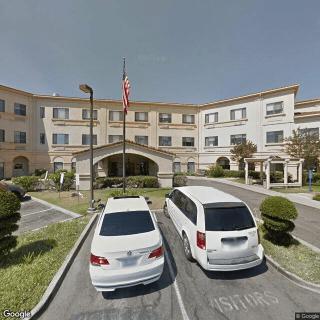
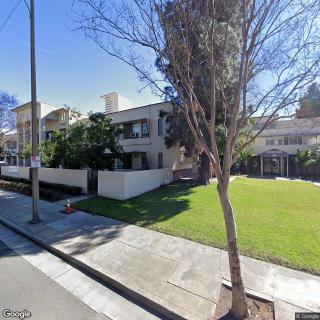
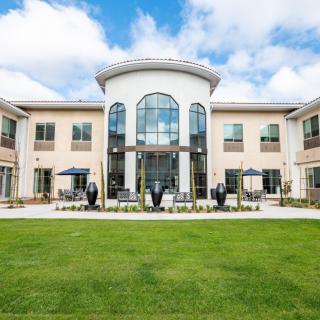
 Well-maintained grounds with robust amenities and friendly staff.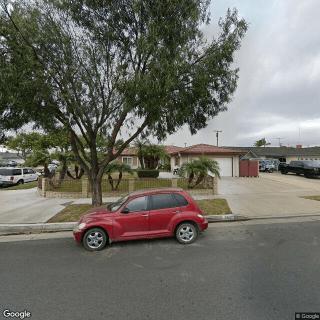

 Encouraging Participation in Adult Day Care: A Guide to Supporting a Hesitant Parent
 Comprehensive Exploration of Living Wills and Other Advance Directives
 A Detailed Exploration of Living Wills and Advance Directives