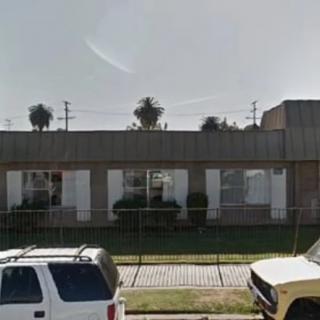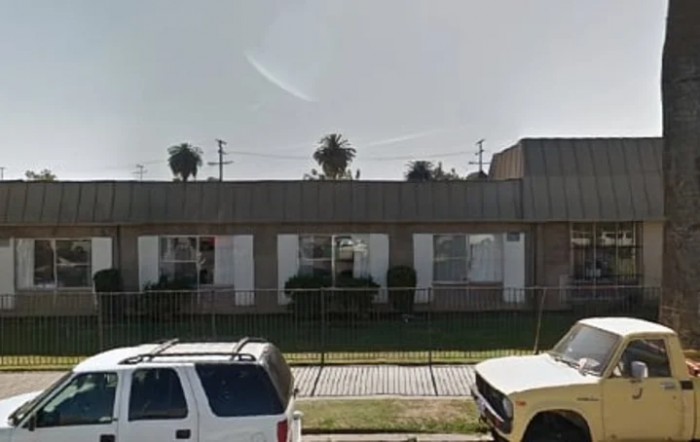
230 East Adams Boulevard, Los Angeles, CA 90011
For more information about senior living options: (866) 208-4318
Overall Review of University Park Healthcare Center
Pros
 The family considers it the best choice to bring their loved one to rehab.
- The facility clearly met the standards.
- Pauline, the marketer, was a breath of fresh air.
- The staff made the family feel comfortable, making the decision easy.
- The staff and administration provided care and support that were deeply appreciated.
Cons
 It is claimed that the place should be investigated due to too many people defrauding elderly residents of their credit.
- There are allegations of counter-fraud taking place at this location.
- A person is reportedly starting an investigation into the counter-fraud occurring there.
Review
University Park Healthcare Center is best suited for families seeking a dedicated post-acute rehab path for a loved one who has recently endured a hip fracture or similar surgery. The facility shows strength in guiding a discharge-to-rehab transition, with clear emphasis on meeting rehab standards and delivering steady, professional support from the care team. For families who value proactive coordination during a stressful recovery window, this center offers a reliable anchor: approachable staff, an administration that responds to concerns, and a caregiver-focused culture that helps families feel that the recovery plan is individualized and achievable.
The strongest selling points show up in the rehab-centric approach. Families repeatedly note that the staff and administrators deliver care with competence and warmth, turning what can be an anxious transition into a manageable process. The presence of a hospital liaison or marketing/transition contact, someone who meets the patient in the hospital and helps align expectations, can be a decisive advantage, creating trust and easing the decision-making burden for loved ones. In practice, this translates to smoother admissions, clearer communication, and a sense that the path from hospital to rehab is well supported rather than left to guesswork.
Yet a careful decision must reckon with a notable red flag raised in at least one review: concerns about financial practices and potential fraud. This is not a rumor to ignore, even if it is not the prevailing consensus across all feedback. Families should demand transparency: request a detailed, itemized care plan, explicit billing explanations, and a clear outline of what is included in every phase of care. Independent checks, such as reviewing state licensing records, asking for recent survey outcomes, and speaking directly with the discharge planner or social worker, are prudent steps to validate that the financial side aligns with the quality of clinical care.
When weighed against the positives, the reported issues do not automatically dismantle the appeal of University Park, but they do shift the calculus. The core benefit, competent rehabilitation and attentive administrative support, can offset concerns if the facility demonstrates rigorous financial oversight and ongoing, open communication about costs and services. For a family prioritizing a streamlined, purpose-built post-acute experience, the ability to count on consistent rehab progress, along with responsive staff, remains a compelling reason to consider this center. The environment and staff demeanor add a degree of confidence that the recovery plan will be actively managed rather than passively experienced.
Alternatives are worth considering for families who want every precaution in place or who expect long-term stability beyond the rehab window. If there is significant unease about financial transparency or if the care plan may extend beyond short-term rehabilitation, it may be prudent to compare facilities with stronger, verifiable controls on billing and more robust incident- and fraud-prevention histories. Likewise, for loved ones with complex conditions requiring specialized medical oversight, or for households that prioritize a clearly documented, third-party-audited financial framework, other communities might offer a tighter risk-reward balance.
For families who decide to move forward with University Park, the path is clear. Schedule a face-to-face with administration to review the post-acute care plan, including expected milestones, therapy frequency, and discharge criteria. Bring questions about billing, insurance coordination, and any ancillary services (nutritional support, additional therapies, or specialized equipment). Speak with a current resident or family member, if possible, to verify the consistency of care and responsiveness. And insist on a written, up-to-date care plan with contact points for ongoing updates. When these steps are completed, the decision rests on whether the rehab-focused strengths align with the family’s comfort level regarding financial oversight and overall transparency.
 88 resident community capacity
 Skilled Nursing Facility
 Air-conditioning
 Beauty salon
 Cable or satellite TV
 Computer center
 Dining room
 Fitness room
 Fully furnished
 Gaming room
 Garden
 Housekeeping services
 Kitchenette
 Move-in coordination
 Outdoor space
 Private bathrooms
 Restaurant-style dining
 Small library
 Telephone
 Wellness center
 Wi-Fi/high-speed internet available
 Los Angeles International (10 miles away)
 Community operated transportation
 12-16 hour nursing
 24-hour call system
 Activities of daily living assistance
 Assistance with bathing
 Assistance with dressing
 Assistance with transfers
 Diabetes diet
 Medication management
 Mental wellness program
 Special dietary restrictions
 Concierge services
 Planned day trips

 Nurturing Our Loved Ones: A Daughter's Journey in Caring for Her Mother
 Nurturing Our Elders: Linda's Journey of Supporting Her Mother
 A Comprehensive Exploration of Common Misunderstandings about Powers of Attorney