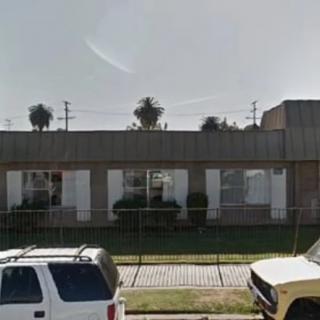
2625 Maple Avenue, Los Angeles, CA 90011
For more information about senior living options: (866) 208-4318
Overall Review of Maple Healthcare Center
Pros
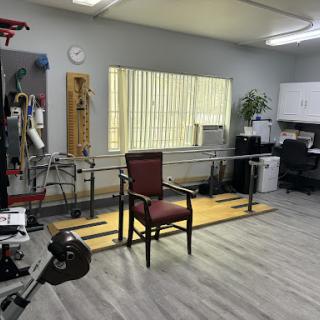
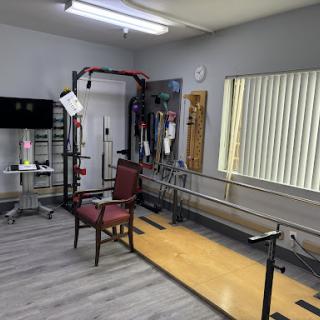
 The staff provides good quality care and is very attentive to residents' needs, with therapy described as amazing.
- The care for elderly family members is consistently compassionate, making the facility a top choice for rehabilitation.
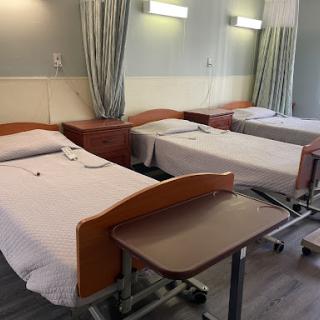
- The facility is clean, odor-free, and staffed by friendly, caring people.
- Care has improved under new management, with staff dedication to residents clearly evident.
- Maple Care Center delivers the best experience and care, with a responsive, caring staff that stays on top of medications and needs.
- Angie D., a professional CNA, demonstrates hands-on, effective interaction with residents.
- The staff is praised as true heroes, delivering excellent care in a professional, supportive environment.
Cons
 They describe the facility as horrible to keep loved ones, with staff who don’t care and are rude and inefficient.
- They claim the place is dirty and that patients are abused, with staff lying and blaming families.
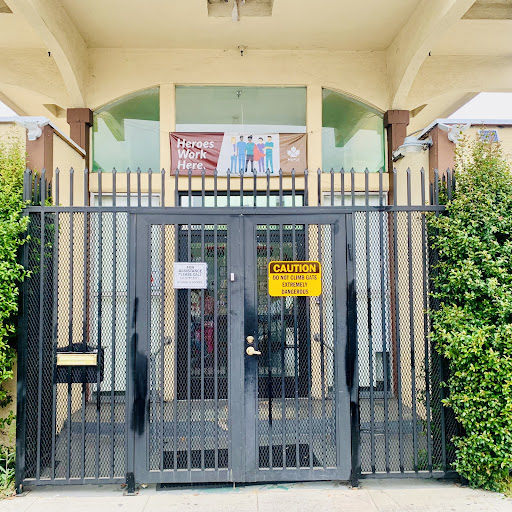
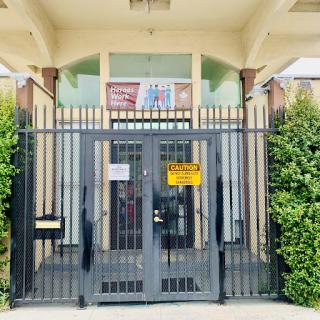
- They say it is a locked facility where residents cannot leave and visits are restricted.
- They report a theft by a staff member and money missing from a resident’s wallet.
- They allege residents are overmedicated, leading to sedation and mobility decline, with poor communication about medications and finances.
- They note favoritism among staff and that many CNAs pick and choose who receives quality care, while others are on their phones.
- They recount falls or injuries due to lack of supervision and inattentive staff.
- They criticize the lack of responsiveness from doctors and poor communication about care and finances.
Review
Maple Healthcare Center in Los Angeles is best suited for families seeking hands-on rehabilitative care for an older loved one who responds well to attentive therapy and daily monitoring. The strongest case‑makers are residents who benefit from a robust therapy program and clear medication oversight, as well as families that prioritize a warm, personable staff and regular family touchpoints. When management is stable and staff turnover is low, residents often appear well cared for, with several accounts of effective post‑acute recovery and positive interpersonal interactions with caregivers.
Those who may want to consider alternatives should proceed with caution. Families dealing with significant safety concerns, inconsistent staffing, or a history of medication management issues may prefer a different facility. Reports of restricted movement, concerns about how concerns are escalated, and claims of neglect or theft understandably raise red flags for anyone prioritizing freedom of movement, consistent accountability, and transparent operations. If a loved one depends on strict oversight and predictable staff response times, Maple should be weighed against other options with stronger reputations for reliability and safety.
On the plus side, the pros often align with meaningful, measurable gains. Multiple reviews highlight high-quality care when it comes to routine nursing attention, attentive CNAs, and thoughtful therapy services, particularly for post-stroke or post-hospital rehabilitation. Cleanliness and a generally pleasant environment are frequently noted, with staff who communicate well and make families feel heard. Instances of individual caregivers going above and beyond, such as standout CNAs who “know how to interact” with residents, reinforce that capable, compassionate bedside care is present at Maple when the team is functioning smoothly.
The main objections, however, are substantive and not easily dismissed. A persistent undercurrent of negative experiences centers on perceived neglect, poor responses to concerns, and inconsistent supervision. Allegations range from disorganization and the mishandling of medications to lost belongings, inappropriate staffing practices, and even non‑pharmacological safety concerns. Some families describe residents being left largely inactive, with limited mobility and insufficient monitoring, while others question the integrity of staff and the adequacy of administrative follow‑through. The most alarming reviews describe situations that would understandably trigger a search for alternatives: perceived abuse, a sense of being dismissed, and a lack of accountability.
Balancing the evidence suggests results depend heavily on day‑to‑day realities at Maple. When the facility is well‑staffed, well‑supervised, and engaged with families, residents can receive strong rehabilitative momentum, individualized attention, and reliable medication management. When the opposite is true, risks rise quickly: medication changes without clear communication, delays in addressing concerns, and inconsistent personal care can erode trust and safety. Families should verify current staffing levels, observe interactions during a visit, and request direct conversations with therapy leads and nursing supervisors. It is prudent to review the facility’s incident and grievance procedures, and to ask for recent survey results or improvement plans from the administrator.
The bottom line is practical and decisive. Maple Healthcare Center can be an excellent fit for families prioritizing rehab-focused care and daily attentiveness, especially where management stability supports consistent, compassionate care. For those whose tolerance for risk, variability in staffing, or questions about safety is low, it is wise to explore alternatives with stronger, verifiable records in resident safety and transparent operations. Prospective residents should embark on a rigorous, multi‑visit evaluation: tour at different times, speak with current residents and families, request a detailed care plan, and confirm up‑to‑date licensing compliance. In the end, Maple works when oversight is tight and staff are aligned; it requires vigilant, proactive involvement from families to ensure the best possible outcome.
 59 resident community capacity
 Skilled Nursing Facility
 Air-conditioning
 Beauty salon
 Cable or satellite TV
 Computer center
 Dining room
 Fitness room
 Fully furnished
 Gaming room
 Garden
 Housekeeping services
 Kitchenette
 Move-in coordination
 Outdoor space
 Private bathrooms
 Restaurant-style dining
 Small library
 Telephone
 Wellness center
 Wi-Fi/high-speed internet available
 Los Angeles International (10 miles away)
 Community operated transportation
 12-16 hour nursing
 24-hour call system
 Activities of daily living assistance
 Assistance with bathing
 Assistance with dressing
 Assistance with transfers
 Diabetes diet
 High acuity care
 Medication management
 Mental wellness program
 Special dietary restrictions
 Concierge services
 Planned day trips




 A Detailed Examination of Nursing Home Costs Across the U.S.
 Exploring Nonmedical Home Care: Understanding Services, Costs, and Financial Approaches
 Engaging Brain Games and Innovative Apps to Keep Senior Minds Active