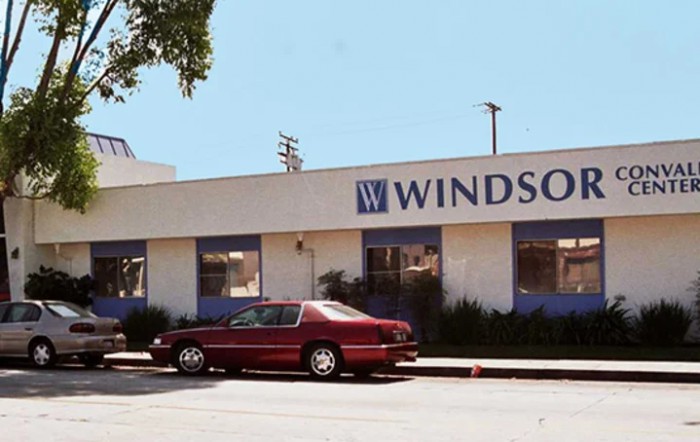

260 East Market Street, Long Beach, CA 90805
For more information about senior living options: (866) 208-4318
Overall Review of Windsor Convalescent Center Of North Long Beach
Pros
 The staff are very friendly and treat residents like family, consistently addressing concerns.
 - The staff are respectful and knowledgeable about their responsibilities toward patients and their families, showing kindness and compassion.
- Windsor Convalescent has the friendliest nurses and staff who treat residents like family and promptly attend to their needs.
- Families would highly recommend Windsor Convalescent for its caring staff.
- The customer service is pleasantly friendly.
- The center is described as life-saving and wonderful by residents.
Cons
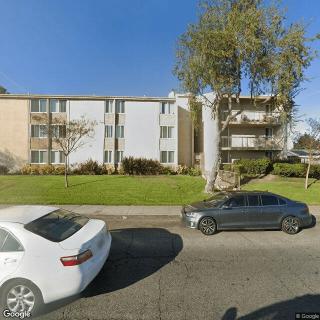
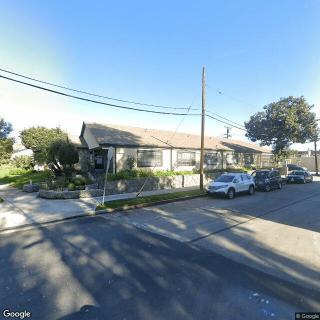
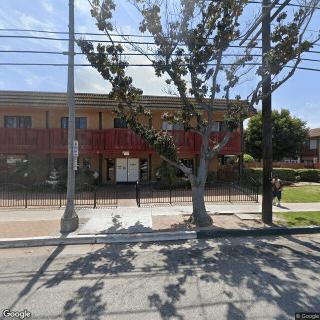
 The facility is very old and in disrepair, with mildew on the roof and constant construction that disturbs the surrounding neighborhoods; unacceptable.
- The building shows clear neglect: shredded curtains, broken windows, peeling surfaces, and trash left on the grounds.
- Most of the staff are disrespectful and show little compassion toward elderly or disabled residents.
- A resident was pushed to walk and forced to move by a staffer, despite needing assistance and pain.
- Basic needs are neglected, such as diapers being changed only twice a day and a resident not being fed dinner, with staff offering only a shrug.
- The marketing photos are phony and the place feels depressing.
Review
Windsor Convalescent Center of North Long Beach is best suited for families seeking a warm, caregiver-focused environment where staff relationships matter as much as the daily routine. The center appears to function as a small community in practice, with many residents experiencing attentive, familial care from nurses and aides who treat residents as part of a team. The core appeal lies in the human connection: call bells answered promptly, residents checked regularly, and staff who aim to make each day feel like a supportive, compassionate routine. This is not a showroom facility; it is a place where stability and personal attention can translate into real peace of mind for families who value ongoing, hands-on care over pristine aesthetics.
That said, it is essential to consider who may want to look elsewhere. Those who prioritize immaculate physical surroundings, top-tier maintenance, and consistently polished operations will likely feel frustrated here. Several reviews describe the building as aging and uneven, with mildew or mold cited on the exterior and ongoing construction noise that disrupts the living environment. If a resident requires consistently flawless upkeep, pristine dining rooms, or a quiet, distraction-free atmosphere, Windsor’s current condition and its exterior encroach on the comfort level such families expect. Additionally, reports of disrespectful behavior from some staff, gaps in basic daily care, and situations where basic needs were not met weigh heavily toward seeking options with stricter oversight and more uniformly positive staff conduct.
The strongest offset to the facility’s drawbacks lies in the caregiving core. When staff demonstrates kindness, attentiveness, and a genuine effort to respond quickly to calls, Windsor proves it can deliver reliable, day-to-day support. Several accounts commend nurses and aides who treat residents like family, check in consistently, and adjust a resident’s position to prevent discomfort or complications. In those moments, the care team provides essential leverage for families facing medical or rehabilitation needs: a dependable presence in the room, proactive monitoring, and a sense that someone is advocating for the resident. Even where environmental shortcomings exist, these personal touches can stabilize a resident’s routine and reduce anxiety for anxious families.
Yet the personal strengths do not erase the clear, recurring concerns about care and environment. Instances cited by families range from staff members being unhelpful or distracted, to specific incidents of inadequate assistance with mobility or daily needs, and even neglectful moments around basic comfort, ranging from unaddressed diaper changes to meals not being provided. The contrast is stark: when the team is engaged, care excels; when it is not, residents can experience discomfort and safety concerns. These uneven experiences complicate the decision, demanding a careful, hands-on vetting process before committing to long-term placement. The facility’s aging infrastructure compounds these risks, making ongoing oversight and clear communication with the administration all the more crucial.
For families weighing Windsor, a practical plan is essential. Begin with a thorough in-person tour during different times of day to observe both the surface operations and the back-of-house rhythms. Test responsiveness by noting how quickly staff answer call bells and attend to needs in real time. Inspect the room and common areas for cleanliness, maintenance, and safety, look closely at plumbing, lighting, and the adequacy of heating or cooling in resident rooms. Request a candid discussion with the administrator about staffing levels, turnover, and training protocols, and ask to see recent inspection reports or citations from licensing authorities. If possible, arrange to review a resident’s daily routine, including feeding, hygiene assistance, and wound or mobility care plans, to gauge how consistently expectations translate into practice.
Alongside these checks, craft a concrete care plan with measurable expectations. Do not assume questions about feeding, diaper changes, or pain management are resolved by courtesy alone; insist on documented procedures, specific time frames for interruptions to routine, and a clear escalation path if needs are not met. If the resident requires rehab services, confirm the availability and frequency of therapy sessions and ensure the care team coordinates closely with therapists and physicians. Discuss room configurations, especially if a shared room is contemplated, and insist on a robust housekeeping and laundry schedule. Finally, consider a conditional or short-term trial period if the facility allows, paired with a defined review date to reassess satisfaction and safety before a longer commitment.
Ultimately, Windsor Convalescent Center of North Long Beach offers a viable, sometimes compelling option for families who prize a genuine, responsive caregiving culture and are prepared to manage the tradeoffs of an older building and uneven day-to-day consistency. For those who require consistently flawless environments, universally exemplary conduct, and ironclad maintenance, alternative communities with stronger environmental guarantees and more uniform staff performance may be the wiser path. The decision should hinge on a direct, disciplined inquiry into day-to-day operations and a clear, written agreement on service expectations. When these conditions align, Windsor can deliver dependable, humane care within a supportive community; when they do not, the gaps become too pronounced to ignore.
 120 resident community capacity
 Skilled Nursing Facility
 Air-conditioning
 Beauty salon
 Cable or satellite TV
 Computer center
 Dining room
 Fitness room
 Fully furnished
 Gaming room
 Garden
 Housekeeping services
 Kitchenette
 Move-in coordination
 Outdoor space
 Private bathrooms
 Restaurant-style dining
 Small library
 Telephone
 Wellness center
 Wi-Fi/high-speed internet available
 Long Beach (Daugherty) (3 miles away)
 Community operated transportation
 12-16 hour nursing
 24-hour call system
 Activities of daily living assistance
 Assistance with bathing
 Assistance with dressing
 Assistance with transfers
 Diabetes diet
 Medication management
 Mental wellness program
 Special dietary restrictions
 Concierge services
 Planned day trips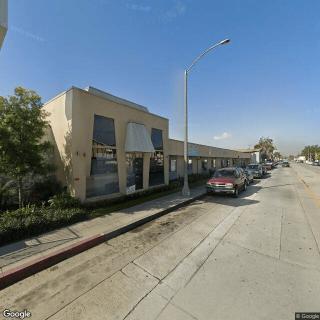

 Navigating Medicare Coverage for In-Home Care Services
 In-Home Care Costs in 2025: A Detailed State-by-State Exploration
 Understanding Home Health Care: A Comprehensive Guide