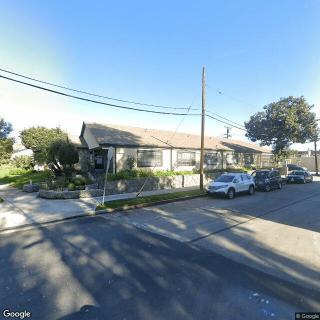
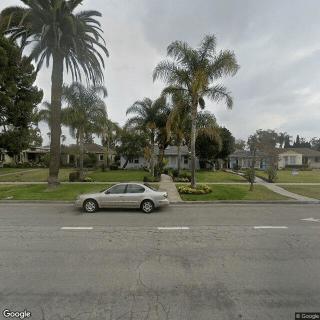
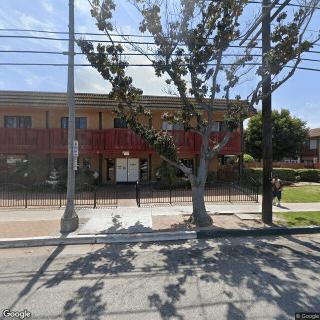
Eugenia's House

4321 North Country Club Lane, Long Beach, CA 90807

For more information about senior living options: (844) 490-3973

4.1 from 17 reviews
5 stars
13
4 stars
0
3 stars
0
2 stars
1
1 stars
3

Assisted Living Board and Care Home

Eugenia's House Costs & Pricing

Eugenia's House offers competitive pricing for its room types compared to both Los Angeles County and the broader California market. For a semi-private room, residents can expect a cost of $3,000 per month, which is notably lower than the county average of $3,349 and the state average of $3,333. When it comes to private rooms, Eugenia's House charges $3,600 - also more affordable than Los Angeles County's rate of $4,197 and slightly higher than California's average of $3,939. However, for those seeking a studio apartment experience, Eugenia's House presents a higher price point at $5,500 monthly compared to the county's $4,172 and the state's average of $4,145. Overall, while Eugenia's House provides attractive options for semi-private and private accommodations, potential residents should consider their budget carefully when looking at studio offerings.

Floor plansEugenia's HouseLos Angeles CountyCalifornia
Semi-Private$3,000$3,349$3,333
Private$3,600$4,197$3,939
Studio$5,500$4,172$4,145

Overall Review of Eugenia's House

Pros

  • pro The Brittany House team was wonderful to work with.
  • pro The staff were extremely responsive and handled everything quickly.
  • pro The caregiver was wonderful, very respectful and caring.
  • pro Marcus Falanai is dedicated to excellence and addresses concerns with love and compassion.
  • pro Marcus takes residents under his wing and provides structured activities to support well?being.
  • pro Colleen (Executive Director) and Sarah (Lead Nurse) are knowledgeable and place resident needs first, with on?site nursing 24/7.
  • pro Erin listened attentively, understood the situation, and invited a visit to check the place out.
  • pro The facility is warm and cozy and treats residents like family.
  • pro Staff across departments (administration, nursing, cooking, cleaning, and laundry) are praised for their dedication.
  • pro Families feel good about the care their loved ones receive and the overall transition is made easier.

Cons

  • pro Caregivers were rude and not well-trained.
  • pro Moe acts like he can't be bothered to fetch packages for residents.
  • pro The weekend receptionist acts like she does not understand you even if you rephrase the issue multiple times.
  • pro They only seem concerned with outside family after being asked for their name.
  • pro A staff member was rude to a prospective volunteer.
  • pro Some promises on the website were not always fulfilled.

Review

Brittany House feels like a rare combination of warmth and professionalism, a place where families describe not just good care but a sense of being welcomed into a supportive community. Multiple reviewers highlight a staff that is responsive and attentive, with caregivers who are "wonderful," respectful, and genuinely caring. For families navigating the complex path of placing a loved one in a care setting, the experience at Brittany House often begins with relief that someone was finally listening and taking responsibility for every detail, from daily needs to meaningful interaction.

Several reviews contrast Brittany House with other facilities they visited, where aggressive sales tactics and high-pressure sign-ups left them feeling overwhelmed. In contrast, Erin at Brittany House stood out by taking time to listen, understand the family's situation, and invite them to come in with their loved one to check the place out themselves. One family recalls their mom reluctantly making the trip but leaving with a surprising and heartening impression: "I like that place, they are so friendly and I can make some friends there." That moment became a turning point, underscoring the idea that the best choice isn't just about location or brochure claims but about where the person living there will feel at home and supported.

The impact of Brittany House becomes especially evident after a few months of residency. One grandmother has been there for six months and genuinely loves it, eagerly introducing visitors to new friends she's made. The sentiment is echoed by many who describe the community as a place that eases the sense of loss and guilt families feel when they make the transition. The consistent thread is that the care is not only about meeting daily living needs but about fostering social connection, engagement, and a sense of belonging for residents.

Leadership and problem-solving are frequently highlighted as standout strengths. A long-time reviewer describes a new era under leadership that emphasizes excellence. Marcus, who is described as a devoted administrator, is repeatedly credited with listening, addressing concerns with "Love, Compassion, And consideration," and going beyond a simple job description. One parent notes that Marcus's approach isn't just about fixing issues; he "takes him under his wing" and actively seeks ways to enrich the resident's day with structured activities. Mandy, who runs administration, is praised for seeking "alternative ways to fix whatever issue or problem that might be occurring." Together, they're portrayed as a team who will work with families to find workable solutions, reinforcing the sense that Brittany House values residents' dignity and families' peace of mind.

The appreciation extends to a broad spectrum of staff across the campus. Review after review credits a long list of people - Sherie, Shelley, Trika (cook), Sandy (head of caretakers), Caroline, the entire front office, the cooking and cleaning staff, and the laundry team - for their dedication. One reviewer even captures the collective gratitude with a stirring sentiment: "You guys are the best hand to God to." In another heartfelt note, a husband's family praises the entire staff for 2 1/2 years of care and expresses gratitude for Marcus's ongoing communication during the final days, underscoring how Brittany House often builds trust through consistent, compassionate contact and reliable caregiving.

There are also stories that illustrate the real, imperfect nature of caregiving, reminding readers that no facility is flawless for every person at every moment. One reviewer recalls a past experience where their dad stayed for just one night and encountered rude, poorly trained caregivers, with a lackluster response to a simple request like turning down the TV so conversations could be heard. Activities were described as a joke, and a walk became uncomfortable when a caregiver told them to move aside. While this stands in stark contrast to the many glowing reports, it serves as a reminder that experiences can vary and that ongoing feedback and proactive management are essential to improvement.

Another facet of Brittany House's identity emerges through the ActivCare program, described as a wonderful community tucked into a peaceful neighborhood. Colleen, the executive director, and Sarah, the lead nurse, are praised for their knowledge and a resident-first approach that supports around-the-clock care. A reviewer notes the presence of a nurse on site 24/7, a feature that can be crucial for residents with varying care needs. The broader sentiment is that Brittany House offers a beautiful, high-quality environment with friendly staff, even as some individuals share concerns about how volunteers are welcomed or treated during off-hours.

Lastly, individual moments of connection remind readers that kindness can hinge on the moment and the person. One reviewer mentions volunteering and encountering a front-desk staffer who seemed less than welcoming, highlighting that nice behavior toward volunteers and visitors is not universal. Another note singles out Shari as exceptionally amazing - polite, helpful, and loving with both the patient and the family - capturing how a single positive interaction can reinforce the overall sense that Brittany House is a caring home rather than just a facility.

Overall, Brittany House emerges as a place of genuine care, where responsive staff, compassionate leadership, and multiple dedicated team members come together to support residents and families through challenging transitions. The overwhelmingly positive threads center on belonging, consistent communication, and a culture of looking for solutions that respect residents' dignity and quality of life. At the same time, the reviews acknowledge that every experience is personal and that continuous improvement remains essential, but the evidence across many voices points to a community that many families come to trust and recommend with heartfelt gratitude.

Features

Housing

  • 6 resident community capacity 6 resident community capacity

Types of Care

  • Assisted Living Assisted LivingAssisted living facilities provide crucial support and care for seniors who may need help with daily tasks such as medication management, bathing, and meal preparation. These communities offer a safe and comfortable environment where seniors can maintain their independence while receiving the assistance they need to thrive in their golden years.
  • Board and Care Home Board and Care HomeBoard and care homes provide a smaller, more intimate setting for seniors who require assistance with daily tasks but do not need the level of care offered by a nursing home. They offer personalized care, meals, and social activities in a homelike environment, ensuring that seniors receive individualized attention and support in their golden years.

Amenities

  • Cable or satellite TV Cable or satellite TVCable or satellite TV is important for seniors because it provides entertainment, news, and companionship, helping to combat loneliness and boredom. It also offers a wide range of programming options tailored to different interests and preferences.
  • Dining room Dining roomDining rooms are important for seniors as they provide a space for socialization, connection, and nutritious meals. They offer opportunities for residents to bond over shared meals, foster a sense of community, and promote healthy eating habits. Dining rooms also ensure that seniors have access to well-balanced meals tailored to their dietary needs and preferences.
  • Fully furnished Fully furnishedFully furnished senior living communities are important for seniors because they provide convenience, comfort, and a hassle-free moving experience. Seniors can easily settle into their new living space without the stress of having to buy and move furniture. This allows them to focus on enjoying their new home and community.
  • Garden GardenGardens are important for seniors as they provide a peaceful and therapeutic environment for relaxation, physical activity, and socialization. Being in nature has been shown to reduce stress, improve mood, and promote overall well-being. Gardens also offer opportunities for seniors to engage in gardening activities, which can improve mobility, flexibility, and cognitive function. Additionally, gardens create a sense of community and connection with others who share a passion for plants and outdoor spaces.
  • Housekeeping services Housekeeping servicesHousekeeping services are important for seniors because they help maintain a clean and safe living environment, promote independence, and reduce the risk of accidents or illnesses. Additionally, having assistance with household chores can alleviate physical strain and allow seniors to focus on other aspects of their well-being.
  • Move-in coordination Move-in coordinationMove-in coordination is important for seniors because it helps ease the transition into their new living environment. It ensures that all logistics, such as packing, organizing movers, and setting up utilities are taken care of, allowing seniors to focus on settling in and adjusting to their new home. Having a smooth move-in process can alleviate stress and anxiety, making the transition smoother and more enjoyable for seniors.
  • Outdoor space Outdoor spaceOutdoor spaces are important for seniors as they provide opportunities for physical activity, social interaction, exposure to natural light and fresh air, and a sense of connection to nature. Having access to outdoor spaces can improve overall well-being and quality of life for older adults living in senior communities.
  • Telephone TelephoneTelephones are important for seniors as they provide a lifeline for communication with loved ones, emergency services, and healthcare providers. They offer a sense of security and independence, enabling seniors to stay connected and access assistance when needed.
  • Wi-Fi/high-speed internet available Wi-Fi/high-speed internet availableWi-Fi/high-speed internet is important for seniors to stay connected with loved ones, access online resources, and participate in virtual activities to combat feelings of loneliness and isolation. It also allows them to easily manage healthcare needs, access entertainment, and engage in lifelong learning opportunities.

Transportation

  • Long Beach (Daugherty) (3 miles away) Long Beach (Daugherty) (3 miles away)
  • Los Angeles International (14 miles away) Los Angeles International (14 miles away)
  • John Wayne Orange Co (22 miles away) John Wayne Orange Co (22 miles away)

Care Services

  • 24-hour supervision 24-hour supervision24-hour supervision is important for seniors to ensure their safety, well-being, and access to immediate assistance in case of emergencies or health issues. This constant support provides peace of mind for both seniors and their loved ones, allowing them to age in place with dignity and security.
  • Activities of daily living assistance Activities of daily living assistanceActivities of daily living assistance are important for seniors because they provide essential support with tasks such as eating, bathing, dressing, and mobility. This assistance helps seniors maintain their independence, dignity, and overall quality of life as they age.
  • Assistance with bathing Assistance with bathingAssistance with bathing is crucial for seniors as it helps maintain personal hygiene, prevents infections, and ensures their overall well-being and comfort. It also provides a sense of dignity and independence for seniors who may struggle with this task on their own.
  • Assistance with dressing Assistance with dressingAssistance with dressing is important for seniors because it helps maintain their independence, promotes personal hygiene, prevents accidents and injuries, and improves overall quality of life. This service ensures that seniors can continue to dress comfortably and confidently, despite any physical limitations they may have.
  • Assistance with transfers Assistance with transfersAssistance with transfers is crucial for seniors as it helps prevent falls and injuries, maintains their independence, and ensures they can safely navigate their living environment. It also provides peace of mind for both seniors and their loved ones.
  • Coordination with health care providers Coordination with health care providersCoordination with health care providers is crucial for seniors to ensure proper medical care, medication management, and overall well-being. This collaboration helps prevent overlapping treatments, track progress more effectively, and provide comprehensive support tailored to individual needs.
  • Diabetes diet Diabetes dietA diabetes diet is crucial for seniors as it helps manage blood sugar levels, reduce risks of complications, and improve overall health and well-being. By following a balanced and nutritious diet tailored to their specific needs, seniors can better control their diabetes and enhance their quality of life.
  • Meal preparation and service Meal preparation and serviceMeal preparation and service are crucial for seniors as they may have limited mobility or energy to cook nutritious meals. Having access to healthy and convenient food options can ensure they are getting the proper nutrition needed to maintain their overall health and well-being.
  • Medication management Medication managementMedication management is crucial for seniors to ensure they are taking the right medications at the correct dosages and times. This helps prevent adverse drug interactions, reduces the risk of medication errors, and promotes overall health and well-being. Proactive management also allows for adjustments as needed based on changing health conditions or new prescriptions.
  • Special dietary restrictions Special dietary restrictionsSpecial dietary restrictions are important for seniors because age-related changes in metabolism and health conditions can make it difficult for their bodies to process certain foods. By following a diet tailored to their specific needs, seniors can maintain their overall health and well-being, manage chronic conditions, and reduce the risk of complications such as malnutrition or food interactions with medications.
  • Transportation arrangement (medical) Transportation arrangement (medical)Transportation arrangements for medical purposes are essential for seniors as they may have difficulty driving themselves to appointments or accessing public transportation. Having reliable and safe transportation options ensures that seniors can receive timely medical care and maintain their health and well-being.
  • Transportation to doctors appointments Transportation to doctors appointmentsTransportation to doctors' appointments is crucial for seniors as it ensures they have access to necessary medical care and support for their health needs. Without reliable transportation, seniors may struggle to attend important appointments, leading to potential delays in treatment and health complications. Providing transportation services helps seniors maintain their overall well-being and quality of life.
Dining

  • Diabetes diet Diabetes dietA diabetes diet is crucial for seniors as it helps manage blood sugar levels, reduce risks of complications, and improve overall health and well-being. By following a balanced and nutritious diet tailored to their specific needs, seniors can better control their diabetes and enhance their quality of life.
  • Special dietary restrictions Special dietary restrictionsSpecial dietary restrictions are important for seniors because age-related changes in metabolism and health conditions can make it difficult for their bodies to process certain foods. By following a diet tailored to their specific needs, seniors can maintain their overall health and well-being, manage chronic conditions, and reduce the risk of complications such as malnutrition or food interactions with medications.

Activities

  • Community-sponsored activities Community-sponsored activitiesCommunity-sponsored activities are important for seniors as they provide opportunities for social interaction, mental stimulation, and physical activity. These activities can help improve overall well-being, combat loneliness and isolation, and promote a sense of belonging and purpose among older adults.
  • Scheduled daily activities Scheduled daily activitiesScheduled daily activities are important for seniors because they provide structure, socialization, mental stimulation, and physical activity. Engaging in regular activities can improve overall well-being and quality of life for seniors living in a community setting.

Description

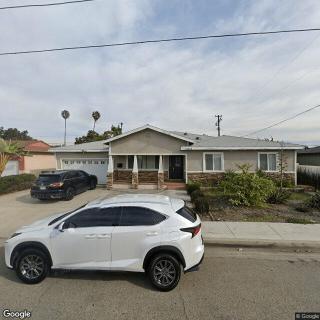
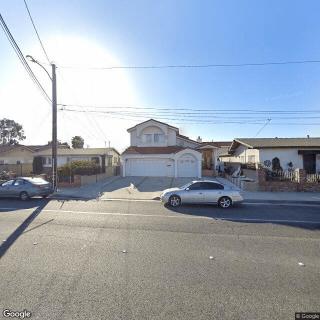
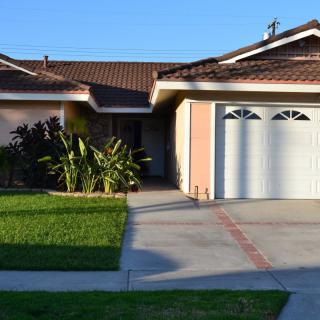
Eugenia's House in Long Beach, CA, is a charming board and care home designed to provide a nurturing and supportive environment for its residents. This welcoming community boasts a variety of amenities to ensure comfort and convenience, including a spacious dining room, fully furnished living areas, and beautifully maintained outdoor spaces and gardens where residents can relax and enjoy nature.

At Eugenia's House, we prioritize the well-being of our residents with comprehensive care services tailored to individual needs. Our dedicated staff offers assistance with activities of daily living such as bathing, dressing, and transfers. We also coordinate with healthcare providers to ensure each resident's medical requirements are met effectively. Specialized services include diabetes diet management, meal preparation that accommodates special dietary restrictions, medication management, and transportation arrangements for medical appointments.

The community fosters an engaging atmosphere through scheduled daily activities that promote social interaction and mental stimulation. Residents can enjoy the convenience of nearby amenities including two cafes, sixteen pharmacies, a physician’s office, four restaurants, and accessible transportation options.

Eugenia's House is more than just an assisted living facility; it's a warm home where individuals receive compassionate care while enjoying their independence in a supportive community setting. With features like housekeeping services and high-speed internet access, residents can focus on what matters most: their health and happiness.

Nearby Places of Interest

Pharmacies

  • CVS Pharmacy (0.5 miles)
  • CVS Pharmacy (1.1 miles)
  • Walgreens (1.1 miles)
  • Walgreens (2.2 miles)
  • CVS Pharmacy (2.2 miles)
  • Walgreens (3.2 miles)
  • Costco Vision Center (3.3 miles)

Cafes

  • Starbucks (1.5 miles)
  • Starbucks (4.4 miles)
  • Bopomofo Cafe (6.2 miles)
  • Lees Sandwiches - Gard (6.9 miles)
  • Starbucks (7.9 miles)
  • Donut King 2 (7.9 miles)
  • Starbucks (8.3 miles)

Restaurants

  • In-N-Out Burger (1.7 miles)
  • McDonald's (4.2 miles)
  • Falcon (4.8 miles)
  • Hooters (5 miles)
  • Yard House (5.2 miles)
  • Chick-Fil-A (6 miles)
  • Monkish Brewing (6.9 miles)

Transportation

  • Metro - Willow Street Station (2 miles)
  • Komar Aviation Group (2.2 miles)
  • Long Beach Airport (LGB) (2.9 miles)
  • Port Of Long Beach (6.9 miles)

Physicians

  • Paramount Physicians (3.8 miles)
  • Harbor Ucla Medical Center - David Durkovich Do (6 miles)
  • Monica B Espiritu M.D. | Kaiser Permanente (6.8 miles)
  • Dostzada, Ghulam Dr - Los Alamitos Cardiovascular (8.9 miles)
  • Lighthouse Pediatrics (9.2 miles)

Parks

  • Bixby Park (5 miles)
  • Rainbow Lagoon Park (5.1 miles)
  • Shoreline Aquatic Park (5.1 miles)
  • Bluff Park (5.6 miles)
  • Rossmoor Park (7 miles)
  • Sur La Brea Park (7.3 miles)
  • Temple Park (7.5 miles)

Theaters

  • Harkins Theatres Cerritos 16 (5.8 miles)
  • AMC Rolling Hills 2 (8.5 miles)
  • AMC Norwalk 2 (8.7 miles)
  • AMC Del Amo 18 (9 miles)

Hospitals

  • VA Long Beach Healthcare System (5.8 miles)
  • Martin Luther King Jr / Drew Medical Center (6.7 miles)
  • Rancho Los Amigos National Rehabilitation Center (6.7 miles)
  • Kaiser Permanente Hospital (6.7 miles)
  • PIH Health Hospital (7.6 miles)

Places of Worship

  • Saint Hedwig Catholic Church (7.4 miles)
  • Cottonwood Church (8.2 miles)
  • St Catherine Laboure Church (9.1 miles)

Frequently Asked Questions

How much does it cost to live at Eugenia's House in Long Beach, CA?
Where is Eugenia's House?

Nearby Communities

Related Resources

  • activities of daily livingComprehensive Insights into Activities of Daily Living (ADLs) and Their Assessment

    Activities of Daily Living (ADLs) are fundamental tasks vital for an individual's independence, particularly in older adults over 85, and include functions like bathing and dressing; assessing ADLs alongside Instrumental Activities of Daily Living (IADLs) helps determine the level of required assistance due to age-related health challenges. Tailored support plans, involving family and community resources, are essential for maintaining dignity and autonomy in assisted living environments.

  • does medicare pay for assisted livingMedicare Coverage for Assisted Living: An In-Depth Exploration

    Medicare does not cover assisted living costs, as it focuses on acute medical needs and short-term care, with exceptions for certain medically necessary services like physical therapy. Individuals must explore other options such as Medicaid, veterans' benefits, or long-term care insurance to manage these expenses effectively.

  • assisted living vs nursing homeChoosing the Right Senior Care: A Detailed Exploration of Assisted Living and Nursing Homes

    Choosing between assisted living and nursing homes involves evaluating emotional and financial factors, with assisted living offering independence and support for daily activities at a lower cost, while nursing homes provide intensive medical care for individuals with significant health needs. The decision is influenced by personal preferences, health status, cognitive function, and varying Medicaid coverage across states.