Overall Review of Courtyard Care Center - Signal Hill
common16 reviews mention this
Cleanliness stands out
Residents and visitors repeatedly describe the facility as clean and fresh.
Many reviewers highlight a consistently clean environment, often noting no lingering odor when they walked in. Several also connect that cleanliness with the overall professional feel of the building. A number of families describe the space as well kept, organized, and comfortable during visits.
common11 reviews mention this
Rehab and therapy are emphasized
Physical and occupational therapy receive frequent positive attention from residents and families.
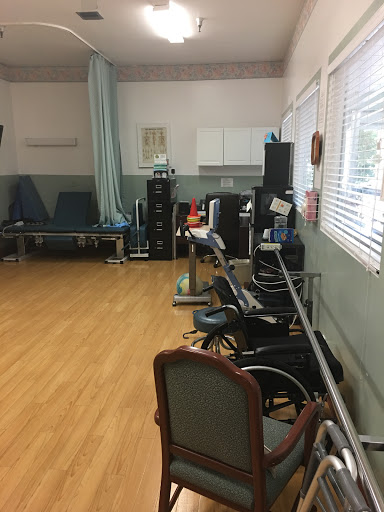
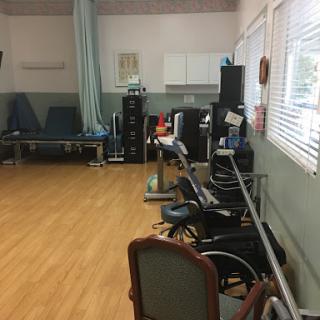
A recurring theme is strong hands-on rehab support, including physical therapy and occupational therapy. Reviewers also mention therapy rooms with equipment and describe therapists as friendly, helpful, and courteous. There are also mentions of rehab beyond mobility support, including speech therapy for swallowing needs.
common6 reviews mention this
Family communication feels consistent
Several families say staff updates them regularly about progress and needs.
Multiple reviewers describe communication as a key part of the experience, especially when a loved one is dealing with ongoing health issues. Some families say nurses and leaders keep them informed about progress, while others mention regular updates during a difficult stretch. A few also describe the admission and coordination process as supportive and responsive to family questions.
common4 reviews mention this
Diet support is tailored
Residents describe diet planning and meal support as a meaningful part of care.
Reviewers bring up meal support in several ways: enjoying the food, working with a dietician for a specific heart-focused diet, and receiving modified textures for swallowing needs. One reviewer credits the dietician with helping meet a personal weight-loss goal. Others describe food as adequate and mention how dietary changes supported comfort and recovery.
common4 reviews mention this
Courtyard and activities are mentioned
Outdoor space and scheduled activities show up in multiple accounts.
A handful of reviews describe time outdoors, including a courtyard with maintained grounds. Others mention a range of activities and activity spaces like an activity room and games. One reviewer also highlights speech therapy sessions tied to daily routines, reinforcing that therapy and activities are both part of everyday life for residents.
caveat2 reviews mention this
Communication can break down
A small number of reviews report serious concerns with care coordination and responsiveness.
Two reviewers express frustration about how concerns were handled, including situations involving medical deterioration and follow-through. One family describes difficulty advocating and being warned about discharge timing, while another reports issues such as dehydration and a catheter-related urinary infection during their loved one’s stay. These comments also describe communication as falling short during critical moments.
How we summarize
Counts show how many written reviews mention each theme; a review can touch several themes, and only frequently mentioned themes are displayed.
Features
Housing
59 resident community capacity
Types of Care
Assisted Living
Skilled Nursing Facility
Amenities
Air-conditioning
Beauty salon
Cable or satellite TV
Computer center
Dining room
Fitness room
Fully furnished
Gaming room
Garden
Housekeeping services
Kitchenette
Move-in coordination
Outdoor space
Private bathrooms
Restaurant-style dining
Small library
Telephone
Wellness center
Wi-Fi/high-speed internet available
Transportation
Long Beach (Daugherty) (2 miles away)
Los Angeles International (17 miles away)
John Wayne Orange Co (19 miles away)
Community operated transportation
Transportation arrangement
Transportation arrangement (non-medical)
Transportation to doctors appointments
Care Services
12-16 hour nursing
24-hour call system
24-hour supervision
Activities of daily living assistance
Assistance with bathing
Assistance with dressing
Assistance with transfers
Diabetes diet
Meal preparation and service
Medication management
Mental wellness program
Special dietary restrictions
Dining
Diabetes diet
Special dietary restrictions
Activities
Community-sponsored activities
Concierge services
Fitness programs
Planned day trips
Resident-run activities
Scheduled daily activities
Nearby Places of Interest
Pharmacies
Walgreens (0.9 miles)
CVS Pharmacy (1.4 miles)
Rite Aid (1.7 miles)
CVS Pharmacy (1.7 miles)
CVS Pharmacy (1.8 miles)
Walgreens (1.9 miles)
Rite Aid (2 miles)
Restaurants
Falcon (1.7 miles)
McDonald's (1.8 miles)
In-N-Out Burger (1.8 miles)
Hooters (2.5 miles)
Yard House (2.5 miles)
In-N-Out Burger (3.8 miles)
Ballast Point Long Beach (4.2 miles)
Parks
Bixby Park (1.8 miles)
Bluff Park (2.2 miles)
Rainbow Lagoon Park (2.4 miles)
Shoreline Aquatic Park (2.6 miles)
Rossmoor Park (5.1 miles)
Cerritos Regional County Park (7.3 miles)
Shadow Park Hoa (7.5 miles)
Transportation
Metro - Willow Street Station (1.8 miles)
Komar Aviation Group (1.8 miles)
Long Beach Airport (LGB) (2.2 miles)
Port Of Long Beach (4 miles)
Cafes
Starbucks (1.9 miles)
Starbucks (2.8 miles)
Starbucks (5.3 miles)
Bopomofo Cafe (6.5 miles)
Starbucks (8.2 miles)
Sidecar Doughnuts & Coffee (9.5 miles)
Lees Sandwiches - Gard (9.7 miles)
Hospitals
VA Long Beach Healthcare System (2.8 miles)
Kaiser Permanente Hospital (9.1 miles)
Rancho Los Amigos National Rehabilitation Center (9.5 miles)
Kindred Hospital Westminster (10 miles)
PIH Health Hospital (10.1 miles)
Martin Luther King Jr / Drew Medical Center (10.1 miles)
Places of Worship
Saint Hedwig Catholic Church (5.4 miles)
Cottonwood Church (6.6 miles)
Theaters
Harkins Theatres Cerritos 16 (6.4 miles)
AMC Rolling Hills 2 (9.4 miles)
AMC Norwalk 2 (10 miles)
Physicians
Paramount Physicians (6.5 miles)
Dostzada, Ghulam Dr - Los Alamitos Cardiovascular (7.2 miles)
Monica B Espiritu M.D. | Kaiser Permanente (7.4 miles)
Harbor Ucla Medical Center - David Durkovich Do (7.9 miles)
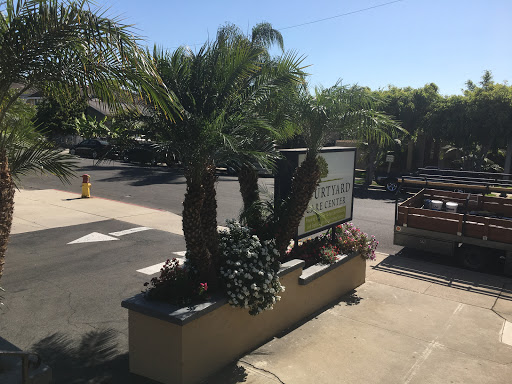
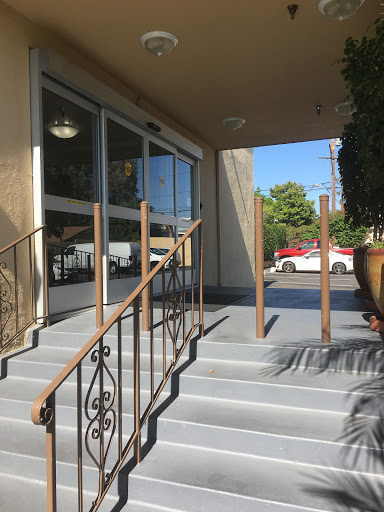
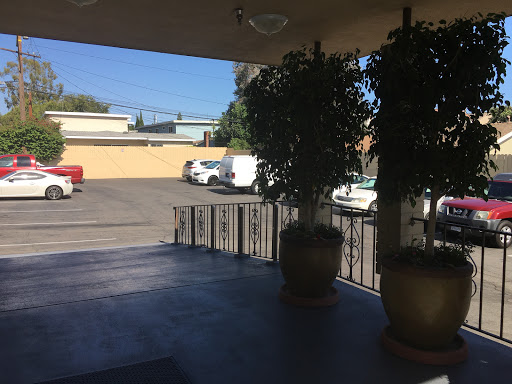
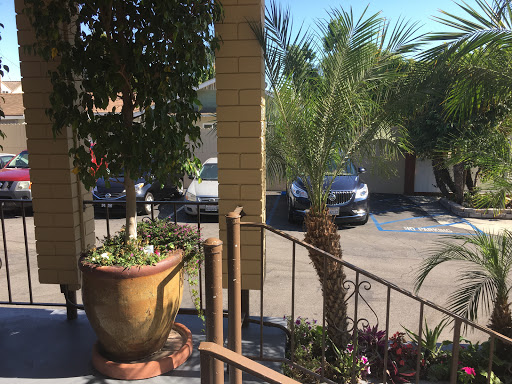
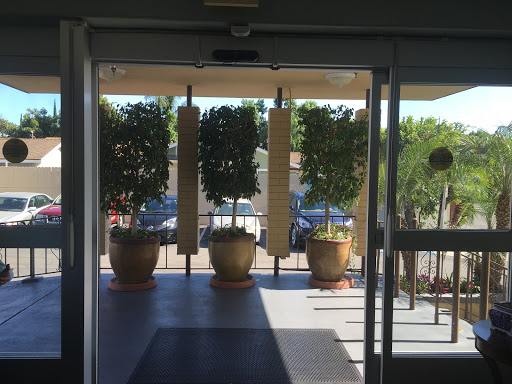
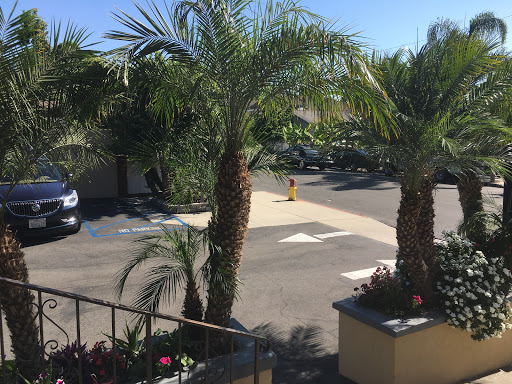
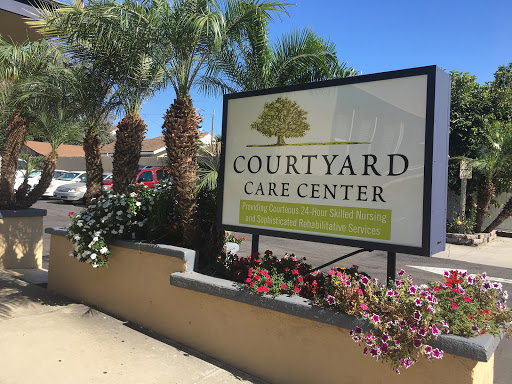
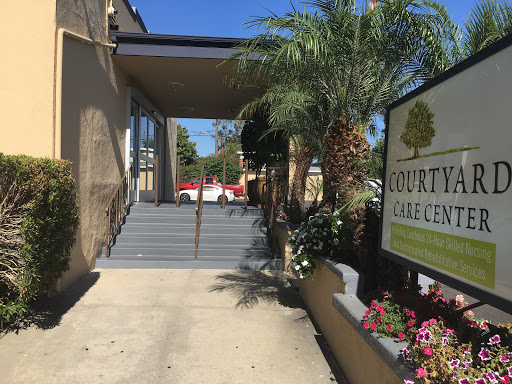
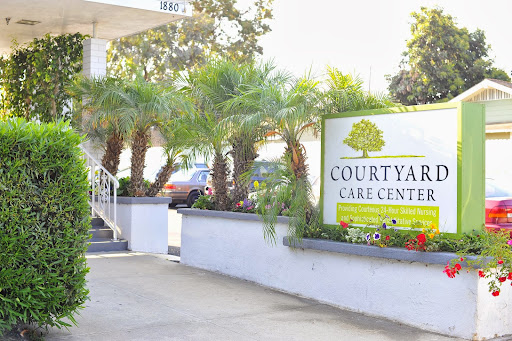
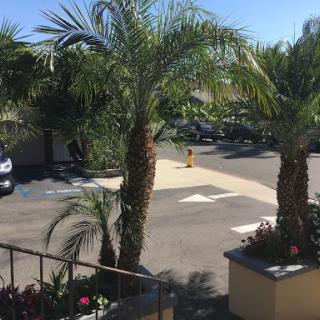
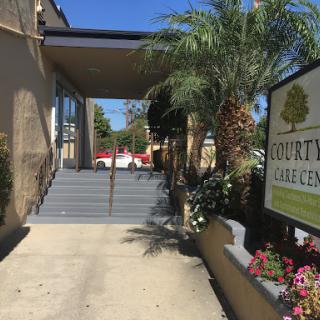
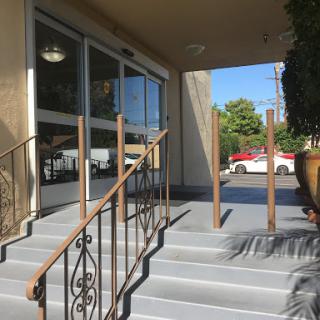
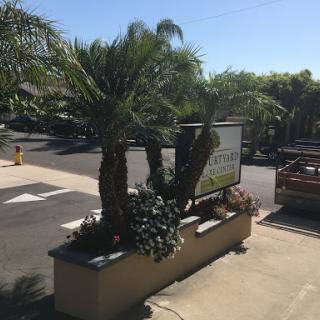
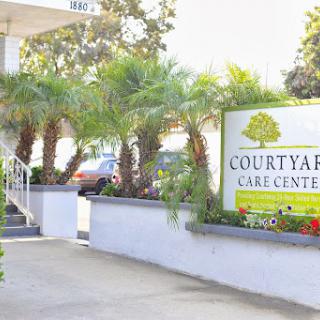
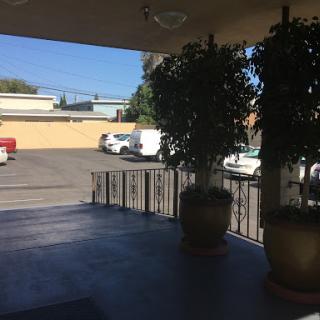
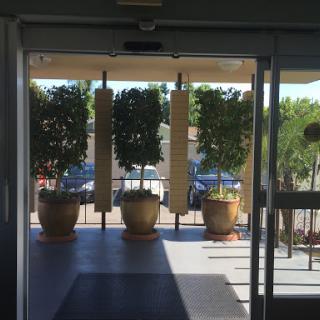
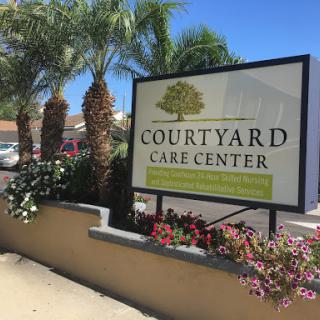
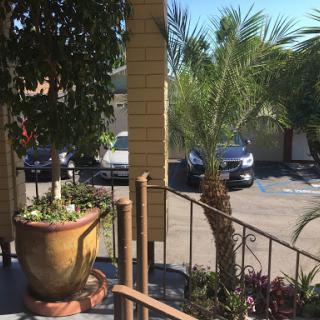
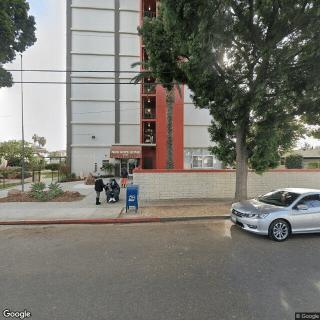
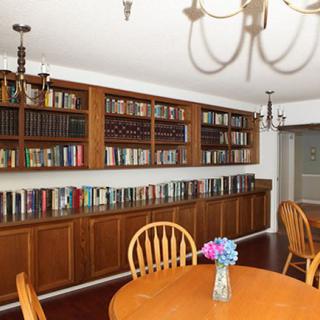
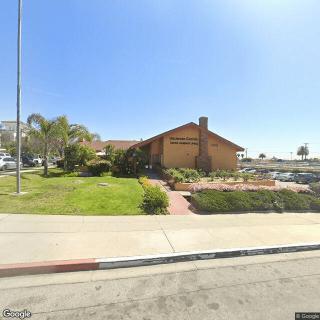
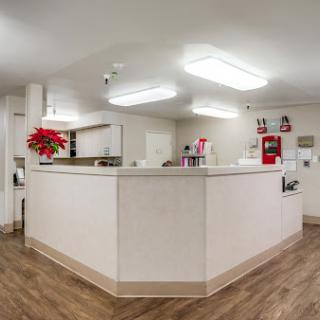
Courtyard Care Center - Signal Hill on seniors.fyi includes 10 photos including images showing palm trees, outdoor, entrance, building, parking, healthcare, landscaping, rehabilitation, and more.
Nearby Communities
ProCare 2000 Home Healthcare
Signal Hill, CA
5 from 2 reviews
Strong access to healthcare, dining, and transportation nearby.
Long Beach Post Acute
Long Beach, CA
4.7 from 34 reviews
Wide range of amenities and 24/7 supervision with personalized care
Accent Care
Signal Hill, CA
3 from 2 reviews
$3,500 / month
Affordable private-room rate with nearby parks, dining, pharmacies, and healthcare access.
New Hope Home Inc
Long Beach, CA
4.4 from 20 reviews
Convenient Long Beach location with nearby parks, cafes, pharmacies, restaurants, transportation options, and a nearby hospital.
Hacienda Grande Senior Assisted Living
Long Beach, CA
3.2 from 6 reviews
Comprehensive care and amenities with 24/7 supervision, nursing support, and multiple social activities.
Hacienda Grande
Long Beach, CA
4 from 21 reviews
$1,900 to $2,600 / month
Secure facility with friendly staff and solid amenities.
Marlora Post Acute Rehab Hosp
Long Beach, CA
4.1 from 80 reviews
Clean, well-maintained facility with attentive staff and strong physical therapy.
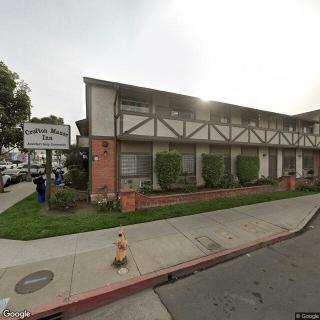
Crofton Manor Inn
Long Beach, CA
4.8 from 32 reviews
$1,200 to $2,000 / month
Professional, attentive staff in a spacious, home-like memory care setting with comprehensive amenities.
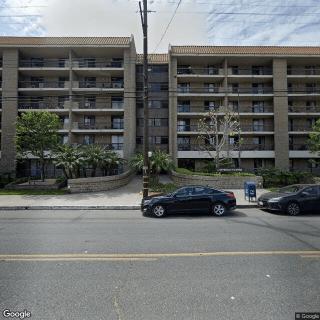
Lutheran Towers- Section 8/ HUD Hsg
Long Beach, CA
4.3 from 10 reviews
Strong access to dining, parks, pharmacies, transit options, and a nearby hospital.
Activities of Daily Living (ADLs) are fundamental tasks vital for an individual's independence, particularly in older adults over 85, and include functions like bathing and dressing; assessing ADLs alongside Instrumental Activities of Daily Living (IADLs) helps determine the level of required assistance due to age-related health challenges. Tailored support plans, involving family and community resources, are essential for maintaining dignity and autonomy in assisted living environments.
Family caregivers face emotional, legal, and practical challenges when elderly parents refuse assisted living, often due to fears of losing autonomy. Open conversations and professional assessments can help address these concerns while exploring alternatives and ensuring safety, potentially leading to legal guardianship if necessary.
Luxury assisted living offers high-quality senior care in a resort-like environment that combines essential medical support, gourmet dining, and personalized services to enhance residents' independence and well-being. These upscale facilities emphasize holistic health and community-building through customized care plans and social activities, catering to the growing demand for enriched senior living experiences despite higher costs.
Interior, Exercise Equipment, Waiting Area, Rehabilitation, and Therapy Room
Landscaping
Building
Architecture, Stairs, and Accessibility
Outdoor
Entrance
Outdoors and Urban
Natural Light and Potted Plants
Healthcare
Parking
Palm Trees
Get PricingAsk A QuestionSchedule A TourContact Senior Advisor
By clicking submit, you agree to our Partner's Terms of Use. You
also consent to receive calls and texts, which may be autodialed, from our Partner. Your consent is not a condition to
using our Partner's service. Please visit our Partner's Privacy Policy for information about their privacy practices.

 59 resident community capacity
 Assisted Living
 Skilled Nursing Facility
 Air-conditioning
 Beauty salon
 Cable or satellite TV
 Computer center
 Dining room
 Fitness room
 Fully furnished
 Gaming room
 Garden
 Housekeeping services
 Kitchenette
 Move-in coordination
 Outdoor space
 Private bathrooms
 Restaurant-style dining
 Small library
 Telephone
 Wellness center
 Wi-Fi/high-speed internet available
 Long Beach (Daugherty) (2 miles away)
 Community operated transportation
 12-16 hour nursing
 24-hour call system
 Activities of daily living assistance
 Assistance with bathing
 Assistance with dressing
 Assistance with transfers
 Diabetes diet
 Medication management
 Mental wellness program
 Special dietary restrictions
 Concierge services
 Planned day trips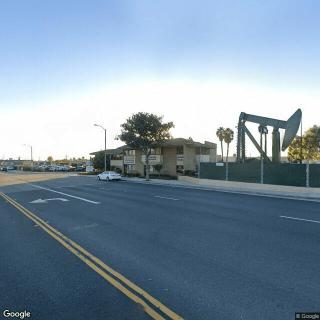
 Strong access to healthcare, dining, and transportation nearby.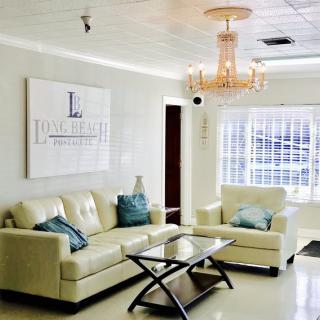

 Comprehensive Insights into Activities of Daily Living (ADLs) and Their Assessment
 Guiding Elderly Parents Who Refuse Assisted Living: 6 Practical Steps
 Your Comprehensive Guide to Luxury Assisted Living: Elevated Facilities, Amenities, and Costs