
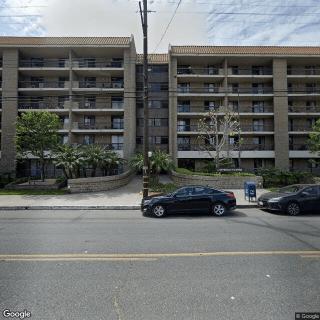
1903 Redondo Ave., Signal Hill, CA 90755
To contact a resident: (562) 494-6500
For more information about senior living options: (866) 208-4318
Overall Review of ProCare 2000 Home Healthcare
Pros
 ProCare 2000 is highly recommended for anyone seeking care for a loved one.
- They deliver wonderful service.
- They have provided 24/7 care for a loved one for about five years and have been excellent.
- They are prompt in answering questions and are very reachable and accessible.
Review
ProCare 2000 Home Healthcare in Signal Hill is best suited for families who want to keep a loved one safely at home while ensuring continuous, hands-on supervision. The patterns in the two available reviews show a clear advantage for households that prize proximity to care, consistent availability, and straightforward communication with the people running the agency. In particular, the 24/7 care trajectory over five years demonstrates a sustained commitment to round-the-clock oversight, not just occasional support. Families that value direct access to the owners and a personal, accountable service model will find this option especially compelling, given the emphasis on responsiveness and reliability.
Those weighing alternatives should consider situations where a facility-based environment might be preferable. If a senior requires frequent skilled nursing procedures, vibrant social programming, or a structured memory-care setting with built-in activities and peer interaction, an assisted living community, memory care residence, or skilled-nursing facility may deliver benefits that at-home care cannot. Costs, the desire for on-site medical teams, and the need for a broader range of on-site amenities are all practical factors that could tilt the decision toward a facility-based option rather than a home-health agency.
The primary strengths of ProCare 2000, its 24/7 availability, ease of reaching someone when questions arise, and the sense of continuity that comes from an owner-led operation, mitigate one of the most common concerns families have about at-home care: the anxiety over delays or unclear lines of communication. When concerns surface, the reviews repeatedly point to rapid, direct responses and a level of accessibility that reduces the cognitive load on family caregivers who are juggling schedules. In short, reliability and clear communication become the decisive counterweight to the inherent limitations of any in-home care arrangement.
Another standout factor is the long-tenured, service-oriented culture reflected in the reviews. The five-year track record of continuous 24/7 support signals not only consistency but also a willingness to adapt to shifting needs without forcing families into transitions. The characterization of service as “wonderful” further indicates a courteous, attentive approach that can translate into better daily management, fewer misunderstandings, and a smoother implementation of care plans. For families who fear turnover or fragmented care, this depth of familiarity with a loved one’s routine is a meaningful advantage.
While the reviews leave little to critique, it is prudent to acknowledge the potential gaps that families should verify directly. The materials do not spell out a formal scope of specialized medical services, therapy options, or memory-care protocols, nor do they detail staffing ratios or caregiver training standards. Prospective clients should confirm what level of clinical oversight can be provided and whether any particular conditions (for example, dementia progression or post-acute needs) require additional arrangements. That said, the strongest offset to these questions is the agency’s demonstrated agility, responsiveness, and personal accountability, attributes that often compensate for the absence of facility-based resources in many care scenarios.
In sum, ProCare 2000 Home Healthcare offers a robust path for families prioritizing constant, accessible in-home care with direct owner involvement and a proven, long-running commitment to service. It is a compelling match for those who want continuous supervision without abandoning the familiarity of home. Those seeking a living environment rich in social opportunities, formal memory-care programming, or on-site medical facilities may want to explore alternatives and compare cost, breadth of services, and care philosophy. The prudent course is to arrange an in-person discussion, request a detailed care plan, meet the care team, review references, and verify that the chosen option aligns with the specific medical needs, social expectations, and budget of the loved one.
 Long Beach (Daugherty) (2 miles away)

 Essential Knowledge on Pneumonia in Older Adults
 Exploring Palliative Care in the Home: A Comprehensive Overview
 Comprehensive Insights into Palliative Home Care: What It Is and What to Expect