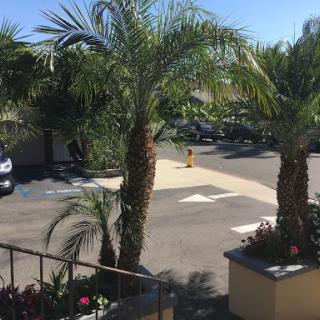
Pacific Palms Healthcare in Long Beach, CA

Save
Pacific Palms Healthcare

Pacific Palms Healthcare in Long Beach, CA

Information last verified:

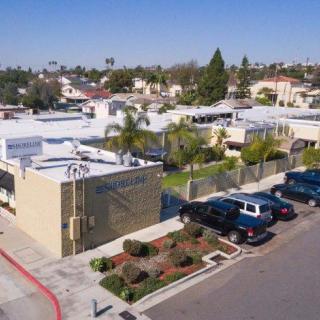
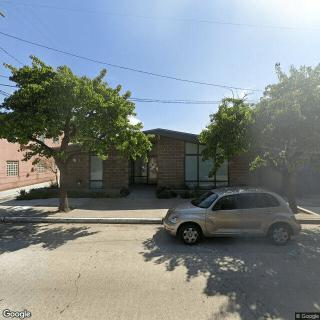
1020 Termino Avenue, Long Beach, CA 90804

For more information about senior living options: (844) 490-3973

4 from 75 reviews
5 stars
48
4 stars
9
3 stars
3
2 stars
1
1 stars
14

Seniors.FYI Elite Community Awards

Top 5% Senior Living Community in 2026

Add this award to your website

Overall Review of Pacific Palms Healthcare

Pros

  • pro Pacific Palms has a warm, welcoming atmosphere with staff who build relationships and make residents feel at home.
  • pro The therapy team is outstanding, dedicated, and effective in helping residents regain strength.
  • pro The nursing staff are attentive and keep families informed every step of the way.
  • pro The facility is clean, well-maintained, and committed to infection control.
  • pro Residents receive personalized care from compassionate doctors, nurses, and aides.
  • pro The staff bend over backwards to meet residents’ needs.
  • pro The social workers are amazing at coordinating care and post-discharge plans.
  • pro The recreation and activities department provides engaging programs that residents enjoy.
  • pro The wound care and rehabilitation teams are exceptional.
  • pro Management, including the DON, is hands-on and genuinely cares about patients.

Cons

  • pro They say the staff were rude, unprofessional, and poorly educated.
  • pro They describe the facility as dingy, smelly, and filthy.
  • pro They report long waits for assistance and residents being left unattended.
  • pro They claim there are not enough staff to attend to all residents, compromising safety.
  • pro They note belongings are lost or missing, including clothing and personal items.
  • pro They recount residents being left in urine or feces without timely help.
  • pro They criticize the food as subpar or atrocious.

Review

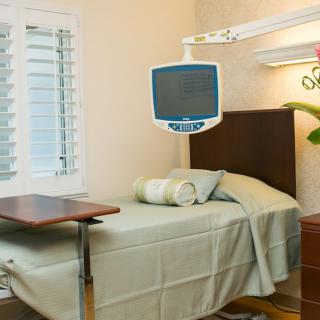
Pacific Palms Healthcare in Long Beach is best suited for families prioritizing a proven rehab-focused environment where a warm, practical culture supports recovery. It suits those seeking skilled nursing care with a robust rehabilitation program, especially after hip fractures, surgeries, or other events that require mobilization and strength rebuilding. The center earns high marks for continuity: a DON and rehab leadership team who are accessible, therapists who push for real gains, and caregivers who strive to treat residents like people first. The atmosphere frequently described is homey and relationship-driven, not clinical or distant, with staff who remember names and progress, which can be a meaningful differentiator for families navigating this transition. Long-term stays can work for residents who value stable routines, strong family communication, and meaningful social programming. Prospective residents should recognize that the building is not a luxury resort, and room-sharing is common; those who crave intensive one-on-one privacy may want to weigh alternative options.

The standout positives center on leadership visibility, a capable rehab department, and a culture of genuine care. The DON and ADON are repeatedly praised for being present, responsive, and collaborative with families. The therapy team, physical, occupational, and speech, consistently receives enthusiastic endorsements for expertise and for driving functional gains. Cleanliness and ongoing infection-control practices emerge as consistent strengths, with families noting a sense of order and hygiene across common areas and patient rooms. Family members frequently describe communication as a strong point: timely updates, clear explanations, and coordinated discharge planning. The social workers and activity staff are highlighted for helping families navigate transitions, managing logistics, and providing engagement that keeps residents connected and motivated. In short, the combination of skilled clinicians, responsive management, and a nurturing environment creates measurable rehab momentum and a sense of security for relatives.

However, not every experience aligns with the strongest reviews. A meaningful subset of families recount concerns about staffing consistency and response times, particularly when multiple residents require attention. Some reviews describe overcrowded rooms and privacy challenges that complicate daily care and admitted expectations. Food quality appears variably perceived, with some diners praising variety and others characterizing meals as bland or unappealing, which matters for appetite and overall recovery. On the safety and operations front, several accounts point to issues around item management, care transitions, and occasional lapses in attention to meds or timely assistance. While many families praise the leadership team, the spectrum of experiences suggests that care quality can fluctuate with shifts and staffing levels. These mixed reports reinforce the need for families to be actively involved and to verify daily routines and care plans during a stay.

For families weighing alternatives, Pacific Palms deserves a careful comparison against other skilled-nursing options in the greater Los Angeles area. Some reviewers point to facilities with consistently stronger day-to-day operations or more streamlined administrative processes, where oversight and staffing are perceived as more reliable. For those who are concerned about long-term consistency, or who require a facility with a highly controlled environment and transparent, folder-by-folder accountability, evaluating other centers, potentially those with reputations for steadier staffing, may be prudent. The on-site medical collaboration in several accounts is a notable advantage, particularly when managed care plans are involved, but it does not automatically resolve ongoing questions about staffing harmony and operational clarity. In short, Pacific Palms can deliver exceptional rehab and a compassionate culture, but families should scrutinize staffing patterns and leadership engagement before signing.

Practical, action-oriented guidance can tilt the odds toward a positive outcome. Begin with a scheduled visit to meet the DON, the Rehabilitation Director, and the case-management team to hear about staffing ratios, shift coverage, and how urgent needs are addressed. Request to observe a therapy session and ask for a transparent breakdown of daily routines, including how frequently residents are moved or repositioned, how medications are managed, and how personal belongings are safeguarded. Bring a list of specific questions about meals and dietary accommodations, activity programming, and family communication to ensure alignment with the loved one’s preferences. Engage social workers early to map post-discharge care and home supports, and establish a clear line of contact for weekly updates during the first weeks of care. Finally, set expectations around privacy, room assignments, and the process for escalating concerns, so the care plan remains responsive to evolving needs.

Ultimately, Pacific Palms Healthcare presents a compelling blend of skilled rehabilitation, compassionate nursing, and a family-centered ethos that resonates with many families. For those who prize tangible rehab outcomes, consistent communication, and a warm, engaging environment, this center stands as a credible Long Beach option with a track record of meaningful progress and strong patient advocacy. Yet the experience is not uniform, and potential residents should approach with measured caution, pairing optimism with due diligence. The strongest outcomes emerge when caregiving is backed by stable staffing, proactive leadership, and vigilant family involvement. Those who move forward should do so with concrete expectations about staffing reliability, care coordination, and personal-item security, and should leverage the facility’s social-work and therapy resources to tailor a plan that fits the loved one’s unique needs. With careful screening and active engagement, Pacific Palms can be a solid platform for recovery and ongoing senior care in a community many families come to trust and recommend.

Features

Housing

  • 133 resident community capacity 133 resident community capacity

Types of Care

  • Skilled Nursing Facility Skilled Nursing FacilitySkilled Nursing Facilities are crucial for seniors as they provide round-the-clock medical care, rehabilitation services, and assistance with daily activities. These facilities ensure that seniors receive the specialized care they need to maintain their health and well-being as they age.

Amenities

  • Air-conditioning Air-conditioningAir conditioning is important for seniors as they are more vulnerable to heat-related illnesses and may have underlying health conditions that make it difficult for them to regulate their body temperature. It helps to keep them comfortable, safe, and healthy in hot weather.
  • Beauty salon Beauty salonBeauty salons are important for seniors because they provide a space for them to feel pampered, socialize, and maintain their personal grooming and hygiene. Regular visits to a beauty salon can help boost seniors' self-esteem and overall well-being.
  • Cable or satellite TV Cable or satellite TVCable or satellite TV is important for seniors because it provides entertainment, news, and companionship, helping to combat loneliness and boredom. It also offers a wide range of programming options tailored to different interests and preferences.
  • Computer center Computer centerA computer center is essential for seniors as it provides access to technology, communication tools, and resources that can enhance their daily lives. It allows them to stay connected with loved ones, engage in online activities, and learn new skills, ultimately promoting socialization and mental stimulation.
  • Dining room Dining roomDining rooms are important for seniors as they provide a space for socialization, connection, and nutritious meals. They offer opportunities for residents to bond over shared meals, foster a sense of community, and promote healthy eating habits. Dining rooms also ensure that seniors have access to well-balanced meals tailored to their dietary needs and preferences.
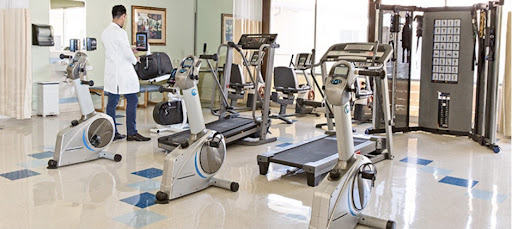
  • Fitness room Fitness roomHaving a fitness room in a senior living community is essential for seniors to stay active, maintain their physical health, and improve their overall well-being. Regular exercise can help prevent falls, reduce the risk of chronic diseases, and promote mental sharpness. It also provides social opportunities for residents to connect with others and enjoy a sense of community.
  • Fully furnished Fully furnishedFully furnished senior living communities are important for seniors because they provide convenience, comfort, and a hassle-free moving experience. Seniors can easily settle into their new living space without the stress of having to buy and move furniture. This allows them to focus on enjoying their new home and community.
  • Gaming room Gaming roomGaming rooms are important for seniors as they provide a fun and engaging environment for socializing, cognitive stimulation, and physical activity. Games can improve memory, problem-solving skills, and overall mental well-being while fostering friendships and reducing feelings of isolation.
  • Garden GardenGardens are important for seniors as they provide a peaceful and therapeutic environment for relaxation, physical activity, and socialization. Being in nature has been shown to reduce stress, improve mood, and promote overall well-being. Gardens also offer opportunities for seniors to engage in gardening activities, which can improve mobility, flexibility, and cognitive function. Additionally, gardens create a sense of community and connection with others who share a passion for plants and outdoor spaces.
  • Housekeeping services Housekeeping servicesHousekeeping services are important for seniors because they help maintain a clean and safe living environment, promote independence, and reduce the risk of accidents or illnesses. Additionally, having assistance with household chores can alleviate physical strain and allow seniors to focus on other aspects of their well-being.
  • Kitchenette KitchenetteKitchenettes are important for seniors living in senior living communities because they provide the convenience and independence of being able to prepare simple meals and snacks in the comfort of their own living space. This can help promote a sense of autonomy and well-being for seniors, allowing them to maintain some level of control over their dietary choices and daily routines.
  • Move-in coordination Move-in coordinationMove-in coordination is important for seniors because it helps ease the transition into their new living environment. It ensures that all logistics, such as packing, organizing movers, and setting up utilities are taken care of, allowing seniors to focus on settling in and adjusting to their new home. Having a smooth move-in process can alleviate stress and anxiety, making the transition smoother and more enjoyable for seniors.
  • Outdoor space Outdoor spaceOutdoor spaces are important for seniors as they provide opportunities for physical activity, social interaction, exposure to natural light and fresh air, and a sense of connection to nature. Having access to outdoor spaces can improve overall well-being and quality of life for older adults living in senior communities.
  • Private bathrooms Private bathroomsPrivate bathrooms are important for seniors in senior living communities because they provide independence, dignity, and comfort. Having a private bathroom allows seniors to maintain their personal hygiene routines without the need for assistance, promoting a sense of autonomy and privacy. Additionally, private bathrooms help prevent the spread of infections and provide a safe and clean environment for seniors to navigate safely.
  • Restaurant-style dining Restaurant-style diningRestaurant-style dining is important for seniors because it allows them to enjoy delicious, nutritious meals in a social and upscale setting. This enhances their dining experience, promotes healthy eating habits, and fosters socialization with fellow residents, ultimately contributing to their overall well-being and quality of life.
  • Small library Small librarySmall libraries are important for seniors as they provide access to a variety of reading materials, including books, newspapers, and magazines. This can help stimulate their minds, keep them engaged, and provide a sense of community through book clubs and other social activities. Additionally, reading has been shown to improve cognitive function and overall mental well-being in older adults.
  • Telephone TelephoneTelephones are important for seniors as they provide a lifeline for communication with loved ones, emergency services, and healthcare providers. They offer a sense of security and independence, enabling seniors to stay connected and access assistance when needed.
  • Wellness center Wellness centerWellness centers are important for seniors because they offer a variety of programs and services that promote physical, mental, and emotional well-being. These centers provide opportunities for exercise, socialization, education, and relaxation, helping seniors maintain their overall health and quality of life.
  • Wi-Fi/high-speed internet available Wi-Fi/high-speed internet availableWi-Fi/high-speed internet is important for seniors to stay connected with loved ones, access online resources, and participate in virtual activities to combat feelings of loneliness and isolation. It also allows them to easily manage healthcare needs, access entertainment, and engage in lifelong learning opportunities.

Transportation

  • Long Beach (Daugherty) (3 miles away) Long Beach (Daugherty) (3 miles away)
  • John Wayne Orange Co (17 miles away) John Wayne Orange Co (17 miles away)
  • Los Angeles International (19 miles away) Los Angeles International (19 miles away)
  • Community operated transportation Community operated transportationCommunity operated transportation is crucial for seniors as it provides them with the means to access essential services, social activities, and medical appointments. It allows seniors to maintain their independence and quality of life by ensuring they can participate in activities outside of their homes. Additionally, community-operated transportation services offer a safe and reliable way for seniors to travel without having to rely on family or friends for assistance.
  • Transportation arrangement Transportation arrangementTransportation arrangements are crucial for seniors as they may face challenges with driving, mobility, or access to public transportation. Having reliable transportation services ensures that seniors can easily attend appointments, social activities, and maintain their independence and quality of life.
  • Transportation arrangement (non-medical) Transportation arrangement (non-medical)Transportation arrangements are essential for seniors as they provide access to essential services, activities, and social interactions outside the home. This service helps maintain independence, mobility, and overall well-being for seniors who may have limited transportation options.
  • Transportation to doctors appointments Transportation to doctors appointmentsTransportation to doctors appointments is crucial for seniors as it ensures they have access to necessary medical care and support, promoting their health and well-being. It allows them to receive timely treatment, monitor existing conditions, and address any new health concerns efficiently. Additionally, transportation services can help seniors maintain their independence and quality of life by enabling them to stay connected with their healthcare providers.

Care Services

  • 12-16 hour nursing 12-16 hour nursing12-16 hour nursing care is crucial for seniors in order to ensure around-the-clock monitoring, timely medication administration, and prompt response to any health concerns or emergencies. This level of care helps to promote the overall well-being and safety of seniors living in senior living communities.
  • 24-hour call system 24-hour call system24-hour call systems are important for seniors because they provide peace of mind and immediate assistance in case of emergencies. This technology ensures that help is always available, promoting safety and security for elderly individuals living alone or in assisted living facilities.
  • 24-hour supervision 24-hour supervision24-hour supervision is important for seniors to ensure their safety, well-being, and access to immediate assistance in case of emergencies or health issues. This constant support provides peace of mind for both seniors and their loved ones, allowing them to age in place with dignity and security.
  • Activities of daily living assistance Activities of daily living assistanceActivities of daily living assistance are important for seniors because they provide essential support with tasks such as eating, bathing, dressing, and mobility. This assistance helps seniors maintain their independence, dignity, and overall quality of life as they age.
  • Assistance with bathing Assistance with bathingAssistance with bathing is crucial for seniors as it helps maintain personal hygiene, prevents infections, and ensures their overall well-being and comfort. It also provides a sense of dignity and independence for seniors who may struggle with this task on their own.
  • Assistance with dressing Assistance with dressingAssistance with dressing is important for seniors because it helps maintain their independence, promotes personal hygiene, prevents accidents and injuries, and improves overall quality of life. This service ensures that seniors can continue to dress comfortably and confidently, despite any physical limitations they may have.
  • Assistance with transfers Assistance with transfersAssistance with transfers is crucial for seniors as it helps prevent falls and injuries, maintains their independence, and ensures they can safely navigate their living environment. It also provides peace of mind for both seniors and their loved ones.
  • Diabetes diet Diabetes dietA diabetes diet is crucial for seniors as it helps manage blood sugar levels, reduce risks of complications, and improve overall health and well-being. By following a balanced and nutritious diet tailored to their specific needs, seniors can better control their diabetes and enhance their quality of life.
  • Meal preparation and service Meal preparation and serviceMeal preparation and service are crucial for seniors as they may have limited mobility or energy to cook nutritious meals. Having access to healthy and convenient food options can ensure they are getting the proper nutrition needed to maintain their overall health and well-being.
  • Medication management Medication managementMedication management is crucial for seniors to ensure they are taking the right medications at the correct dosages and times. This helps prevent adverse drug interactions, reduces the risk of medication errors, and promotes overall health and well-being. Proactive management also allows for adjustments as needed based on changing health conditions or new prescriptions.
  • Mental wellness program Mental wellness programMental wellness programs are essential for seniors as they promote cognitive stimulation, emotional support, and social engagement. These programs help prevent isolation, depression, and cognitive decline, ultimately enhancing the overall quality of life for older adults.
  • Special dietary restrictions Special dietary restrictionsSpecial dietary restrictions are important for seniors because age-related changes in metabolism and health conditions can make it difficult for their bodies to process certain foods. By following a diet tailored to their specific needs, seniors can maintain their overall health and well-being, manage chronic conditions, and reduce the risk of complications such as malnutrition or food interactions with medications.

Dining

  • Diabetes diet Diabetes dietA diabetes diet is crucial for seniors as it helps manage blood sugar levels, reduce risks of complications, and improve overall health and well-being. By following a balanced and nutritious diet tailored to their specific needs, seniors can better control their diabetes and enhance their quality of life.
  • Special dietary restrictions Special dietary restrictionsSpecial dietary restrictions are important for seniors because age-related changes in metabolism and health conditions can make it difficult for their bodies to process certain foods. By following a diet tailored to their specific needs, seniors can maintain their overall health and well-being, manage chronic conditions, and reduce the risk of complications such as malnutrition or food interactions with medications.

Activities

  • Community-sponsored activities Community-sponsored activitiesCommunity-sponsored activities are important for seniors as they provide opportunities for social interaction, mental stimulation, and physical activity. These activities can help improve overall well-being, combat loneliness and isolation, and promote a sense of belonging and purpose among older adults.
  • Concierge services Concierge servicesConcierge services are essential for seniors as they provide assistance with daily tasks and errands, enhance their quality of life by offering convenience and personalized care, and promote a sense of safety and security.
  • Fitness programs Fitness programsFitness programs are crucial for seniors as they help improve strength, flexibility, balance, and overall well-being. Staying active can reduce the risk of chronic diseases, improve mental health, and enhance quality of life in older adults.
  • Planned day trips Planned day tripsPlanned day trips are important for seniors because they offer opportunities for socialization, mental stimulation, and physical activity. They provide a change of scenery and help seniors stay engaged and connected to their community, promoting overall well-being and quality of life.
  • Resident-run activities Resident-run activitiesResident-run activities are important for seniors as they encourage social interaction, creativity, and a sense of autonomy. These activities empower seniors to stay engaged and active in their community while fostering meaningful connections with their peers.
  • Scheduled daily activities Scheduled daily activitiesScheduled daily activities are important for seniors because they provide structure, socialization, mental stimulation, and physical activity. Engaging in regular activities can improve overall well-being and quality of life for seniors living in a community setting.

Description

Pacific Palms Healthcare in Long Beach, CA is an exceptional assisted living community offering a wide range of amenities and care services to cater to the comfort and wellbeing of its residents. The community boasts an array of amenities such as a beauty salon, cable or satellite TV, a computer center, a fitness room, fully furnished accommodations, a gaming room, and a small library. Residents can also enjoy delicious meals in the dining room with restaurant-style dining options.

Pacific Palms Healthcare provides comprehensive care services that include 24-hour call systems for immediate assistance, around-the-clock supervision to ensure the safety of all residents, and assistance with daily activities such as bathing, dressing, and transfers. The highly trained staff also manages medication administration and offers support for special dietary restrictions like diabetes diets.

Residents at Pacific Palms Healthcare can engage in various activities designed to promote physical fitness and mental wellness. They can participate in fitness programs and join scheduled daily activities organized by the community. Additionally, concierge services are available to assist residents with planning day trips and organizing resident-run activities.

The convenient location of Pacific Palms Healthcare adds to its appeal, with many cafes, parks, pharmacies, restaurants and transportation options nearby. This allows residents easy access to essential services while enabling them to explore their surroundings. Furthermore, there is also a place of worship and hospital conveniently located close by.

Overall, Pacific Palms Healthcare provides a vibrant community where residents can live comfortably while receiving personalized care and enjoying numerous amenities and engaging activities.

Nearby Places of Interest

Pharmacies

  • Walgreens (0.5 miles)
  • CVS Pharmacy (0.8 miles)
  • Rite Aid (1.4 miles)
  • CVS Pharmacy (1.5 miles)
  • Rite Aid (1.6 miles)
  • CVS Pharmacy (1.6 miles)
  • Rite Aid (2 miles)

Parks

  • Bluff Park (1.3 miles)
  • Bixby Park (1.6 miles)
  • Rainbow Lagoon Park (2.7 miles)
  • Shoreline Aquatic Park (3 miles)
  • Rossmoor Park (4.2 miles)
  • Cerritos Regional County Park (6.9 miles)
  • Shadow Park Hoa (7.2 miles)

Hospitals

  • VA Long Beach Healthcare System (1.5 miles)
  • Kindred Hospital Westminster (8.7 miles)
  • Kaiser Permanente Hospital (9.7 miles)
  • Rancho Los Amigos National Rehabilitation Center (10.4 miles)

Restaurants

  • Falcon (1.8 miles)
  • In-N-Out Burger (2.4 miles)
  • McDonald's (2.5 miles)
  • Yard House (2.9 miles)
  • Ballast Point Long Beach (2.9 miles)
  • Hooters (3 miles)
  • In-N-Out Burger (3.1 miles)

Cafes

  • Starbucks (2.5 miles)
  • Starbucks (3.8 miles)
  • Starbucks (3.9 miles)
  • Bopomofo Cafe (6.4 miles)
  • Starbucks (8 miles)
  • Starbucks (8.5 miles)
  • Starbucks (8.8 miles)

Transportation

  • Long Beach Airport (LGB) (2.7 miles)
  • Komar Aviation Group (2.7 miles)
  • Metro - Willow Street Station (3.2 miles)
  • Port Of Long Beach (3.8 miles)

Places of Worship

  • Saint Hedwig Catholic Church (4.4 miles)
  • Cottonwood Church (5.6 miles)

Physicians

  • Dostzada, Ghulam Dr - Los Alamitos Cardiovascular (6.3 miles)
  • Paramount Physicians (7.3 miles)
  • Monica B Espiritu M.D. | Kaiser Permanente (8.6 miles)
  • Harbor Ucla Medical Center - David Durkovich Do (9.3 miles)

Theaters

  • Harkins Theatres Cerritos 16 (6.4 miles)
  • Century Huntington Beach And Xd (9.3 miles)
  • AMC Norwalk 2 (10.2 miles)

Frequently Asked Questions

Where is Pacific Palms Healthcare?

Nearby Communities

  • Shoreline Healthcare Center

    Shoreline Healthcare Center

    Long Beach, CA

    4.9 from 111 reviews
     

    pro Pleasant, clean environment with attentive, genuine care.

  • Marlora Post Acute Rehab Hosp

    Marlora Post Acute Rehab Hosp

    Long Beach, CA

    4.1 from 77 reviews
     

    pro Clean, well-maintained facility with attentive staff and strong physical therapy.

  • Williams and Williams Homecare

    Williams and Williams Homecare

    Long Beach, CA


    pro Exceptional 24/7 staff delivering personalized, compassionate care.

  • ProCare 2000 Home Healthcare

    ProCare 2000 Home Healthcare

    Long Beach, CA

    5 from 2 reviews
     

    pro Convenient access to amenities, parks, pharmacies, transit, worship, and a hospital.

  • Alamitos Belmont Rehab Hospital

    Alamitos Belmont Rehab Hospital

    Long Beach, CA

    4.8 from 110 reviews
     

    pro 24/7 supervision with ADL assistance, medication management, and restaurant-style dining.

  • Belmont Heights Manor

    Belmont Heights Manor

    Long Beach, CA


    pro Convenient access to cafes, parks, pharmacies, restaurants, transportation, places of worship, and healthcare nearby.

  • Lutheran Towers- Section 8/ HUD Hsg

    Lutheran Towers- Section 8/ HUD Hsg

    Long Beach, CA

    4.3 from 10 reviews
     

    pro Strong access to dining, parks, pharmacies, transit options, and a nearby hospital.

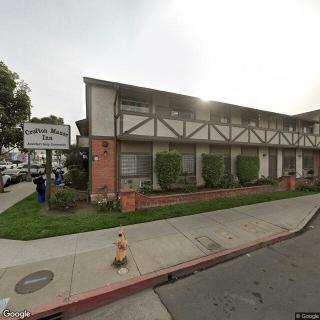
  • Crofton Manor Inn

    Crofton Manor Inn

    Long Beach, CA

    4.8 from 32 reviews
    $1,200 to $2,000 / month

    pro Professional, attentive staff in a spacious, home-like memory care setting with comprehensive amenities.

  • Courtyard Care Center - Signal Hill

    Courtyard Care Center - Signal Hill

    Signal Hill, CA

    4.5 from 69 reviews
     

    pro Friendly staff, clean environment, and engaging rehab-focused activities.

Related Resources

  • senior move managementSenior Move Management: Understanding the Role, Value, and Associated Costs

    Senior move management provides specialized support for older adults relocating by assisting with logistics, emotional challenges, and downsizing decisions to ensure a smooth transition to new living environments. These services address the unique needs of seniors and have become increasingly important as baby boomers retire and seek to downsize.

  • weight training for seniorsWeight Training for Seniors: Building Strength and Vitality

    Weight training is vital for seniors to maintain muscle mass, bone density, and overall health, combating age-related declines through customized resistance exercises that enhance balance and well-being. Safe routines should start with realistic goals and proper form, while emphasizing gradual progress and consultations with healthcare providers to ensure safety and effectiveness.

  • what does the sandwich generation meanUnderstanding the Sandwich Generation: Stress and Responsibilities for Multigenerational Caregivers
    The Sandwich Generation comprises adults managing the dual responsibilities of caring for aging parents and raising children, leading to significant emotional, logistical, and financial challenges. This situation is exacerbated by longer life expectancies and cultural expectations, necessitating effective coping strategies and support resources to alleviate caregiver stress and burnout.