Rose Garden Villa II offers a range of accommodations at prices that reflect its premium services and amenities compared to both Los Angeles County and the broader California market. For semi-private rooms, Rose Garden Villa II charges $3,800 per month, which is notably higher than the county average of $3,349 and the statewide average of $3,333. If you're considering a private room, expect to pay $5,000 at Rose Garden Villa II - this is above the county's price of $4,197 and California's average of $3,939. For those seeking more space with a one-bedroom option, the cost is set at $6,000 monthly; again, this exceeds both Los Angeles County's average of $4,603 and California's average of $4,340. While these rates may be on the higher side, they reflect the quality care and supportive environment that residents can expect at Rose Garden Villa II.
Floor plans
Rose Garden Villa II
Los Angeles County
California
Semi-Private
$3,800
$3,349
$3,333
Private
$5,000
$4,197
$3,939
1 Bedroom
$6,000
$4,603
$4,340
Memory care communities with a similar price nearby
Residents and families repeatedly describe staff who are kind, attentive, and easy to work with.
Across the reviews, people describe a responsive team that takes time to answer questions and support residents day to day. Several reviewers highlight attention to residents’ comfort and needs, with staff treating people with dignity and respect. Communication also comes up, including updates from the healthcare team and feeling involved in care.
common22 reviews mention this
Cleanliness stands out on visits
Many reviewers specifically call out the facility’s cleanliness and well-kept condition.
Multiple reviews mention that the building looks and feels clean, well-maintained, and in good condition. Tour and visit experiences often include first impressions like cleanliness and welcoming spaces, and other reviewers reinforce the same point when describing their loved one’s stay. Housekeeping is also mentioned as a reason the facility looks and smells great.
differentiator5 reviews mention this
Rehab therapy support is praised
Reviews highlight physical therapy and rehab teams focused on recovery and progress.
A number of reviews specifically praise the physical therapy and rehab teams as skilled, supportive, and engaged in recovery. Reviewers describe noticeable help with mobility and getting back independence, along with professional, patient-focused care. In several stories, therapy coordination appears tied to how well residents are treated overall.
common8 reviews mention this
Dietitian and meal support matter
Residents and families frequently mention diet support, including guidance from the dietitian.
Reviews repeatedly connect the dining experience to nutrition support, with several calling out help from the dietitian and personalized meal guidance. People mention dietary needs being handled and preferences being considered, including suggestions that helped with better eating habits. This aligns with the community offering meals and specialized diets such as diabetes-focused and other restrictions.
common11 reviews mention this
Activities keep residents engaged
Many reviews describe fun, interactive activities that help residents stay engaged.
Activities come up often, with reviewers describing a lively environment and residents who appear happy while participating. Several comments mention planned activities and daily programs that keep people engaged, rather than a quiet, passive routine. The community also provides scheduled daily activities and both on-site and off-site options, which matches what families say they can see during visits.
caveat1 reviews mention this
Room rates vary by unit type
Pricing changes meaningfully by room type compared with local benchmarks.
One reviewer calls the price competitive, but the broader pricing details vary across unit types. Semi-private pricing runs above county and above state levels, while private and 1-bedroom pricing trends lower versus those benchmarks. If you’re comparing options, it’s worth checking the specific room type you’re considering rather than relying on a single headline number.
How we summarize
Counts show how many written reviews mention each theme; a review can touch several themes, and only frequently mentioned themes are displayed.
Features
Housing
6 resident community capacity
Types of Care
Assisted Living
Board and Care Home
Memory Care
Amenities
Activities off-site
Activities on-site
Bath tubs
Beautician on-site
Cable or satellite TV
Devotional services off-site
Dining room
Fully furnished
Garden
Housekeeping services
Indoor common areas
Move-in coordination
Outdoor common areas
Outdoor space
Private
Private bathrooms
Telephone
Wheelchair accessible showers
Wi-Fi/high-speed internet available
Transportation
Long Beach (Daugherty) (2 miles away)
Los Angeles International (15 miles away)
John Wayne Orange Co (21 miles away)
Care Services
24-hour supervision
Activities of daily living assistance
Assistance with bathing
Assistance with dressing
Assistance with transfers
Coordination with health care providers
Diabetes diet
High acuity care
Meal preparation and service
Medication management
Special dietary restrictions
Transportation arrangement (medical)
Transportation to doctors appointments
Dining
Diabetes diet
Meals provided
Special dietary restrictions
Activities
Activities off-site
Activities on-site
Community-sponsored activities
Devotional activities offsite
Scheduled daily activities
Nearby Places of Interest
This part of Long Beach, California, offers a convenient and diverse array of amenities for senior living. With multiple pharmacies, cafes, transportation options, restaurants, physicians, theaters, parks, hospitals, and places of worship within a short distance, residents have easy access to essential services and leisure activities. The presence of reputable medical facilities like Kaiser Permanente Hospital and VA Long Beach Healthcare System ensures quality healthcare nearby. The abundance of parks and theaters provides opportunities for recreation and entertainment. Additionally, the variety of dining options caters to different tastes and preferences. Overall, this area presents a well-rounded and vibrant community that could be a suitable choice for seniors looking for a lively yet accessible neighborhood in Long Beach.
Pharmacies
CVS Pharmacy (0.3 miles)
Walgreens (1.5 miles)
CVS Pharmacy (1.5 miles)
Walgreens (2.4 miles)
Costco Vision Center (2.5 miles)
CVS Pharmacy (2.7 miles)
Walgreens (2.7 miles)
Cafes
Starbucks (1.1 miles)
Starbucks (4.9 miles)
Bopomofo Cafe (5.4 miles)
Starbucks (7.1 miles)
Lees Sandwiches - Gard (7.4 miles)
Starbucks (8 miles)
Donut King 2 (8.3 miles)
Transportation
Komar Aviation Group (2.1 miles)
Metro - Willow Street Station (2.5 miles)
Long Beach Airport (LGB) (2.6 miles)
Port Of Long Beach (7.3 miles)
Restaurants
In-N-Out Burger (2.1 miles)
McDonald's (4.7 miles)
Falcon (5.1 miles)
Chick-Fil-A (5.2 miles)
Hooters (5.5 miles)
Yard House (5.6 miles)
In-N-Out Burger (7 miles)
Physicians
Paramount Physicians (3.1 miles)
Harbor Ucla Medical Center - David Durkovich Do (6.7 miles)
Monica B Espiritu M.D. | Kaiser Permanente (7.6 miles)
Dostzada, Ghulam Dr - Los Alamitos Cardiovascular (8.4 miles)
Theaters
Harkins Theatres Cerritos 16 (5 miles)
AMC Norwalk 2 (7.9 miles)
AMC Rolling Hills 2 (9.3 miles)
AMC Del Amo 18 (9.7 miles)
Parks
Bixby Park (5.3 miles)
Rainbow Lagoon Park (5.5 miles)
Shoreline Aquatic Park (5.6 miles)
Bluff Park (5.8 miles)
Rossmoor Park (6.6 miles)
Cerritos Regional County Park (6.8 miles)
Temple Park (7 miles)
Hospitals
VA Long Beach Healthcare System (5.7 miles)
Kaiser Permanente Hospital (6 miles)
Rancho Los Amigos National Rehabilitation Center (6.1 miles)
Martin Luther King Jr / Drew Medical Center (6.6 miles)
Rose Garden Villa II offers a range of accommodations at prices that reflect its premium services and amenities compared to both Los Angeles County and the broader California market. For semi-private rooms, Rose Garden Villa II charges $3,800 per month, which is notably higher than the county average of $3,349 and the statewide average of $3,333. If you're considering a private room, expect to pay $5,000 at Rose Garden Villa II - this is above the county's price of $4,197 and California's average of $3,939. For those seeking more space with a one-bedroom option, the cost is set at $6,000 monthly; again, this exceeds both Los Angeles County's average of $4,603 and California's average of $4,340. While these rates may be on the higher side, they reflect the quality care and supportive environment that residents can expect at Rose Garden Villa II.
Rose Garden Villa II is designed to enhance the quality of life for residents with memory impairments through a comprehensive range of supportive features. Assistance with dressing and bathing ensures that residents maintain personal hygiene and feel comfortable in their attire, which can significantly impact their mood and self-esteem. Medication management is crucial for those with dementia or Alzheimer's, as it helps prevent missed doses and potential health complications. Meal preparation and service cater to specific dietary needs while providing nourishing options, enhancing overall well-being. Transportation arrangements facilitate access to medical appointments, ensuring continuity of care, while coordination with healthcare providers supports holistic management of residents' health conditions. Activities of daily living assistance guarantees that individuals receive help with essential tasks, fostering independence where possible. Assistance with transfers provides physical support for mobility-challenged residents, reducing the risk of falls. Lastly, 24-hour supervision offers peace of mind for families, assuring that trained staff are always available to respond to any needs or emergencies promptly. Together, these features create a nurturing environment tailored for individuals navigating the challenges posed by memory-related disorders.
Nearby Communities
Prime Villa Cloud
Long Beach, CA
4.3 from 6 reviews
$4,000 to $5,000 / month
Caring staff, clean environment, and nutrition-focused care.
Del Amo Gardens
Long Beach, CA
2 from 4 reviews
Eugenia's House
Long Beach, CA
3.8 from 19 reviews
$3,000 to $5,500 / month
Competitive pricing for semi-private and private rooms with a home-like board-and-care setting and comprehensive daily living support.
Carson Senior Assisted Living
Carson, CA
3.2 from 67 reviews
$1,900 to $2,900 / month
Clean, spacious facility with friendly staff and a convenient location.
Country Club Villa
Long Beach, CA
3.9 from 9 reviews
$3,690 / month
Intimate 6-bed setting with comprehensive care at a lower price than regional averages.
Catered Manor Nursing Center
Long Beach, CA
3.7 from 116 reviews
$5,100 / month
Attentive staff with engaging rehab in a clean environment.
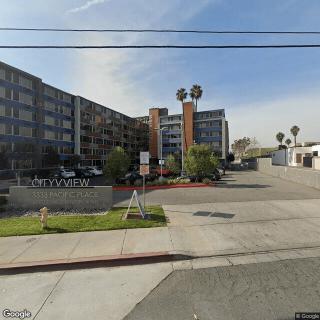
CityView Apartments
Long Beach, CA
2.5 from 8 reviews
$875 to $1,050 / month
Budget-friendly rents.
The Chateau of Long Beach
Long Beach, CA
3.7 from 27 reviews
$1,450 to $2,450 / month
Friendly staff with an active social calendar and a clean, welcoming environment.
Bright Star Assisted Living
Bellflower, CA
4 from 1 review
24-hour supervision with extensive amenities and dining options
Dementia encompasses a range of cognitive impairments characterized by types such as Alzheimer's and vascular dementia, and follows a seven-stage progression model known as the Global Deterioration Scale (GDS), highlighting varying symptoms and decline timelines. Early detection allows for lifestyle adjustments to potentially slow progression, while caregivers need support and resources to manage the challenges involved in caring for affected individuals.
The guide on holistic dementia care outlines the complexity of dementia and stresses the need for individualized caregiver strategies that include medical treatment, psychological support, and environmental adaptations, while emphasizing early detection, various therapeutic options, and caregiver support to enhance quality of life and maintain dignity.
Activities of Daily Living (ADLs) are fundamental tasks vital for an individual's independence, particularly in older adults over 85, and include functions like bathing and dressing; assessing ADLs alongside Instrumental Activities of Daily Living (IADLs) helps determine the level of required assistance due to age-related health challenges. Tailored support plans, involving family and community resources, are essential for maintaining dignity and autonomy in assisted living environments.
Get PricingAsk A QuestionSchedule A TourContact Senior Advisor
By clicking submit, you agree to our Partner's Terms of Use. You
also consent to receive calls and texts, which may be autodialed, from our Partner. Your consent is not a condition to
using our Partner's service. Please visit our Partner's Privacy Policy for information about their privacy practices.

 6 resident community capacity
 Assisted Living
 Board and Care Home
 Memory Care
 Activities off-site
 Bath tubs
 Beautician on-site
 Cable or satellite TV
 Devotional services off-site
 Dining room
 Fully furnished
 Garden
 Housekeeping services
 Indoor common areas
 Move-in coordination
 Outdoor common areas
 Private
 Private bathrooms
 Telephone
 Wheelchair accessible showers
 Wi-Fi/high-speed internet available
 Long Beach (Daugherty) (2 miles away)
 24-hour supervision
 Assistance with bathing
 Assistance with dressing
 Assistance with transfers
 Diabetes diet
 High acuity care
 Meal preparation and service
 Medication management
 Special dietary restrictions
 Transportation arrangement (medical)
 Transportation to doctors appointments
 Caring staff, clean environment, and nutrition-focused care.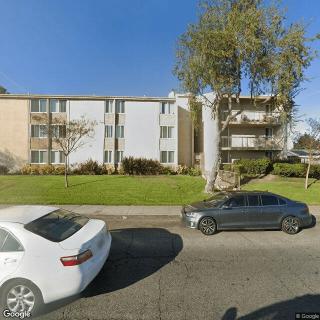

 Understanding Dementia Through Its Seven Stages: A Comprehensive Look at Progression and Expectations
 A Holistic Dementia Care Guide: Effective Strategies for Memory Support
 Comprehensive Insights into Activities of Daily Living (ADLs) and Their Assessment