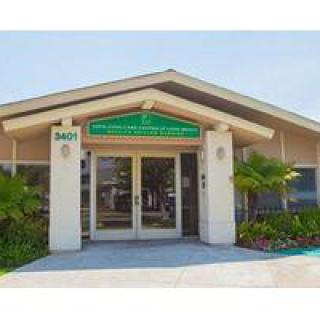
2615 Grand Avenue, Long Beach, CA 90815
For more information about senior living options: (866) 208-4318
Overall Review of Long Beach Care Center
Pros
 It is the best place she has been in by far; the rooms are larger than most, the staff is wonderful, and she has thrived under their care.
- The staff are amazing, the nurses are very friendly and respectful, and they truly care to make a difference in their patients' lives.
- The staff were caring and gentle with her, and they also cared about the family members.
- The surroundings are nice, and the medical personnel seem very caring and competent.
- During COVID, the facility has kept its residents safe.
Cons
 The staff are careless and neglect elderly patients, leading to bed sores, poor cleaning, and lost clothes at the laundromat.
 - It is described as the worst place where all employees do not care about patients, the social worker is nowhere to be found, and patients are mistreated.
- The DSD staff are rude, disrespectful, and racist; the place smells like fish and urine, and they yelled at a patient and singled them out.
- The staff are terrible and continually belittle residents, creating a hostile environment.
- Communication is poor: calls are switched around until someone hangs up, and appointment rules change without warning, making it hard to see loved ones.
- The facility smells of urine, the staff are overworked, and management seems to care only about getting paid.
- The facility admitted patients without proper orders and had bugs in the walls; patients couldn’t sleep and developed PTSD and scabies.
- It is not a good place for placement and leaves a negative overall impression; it is not recommended.
Review
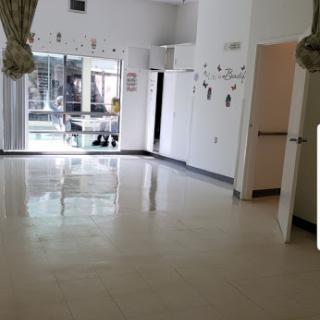
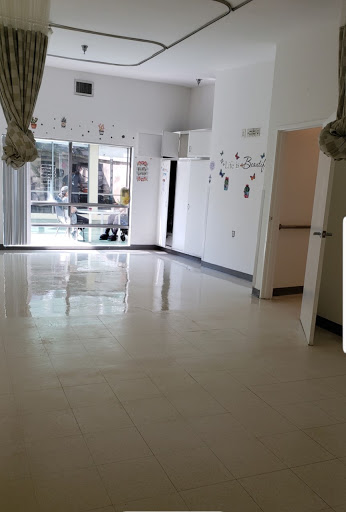
Long Beach Care Center is best suited for families that prize hands-on, personal attention from front-line caregivers and want the flexibility of larger room spaces that feel less institutional. The facility shows consistency in praise for frontline staff who are described as friendly, respectful, and genuinely engaged with residents. For families navigating VA funding, LBCC is seen by some as a workable path, with at least anecdotal indication that benefits can offset costs. The place also appeals to those who value an administration that is responsive in discussion and willing to work through concerns. In short, this community works for those who want a facility where the care experience rests heavily on the people at the bedside and where family members feel their input can influence care.
But clear caveats are non-negotiable. A sizable minority of reviews paint a starkly different picture: careless or overwhelmed staff leading to avoidable suffering, poor hygiene, and mismanagement. Instances of bed sores, dirty conditions, lost clothing, and smells of urine recur in several accounts. Visitors report difficulty reaching social workers, frequent shifts in rules, and frustrating obstacles to visiting loved ones. Some reviewers allege disrespectful or biased behavior by staff, including racial tensions and a perceived culture of rushing through tasks rather than addressing resident needs. Such experiences, when encountered, undermine trust and raise legitimate questions about consistency and safety.
The strongest offset to these concerns rests with the genuine, person-centered care described by many families. When staff are attentive, residents appear happier, well-communicated care plans emerge, and family members feel included in decisions. Larger rooms and a clean, welcoming environment, at least in some portions of the facility, contribute positively to daily living and comfort. Positive testimonials also highlight effective communication from administration, openness to feedback, and a sense that staff members are capable of delivering compassionate care even under pressure. For families prioritizing warmth and accessibility of caregivers, these attributes can noticeably improve quality of life and decrease the burden of ongoing supervision.
However, the gaps between the high points and the low points are meaningful. The frequency and severity of negative reports cannot be dismissed, and they directly affect safety, dignity, and overall well-being. Dietary concerns, infection risk, and allegations of neglect are serious red flags for residents with medical fragility or high care needs. The facility’s reputation for inconsistent rule enforcement and family communication, especially around appointment coordination and visiting permissions, creates ongoing stress for loved ones trying to stay connected. These factors weigh heavily against LBCC as a universal solution, even as some residents thrive there under strong caregiver engagement.
Practical next steps for decision-makers are clear. Visit with a specific plan, observe meal service, housekeeping, and how staff respond to urgent needs in real time. Speak with multiple shifts of nurses and aides, and request recent quality assurance metrics and incident reports. Confirm current staffing ratios and whether a dedicated social worker is consistently available, not just intermittently. Investigate dietary accommodations and allergy management, and verify that resident preferences are actually honored. Above all, seek candid perspectives from independent current residents or family members about day-to-day experience and any changes over the past year.
The bottom-line recommendation is candid: Long Beach Care Center can be a good fit for families seeking compassionate bedside care and a family-inclusive atmosphere, especially when VA funding is involved and administration is responsive. It is not a guaranteed fit for those who require uniformly high-level safety, absolute dietary consistency, and effortless navigation of rules and visiting schedules. If the aim is a reliably well-run environment with minimal friction and clear, consistent communication, consider alternatives that emphasize steady management and demonstrable quality control. For families willing to do thorough diligence and to closely monitor care, LBCC remains a viable, if polarized, option worth evaluating.
 163 resident community capacity
 Skilled Nursing Facility
 Air-conditioning
 Beauty salon
 Cable or satellite TV
 Computer center
 Dining room
 Fitness room
 Fully furnished
 Gaming room
 Garden
 Housekeeping services
 Kitchenette
 Move-in coordination
 Outdoor space
 Private bathrooms
 Restaurant-style dining
 Small library
 Telephone
 Wellness center
 Wi-Fi/high-speed internet available
 Long Beach (Daugherty) (1 miles away)
 Community operated transportation
 12-16 hour nursing
 24-hour call system
 Activities of daily living assistance
 Assistance with bathing
 Assistance with dressing
 Assistance with transfers
 Diabetes diet
 Medication management
 Mental wellness program
 Special dietary restrictions
 Concierge services
 Planned day trips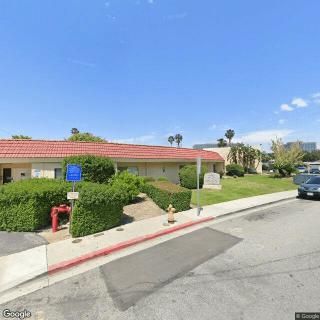




 Fecal Incontinence in Older Adults: A Comprehensive Guide
 Recognizing the Journey: Understanding and Navigating Anticipatory Grief
 Encouraging Participation in Adult Day Care: A Guide to Supporting a Hesitant Parent