


2626 Grand Avenue, Long Beach, CA 90815
For more information about senior living options: (866) 208-4318
Overall Review of Intercommunity Care Center
Pros
 Intercommunity's staff is very nice and easy to work with, showing respect, care and compassion.
- The management staff have a lot of longevity and they are professional and knowledgeable.
- The facility is well run and specializes in dementia care, offering short- and long-term care options.
- It is located near a large medical center and a retirement/assisted living facility in a quiet, seemingly safe area, and residents seem to like it.
Cons
 The facility is bad.
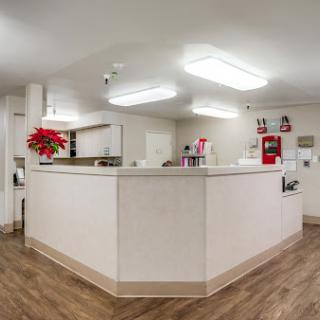
- The facility smells strongly of urine and feels institutionalized.
- There were hygiene issues, including the mother's nails often being dirty.
- The staff have multiple jobs and seem tired or are there only to collect an additional paycheck.
- The food was gross hospital-style, served with warm milk.
- The mother lost significant weight, dropping to about 90 pounds, and open wounds on her face went untreated for a month.
- Tina is money-hungry and tries to keep loved ones there to collect government funds.
- Tina allowed harassment by another tenant and hindered the mother's visits.
Review
Intercommunity Care Center in Long Beach is best suited for families evaluating a memory-care environment with a secured, locked setting and a track record of long-tenured, professional management. The strongest case for this community rests on its dementia-focused program and the perception that management and front-line staff know the territory, respond to concerns, and maintain a respectful, caring demeanor. For families seeking a facility where staff are consistently experienced with memory impairment, and where the campus design and security measures are oriented toward preventing wandering, this location can be a practical match. It is also appealing to those who want ready access to a nearby medical center and to other care options within the same neighborhood, reducing the friction of transitions across levels of care.
Nonetheless, serious caveats demand attention, and alternatives should be on the table for most families. The most troubling red flags revolve around cleanliness, odor, and basic hygiene. Multiple reviews recount persistent urine smells, depression-inducing atmospherics, and neglect of open wounds. The layout, three residents per room in an area described by some as hospital-like, can amplify the sense of institutional care rather than home. If cleanliness, odor control, and a homier, less clinical environment are nonnegotiables, this facility warrants a cautious comparison with peers. Families should also be wary of staff strain and turnover, with several accounts noting staff juggling multiple jobs, fatigue, and uneven responsiveness to concerns, all of which can directly impact daily safety and comfort.
From the positive side, the pros here are meaningful to the right resident. Intercommunity Care Center earns credibility from staff who are considered kind, respectful, and capable of building rapport with residents and families, an essential feature when cognitive needs are high. The facility’s dementia specialization and secure design are not merely marketing points; they translate into a structured environment aimed at reducing elopement risk and providing targeted programming. The stability of management, described as professional and knowledgeable by some families, can translate into smoother care coordination, fewer abrupt changes, and a clearer line of accountability. For families navigating complex medical and behavioral needs, these factors can temper the chaos that often accompanies transitions into memory care.
Yet the most troubling narratives cannot be dismissed. The most emotionally charged reviews describe aggressive resident interactions, inadequate responses to harassment, and a social worker who appears to evade or obstruct family advocacy. Allegations about staff manipulation, insufficient ombudsperson engagement, and a sense that crucial information is withheld paint a picture of a facility where resident protection and transparent communication may not always meet expectations. Coupled with reports of weight loss and unattended skin wounds, these concerns move the decision from “reasonable fit” to “requires rigorous oversight and ongoing verification.” Such issues do not reflect a uniformly poor operation but they do signal that care quality may fluctuate and that the onus is on families to stay vigilant and engaged.
The essential question becomes whether the strong dementia-focus and management stability can offset the serious hygiene and safety concerns. For residents whose dementia demands secure environments, consistent programming, and a staff culture that values dignity and calm interactions, the advantages are nontrivial. The risk profile changes when a family can implement a robust oversight regime: regular, unannounced visits; direct checks on wound care and meals; active engagement with a social worker or ombudsman; and a clear escalation path for concerns. In such a scenario, the “good hours” of compassionate staff and the predictable routines can meaningfully improve quality of life, even if some environmental shortcomings persist. However, this balancing act hinges on continuous advocacy and a willingness to intervene quickly when problems arise.
For families weighing next steps, a concrete plan is essential. Visit with a checklist that probes daily housekeeping, room cleanliness, and dining quality; request recent restorative or wound-care measures and ask to see care plans for memory-impaired residents. Talk to multiple families currently or recently served to understand how concerns were resolved and how staff interactions feel after the initial impression wears off. Verify staffing patterns, especially shifts, turnover, and whether care staff truly have the time to address individual needs. Finally, compare against other memory-care communities in the area that offer similar security and dementia programming but with lower per-room capacity, more homelike design, and consistently reported clean environments. If the goal is a memory-focused, secure setting supported by steady leadership, and the family can actively monitor and push for improvements, Intercommunity Care Center can be a legitimate fit. If not, alternatives with stronger housekeeping, more transparent governance, and fewer reported safety concerns should be pursued with equal diligence.
 147 resident community capacity
 Skilled Nursing Facility
 Air-conditioning
 Beauty salon
 Cable or satellite TV
 Computer center
 Dining room
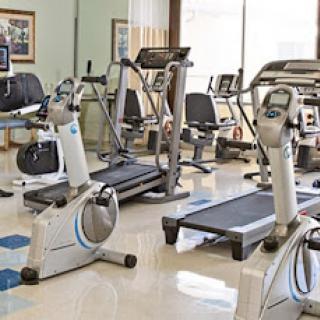
 Fitness room
 Fully furnished
 Gaming room
 Garden
 Housekeeping services
 Kitchenette
 Move-in coordination
 Outdoor space
 Private bathrooms
 Restaurant-style dining
 Small library
 Telephone
 Wellness center
 Wi-Fi/high-speed internet available
 Long Beach (Daugherty) (1 miles away)
 Community operated transportation
 12-16 hour nursing
 24-hour call system
 Activities of daily living assistance
 Assistance with bathing
 Assistance with dressing
 Assistance with transfers
 Diabetes diet
 Medication management
 Mental wellness program
 Special dietary restrictions
 Concierge services
 Planned day trips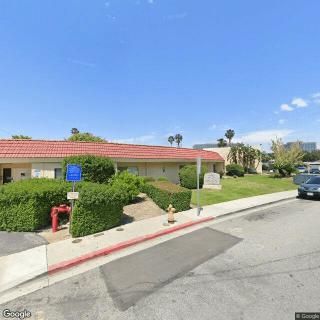


 California's Form 602A: An In-Depth Examination of Senior Care Assessment
 Comprehensive Look at Senior Blood Pressure Charts: Normal and Elevated Levels by Age
 Top Canine Companions for Older Adults