
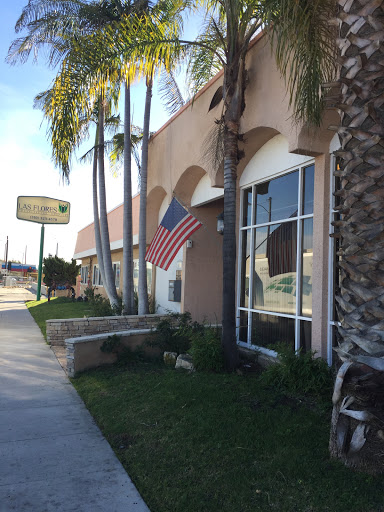



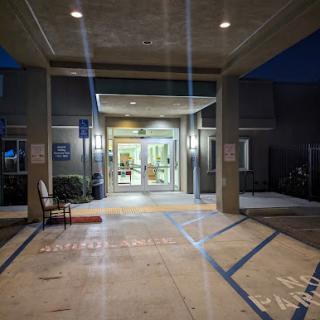


14165 Purche Avenue, Gardena, CA 90249
For more information about senior living options: (866) 208-4318
Overall Review of Las Flores Convalescent Hospital
Pros
 The staff at Las Flores provided compassionate and professional care to the patient's mother after an unexpected surgery.
- The physical therapists helped the patient transition from post-op to recovering at home.
- The family was grateful for the care their mother received at Las Flores.
- They praised Las Flores for taking care of their father, noting that the staff are always polite and helpful.
- The facility is neat and well-administered, with staff who take good care of patients.
- The place feels peaceful and pleasant.
- The facility deeply cares about its residents and their families.
Cons
 The facility is accused of killing people and failing to provide basic care, including oxygen.
 - The staff allegedly run the place like a prison.
- Appointments are mishandled, and staff allegedly lie about visits.
- The head over nurses allegedly laughs at complaints and ignores concerns.
- Visitation is restricted to the outside; inside access is not allowed.
- No one answers the phone and calls are rudely hung up.
- The receptionist is described as incompetent and unhelpful, blocking urgent messages.
- The nurses are rude, neglectful, and do not return calls.
- The facility should be shut down or strictly regulated.
Review
Las Flores Convalescent Hospital in Gardena is best suited for families seeking short-term, post-acute rehabilitation where the priority is skilled therapy and a structured recovery plan. The community delivers strong outcomes for seniors who benefit from hands-on physical therapy and a clear pathway back to independent living after surgery or a serious illness. Those who require unwavering daily communication, transparent administrative oversight, and proactive family updates should consider alternatives; this facility’s core strengths are clinical rehab and direct patient care, not flawless customer service.
On the positive side, the most compelling narratives center on compassionate, professional care after an unexpected surgery and a rehab process that helps residents transition home. Physical therapists are repeatedly highlighted as effective partners in recovery, guiding the patient from hospital discharge toward a home-ready level of function. The environment is described as neat and clean, with staff who are consistently polite and organization that appears to back patient welfare. For families prioritizing a concrete rehab track and discharge readiness, these strengths translate into meaningful, tangible progress.
Yet a substantial chorus of concerns cannot be ignored. A large share of reviews portrays chronic communication gaps: trouble reaching a social worker, long holds on the phone, and staff who appear slow to respond or obstructive. Accusations about leadership and nursing staff, ranging from misrepresenting appointment statuses to failing to provide timely updates, underline a governance weakness that undermines trust. Other accounts describe neglect in direct care, bedsores, hygiene lapses, and delays in turning or attending to residents, which seriously challenge the facility’s clinical picture. A portion of comments even allege elder mistreatment, a red flag that cannot be dismissed and demands rigorous independent verification.
These positives and negatives interact in a way that favors different risk tolerances. For families prepared to supervise discharge planning, coordinate visits, and press for timely information, the clinical advantages, effective therapy, structured recovery plans, and discharge readiness, can offset some communication friction. The ability of therapists to drive functional gains and prepare a resident for home remains a meaningful, differentiating strength. However, when reliable daily contact, consistent nursing oversight, and transparent governance are non-negotiables, the downsides, ongoing communication failures and governance concerns, tend to outweigh the rehabilitation upside and warrant serious consideration of alternatives.
Practically, families evaluating Las Flores should verify current staffing stability and request a direct line of communication with a social worker or case manager. It is essential to tour the facility more than once, at different times, to observe responsiveness and inquire about call-bell response times, bedside care frequency, and the facility’s handling of pressure injuries or skin care. Ask pointed questions about how care plans are shared with families, how often updates are provided, and what steps are taken when concerns arise. Checking inspection histories and speaking with current residents or families can illuminate how the facility actually operates day-to-day, beyond the polished tour.
Overall, Las Flores Convalescent Hospital offers a mixed proposition. It delivers solid post-acute rehabilitation and compassionate care where the clinical pieces fit, but it is hampered by persistent reports of communication breakdowns and governance concerns. It is a fit for families who can actively supervise discharge planning and demand timely information, aligning rehab outcomes with visible oversight. For those prioritizing steady, transparent daily communication and comprehensive oversight, look closely at alternatives that emphasize reliable engagement and protective measures. In the decision-making process, this community holds real value when rehabilitation performance is the primary criterion and family involvement remains a constant, vigilant factor.
 144 resident community capacity
 Skilled Nursing Facility
 Air-conditioning
 Beauty salon
 Cable or satellite TV
 Computer center
 Dining room
 Fitness room
 Fully furnished
 Gaming room
 Garden
 Housekeeping services
 Kitchenette
 Move-in coordination
 Outdoor space
 Private bathrooms
 Restaurant-style dining
 Small library
 Telephone
 Wellness center
 Wi-Fi/high-speed internet available
 Los Angeles International (6 miles away)
 Community operated transportation
 12-16 hour nursing
 24-hour call system
 Activities of daily living assistance
 Assistance with bathing
 Assistance with dressing
 Assistance with transfers
 Diabetes diet
 Medication management
 Mental wellness program
 Special dietary restrictions
 Concierge services
 Planned day trips





 Is a Geriatric Care Manager the Right Choice for Your Family?
 Compassionate Conversations: How to Comfort Someone Who Is Grieving
 Home Health Care Aides: Understanding Their Role and Supporting Your Family