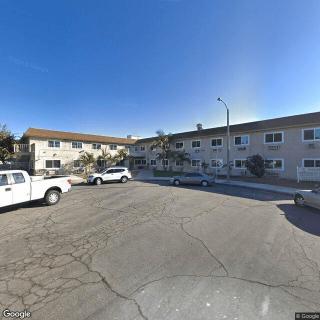
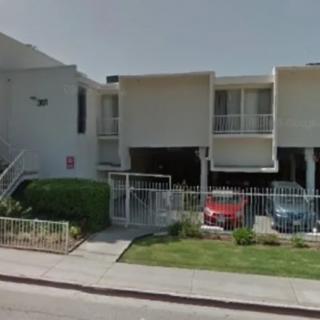
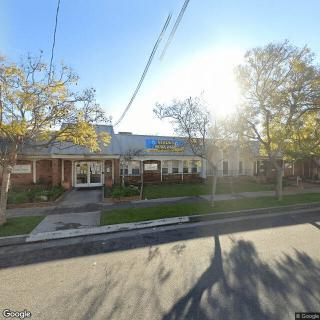
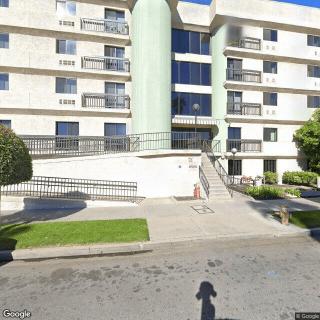
Westchester Villa

Save
Westchester Villa

Westchester Villa

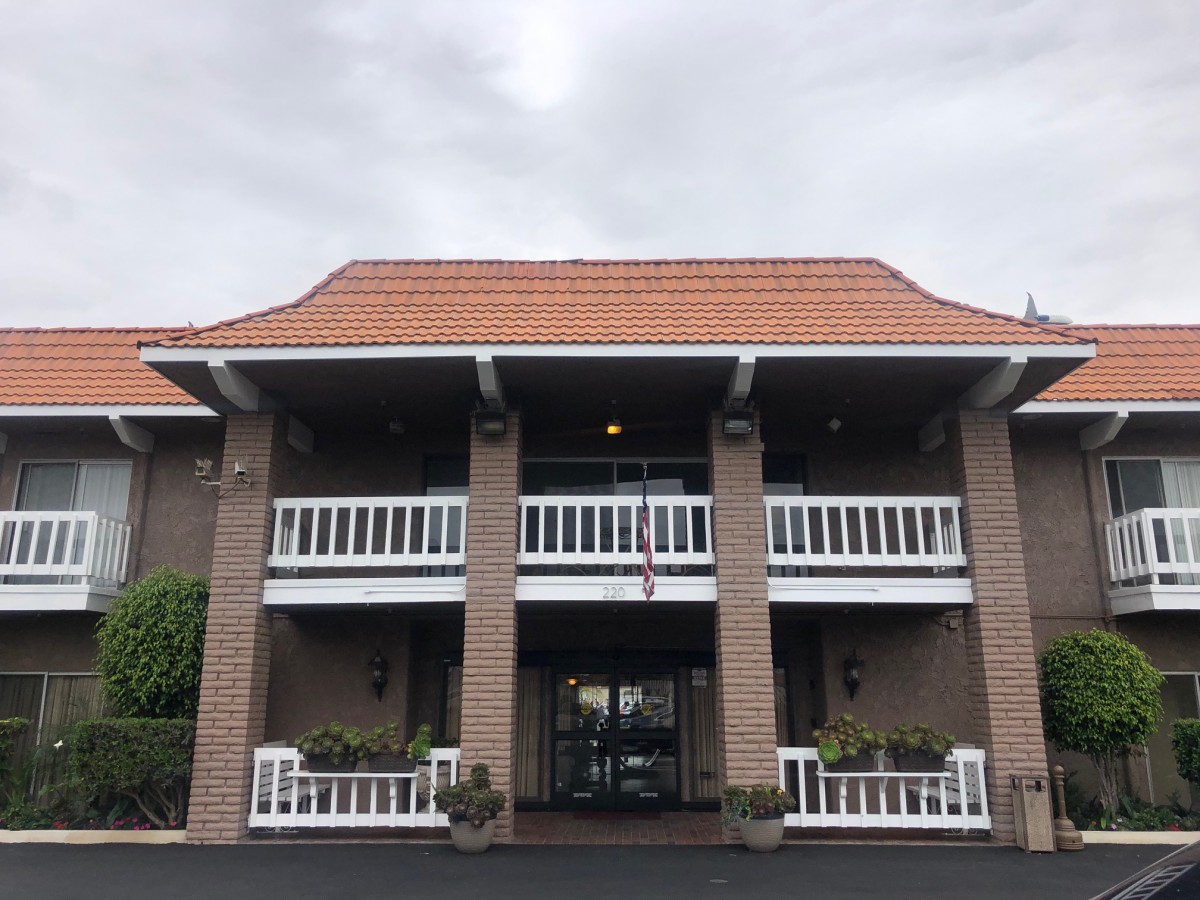
220 West Manchester Boulevard, Inglewood, CA 90301

For more information about senior living options: (844) 490-3973

3.8 from 37 reviews
5 stars
11
4 stars
15
3 stars
6
2 stars
2
1 stars
3

Assisted Living Independent Living Memory Care Respite Care

Westchester Villa Costs & Pricing

Westchester Villa offers competitive pricing for its residents, particularly when compared to the broader market in Los Angeles County and throughout California. For a semi-private room, Westchester Villa charges $2,000 per month, significantly lower than the county's average of $3,349 and the state average of $3,333. Similarly, their studio options are priced at $3,000 per month, which also presents a favorable alternative compared to the $4,172 average in Los Angeles County and $4,145 statewide. This positioning not only highlights Westchester Villa as an affordable choice but also underscores its commitment to providing quality living accommodations without compromising on value in a competitive landscape.

Floor plansWestchester VillaLos Angeles CountyCalifornia
Semi-Private$2,000$3,349$3,333
Studio$3,000$4,172$4,145

What level of care are you interested in?

Assisted Living

Memory Care

Independent Living

Skilled Nursing Facility

Continuing Care Retirement Community (CCRC)CCRC

Other


Request a tour at Westchester Villa

    Overall Review of Westchester Villa

    Pros

    • pro The administrators are thorough and professional, ensuring all information is gathered to provide proper care before admission.
    • pro The staff welcomed him and provided excellent care.
    • pro The space is spotless and well maintained, reflecting high care standards.
    • pro The facility offers a full range of care with a full-time staff and excellent service.
    • pro The staff are highly involved in activities and ensure residents receive what they want and need.
    • pro Halloween activities were engaging, with staff entertaining the guests.
    • pro The facility is clean, odor-free, and has many activities to keep residents busy.
    • pro The dining area is nice, and residents enjoy the meals.
    • pro The staff are helpful, attentive, and kind, and residents feel safe and well cared for.
    • pro Many families would recommend this community.

    Cons

    • pro The dad dislikes the food there.
    • pro They feed him pork chops he cannot chew.
    • pro The facility felt dark and dingy, with unfriendly staff and residents who looked unhappy.
    • pro The home had a depressed atmosphere with a nursing-home odor.
    • pro The facility was very old and beat up, with an unbearable smell.
    • pro The doctor would not complete the paperwork needed for admittance.
    • pro The menu could be better and meals were often the same, suggesting quality issues.
    • pro One reviewer would not recommend this community.

    Review

    Westchester Villa consistently comes across in these notes as a middle ground of care: a facility that offers a broad spectrum of services, from memory care to higher levels of assistance, with a full-time staff and a structure that emphasizes thorough administrative work and attentive oversight. Several reviewers highlight that the administrators are very thorough and professional, taking care to gather and verify all relevant information about a resident before admission so that appropriate care plans are in place from day one. The facility itself is described as clean and well maintained, with common areas that look inviting and a space that signals serious attention to residents' comfort and safety. In the hands of a well-staffed administrative team, visitors often remark on how the admission process and ongoing care planning feel organized and responsive to individual needs.

    The social and activity-oriented side of Westchester Villa also stands out in many accounts. Families describe a culture where staff are involved and engaged with residents, arranging and participating in activities and events that help keep people connected and occupied. Halloween decorations and activities, staff entertainment, and a general emphasis on ensuring residents participate in meaningful opportunities appear repeatedly. The dining and social spaces - where meals happen and conversations unfold - are portrayed as pleasant, with staff that greet families warmly and residents who appear engaged during visits. Several accounts applaud the warm, welcoming atmosphere created by the staff, noting that both residents and family visitors are treated with kindness and patience.

    Despite these positive impressions, there are clear caveats and a range of experiences that prospective families should weigh. A recurring concern centers on fit - Westchester Villa is described by some as a large community that can feel more like a hotel setting, which may be ideal for some but not for others. One reviewer explicitly says the facility is "too big" for their father and questions whether it's the right environment for someone who sits between needing substantial assistance and being more independent. Another reviewer notes that the facility may not be suitable for people who require a specific balance between memory care and daily supportive needs, raising questions about whether staff expertise aligns with an individual's care trajectory as conditions evolve.

    Dietary experiences also vary widely. While some praise the food and dining experience - describing meals as satisfactory and noting that their relatives enjoy the meals - others report problems with menu variety or with meals that don't match residents' chewing or dietary needs. A specific concern is raised about pork chops being served to someone who can't chew them, highlighting a mismatch between menu choices and residents' current capabilities. This kind of feedback underscores the importance of ongoing, proactive dietary assessment and customization in a setting that serves residents with diverse nutritional and swallowing needs.

    There are also more pointed negative notes that temper the otherwise positive impressions. A few reviewers describe a less favorable atmosphere at certain times of day, mentioning odors or a sense of gloom, as well as remarks about certain areas feeling dark, dingy, or outdated. Some visitors recount experiences where staff appeared less friendly or where residents did not look happy, and there are accounts of closed-off areas or spaces that seemed underutilized. A few reviews mention logistical hurdles - such as difficulty with doctor involvement or paperwork for admittance - and some suggest the facility may require improvements in staffing skills or proactive medical management during initial transitions, particularly around managing blood pressure or other health requirements.

    On balance, many families praise Westchester Villa for its cleanliness, reliable communications, and the warmth of individual staff members. Several anecdotes highlight clean rooms, well-kept hallways, and pleasant common areas, along with positive remarks about the availability of activities, pet-friendly outdoor spaces, and the presence of areas designed for social interaction. Several relatives emphasize safety and reassurance, noting that their loved ones are cared for by attentive teams who respond to questions, facilitate participation in activities, and ensure residents are treated with kindness and respect. In cases where families were able to supervise or visit regularly, the impression tended to be particularly positive, reinforcing the sense that this community can be the right choice for those who value a well-maintained environment and a staff that makes a genuine effort to engage residents in meaningful daily life.

    Finally, location and practicality enter the assessment in meaningful ways. Some reviewers express concern about distance - both for the resident and for the family's ability to provide ongoing support from afar. The sentiment here is pragmatic: a beautiful facility and excellent staff can be a major asset, but for some families, the geographic reality may limit access to a robust support network, which can be a decisive factor when choosing a senior living community. Across the board, the recurring message is clear: Westchester Villa has many strengths - professional administration, cleanliness, active staff involvement, and a range of care options - that can deliver excellent care and a positive living experience for many residents, while also presenting legitimate questions about fit, acuity alignment, dietary customization, and logistical practicality for others.

    Features

    Housing

    • 174 resident community capacity 174 resident community capacity

    Types of Care

    • Assisted Living Assisted LivingAssisted living facilities provide crucial support and care for seniors who may need help with daily tasks such as medication management, bathing, and meal preparation. These communities offer a safe and comfortable environment where seniors can maintain their independence while receiving the assistance they need to thrive in their golden years.
    • Independent Living Independent LivingIndependent living communities are important for seniors because they offer a safe and supportive environment where older adults can live independently while still having access to amenities and services that enhance their quality of life. These communities provide social opportunities, recreational activities, and assistance with daily tasks, promoting overall well-being and allowing seniors to maintain their independence for as long as possible.
    • Memory Care Memory CareMemory care is crucial for seniors as it provides specialized support and services for individuals with dementia or Alzheimer's disease. These programs offer a safe and secure environment where residents receive personalized care, cognitive stimulation, and help with daily activities. Memory care helps seniors maintain their independence, quality of life, and dignity while also providing peace of mind for their families.
    • Respite Care Respite CareRespite care provides temporary relief for caregivers, allowing them to recharge and attend to their own needs. It also gives seniors the opportunity to socialize, receive professional care, and experience a change of scenery, promoting overall well-being and reducing feelings of isolation.

    Amenities

    • Activities on-site Activities on-siteActivities on-site are important for seniors because they provide opportunities for socialization, mental stimulation, physical activity, and overall well-being. Engaging in activities can help seniors stay active, maintain their independence, and improve their quality of life.
    • Air-conditioning Air-conditioningAir conditioning is important for seniors as they are more vulnerable to heat-related illnesses and may have underlying health conditions that make it difficult for them to regulate their body temperature. It helps to keep them comfortable, safe, and healthy in hot weather.
    • Beauty salon Beauty salonBeauty salons are important for seniors because they provide a space for them to feel pampered, socialize, and maintain their personal grooming and hygiene. Regular visits to a beauty salon can help boost seniors' self-esteem and overall well-being.
    • Cable or satellite TV Cable or satellite TVCable or satellite TV is important for seniors because it provides entertainment, news, and companionship, helping to combat loneliness and boredom. It also offers a wide range of programming options tailored to different interests and preferences.
    • Computer center Computer centerA computer center is essential for seniors as it provides access to technology, communication tools, and resources that can enhance their daily lives. It allows them to stay connected with loved ones, engage in online activities, and learn new skills, ultimately promoting socialization and mental stimulation.
    • Devotional services off-site Devotional services off-siteDevotional services off-site are important for seniors as they provide spiritual nourishment, social engagement, and a sense of community outside of the senior living facility. This can enhance overall well-being and help combat feelings of isolation and loneliness often experienced by older adults.
    • Dining room Dining roomDining rooms are important for seniors as they provide a space for socialization, connection, and nutritious meals. They offer opportunities for residents to bond over shared meals, foster a sense of community, and promote healthy eating habits. Dining rooms also ensure that seniors have access to well-balanced meals tailored to their dietary needs and preferences.
    • Fitness room Fitness roomHaving a fitness room in a senior living community is essential for seniors to stay active, maintain their physical health, and improve their overall well-being. Regular exercise can help prevent falls, reduce the risk of chronic diseases, and promote mental sharpness. It also provides social opportunities for residents to connect with others and enjoy a sense of community.
    • Fully furnished Fully furnishedFully furnished senior living communities are important for seniors because they provide convenience, comfort, and a hassle-free moving experience. Seniors can easily settle into their new living space without the stress of having to buy and move furniture. This allows them to focus on enjoying their new home and community.
    • Gaming room Gaming roomGaming rooms are important for seniors as they provide a fun and engaging environment for socializing, cognitive stimulation, and physical activity. Games can improve memory, problem-solving skills, and overall mental well-being while fostering friendships and reducing feelings of isolation.
    • Garden GardenGardens are important for seniors as they provide a peaceful and therapeutic environment for relaxation, physical activity, and socialization. Being in nature has been shown to reduce stress, improve mood, and promote overall well-being. Gardens also offer opportunities for seniors to engage in gardening activities, which can improve mobility, flexibility, and cognitive function. Additionally, gardens create a sense of community and connection with others who share a passion for plants and outdoor spaces.
    • Housekeeping services Housekeeping servicesHousekeeping services are important for seniors because they help maintain a clean and safe living environment, promote independence, and reduce the risk of accidents or illnesses. Additionally, having assistance with household chores can alleviate physical strain and allow seniors to focus on other aspects of their well-being.
    • Indoor common areas Indoor common areasIndoor common areas are crucial for seniors as they provide a space for socialization, recreation, and community engagement, promoting overall well-being and reducing feelings of isolation and loneliness.
    • Kitchenette KitchenetteKitchenettes are important for seniors living in senior living communities because they provide the convenience and independence of being able to prepare simple meals and snacks in the comfort of their own living space. This can help promote a sense of autonomy and well-being for seniors, allowing them to maintain some level of control over their dietary choices and daily routines.
    • Move-in coordination Move-in coordinationMove-in coordination is important for seniors because it helps ease the transition into their new living environment. It ensures that all logistics, such as packing, organizing movers, and setting up utilities are taken care of, allowing seniors to focus on settling in and adjusting to their new home. Having a smooth move-in process can alleviate stress and anxiety, making the transition smoother and more enjoyable for seniors.
    • Outdoor space Outdoor spaceOutdoor spaces are important for seniors as they provide opportunities for physical activity, social interaction, exposure to natural light and fresh air, and a sense of connection to nature. Having access to outdoor spaces can improve overall well-being and quality of life for older adults living in senior communities.
    • Private bathrooms Private bathroomsPrivate bathrooms are important for seniors in senior living communities because they provide independence, dignity, and comfort. Having a private bathroom allows seniors to maintain their personal hygiene routines without the need for assistance, promoting a sense of autonomy and privacy. Additionally, private bathrooms help prevent the spread of infections and provide a safe and clean environment for seniors to navigate safely.
    • Restaurant-style dining Restaurant-style diningRestaurant-style dining is important for seniors because it allows them to enjoy delicious, nutritious meals in a social and upscale setting. This enhances their dining experience, promotes healthy eating habits, and fosters socialization with fellow residents, ultimately contributing to their overall well-being and quality of life.
    • Small library Small librarySmall libraries are important for seniors as they provide access to a variety of reading materials, including books, newspapers, and magazines. This can help stimulate their minds, keep them engaged, and provide a sense of community through book clubs and other social activities. Additionally, reading has been shown to improve cognitive function and overall mental well-being in older adults.
    • Telephone TelephoneTelephones are important for seniors as they provide a lifeline for communication with loved ones, emergency services, and healthcare providers. They offer a sense of security and independence, enabling seniors to stay connected and access assistance when needed.
    • Wellness center Wellness centerWellness centers are important for seniors because they offer a variety of programs and services that promote physical, mental, and emotional well-being. These centers provide opportunities for exercise, socialization, education, and relaxation, helping seniors maintain their overall health and quality of life.
    • Wi-Fi/high-speed internet available Wi-Fi/high-speed internet availableWi-Fi/high-speed internet is important for seniors to stay connected with loved ones, access online resources, and participate in virtual activities to combat feelings of loneliness and isolation. It also allows them to easily manage healthcare needs, access entertainment, and engage in lifelong learning opportunities.

    Transportation

    • Los Angeles International (3 miles away) Los Angeles International (3 miles away)
    • Long Beach (Daugherty) (15 miles away) Long Beach (Daugherty) (15 miles away)
    • Burbank-Glendale-Pasadena (17 miles away) Burbank-Glendale-Pasadena (17 miles away)
    • Community operated transportation Community operated transportationCommunity operated transportation is crucial for seniors as it provides them with the means to access essential services, social activities, and medical appointments. It allows seniors to maintain their independence and quality of life by ensuring they can participate in activities outside of their homes. Additionally, community-operated transportation services offer a safe and reliable way for seniors to travel without having to rely on family or friends for assistance.
    • Transportation arrangement Transportation arrangementTransportation arrangements are crucial for seniors as they may face challenges with driving, mobility, or access to public transportation. Having reliable transportation services ensures that seniors can easily attend appointments, social activities, and maintain their independence and quality of life.
    • Transportation arrangement (non-medical) Transportation arrangement (non-medical)Transportation arrangements are essential for seniors as they provide access to essential services, activities, and social interactions outside the home. This service helps maintain independence, mobility, and overall well-being for seniors who may have limited transportation options.
    • Transportation to doctors appointments Transportation to doctors appointmentsTransportation to doctors appointments is crucial for seniors as it ensures they have access to necessary medical care and support, promoting their health and well-being. It allows them to receive timely treatment, monitor existing conditions, and address any new health concerns efficiently. Additionally, transportation services can help seniors maintain their independence and quality of life by enabling them to stay connected with their healthcare providers.

    Care Services

    • 12-16 hour nursing 12-16 hour nursing12-16 hour nursing care is crucial for seniors in order to ensure around-the-clock monitoring, timely medication administration, and prompt response to any health concerns or emergencies. This level of care helps to promote the overall well-being and safety of seniors living in senior living communities.
    • 24-hour call system 24-hour call system24-hour call systems are important for seniors because they provide peace of mind and immediate assistance in case of emergencies. This technology ensures that help is always available, promoting safety and security for elderly individuals living alone or in assisted living facilities.
    • 24-hour supervision 24-hour supervision24-hour supervision is important for seniors to ensure their safety, well-being, and access to immediate assistance in case of emergencies or health issues. This constant support provides peace of mind for both seniors and their loved ones, allowing them to age in place with dignity and security.
    • Activities of daily living assistance Activities of daily living assistanceActivities of daily living assistance are important for seniors because they provide essential support with tasks such as eating, bathing, dressing, and mobility. This assistance helps seniors maintain their independence, dignity, and overall quality of life as they age.
    • Ambulatory care Ambulatory care"Ambulatory care services provide essential medical support and treatment to seniors without requiring hospitalization, allowing them to maintain their independence and quality of life while managing chronic conditions or receiving routine medical care."
    • Assistance with bathing Assistance with bathingAssistance with bathing is crucial for seniors as it helps maintain personal hygiene, prevents infections, and ensures their overall well-being and comfort. It also provides a sense of dignity and independence for seniors who may struggle with this task on their own.
    • Assistance with dressing Assistance with dressingAssistance with dressing is important for seniors because it helps maintain their independence, promotes personal hygiene, prevents accidents and injuries, and improves overall quality of life. This service ensures that seniors can continue to dress comfortably and confidently, despite any physical limitations they may have.
    • Assistance with transfers Assistance with transfersAssistance with transfers is crucial for seniors as it helps prevent falls and injuries, maintains their independence, and ensures they can safely navigate their living environment. It also provides peace of mind for both seniors and their loved ones.
    • Diabetes diet Diabetes dietA diabetes diet is crucial for seniors as it helps manage blood sugar levels, reduce risks of complications, and improve overall health and well-being. By following a balanced and nutritious diet tailored to their specific needs, seniors can better control their diabetes and enhance their quality of life.
    • Diabetic care Diabetic careDiabetic care is crucial for seniors as they are more susceptible to developing diabetes due to aging and other health conditions. Proper management of diabetes can help prevent complications such as heart disease, vision loss, and nerve damage, improving the overall quality of life for seniors in senior living communities.
    • Incontinence care Incontinence careIncontinence care is essential for seniors to maintain their dignity, hygiene, and overall quality of life. By addressing incontinence issues promptly and effectively, seniors can enjoy a sense of independence and comfort in their daily activities.
    • Meal preparation and service Meal preparation and serviceMeal preparation and service are crucial for seniors as they may have limited mobility or energy to cook nutritious meals. Having access to healthy and convenient food options can ensure they are getting the proper nutrition needed to maintain their overall health and well-being.
    • Medication management Medication managementMedication management is crucial for seniors to ensure they are taking the right medications at the correct dosages and times. This helps prevent adverse drug interactions, reduces the risk of medication errors, and promotes overall health and well-being. Proactive management also allows for adjustments as needed based on changing health conditions or new prescriptions.
    • Mental wellness program Mental wellness programMental wellness programs are essential for seniors as they promote cognitive stimulation, emotional support, and social engagement. These programs help prevent isolation, depression, and cognitive decline, ultimately enhancing the overall quality of life for older adults.
    • Special dietary restrictions Special dietary restrictionsSpecial dietary restrictions are important for seniors because age-related changes in metabolism and health conditions can make it difficult for their bodies to process certain foods. By following a diet tailored to their specific needs, seniors can maintain their overall health and well-being, manage chronic conditions, and reduce the risk of complications such as malnutrition or food interactions with medications.

    Dining

    • Diabetes diet Diabetes dietA diabetes diet is crucial for seniors as it helps manage blood sugar levels, reduce risks of complications, and improve overall health and well-being. By following a balanced and nutritious diet tailored to their specific needs, seniors can better control their diabetes and enhance their quality of life.
    • Meals provided Meals provided"Meals provided" are crucial for seniors in assisted living communities as it ensures they have access to nutritious, balanced meals without the stress of meal planning and preparation. This can help promote overall health and well-being for seniors who may have limited mobility or cognitive abilities.
    • Special dietary restrictions Special dietary restrictionsSpecial dietary restrictions are important for seniors because age-related changes in metabolism and health conditions can make it difficult for their bodies to process certain foods. By following a diet tailored to their specific needs, seniors can maintain their overall health and well-being, manage chronic conditions, and reduce the risk of complications such as malnutrition or food interactions with medications.

    Activities

    • Activities on-site Activities on-siteActivities on-site are important for seniors because they provide opportunities for socialization, mental stimulation, physical activity, and overall well-being. Engaging in activities can help seniors stay active, maintain their independence, and improve their quality of life.
    • Community-sponsored activities Community-sponsored activitiesCommunity-sponsored activities are important for seniors as they provide opportunities for social interaction, mental stimulation, and physical activity. These activities can help improve overall well-being, combat loneliness and isolation, and promote a sense of belonging and purpose among older adults.
    • Concierge services Concierge servicesConcierge services are essential for seniors as they provide assistance with daily tasks and errands, enhance their quality of life by offering convenience and personalized care, and promote a sense of safety and security.
    • Devotional activities offsite Devotional activities offsiteDevotional activities offsite are important for seniors because they provide social engagement, spiritual growth, and a sense of community outside of their living environment. This can improve overall well-being, mental health, and combat feelings of isolation or loneliness.
    • Fitness programs Fitness programsFitness programs are crucial for seniors as they help improve strength, flexibility, balance, and overall well-being. Staying active can reduce the risk of chronic diseases, improve mental health, and enhance quality of life in older adults.
    • Planned day trips Planned day tripsPlanned day trips are important for seniors because they offer opportunities for socialization, mental stimulation, and physical activity. They provide a change of scenery and help seniors stay engaged and connected to their community, promoting overall well-being and quality of life.
    • Resident-run activities Resident-run activitiesResident-run activities are important for seniors as they encourage social interaction, creativity, and a sense of autonomy. These activities empower seniors to stay engaged and active in their community while fostering meaningful connections with their peers.
    • Scheduled daily activities Scheduled daily activitiesScheduled daily activities are important for seniors because they provide structure, socialization, mental stimulation, and physical activity. Engaging in regular activities can improve overall well-being and quality of life for seniors living in a community setting.

    Description

    Welcome to Westchester Villa, a vibrant assisted living community located in the heart of Inglewood, CA. Offering a unique blend of independent living, memory care, and respite care, Westchester Villa is designed to cater to the diverse needs of its residents while promoting an active and engaging lifestyle.

    Our community boasts a range of modern amenities to enhance the quality of life for our residents. Enjoy comfort year-round with air-conditioning and fully furnished spaces that create a welcoming atmosphere. Residents can take advantage of our delightful restaurant-style dining experience and gourmet meals tailored to special dietary restrictions. Our dining room, complemented by a relaxing caf? area, allows for social interactions over delicious meals.

    At Westchester Villa, we prioritize the health and well-being of our residents with a comprehensive wellness center and fitness room. Our dedicated staff provides assistance with activities of daily living such as bathing, dressing, transfers, and medication management ensuring that each resident receives personalized care with 24-hour supervision available.

    Engagement is key at Westchester Villa! Our community offers an array of scheduled daily activities including fitness programs, planned day trips, community-sponsored events, and resident-run activities designed to foster connections among residents. Residents can also participate in devotional services both on-site or off-site, catering to spiritual needs.

    For those fond of nature or seeking leisure outdoors, our beautifully landscaped garden and outdoor spaces provide serene areas for relaxation or social gatherings. Residents will appreciate access to nearby parks for leisurely walks or picnics.

    Conveniently located near numerous pharmacies, restaurants, cafes, theaters, and places of worship ensures all your needs are just around the corner. Additionally, our transportation arrangement services simplify trips to appointments or outings in the community.

    Westchester Villa not only focuses on providing exceptional care but also creates an environment where residents thrive socially and emotionally through support programs like mental wellness initiatives and social activities. With all these features combined with attentive service from our caring staff members committed to enhancing quality of life at every turn?Westchester Villa is truly a place you can call home.

    Nearby Places of Interest

    Restaurants

    • Randy's Donuts (0.7 miles)
    • McDonald's (1.6 miles)
    • Carl's Jr. (1.6 miles)
    • In-N-Out Burger (1.8 miles)
    • In-N-Out Burger (2.3 miles)
    • Frijoles Mexican Restaurant (2.8 miles)
    • Chick-Fil-A (3 miles)

    Transportation

    • National Car Rental (1.1 miles)
    • SIXT rent a car (1.3 miles)
    • Fox Rent A Car (1.5 miles)
    • Hertz Rent A Car (1.6 miles)
    • Avis Rent A Car (1.8 miles)
    • Budget Rent A Car (1.9 miles)
    • Metro Rail - Hawthorne/Lennox (1.9 miles)

    Pharmacies

    • CVS Pharmacy (1.5 miles)
    • CVS Pharmacy (2 miles)
    • CVS Pharmacy (2.2 miles)
    • CVS Pharmacy (2.2 miles)
    • Walgreens (2.5 miles)
    • CVS Pharmacy (3.5 miles)
    • Walgreens (3.6 miles)

    Theaters

    • Cinemark 18 and XD (2.3 miles)
    • AMC DINE-IN South Bay Galleria 16 (6.2 miles)

    Parks

    • Kenneth Hahn State Recreational Area (2.4 miles)
    • Bluff Creek Fields Dog Park (3.3 miles)
    • Burton Chace Park (5.1 miles)
    • Polliwog Park (5.3 miles)
    • Penmar Recreation Center (6.4 miles)

    Physicians

    • Kaiser Permanente Culver Marina Medical Offices (4.5 miles)
    • UCLA Health Manhattan Beach Pediatrics (5.6 miles)

    Places of Worship

    • King Fahad Mosque (4.6 miles)
    • St Catherine Laboure Church (5.8 miles)

    Cafes

    • Go Get Em Tiger (4.7 miles)
    • Corner Bakery Cafe (4.7 miles)
    • Donut King 2 (5.4 miles)
    • Starbucks (6.5 miles)
    • Intelligentsia Coffee (6.6 miles)
    • Great White (6.8 miles)
    • Chocolate Bash (6.8 miles)

    Hospitals

    • Kaiser Permanente West Los Angeles Medical Center (5.5 miles)
    • Kedren Community Health Center (6.2 miles)

    Frequently Asked Questions

    How much does it cost to live at Westchester Villa in Inglewood, CA?
    Where is Westchester Villa?
    Does Westchester Villa provide care for residents with dementia or Alzheimer's disease?

    Nearby Communities

    Related Resources

    • end stage dementiaComprehensive Insights on the Late Stages of Dementia: What to Expect and How to Provide Care

      The article discusses the late stages of dementia, detailing the progression from mild to severe impairment and highlighting key characteristics such as profound cognitive decline and dependency in daily activities. It emphasizes care strategies focused on comfort and dignity, the importance of advance directives, and the emotional support needed for family caregivers facing this challenging journey.

    • list of drugs linked to dementiaMedications Associated with Dementia Risk: A Comprehensive Overview

      The article examines the link between certain medications and increased dementia risk, particularly in older adults, emphasizing that long-term or high-dose use of anticholinergics, benzodiazepines, and other drug classes can exacerbate cognitive impairment. It calls for careful medication evaluation and shared decision-making to mitigate these risks while managing treatment efficacy.

    • power of attorney for elderly parentGuiding Your Journey: Understanding Power of Attorney for Elderly Parents
      The article emphasizes the significance of establishing a power of attorney for elderly parents to enable an agent to make decisions on their behalf regarding health and finances, especially during cognitive or physical decline. It outlines various types of power of attorney, the importance of consulting legal professionals, and the responsibilities and challenges faced by agents, while also discussing alternatives and common misconceptions.


    Get Pricing Ask A Question Schedule A Tour Contact Senior Advisor