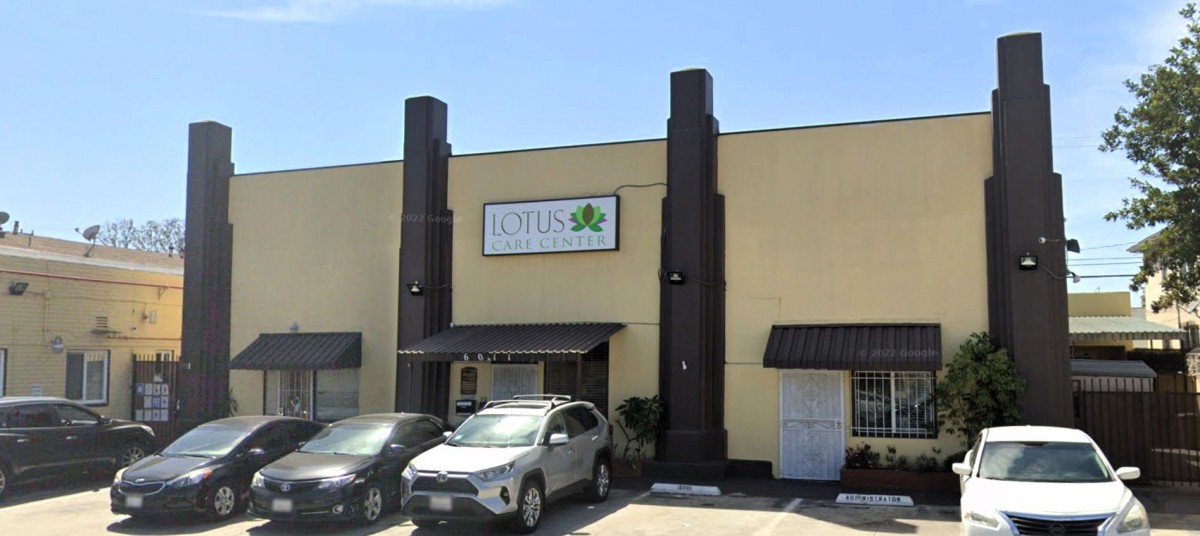
6011 West Boulevard, Los Angeles, CA 90043
For more information about senior living options: (866) 208-4318
Overall Review of Lotus Care Center
Pros
 The facility was kind and helpful to families and residents staying there.
- The staff were available to answer questions and were really nice.
- The father loved the food.
- The facility is pleasant and feels like home with a great staff.
- Lotus Care Center was very clean and had nice rooms.
- The food at Lotus Care Center was really nice.
- They promptly addressed health concerns and arranged hospital transfers when needed.
- The director at Lotus Care Center was very nice.
- The reviewer would recommend Lotus Care Center to others.
Cons
 CNAs are rude to patients and their families.
- The facility is infested with roaches and rats.
- The father was bitten by something and no one informed the reviewer of the incident.
- The father developed a bad infection.
- The way they operate there is very unsatisfactory.
- The reviewer warns others not to place their loved ones at this facility.
- Upon arrival, the place was a mess.
- The patio was in disrepair and looked a mess.
- The indoor space designated for residents is rarely available for use, so residents are kept outside their rooms.
Review
Lotus Care Center in Los Angeles is best suited for families prioritizing a clean, home-like environment with responsive medical attention and pleasant dining, and who can tolerate variability in programming and stricter adherence to professional standards. The strongest selling points lie in the warmth of the staff, the care team’s willingness to address medical concerns quickly, and a facility that feels orderly and well kept. For residents who want a space that feels comfortable and where meals are positively valued, this community can deliver a sense of familiarity and daily consistency that many families seek. It represents a practical option when the priority is a friendly atmosphere and dependable basic upkeep over an expansive activity calendar or highly formalized care protocols.
Those weighing alternatives should note who may want to look elsewhere. If pest control and facility hygiene are non-negotiable, the combination of roach and rodent concerns reported by some families becomes a decisive deal-breaker. If a robust, consistently implemented activity program and wide access to indoor common spaces are essential, the current pattern of outdoor-centric living and intermittent programming will feel restrictive. Families needing a high degree of professional education among caregivers, or a transparent, consistently documented incident-tracking culture, may find the current environment lacking. In short, this community can work for many, but not for those who require stringent infection control, proactive communication about incidents, and a steady rhythm of engaging activities.
The main pros, cleanliness, decent accommodations, and good meal quality, do meaningful work in offsetting certain weaknesses, but they do not fully neutralize the most serious concerns. When the facility is described as clean, well-maintained, and free of unpleasant odors, that directly supports daily comfort and dignity. Responsive attention to health issues, especially for residents with chronic conditions, and a director who presents as approachable, create a practical sense of reliability. A positive dining experience and rooms that feel private and well-kept help residents feel at ease and reduce distress. These factors matter a great deal for long-term comfort and can make difficult days more tolerable, yet they do not erase the impact of more troubling reports about care interactions and safety.
However, the cons carry substantial weight in real-life decision-making. Instances of pest infestations raise legitimate health and safety red flags that cannot be dismissed, and they undermine confidence in routine operations. Allegations of rude or disengaged CNAs touch the core of daily resident experience, shaping how families perceive the level of personalized attention. Reports that urgent medical issues were not promptly communicated or followed up on further erode trust. The uneven programming, limited indoor activity access, an inconsistent activity calendar, and outdoor-forward living spaces, limits meaningful engagement for residents who benefit from structured social and cognitive stimulation. Taken together, these factors suggest a facility where comfort and quick medical responses coexist with notable gaps in safety culture and resident enrichment.
To navigate a potential placement, families should insist on a clear, verifiable plan. Request recent pest-control and maintenance logs, and ask for specific responses to past incidents to gauge accountability. Schedule a complete tour that includes conversations with front-line staff, not just leadership, and insist on speaking with multiple families about their experiences. Seek up-to-date care plans, incident reports, and evidence of ongoing staff training, especially around humane care, communication, and emergency responsiveness. Inquire about the availability and structure of indoor programming, and whether residents have predictable access to communal spaces. Finally, verify state inspection results and any corrective action plans to determine whether the facility’s operational standards align with family expectations.
Bottom line: Lotus Care Center offers a practical option for those who prize cleanliness, comfortable rooms, and a responsive health-focused approach, wrapped in a homey atmosphere. Yet serious concerns about pests, safety incidents, inconsistent staff interactions, and limited indoor activities cast a long shadow. For families unwilling to compromise on robust pest control, transparent incident communication, and a consistently active social program, alternatives in the Los Angeles area are worth exploring. A well-planned, thorough on-site evaluation, plus a close check of logs, care plans, and staff dynamics, will reveal whether Lotus Care Center can become a reliable home or merely a decent stopover.
 40 resident community capacity
 Skilled Nursing Facility
 Beauty salon
 Cable or satellite TV
 Dining room
 Fully furnished
 Garden
 Housekeeping services
 Kitchenette
 Move-in coordination
 Outdoor space
 Restaurant-style dining
 Small library
 Telephone
 Wi-Fi/high-speed internet available
 Los Angeles International (5 miles away)
 24-hour call system
 Activities of daily living assistance
 Assistance with bathing
 Assistance with dressing
 Assistance with transfers
 Diabetes diet
 Medication management
 Mental wellness program
 Special dietary restrictions


 Financing Long-Term Nursing Home Care Through Social Security: A Thorough Exploration
 Essential Knowledge on Pneumonia in Older Adults
 Exploring Palliative Care in the Home: A Comprehensive Overview