

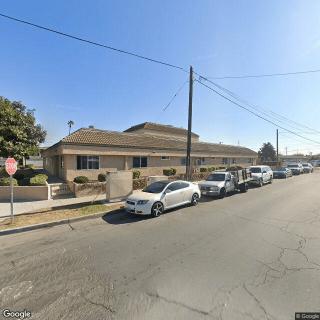
14110 Cordary Avenue, Hawthorne, CA 90250
For more information about senior living options: (866) 208-4318
Rosecrans Villa Residential Care Costs & Pricing
Rosecrans Villa Residential Care offers competitive pricing for its residential care services compared to both Los Angeles County and the broader state of California. The facility charges $936 per month for a semi-private room, significantly lower than the county average of $3,349 and the state average of $3,333. Additionally, for those seeking a studio apartment, Rosecrans Villa's rate of $1,350 stands in stark contrast to the higher costs typically seen in the area, with Los Angeles County averaging $4,172 and California overall at $4,145. These rates reflect Rosecrans Villa's commitment to providing affordable care while maintaining a supportive environment for its residents.
| Floor plans | Rosecrans Villa Residential Care | Los Angeles County | California |
|---|---|---|---|
| Semi-Private | $936 | $3,349 | $3,333 |
| Studio | $1,350 | $4,172 | $4,145 |
Assisted Living communities with a similar price nearby
-
from -$70 / mo
Sunrise Senior Residential Care
$866 to $1,800 / month21.7 miles away -
from +$143 / mo

The Grandview
$1,079 to $2,400 / month11.5 miles away -
from +$57 / mo

Centinela Assisted Living Centre
$993 to $1,261 / month3.3 miles away -
from +$42 / mo

Red Roses Villa
$978 / month17.4 miles away -
from +$64 / mo

Valley View Retirement Center
$1,000 to $1,500 / month21.8 miles away
Overall Review of Rosecrans Villa Residential Care
Cons
 Rosecrans villa is not an elegant place to live.
- There are too many physical cases.
- It is dirty, not livable for the elderly, and extremely loud.
- The reviewer would never let their own mother live there.
Review
Rosecrans Villa Residential Care in Hawthorne is best suited for families facing limited options who must secure hands-on assistance for seniors with substantial physical care needs and who can tolerate a basic, no-frills environment. The facility appears to operate as a practical support option rather than a comfort-forward residence, making it potentially viable when the primary goal is reliable caregiving rather than ambiance. For residents who require continuous help with daily tasks, mobility, and medical maintenance, this community’s model may deliver the necessary staff attention. However, the living conditions and overall atmosphere do not align with the expectations commonly associated with assisted living in terms of comfort, aesthetics, or quiet.
Carefully consider alternatives for families prioritizing cleanliness, quiet, and dignified living spaces. The negative signals, unpleasant environment, lack of elegance, and a sense that the setting is overwhelmed by the number of residents with physical needs, should push decision-makers toward higher-quality options with more consistent housekeeping, calmer atmospheres, and better noise control. If a family can access a larger facility with stronger reputations for cleanliness and resident comfort, those routes should be pursued. In short, Rosecrans Villa is a niche choice at best, not a general recommendation for most seniors seeking a pleasant daily living environment.
Pros, if any, hinge on the basic caregiving framework that can accommodate many physical-care cases. A facility accepting numerous residents with mobility or medical needs may offer more familiar routines, staff trained for movement assistance, and potentially lower staff turnover if the center relies on stable teams. Yet these potential advantages collapse under the most damaging cons described: dirtiness, loud environment, and a sense of livability being compromised. When cleanliness and a calm living space are nonnegotiable, the gritty reality of a dirty, noisy, and crowded setting erodes any perceived caregiving advantages. In other words, the positives are too fragile to compensate for the core deficits.
Safety and comfort appear undermined by maintenance and operational gaps. The signal strongest among the reviews is dirtiness paired with harsh sound levels, which raises concerns about odors, clutter, and the overall upkeep not meeting expectations for a cared-for environment. For seniors with sensory or cognitive challenges, the combination of noise and a less-than-clean setting can worsen anxiety and agitation. Staffing patterns and responsiveness aren’t detailed, but the impression is a facility where oversight and upkeep may lag behind what families expect from assisted living. Before committing, insist on transparent floor plans, daily cleaning routines, and verifiable staffing ratios so a clear picture emerges of daily life here.
From a decision standpoint, visit with a checklist focused on core quality indicators: visible cleanliness of resident rooms and common areas, evidence of ongoing housekeeping, maintenance responsiveness, and a quiet, predictable daily rhythm. Request a tour that includes meals, social activities, and therapy or nursing services to gauge how social and clinical needs are met in practice. Ask for references from current families about staff reliability, emergency response, and transparency in billing. Consider trial periods or short-term stays if available, and compare with nearby facilities that offer similar care levels but with stronger reputations for livability. Concrete data, staff-to-resident ratios, incident reports, and recent surveys, should be obtained before making a binding choice.
Overall, Rosecrans Villa Residential Care presents as a last-resort option for families constrained by budget or limited availability, especially when substantial physical care needs must be met and alternatives are unattainable. The reviews point to fundamental flaws in cleanliness and noise control that significantly degrade daily life, far outweighing any caregiving strengths. For most seniors seeking dignity, comfort, and a stable home atmosphere, several other Hawthorne options or neighboring cities should be pursued first. If this community is the chosen path, approach with a strict, pre-commencement evaluation plan, insist on documented housekeeping standards and staffing metrics, and prepare to reassess quickly should conditions fail to meet stated expectations.
 135 resident community capacity
 Assisted Living
 Independent Living
 Activities on-site
 Air-conditioning
 Beauty salon
 Cable or satellite TV
 Computer center
 Devotional services off-site
 Dining room
 Fitness room
 Fully furnished
 Gaming room
 Garden
 Housekeeping services
 Indoor common areas
 Kitchenette
 Move-in coordination
 Outdoor space
 Private bathrooms
 Restaurant-style dining
 Small library
 Telephone
 Wellness center
 Wi-Fi/high-speed internet available
 Los Angeles International (5 miles away)
 Community operated transportation
 12-16 hour nursing
 24-hour call system
 Ambulatory care
 Assistance with bathing
 Assistance with dressing
 Assistance with transfers
 Diabetes diet
 Diabetic care
 Medication management
 Mental wellness program
 Special dietary restrictions
 Concierge services
 Planned day trips
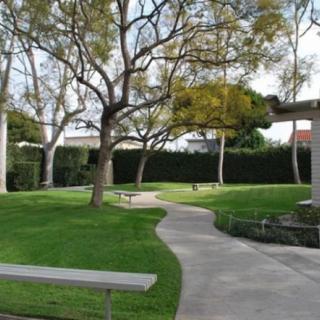
 Caring, family-like staff in a clean, homey setting with available on-site activities.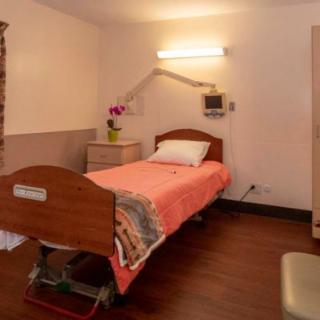



 Medicare Coverage for Assisted Living: An In-Depth Exploration
 Choosing the Right Senior Care: A Detailed Exploration of Assisted Living and Nursing Homes
 Understanding the True Cost of Assisted Living in 2025: A Comprehensive Guide