
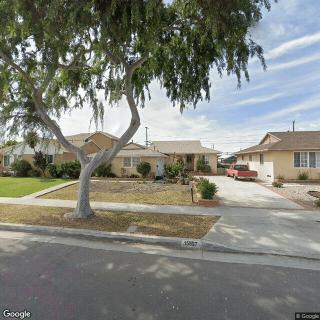
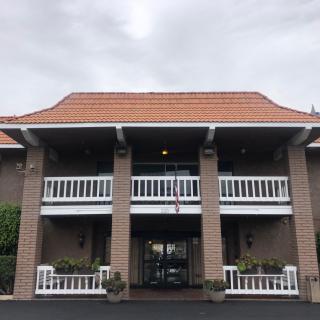
14103 Fonthill Avenue, Hawthorne, CA 90250
For more information about senior living options: (866) 208-4318
Fonthill Gardens Costs & Pricing
Fonthill Gardens offers competitive pricing for its accommodations, particularly when compared to the broader market in Los Angeles County and across California. For instance, residents opting for a semi-private room at Fonthill Gardens will pay $2,500 per month, which is significantly lower than the county average of $3,349 and the state average of $3,333. Private room rates at Fonthill are also appealing, priced at $3,500 monthly - more affordable than the county's rate of $4,197 and closely rivaling the state average of $3,939. Furthermore, their 1-bedroom units are available at $4,000 per month, again undercutting both county and state figures that stand at $4,603 and $4,340 respectively. Overall, Fonthill Gardens presents an attractive option for housing with excellent value amidst rising costs in the surrounding areas.
| Floor plans | Fonthill Gardens | Los Angeles County | California |
|---|---|---|---|
| Semi-Private | $2,500 | $3,349 | $3,333 |
| Private | $3,500 | $4,197 | $3,939 |
| 1 Bedroom | $4,000 | $4,603 | $4,340 |
Overall Review of Fonthill Gardens
Pros
 The staff are really good and care for all residents as if they were family.
- The doctors and nurses are great, and the Liberian girl is awesome.
- The staff are friendly, courteous, and available.
- Fonthill Gardens is clean, and the patients seem happy and content.
- The house is always clean, and the workers are friendly.
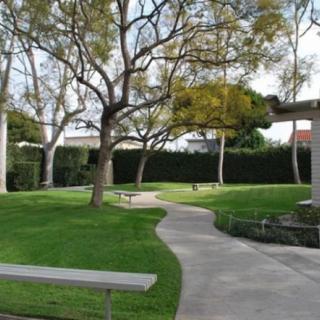
- The environment is homely and peaceful.
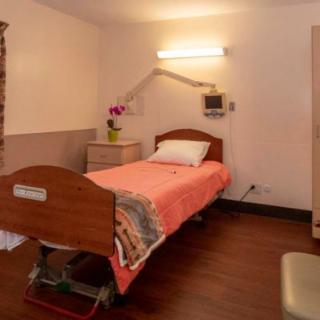
- The rooms are beautiful, and the layout is attractive.
Cons
 The facility was an awful place; residents were given expired food and received really bad care.
- The place was awful.
- The facility housed mostly men with cognitive difficulties, and many residents did nothing but sleep or stare at the television all day, leaving them bored.
- Visitors observed residents staring blankly at the television, with staff putting on Spanish soap operas.
- There was nothing in the way of activities there, just television.
Review
Fonthill Gardens in Hawthorne is best suited for families seeking a small, home-like assisted living option where residents receive steady personal attention and straightforward medical oversight, without the clutter or impersonality of a larger campus. It works for seniors who prioritize a calm, clean environment, and for families who want staff who know their loved one’s routine and preferences. The layout and atmosphere favor those who want a quiet, manageable setting over a bustling, activity-rich community. In practice, this is the kind of place where the day-to-day feel matters as much as formal programming, and where peace of mind comes from reliable staff presence and accessible doctors.
Certain families will want to consider alternatives. The strongest warning signs appear for anyone seeking a vibrant social calendar, diverse resident interaction, or robust cognitive-activity programming. Several reviews flag a lack of meaningful daily engagement, with residents largely sedentary and televisions dominating the common picture. Prospective residents who value large-scale social events, varied enrichment options, or a mixed-age, mixed-gender atmosphere may find Fonthill Gardens lacking. Language needs and cultural accommodations also surface as considerations, particularly for those needing specific non-English support during evenings.
The most persuasive advantages here are real and substantive. Staff are repeatedly described as caring and available, contributing to a genuinely homelike feel. Cleanliness and a calm, unhurried milieu reinforce a sense of comfort and safety, while the reputation for solid medical stewardship, doctors and nurses who are accessible and engaged, offers reassurance for families worried about oversight. The smaller scale is a practical virtue: fewer residents, fewer transitions, and a more intimate routine can translate to quicker responses and more personalized attention when a health issue arises. For families who prize a low-key, predictable environment, these positives often outweigh the absence of a bustle of activity.
Yet the main drawbacks are not trivial. A recurring concern is the integrity of care and meal quality, with occasional strong accusations that provoke serious caution. The all-male environment, paired with a predominantly cognitively impaired resident population in some accounts, can create a restricted social mix and a sense of isolation for some loved ones. Activities, when present, tale a back seat to television and passive viewing, leaving more alert residents bored or disengaged. Inconsistencies during tours, and scattered notes about language and cultural accommodations, reinforce the need for due diligence: visit multiple times, speak with current residents, and demand a transparent view of daily life beyond the marketing pitch.
The way the positives interact with the downsides matters for decision-making. If one value is near-universal reliability, cleanliness, quiet surroundings, accessible medical staff, these factors can offset limitations in programming by reducing stress and ensuring timely care. Families with a loved one who prefers routine over stimulation may find the trade-off worthwhile: consistent staff rapport, predictable daily structure, and a peaceful setting can enhance quality of life even when activities are sparse. However, for a loved one who thrives on social interaction, varied stimuli, or a more diverse resident community, the balance may tilt toward a higher-energy option elsewhere.
To move forward decisively, pursue a structured, in-person assessment. Request a current activity schedule, sample menus, and the most recent care plans for residents with similar needs. Ask for exact staff-to-resident ratios during peak hours, and observe a meal, a group activity, and a medication pass to gauge real workflows. Meet frontline caregivers and the administrator with specific questions about safety protocols, emergency response times, and what happens when a resident’s condition worsens after hours. If these questions reveal gaps, or if the environment feels too quiet or homogenous, alternatives with stronger enrichment programming and a more diverse resident mix should be seriously considered.
 6 resident community capacity
 Assisted Living
 Board and Care Home
 Memory Care
 Activities on-site
 Beautician on-site
 Cable or satellite TV
 Devotional services off-site
 Dining room
 Fully furnished
 Garden
 Housekeeping services
 Indoor common areas
 Move-in coordination
 Outdoor space
 Private
 Private bathrooms
 Respite or short term stays offered
 Telephone
 Wheelchair accessible showers
 Wi-Fi/high-speed internet available
 Los Angeles International (5 miles away)
 24-hour supervision
 Assistance with bathing
 Assistance with dressing
 Assistance with transfers
 Diabetes diet
 Diabetic care
 High acuity care
 Meal preparation and service
 Medication management
 Special dietary restrictions
 Transportation arrangement (medical)
 Transportation to doctors appointments




 When Dementia Sparks Anger and Aggression: Understanding the Connection and Ways to Cope
 Dementia Behaviors: In-Depth Understanding and Effective Coping Strategies
 5 Early Indicators of Dementia and What You Can Do