For more information about senior living options: (866) 208-4318
3.4 from 55 reviews
5 stars
30
4 stars
3
3 stars
0
2 stars
1
1 stars
21
Overall Review of Arbor Post Acute
common24 reviews mention this
Care teams get praised most
Residents’ families consistently describe staff as kind, attentive, and responsive with care updates.
Many reviewers highlight staff kindness and patience during recovery, along with frequent check-ins and follow-through on concerns. Several mention being greeted warmly and feeling informed, including updates on condition and medication changes. A number of families also call out specific team members in nursing, social services, and therapy as especially supportive.
common12 reviews mention this
Cleanliness stands out repeatedly
Multiple reviewers mention the facility is consistently clean and well maintained.
Positive reviews commonly describe a clean, well-kept environment and an overall sense of comfort in the building. Other comments echo cleanliness during a short rehab stay, while some negative reviews mention messes or trash that left a strong impression. Overall, cleanliness is one of the most repeated points across different experiences.
common10 reviews mention this
Therapy support is a major focus
Reviews frequently point to therapy staff as patient, encouraging, and helpful for progress.
Several families praise physical therapy and PT/OT for helping loved ones make improvements, including mobility gains and encouragement during recovery. A few reviewers also mention wound care needs being addressed and describe staff working to support comfort and engagement. Even when reviews criticize other parts of care, therapy is often discussed separately and more positively.
caveat9 reviews mention this
Food quality draws mixed feedback
Food is one of the most debated parts of the experience, with complaints about temperature and nutrition.
Some reviewers call the food service excellent or describe especially good meals. Others report the food arriving cold or tasting old and say it wasn’t appetizing. A few critiques also focus on nutrition concerns, including limited fiber and inadequate nutrition, which affected comfort and weight.
caveat12 reviews mention this
Family communication has clear friction
Communication is a recurring concern, including hard-to-reach phones and delays in responses.
Several reviewers say calls weren’t answered, messages weren’t returned, or staff felt difficult to contact when questions came up. Other negative comments describe long waits for care requests or uncertainty about what was happening with the patient’s situation. While some families praise responsiveness and care conferences, the communication complaints show up often enough to be a consistent drawback.
How we summarize
Counts show how many written reviews mention each theme; a review can touch several themes, and only frequently mentioned themes are displayed.
Features
Housing
144 resident community capacity
Types of Care
Skilled Nursing Facility
Amenities
Air-conditioning
Beauty salon
Cable or satellite TV
Computer center
Dining room
Fitness room
Fully furnished
Gaming room
Garden
Housekeeping services
Kitchenette
Move-in coordination
Outdoor space
Private bathrooms
Restaurant-style dining
Small library
Telephone
Wellness center
Wi-Fi/high-speed internet available
Transportation
Chico Municipal (5 miles away)
Community operated transportation
Transportation arrangement
Transportation arrangement (non-medical)
Transportation to doctors appointments
Care Services
12-16 hour nursing
24-hour call system
24-hour supervision
Activities of daily living assistance
Assistance with bathing
Assistance with dressing
Assistance with transfers
Diabetes diet
Meal preparation and service
Medication management
Mental wellness program
Special dietary restrictions
Dining
Diabetes diet
Special dietary restrictions
Activities
Community-sponsored activities
Concierge services
Fitness programs
Planned day trips
Resident-run activities
Scheduled daily activities
Nearby Places of Interest
Places of Worship
Calvary Chapel Chico (0.2 miles)
Awakening Glory Ministries (1.1 miles)
Congregational Church, UCC (1.7 miles)
Physicians
Open System Imaging (0.3 miles)
Butte-Glenn Medical Society (1.2 miles)
Digestion Relief Center (1.3 miles)
Skypark Walk In Medical Center (1.3 miles)
Uzma Abbasi (1.4 miles)
Orthopedic Associates of Northern California (1.5 miles)
Skyway Surgery Center (1.5 miles)
Restaurants
Chico Smoothie (0.4 miles)
Green Burrito (0.4 miles)
Taco Bell (0.4 miles)
Chili's Grill & Bar (0.4 miles)
Jack In The Box (0.4 miles)
Logan's Roadhouse (0.5 miles)
Hula's Chinese Bar-B-Q (0.5 miles)
Parks
Parkside Terrace Park (0.4 miles)
One Mile Recreational Area (1.4 miles)
Hooker Oak Recreation Area (1.9 miles)
Genetic Resource and Conservation Center (2 miles)
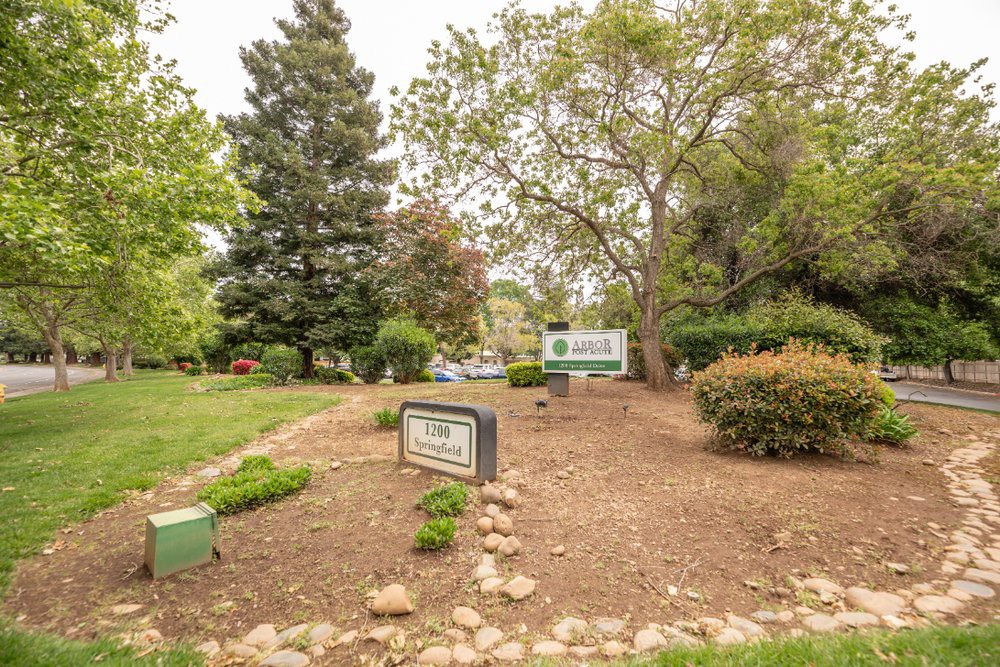
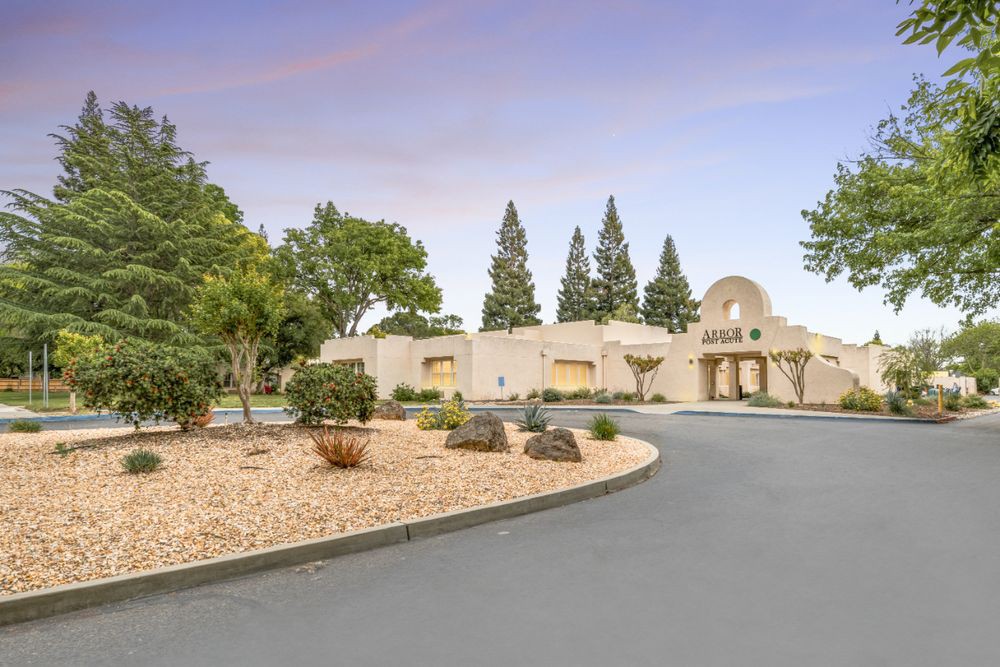
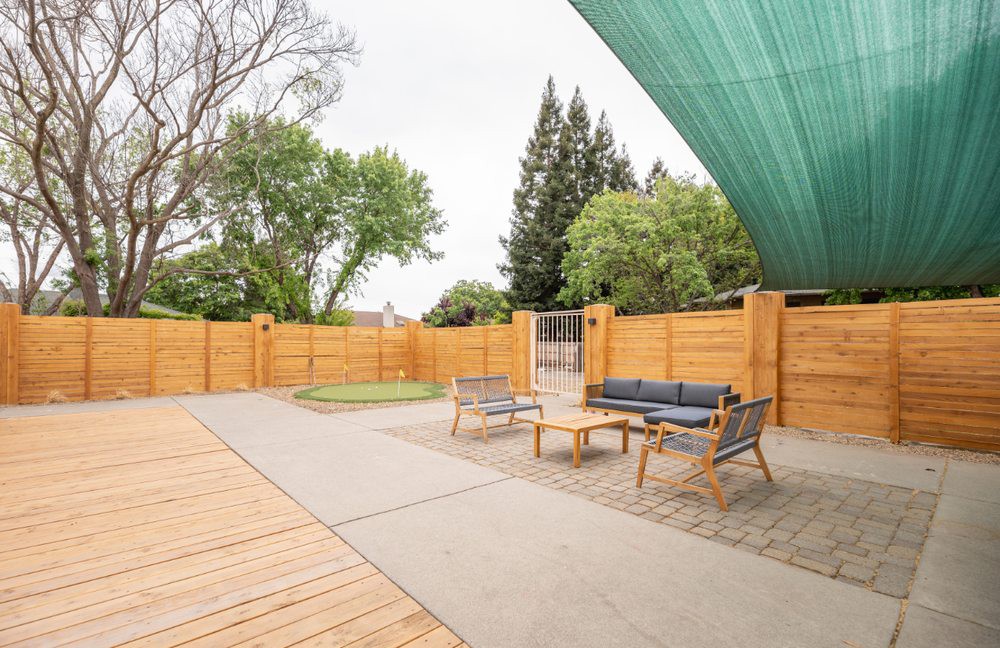
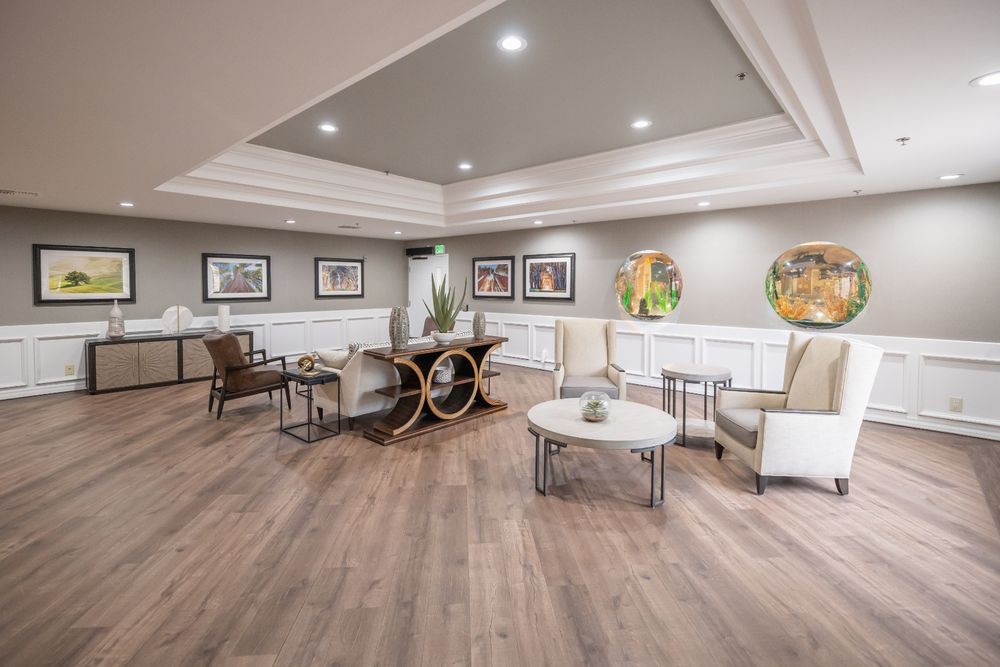
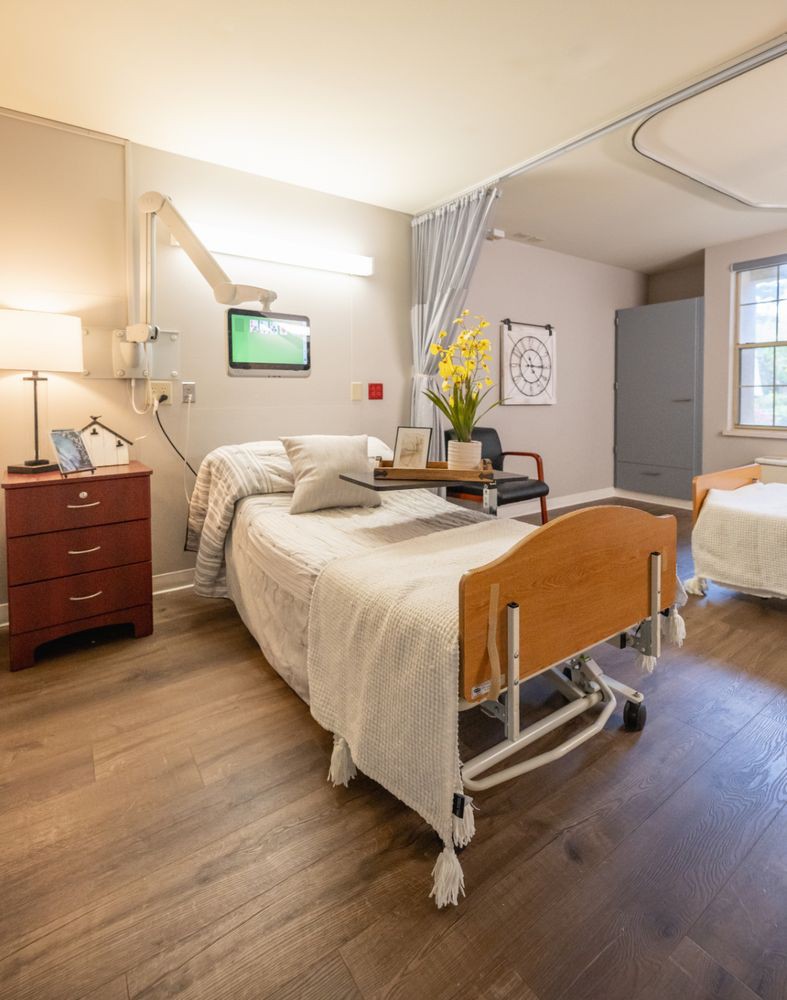
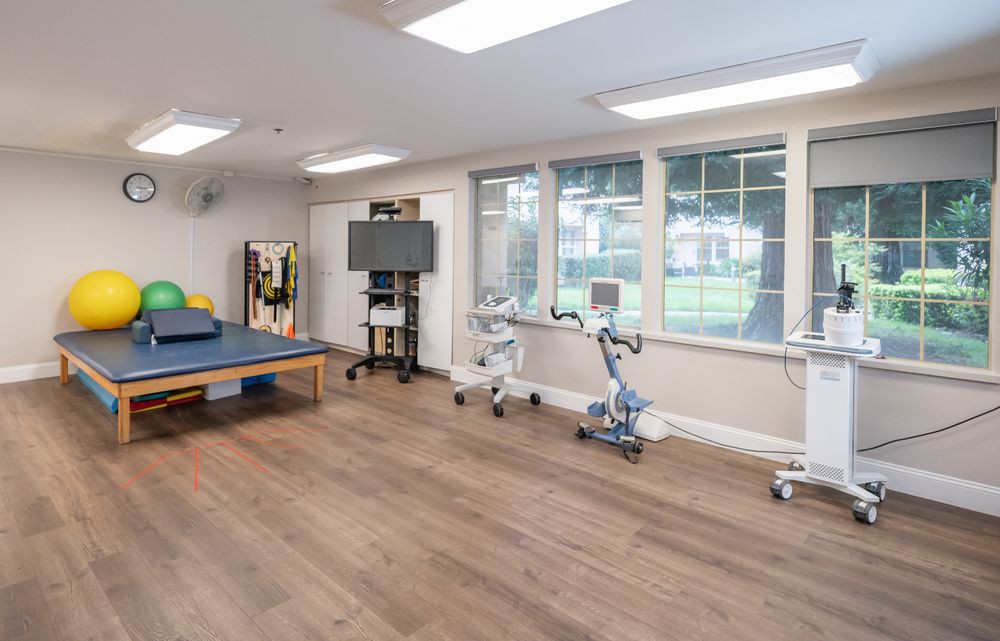
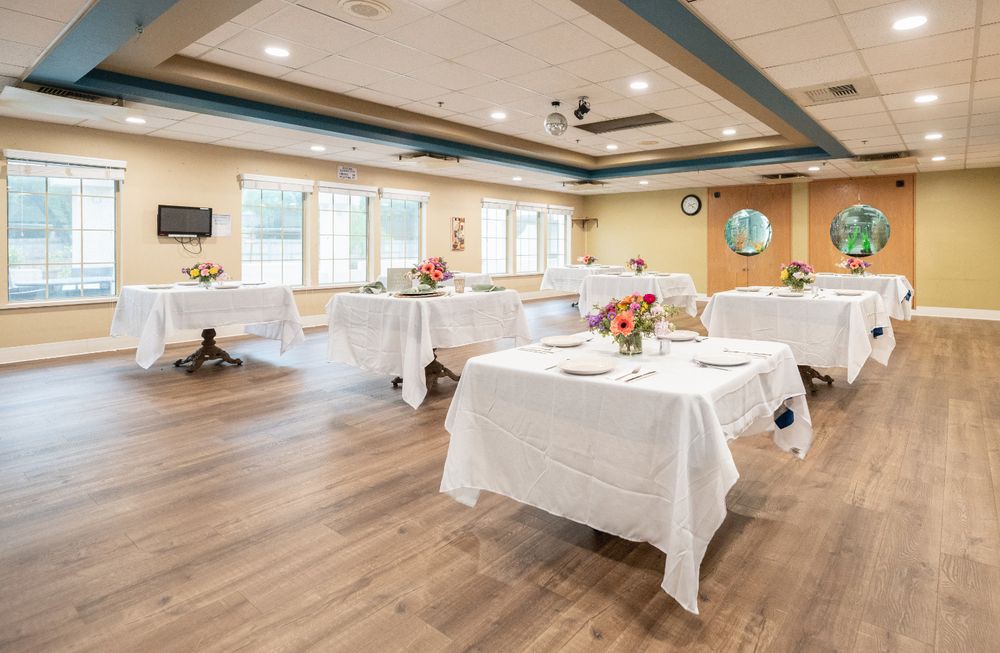
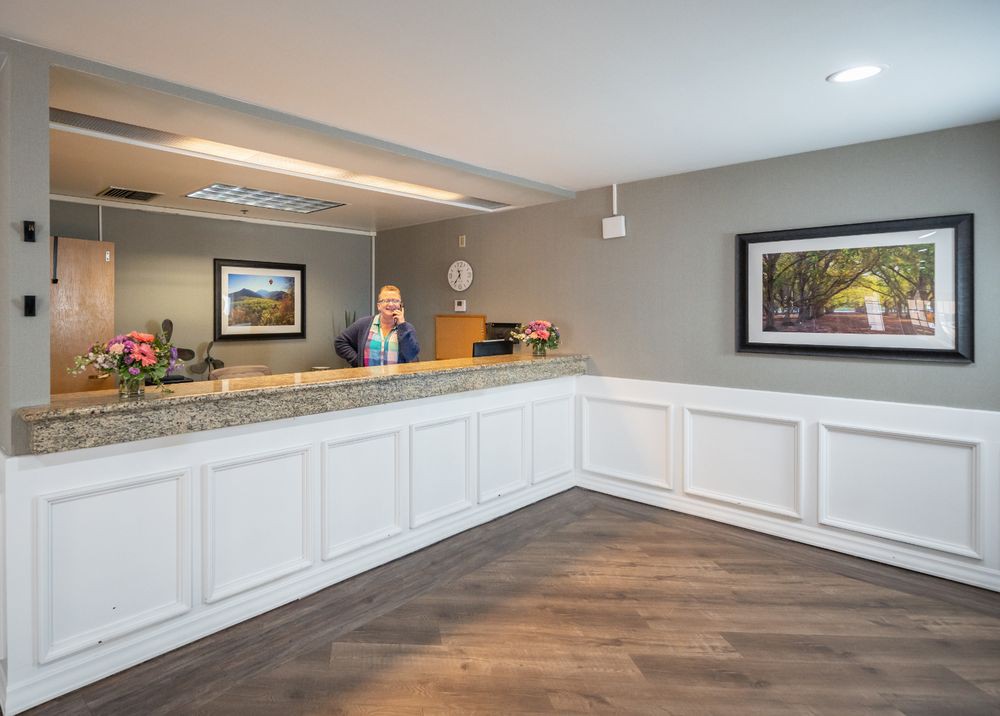
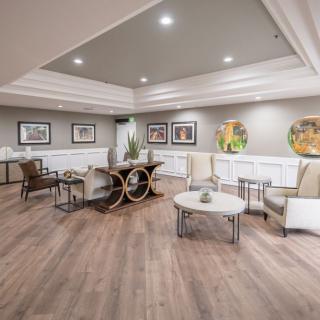
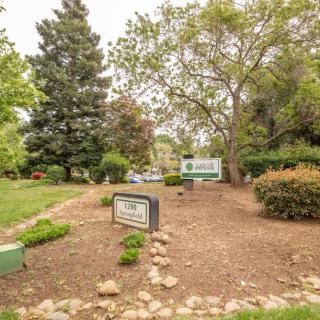
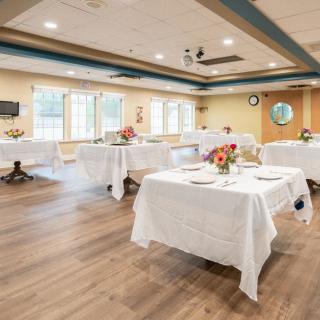
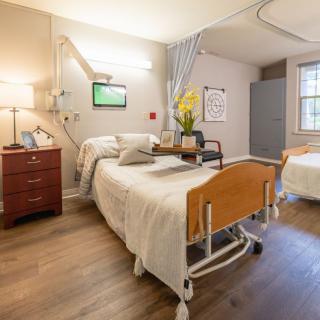
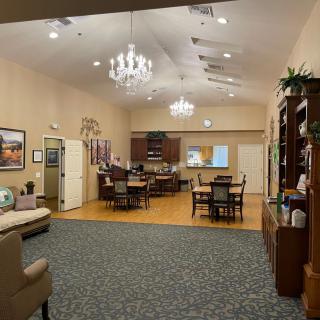
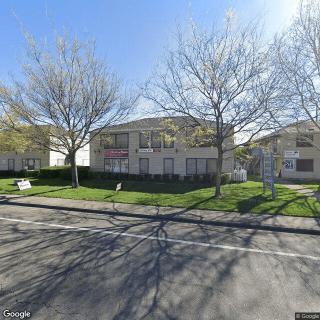
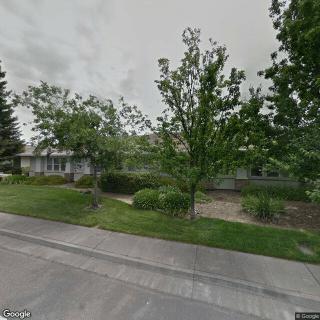
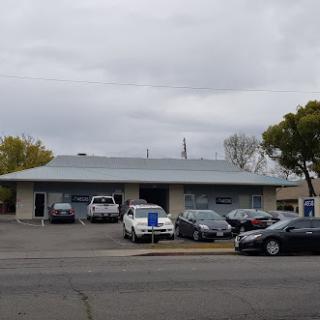
Arbor Post Acute on seniors.fyi includes 9 photos including images showing interior, trees, landscaping, lobby, waiting area, decor, healthcare, windows, and more.
Nearby Communities
Cinnamon Village
Chico, CA
2.8 from 15 reviews
Excellent location with convenient access to cafes, parks, pharmacies, doctors, dining, transportation, worship, and hospitals.
The Courtyard At Little Chico Creek
Chico, CA
4.6 from 16 reviews
Friendly, attentive staff creating a welcoming environment.
Roseleaf Senior Care
Chico, CA
4.3 from 14 reviews
$2,500 to $5,550 / month
Engaging activities, cheerful, experienced staff, clean facilities, and a strong sense of community.
Turning Point Commons- HUD/SECTION 8
Chico, CA
4 from 21 reviews
Excellent access to nearby healthcare, dining, parks, and other daily amenities.
Arcadia Health Care
Chico, CA
4.3 from 6 reviews
Strong Chico location with extensive nearby healthcare, dining, parks, and transportation options.
Interim Healthcare
Chico, CA
3.8 from 10 reviews
Friendly initial interview and dependable, knowledgeable caregivers.
Windsor Chico Creek Care And Rehab Center
Chico, CA
2.2 from 50 reviews
Friendly staff and a clean, well-maintained facility with engaging activities and care services.
Almond Blossom Senior Care
Chico, CA
3.3 from 6 reviews
$3,500 to $3,700 / month
Friendly staff, a proactive owner, and a welcoming, safety-focused environment.
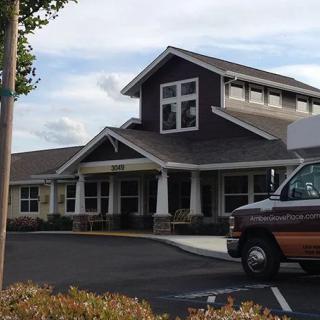
Amber Grove Place
Chico, CA
4.6 from 54 reviews
$4,850 to $7,350 / month
Compassionate staff, engaging activities, and a consistently clean memory-care environment.
Fecal incontinence, prevalent among older adults, arises from factors like weakened pelvic muscles and nerve damage, significantly affecting well-being and social interactions. Diagnosis involves clinical evaluation and tests to inform tailored treatments, while caregivers and preventive measures can aid in managing the condition effectively.
Anticipatory grief is an emotional response to the impending loss of a loved one, characterized by complex emotions such as sadness and anger, and involves navigating stages similar to those identified by Kübler-Ross. Coping strategies are vital for managing this process, emphasizing compassionate communication, self-care, and support groups while recognizing the cultural influences on grieving.
Adult day care programs offer essential support and activities for older adults, yet many hesitate to participate due to concerns about independence and stigma. To alleviate these apprehensions, families should facilitate open discussions, explore financial resources, suggest trial visits, and collaborate with healthcare providers to highlight the benefits of such services for both the participants and their caregivers.
Exercise Equipment, Rehabilitation, Physical Therapy, and Bright Lighting
Healthcare
Office and Reception
Wooden Flooring
Get PricingAsk A QuestionSchedule A TourContact Senior Advisor
By clicking submit, you agree to our Partner's Terms of Use. You
also consent to receive calls and texts, which may be autodialed, from our Partner. Your consent is not a condition to
using our Partner's service. Please visit our Partner's Privacy Policy for information about their privacy practices.


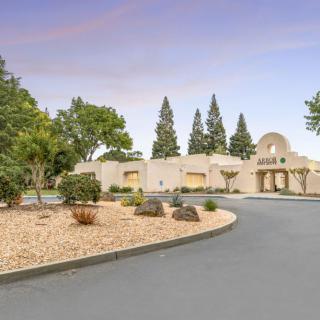
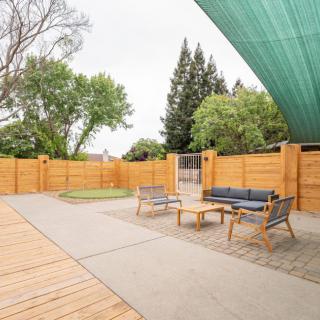
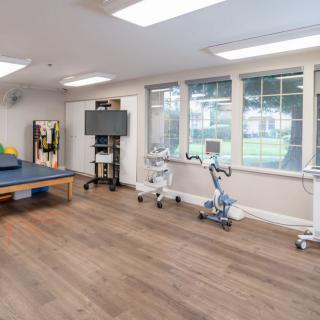
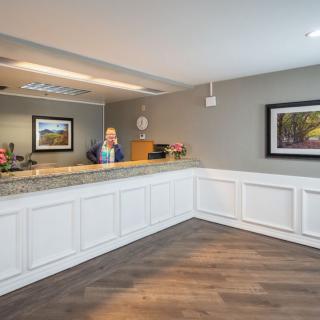
 144 resident community capacity
 Skilled Nursing Facility
 Air-conditioning
 Beauty salon
 Cable or satellite TV
 Computer center
 Dining room
 Fitness room
 Fully furnished
 Gaming room
 Garden
 Housekeeping services
 Kitchenette
 Move-in coordination
 Outdoor space
 Private bathrooms
 Restaurant-style dining
 Small library
 Telephone
 Wellness center
 Wi-Fi/high-speed internet available
 Chico Municipal (5 miles away)
 Community operated transportation
 12-16 hour nursing
 24-hour call system
 Activities of daily living assistance
 Assistance with bathing
 Assistance with dressing
 Assistance with transfers
 Diabetes diet
 Medication management
 Mental wellness program
 Special dietary restrictions
 Concierge services
 Planned day trips
 Excellent location with convenient access to cafes, parks, pharmacies, doctors, dining, transportation, worship, and hospitals.

 Fecal Incontinence in Older Adults: A Comprehensive Guide
 Recognizing the Journey: Understanding and Navigating Anticipatory Grief
 Encouraging Participation in Adult Day Care: A Guide to Supporting a Hesitant Parent