Amber Grove Place in Chico, CA

Save

  • Interior

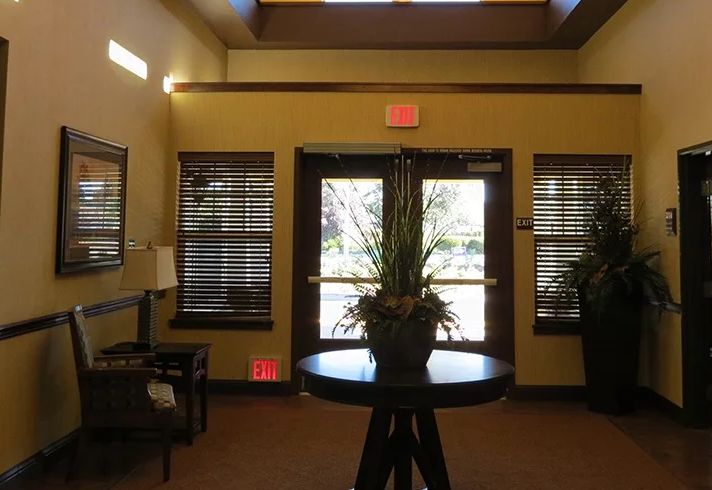
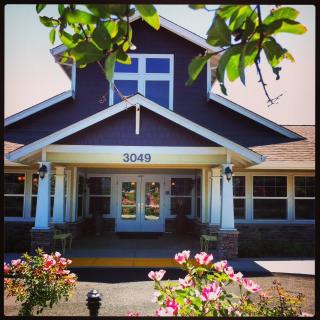
    A well-lit lobby with a round table featuring potted plants in front of a glass entrance door.
  • Outdoors

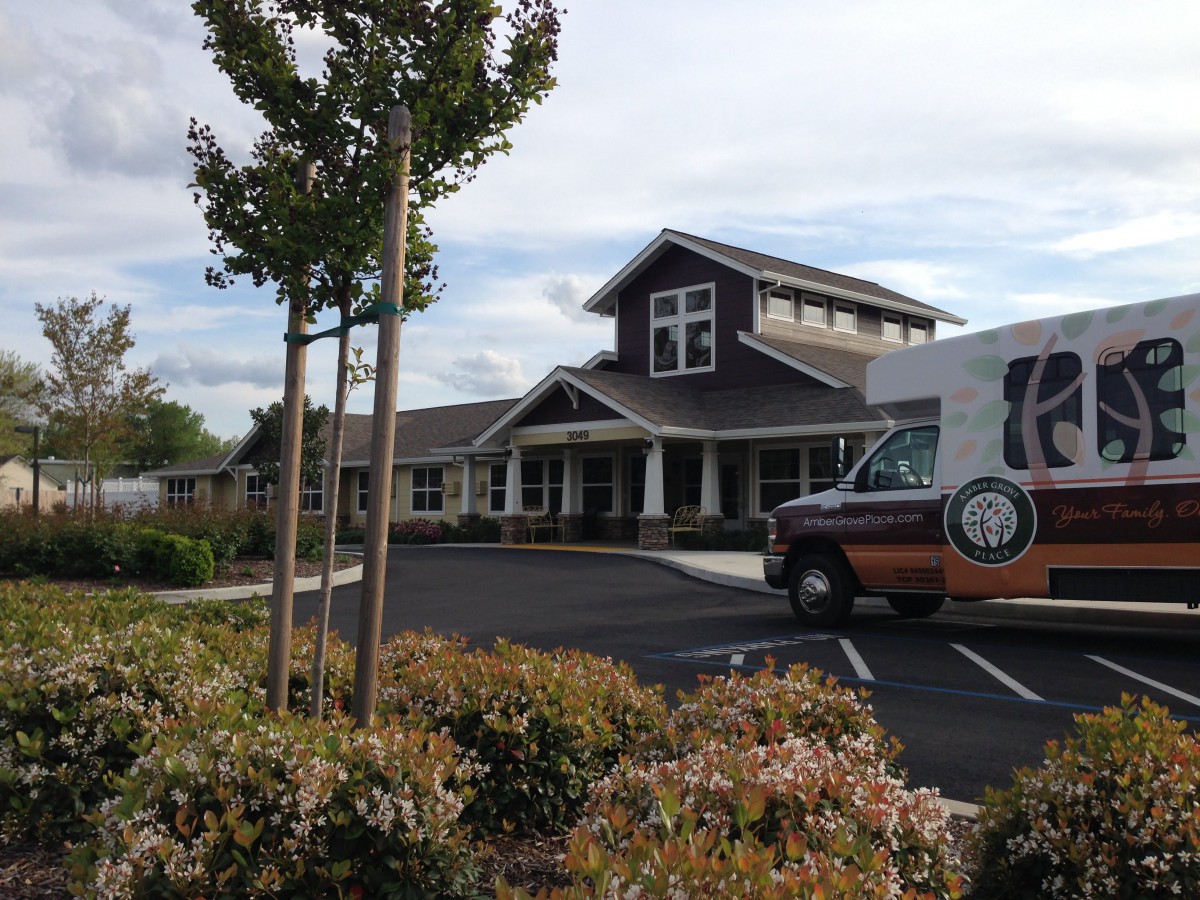
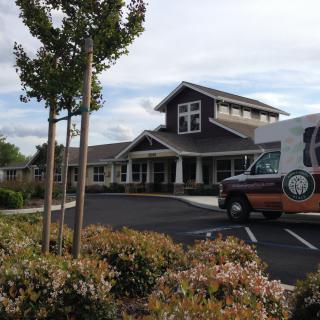
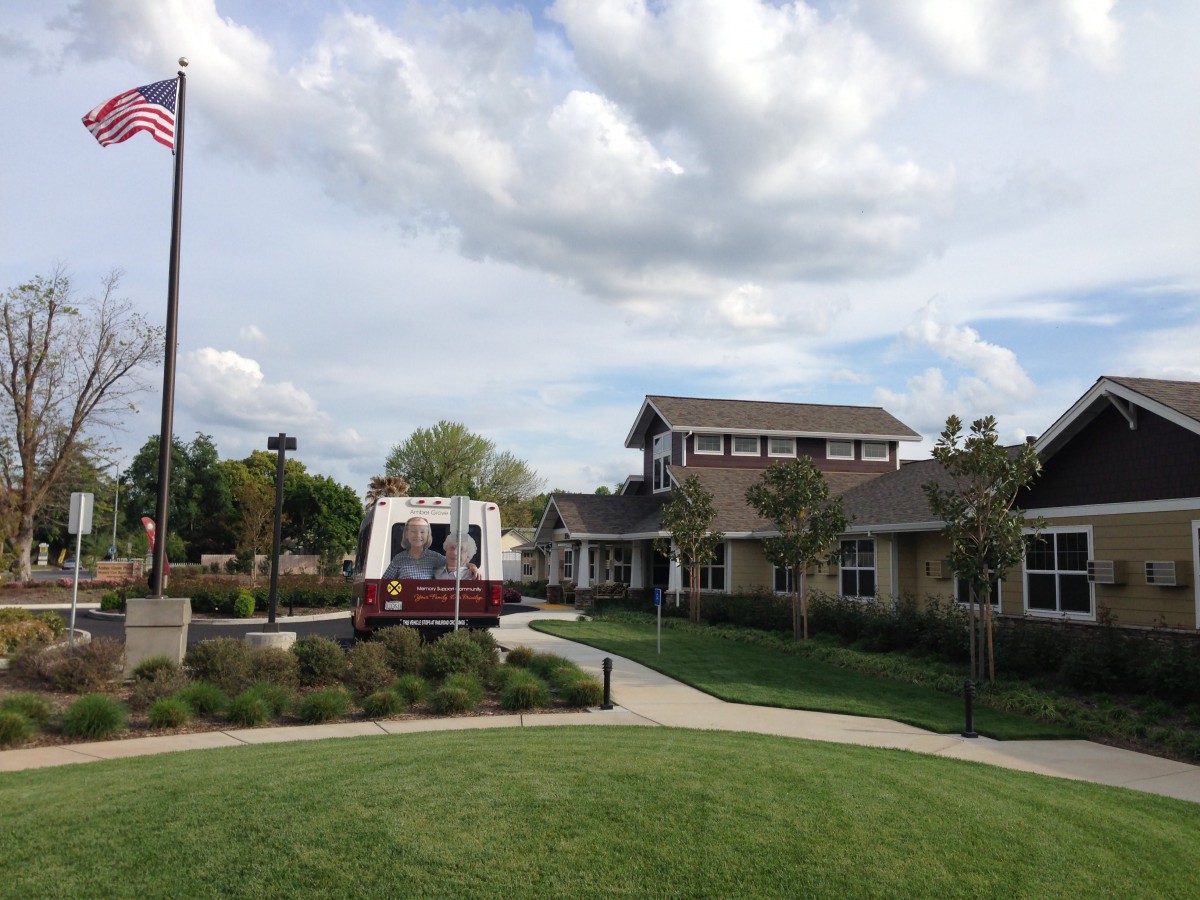
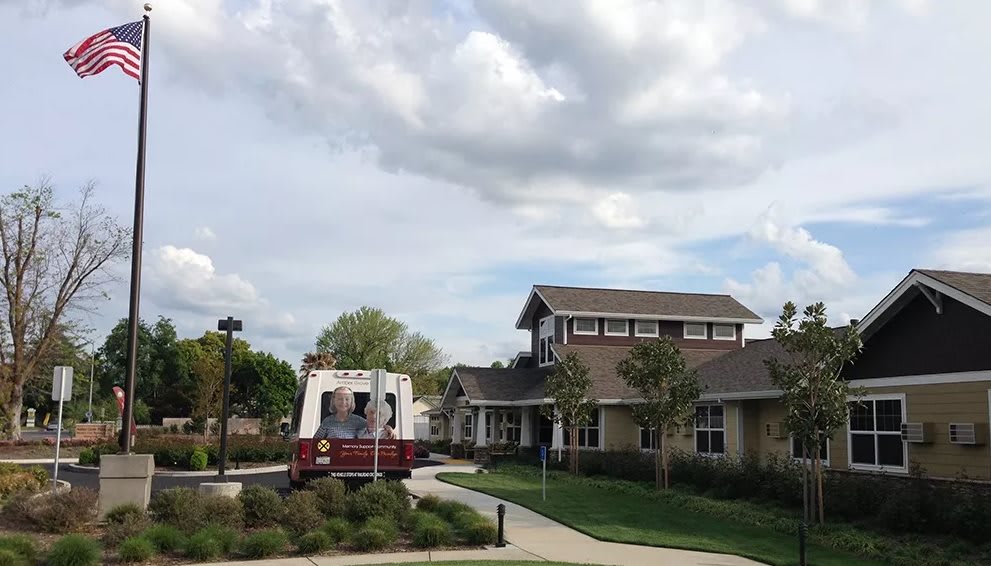
    A parked shuttle bus with advertising graphics near a building under clear skies.
  • Decor

    A cozy dining room interior with several tables and chairs, well-lit by chandeliers and skylights.
  • Living Room

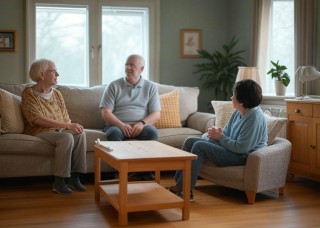
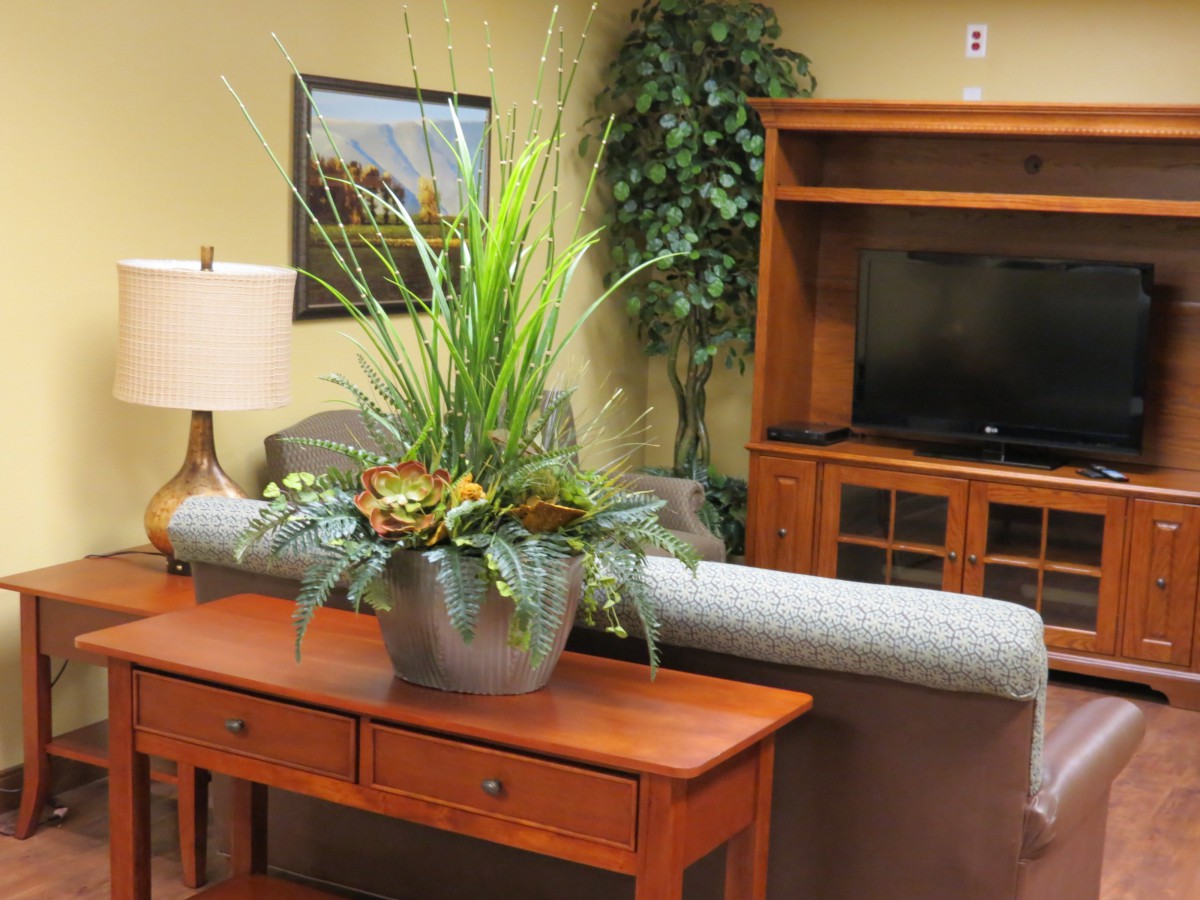
    A cozy living room with a wooden table, decorative indoor plant, sofa, and TV stand.
  • Building

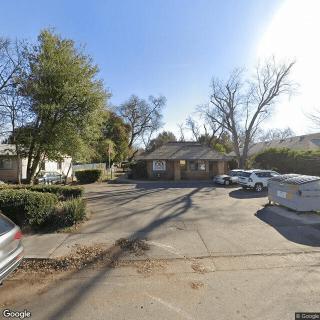
    A residential-style building with a porch and a vehicle parked in front, under a cloudy sky.
  • Architecture

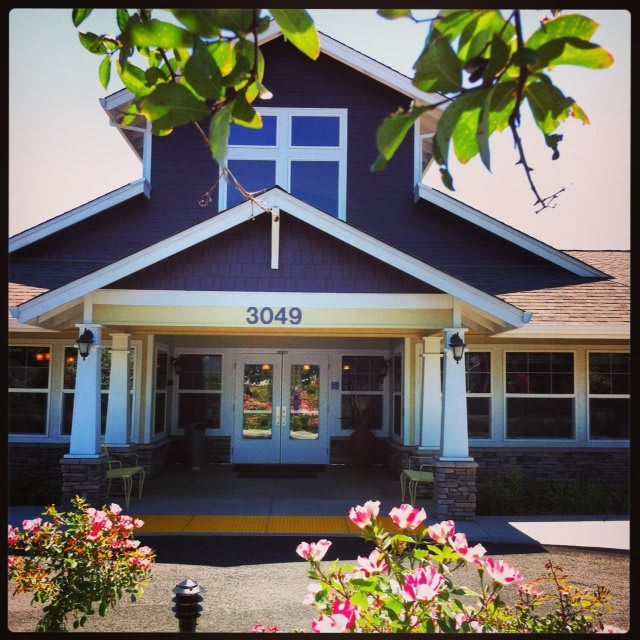
    A charming house with a front porch and garden in bloom.
  • Trees

    A sunny garden scene with a bench under a tree and vibrant pink flowers.
  • Windows

    A bright lobby with a chandelier and a central table adorned with plants.
  • Landscaping

    A van parked in front of a large building on a cloudy day.
  • Garden

    A garden scene featuring a tree with vibrant pink flowers.
  • Seating Area

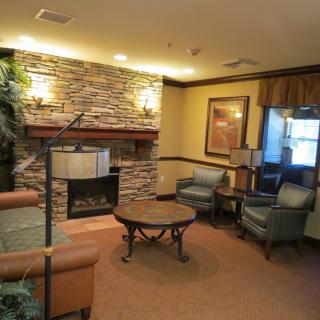
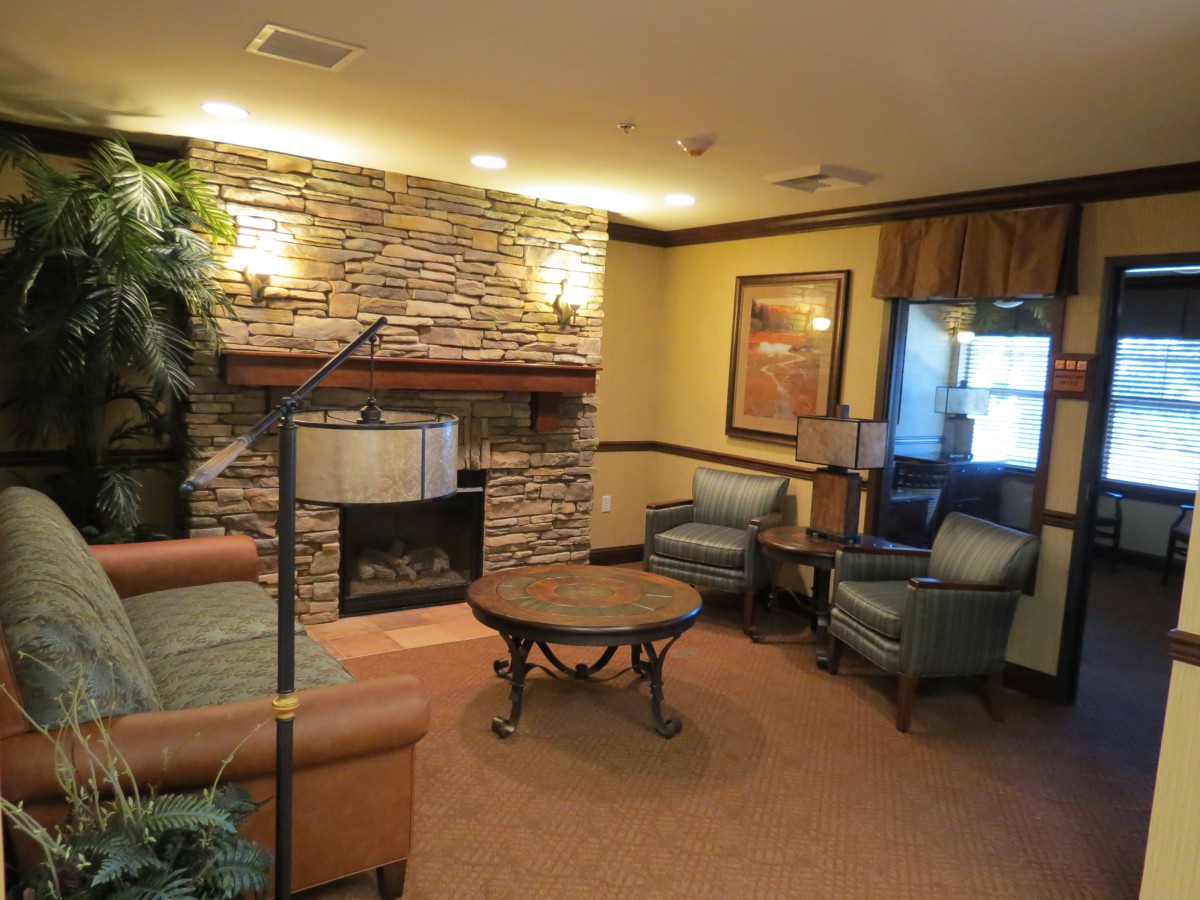
    A cozy lounge area with comfortable seating and a stone fireplace.
  • Patio

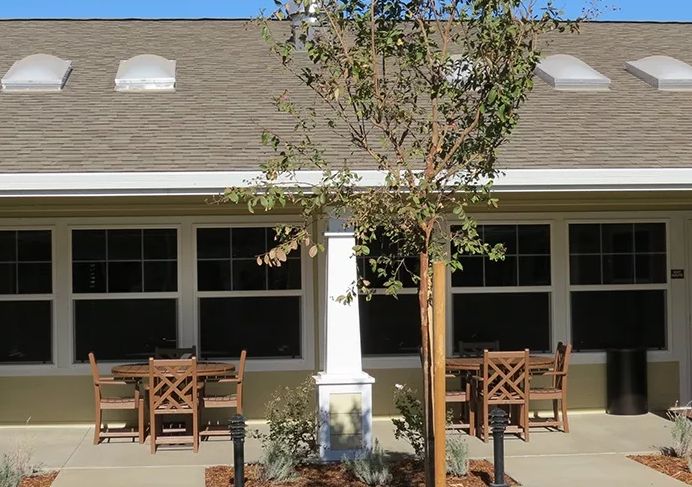
    A patio area with wooden chairs and tables, featuring a small tree and building exterior in the background.
  • Exterior

    A view of a residential building with a landscaped courtyard, featuring a central lawn and surrounding pathways.
  • Painting

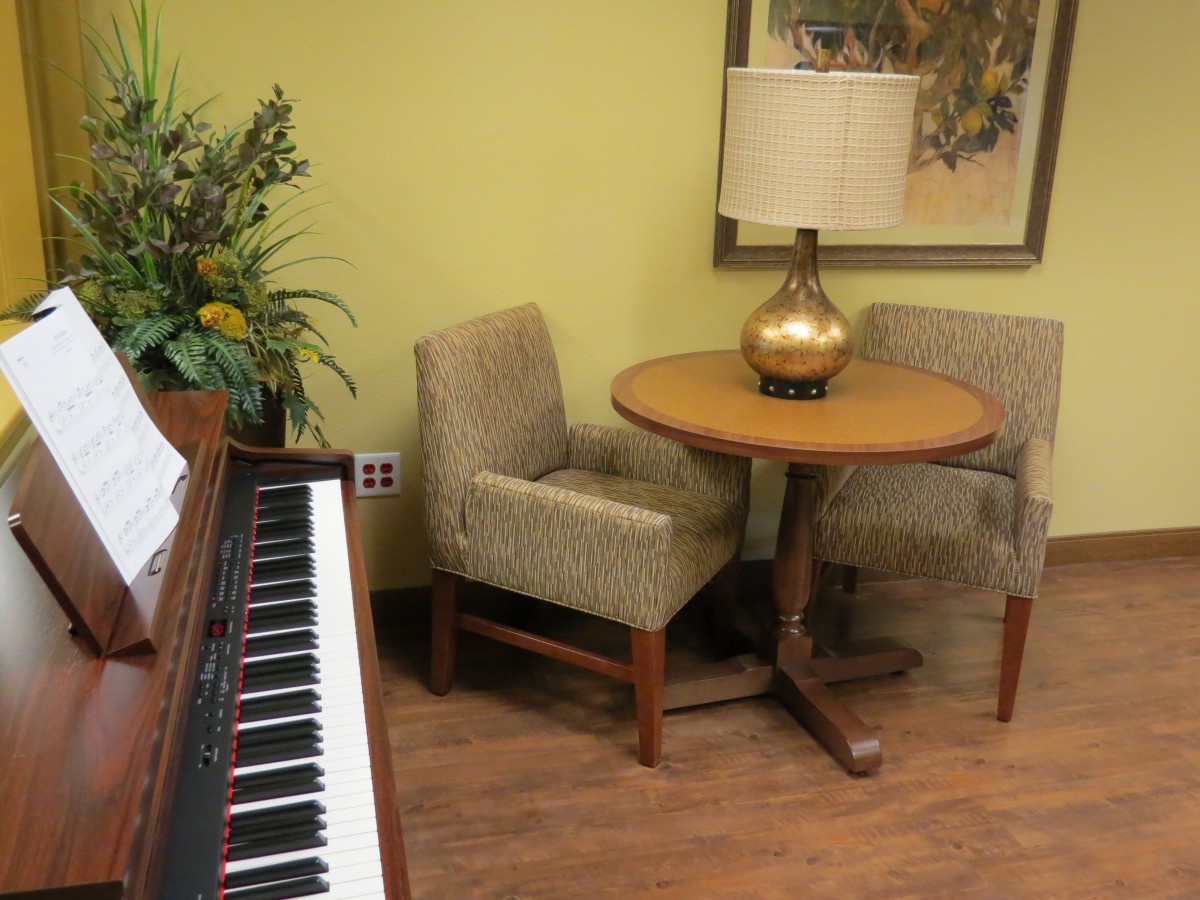
    A cozy corner with a piano, small round table, two chairs, and a lamp.

Amber Grove Place in Chico, CA

Information last verified:

3049 Esplanade, Chico, CA 95973

For more information about senior living options: (844) 490-3973

4.6 from 53 reviews
5 stars
41
4 stars
8
3 stars
2
2 stars
0
1 stars
2

Seniors.FYI Elite Community Awards

Top 5% Senior Living Community in 2018Top 5% Senior Living Community in 2019

Add this award to your website

Amber Grove Place Costs & Pricing

At Amber Grove Place, the monthly costs for accommodations reflect a premium investment in quality care and services. For a semi-private room, the fee is set at $4,850, significantly higher than both Tehama County's average of $3,358 and California's overall average of $3,333. The disparity is even more pronounced with studio arrangements, where Amber Grove Place charges $7,350 compared to $3,612 in Tehama County and $4,145 statewide. These rates indicate not only the facility's commitment to providing enhanced living experiences but also suggest that residents may be paying for additional amenities or specialized care options that elevate their overall quality of life.

Floor plansAmber Grove PlaceTehama CountyCalifornia
Semi-Private$4,850$3,358$3,333
Studio$7,350$3,612$4,145

Overall Review of Amber Grove Place

Pros

  • pro Amber Grove provides a great atmosphere for residents, with a welcoming and home-like feel.
  • pro The staff greet residents warmly and consistently, offering smiles and friendly hellos.
  • pro The caregivers are caring, compassionate, and attentive to residents’ needs.
  • pro The administration and staff are well trained and demonstrate genuine pride and concern for residents.
  • pro The facility is clean, well maintained, and pleasantly scented.
  • pro The activities program is engaging, varied, and keeps residents involved daily.
  • pro Families feel reassured by the care and often describe Amber Grove as among the best memory care options in the area.
  • pro The staff build meaningful relationships with families, providing warmth, patience, and personalized care.

Cons

  • pro The staff needs to work on their friendliness. It could be better.
  • pro This place is a joke! Overworked, underpaid and the residents aren’t treated well.
  • pro Nice neighborhood. Snooty neighbors.
  • pro His room smells like urine.

Review

Amber Grove Place in Chico is best suited for families seeking a memory-care focused environment where residents receive highly personalized attention in a warm, home-like setting. The community consistently earns praise for a calm, engaging atmosphere, a clean and welcoming campus, and staff who greet residents with genuine warmth. Memory-centric programming shapes the rhythm of each day, balancing art, music, outings, and social connection to honor residents’ moments and preserve a sense of purpose. Families report reassuring experiences from the front desk to dietary staff, where kindness and attentiveness are the norm. The intimate, purpose-built design helps caregivers know each resident’s preferences and quirks, translating into smoother daily routines and fewer disruptions during transitions. For those who prioritize dignity, predictable routines, and visible compassion, Amber Grove stands out as a top choice in Chico.

On balance, Amber Grove may not be the right fit for every budget or clinical need. The community’s strength as a memory-care specialty can strain affordability, with several families noting price increases that affect long-term planning. Those requiring broader on-site medical oversight or frequent nursing intervention beyond memory-care protocols may find the care model lacks sufficient escalation options. Families with residents who exhibit complex or highly unpredictable medical needs might prefer a larger campus with more extensive clinical resources. There are also voices expressing concern about interpersonal dynamics and consistency on certain shifts, reminding decision-makers to observe staffing patterns and morale during tours. For seniors needing hospital-grade monitoring or a more clinical, multi-discipline setting, exploring alternatives with deeper medical depth is prudent.

The positives continue to outweigh the negatives when evaluating the core strengths. The staff’s warmth and competence show up consistently in reviews, with caregivers described as compassionate, patient, and genuinely attentive. Leadership engagement appears accessible and responsive, reinforcing trust for families navigating dementia care. The activity calendar is robust and varied, live performances, therapy animal visits, art projects, music, and outdoor excursions, designed to keep residents engaged, socially connected, and emotionally uplifted. Cleanliness and odor control are repeatedly cited as reassuring, addressing a common concern in memory care. Residents often experience personalized care plans that honor individual histories and routines, delivered with empathy and gentle guidance. The setting reinforces security and comfort: a compact footprint, well-maintained spaces, and a design philosophy that minimizes disorientation by avoiding dead-end hallways. All told, Amber Grove cultivates a home-like, respectful atmosphere.

Nevertheless, several reviews flag considerations that deserve attention. A minority of commenters question friendliness or consistency of service, suggesting that interactions can vary by shift or department. Cost concerns surface in a handful of posts, with ongoing price increases shaping expectations about value. There is at least one serious allegation from a former staff member regarding mistreatment, underscoring the importance of independent observation and ongoing dialogue with administration. A couple of families recount incidents where a resident’s behavior prompted difficult discharge decisions, highlighting the need to understand policies on behavioral challenges and the availability of appropriate alternatives. The administration’s openness to feedback, evident in tour experiences and direct engagement, equips families to weigh these concerns against the demonstrated strengths, especially in light of Amber Grove’s memory-care focus.

When weighed against its downsides, Amber Grove’s advantages for memory care are compelling. The intimate setting fosters deeper relationships, clearer communications, and more meaningful daily engagement for residents and families alike, reducing caregiver stress at home. The care team’s emphasis on empathy, purposeful activities, and family involvement translates to calmer mornings, more predictable routines, and a stronger sense of dignity for residents navigating memory loss. Design choices, such as a circular-like hallway concept and strong sightlines, support orientation and safety without sacrificing warmth, contributing to a sense of belonging rather than clinical detachment. Coupled with a culture of respect, trained staff, and a track record of attentive engagement, these factors create a value proposition that many families consider worthwhile, even when faced with price considerations. For families prioritizing memory-care quality and a genuine, home-like environment, Amber Grove delivers.

Decision-makers should plan a purposeful visit to confirm fit. Tours should be conducted at different times to observe real-time interactions and to hear how staff handle daily routines, meals, and one-on-one care. It is essential to ask about how the campus adapts as needs evolve and whether transitions to higher levels of care can occur without upheaval. Inquiries about behavioral-management policies and discharge criteria should be compared with other Chico memory-care options to gauge how well value aligns with safety, engagement, and staff stability. If warmth, personalized attention, and a rich activity program are the top priorities, Amber Grove is a strong contender and merits serious consideration. If affordability or the desire for broader medical coverage and less specialized memory-care programming takes precedence, it remains prudent to review alternatives, but Amber Grove stands as a standout option worth pursuing in Chico.

Features

Housing

  • 70 resident community capacity 70 resident community capacity

Types of Care

  • Memory Care Memory CareMemory care is crucial for seniors as it provides specialized support and services for individuals with dementia or Alzheimer's disease. These programs offer a safe and secure environment where residents receive personalized care, cognitive stimulation, and help with daily activities. Memory care helps seniors maintain their independence, quality of life, and dignity while also providing peace of mind for their families.
  • Respite Care Respite CareRespite care provides temporary relief for caregivers, allowing them to recharge and attend to their own needs. It also gives seniors the opportunity to socialize, receive professional care, and experience a change of scenery, promoting overall well-being and reducing feelings of isolation.
  • Skilled Nursing Facility Skilled Nursing FacilitySkilled Nursing Facilities are crucial for seniors as they provide round-the-clock medical care, rehabilitation services, and assistance with daily activities. These facilities ensure that seniors receive the specialized care they need to maintain their health and well-being as they age.

Pets

  • Cats allowed Cats allowed"Pet friendly" senior living communities are important for seniors because pets provide companionship, reduce feelings of loneliness and depression, promote physical activity and mental stimulation, and offer a sense of purpose and responsibility. Pets can improve overall well-being and quality of life for seniors in many ways.
  • Dogs allowed Dogs allowed"Pet friendly" senior living communities are important for seniors because pets provide companionship, reduce feelings of loneliness and depression, promote physical activity and mental stimulation, and offer a sense of purpose and responsibility. Pets can improve overall well-being and quality of life for seniors in many ways.

Amenities

  • Activities off-site Activities off-siteEngaging in off-site activities is crucial for seniors to maintain social connections, stay active, and stimulate their minds. It promotes overall well-being and helps combat feelings of isolation and loneliness.
  • Activities on-site Activities on-siteActivities on-site are important for seniors because they provide opportunities for socialization, mental stimulation, physical activity, and overall well-being. Engaging in activities can help seniors stay active, maintain their independence, and improve their quality of life.
  • Air-conditioning Air-conditioningAir conditioning is important for seniors as they are more vulnerable to heat-related illnesses and may have underlying health conditions that make it difficult for them to regulate their body temperature. It helps to keep them comfortable, safe, and healthy in hot weather.
  • Bath tubs Bath tubsBath tubs are important for seniors because they provide a safe and relaxing way to bathe, helping to prevent slips and falls while promoting independence and overall well-being.
  • Beautician on-site Beautician on-siteHaving a beautician on-site at a senior living community is important for seniors as it allows them to easily access grooming and personal care services, boosting their self-esteem and overall well-being. It also provides convenience and helps seniors maintain their sense of independence and personal style.
  • Beauty salon Beauty salonBeauty salons are important for seniors because they provide a space for them to feel pampered, socialize, and maintain their personal grooming and hygiene. Regular visits to a beauty salon can help boost seniors' self-esteem and overall well-being.
  • Cable or satellite TV Cable or satellite TVCable or satellite TV is important for seniors because it provides entertainment, news, and companionship, helping to combat loneliness and boredom. It also offers a wide range of programming options tailored to different interests and preferences.
  • Computer center Computer centerA computer center is essential for seniors as it provides access to technology, communication tools, and resources that can enhance their daily lives. It allows them to stay connected with loved ones, engage in online activities, and learn new skills, ultimately promoting socialization and mental stimulation.
  • Devotional services off-site Devotional services off-siteDevotional services off-site are important for seniors as they provide spiritual nourishment, social engagement, and a sense of community outside of the senior living facility. This can enhance overall well-being and help combat feelings of isolation and loneliness often experienced by older adults.
  • Devotional services on-site Devotional services on-siteDevotional services on-site provide seniors with spiritual support and a sense of community, as well as an opportunity for reflection and guidance during their senior living experience. This can promote emotional well-being and connection to others, leading to a more fulfilling and enriching lifestyle in their later years.
  • Dining room Dining roomDining rooms are important for seniors as they provide a space for socialization, connection, and nutritious meals. They offer opportunities for residents to bond over shared meals, foster a sense of community, and promote healthy eating habits. Dining rooms also ensure that seniors have access to well-balanced meals tailored to their dietary needs and preferences.
  • Fitness room Fitness roomHaving a fitness room in a senior living community is essential for seniors to stay active, maintain their physical health, and improve their overall well-being. Regular exercise can help prevent falls, reduce the risk of chronic diseases, and promote mental sharpness. It also provides social opportunities for residents to connect with others and enjoy a sense of community.
  • Fully furnished Fully furnishedFully furnished senior living communities are important for seniors because they provide convenience, comfort, and a hassle-free moving experience. Seniors can easily settle into their new living space without the stress of having to buy and move furniture. This allows them to focus on enjoying their new home and community.
  • Gaming room Gaming roomGaming rooms are important for seniors as they provide a fun and engaging environment for socializing, cognitive stimulation, and physical activity. Games can improve memory, problem-solving skills, and overall mental well-being while fostering friendships and reducing feelings of isolation.
  • Garden GardenGardens are important for seniors as they provide a peaceful and therapeutic environment for relaxation, physical activity, and socialization. Being in nature has been shown to reduce stress, improve mood, and promote overall well-being. Gardens also offer opportunities for seniors to engage in gardening activities, which can improve mobility, flexibility, and cognitive function. Additionally, gardens create a sense of community and connection with others who share a passion for plants and outdoor spaces.
  • Ground floor units Ground floor unitsGround floor units are important for seniors because they provide easy accessibility, reduced risk of falls and injuries, and convenience for those with mobility issues. Seniors can avoid climbing stairs or using elevators, making daily tasks and activities more manageable and enjoyable.
  • Handicap accessible Handicap accessible"Handicap accessible" amenities are crucial for seniors to ensure they can easily navigate and access facilities, services, and activities without barriers or limitations due to physical impairments. This promotes independence, safety, and inclusivity for seniors in senior living communities.
  • Housekeeping services Housekeeping servicesHousekeeping services are important for seniors because they help maintain a clean and safe living environment, promote independence, and reduce the risk of accidents or illnesses. Additionally, having assistance with household chores can alleviate physical strain and allow seniors to focus on other aspects of their well-being.
  • Indoor common areas Indoor common areasIndoor common areas are crucial for seniors as they provide a space for socialization, recreation, and community engagement, promoting overall well-being and reducing feelings of isolation and loneliness.
  • Kitchenette KitchenetteKitchenettes are important for seniors living in senior living communities because they provide the convenience and independence of being able to prepare simple meals and snacks in the comfort of their own living space. This can help promote a sense of autonomy and well-being for seniors, allowing them to maintain some level of control over their dietary choices and daily routines.
  • Move-in coordination Move-in coordinationMove-in coordination is important for seniors because it helps ease the transition into their new living environment. It ensures that all logistics, such as packing, organizing movers, and setting up utilities are taken care of, allowing seniors to focus on settling in and adjusting to their new home. Having a smooth move-in process can alleviate stress and anxiety, making the transition smoother and more enjoyable for seniors.
  • Outdoor common areas Outdoor common areasOutdoor common areas are important for seniors as they provide a space for socialization, physical activity, and relaxation. Being outside in nature can improve mood and overall well-being, while also encouraging movement and engagement with others. These spaces can help combat feelings of isolation and promote a sense of community among residents.
  • Outdoor space Outdoor spaceOutdoor spaces are important for seniors as they provide opportunities for physical activity, social interaction, exposure to natural light and fresh air, and a sense of connection to nature. Having access to outdoor spaces can improve overall well-being and quality of life for older adults living in senior communities.
  • Private bathrooms Private bathroomsPrivate bathrooms are important for seniors in senior living communities because they provide independence, dignity, and comfort. Having a private bathroom allows seniors to maintain their personal hygiene routines without the need for assistance, promoting a sense of autonomy and privacy. Additionally, private bathrooms help prevent the spread of infections and provide a safe and clean environment for seniors to navigate safely.
  • Respite or short term stays offered Respite or short term stays offeredRespite or short term stays provide seniors with a temporary solution when their regular caregiver is unavailable, offering them the opportunity to receive additional care and support during times of need, while also giving caregivers a chance to rest and recharge.
  • Restaurant-style dining Restaurant-style diningRestaurant-style dining is important for seniors because it allows them to enjoy delicious, nutritious meals in a social and upscale setting. This enhances their dining experience, promotes healthy eating habits, and fosters socialization with fellow residents, ultimately contributing to their overall well-being and quality of life.
  • Small library Small librarySmall libraries are important for seniors as they provide access to a variety of reading materials, including books, newspapers, and magazines. This can help stimulate their minds, keep them engaged, and provide a sense of community through book clubs and other social activities. Additionally, reading has been shown to improve cognitive function and overall mental well-being in older adults.
  • Telephone TelephoneTelephones are important for seniors as they provide a lifeline for communication with loved ones, emergency services, and healthcare providers. They offer a sense of security and independence, enabling seniors to stay connected and access assistance when needed.
  • Wellness center Wellness centerWellness centers are important for seniors because they offer a variety of programs and services that promote physical, mental, and emotional well-being. These centers provide opportunities for exercise, socialization, education, and relaxation, helping seniors maintain their overall health and quality of life.
  • Wheelchair accessible showers Wheelchair accessible showersWheelchair accessible showers are crucial for seniors as they provide a safe and independent bathing option for those with mobility challenges. These showers help prevent falls and allow seniors to maintain their dignity and autonomy while ensuring they can bathe comfortably.
  • Wi-Fi/high-speed internet available Wi-Fi/high-speed internet availableWi-Fi/high-speed internet is important for seniors to stay connected with loved ones, access online resources, and participate in virtual activities to combat feelings of loneliness and isolation. It also allows them to easily manage healthcare needs, access entertainment, and engage in lifelong learning opportunities.

Transportation

  • Chico Municipal (2 miles away) Chico Municipal (2 miles away)
  • Community operated transportation Community operated transportationCommunity operated transportation is crucial for seniors as it provides them with the means to access essential services, social activities, and medical appointments. It allows seniors to maintain their independence and quality of life by ensuring they can participate in activities outside of their homes. Additionally, community-operated transportation services offer a safe and reliable way for seniors to travel without having to rely on family or friends for assistance.
  • Transportation arrangement Transportation arrangementTransportation arrangements are crucial for seniors as they may face challenges with driving, mobility, or access to public transportation. Having reliable transportation services ensures that seniors can easily attend appointments, social activities, and maintain their independence and quality of life.
  • Transportation arrangement (non-medical) Transportation arrangement (non-medical)Transportation arrangements are essential for seniors as they provide access to essential services, activities, and social interactions outside the home. This service helps maintain independence, mobility, and overall well-being for seniors who may have limited transportation options.
  • Transportation to doctors appointments Transportation to doctors appointmentsTransportation to doctors appointments is crucial for seniors as it ensures they have access to necessary medical care and support, promoting their health and well-being. It allows them to receive timely treatment, monitor existing conditions, and address any new health concerns efficiently. Additionally, transportation services can help seniors maintain their independence and quality of life by enabling them to stay connected with their healthcare providers.

Care Services

  • 12-16 hour nursing 12-16 hour nursing12-16 hour nursing care is crucial for seniors in order to ensure around-the-clock monitoring, timely medication administration, and prompt response to any health concerns or emergencies. This level of care helps to promote the overall well-being and safety of seniors living in senior living communities.
  • 24-hour call system 24-hour call system24-hour call systems are important for seniors because they provide peace of mind and immediate assistance in case of emergencies. This technology ensures that help is always available, promoting safety and security for elderly individuals living alone or in assisted living facilities.
  • 24-hour supervision 24-hour supervision24-hour supervision is important for seniors to ensure their safety, well-being, and access to immediate assistance in case of emergencies or health issues. This constant support provides peace of mind for both seniors and their loved ones, allowing them to age in place with dignity and security.
  • Activities of daily living assistance Activities of daily living assistanceActivities of daily living assistance are important for seniors because they provide essential support with tasks such as eating, bathing, dressing, and mobility. This assistance helps seniors maintain their independence, dignity, and overall quality of life as they age.
  • Ambulatory care Ambulatory care"Ambulatory care services provide essential medical support and treatment to seniors without requiring hospitalization, allowing them to maintain their independence and quality of life while managing chronic conditions or receiving routine medical care."
  • Assistance with bathing Assistance with bathingAssistance with bathing is crucial for seniors as it helps maintain personal hygiene, prevents infections, and ensures their overall well-being and comfort. It also provides a sense of dignity and independence for seniors who may struggle with this task on their own.
  • Assistance with dressing Assistance with dressingAssistance with dressing is important for seniors because it helps maintain their independence, promotes personal hygiene, prevents accidents and injuries, and improves overall quality of life. This service ensures that seniors can continue to dress comfortably and confidently, despite any physical limitations they may have.
  • Assistance with transfers Assistance with transfersAssistance with transfers is crucial for seniors as it helps prevent falls and injuries, maintains their independence, and ensures they can safely navigate their living environment. It also provides peace of mind for both seniors and their loved ones.
  • Diabetes diet Diabetes dietA diabetes diet is crucial for seniors as it helps manage blood sugar levels, reduce risks of complications, and improve overall health and well-being. By following a balanced and nutritious diet tailored to their specific needs, seniors can better control their diabetes and enhance their quality of life.
  • Diabetic care Diabetic careDiabetic care is crucial for seniors as they are more susceptible to developing diabetes due to aging and other health conditions. Proper management of diabetes can help prevent complications such as heart disease, vision loss, and nerve damage, improving the overall quality of life for seniors in senior living communities.
  • Hospice care Hospice careHospice care is important for seniors as it provides specialized end-of-life support, pain management, and emotional comfort for both the senior and their loved ones. It allows seniors to maintain dignity, receive personalized care, and spend their remaining time in a peaceful and comfortable environment.
  • Incontinence care Incontinence careIncontinence care is essential for seniors to maintain their dignity, hygiene, and overall quality of life. By addressing incontinence issues promptly and effectively, seniors can enjoy a sense of independence and comfort in their daily activities.
  • Meal preparation and service Meal preparation and serviceMeal preparation and service are crucial for seniors as they may have limited mobility or energy to cook nutritious meals. Having access to healthy and convenient food options can ensure they are getting the proper nutrition needed to maintain their overall health and well-being.
  • Medication management Medication managementMedication management is crucial for seniors to ensure they are taking the right medications at the correct dosages and times. This helps prevent adverse drug interactions, reduces the risk of medication errors, and promotes overall health and well-being. Proactive management also allows for adjustments as needed based on changing health conditions or new prescriptions.
  • Mental wellness program Mental wellness programMental wellness programs are essential for seniors as they promote cognitive stimulation, emotional support, and social engagement. These programs help prevent isolation, depression, and cognitive decline, ultimately enhancing the overall quality of life for older adults.
  • Mild cognitive impairment Mild cognitive impairment"Mild cognitive impairment" is important for seniors because it is an early stage of cognitive decline that can potentially progress to more severe conditions such as dementia. Recognizing and addressing mild cognitive impairment can help seniors receive appropriate care and support to maintain their quality of life and independence for as long as possible.
  • Special dietary restrictions Special dietary restrictionsSpecial dietary restrictions are important for seniors because age-related changes in metabolism and health conditions can make it difficult for their bodies to process certain foods. By following a diet tailored to their specific needs, seniors can maintain their overall health and well-being, manage chronic conditions, and reduce the risk of complications such as malnutrition or food interactions with medications.
  • Specialized memory care programming Specialized memory care programmingSpecialized memory care programming is crucial for seniors with cognitive impairments such as dementia or Alzheimer's disease. These programs provide a safe and supportive environment tailored to the unique needs of individuals with memory loss, helping them maintain their independence, dignity, and quality of life.

Dining

  • Anytime dining Anytime diningAnytime dining is important for seniors because it allows them the flexibility to eat when they are hungry, rather than being restricted to set meal times. This can be especially beneficial for those with medical conditions or medications that affect their appetite, as well as those who may have difficulty adhering to a strict dining schedule. Overall, anytime dining promotes independence and overall well-being for seniors in senior living communities.
  • Diabetes diet Diabetes dietA diabetes diet is crucial for seniors as it helps manage blood sugar levels, reduce risks of complications, and improve overall health and well-being. By following a balanced and nutritious diet tailored to their specific needs, seniors can better control their diabetes and enhance their quality of life.
  • Gluten-free Gluten-freeGluten-free options are important for seniors as they are more prone to digestive issues and dietary sensitivities. Offering gluten-free meal choices in senior living communities can help improve their overall health and well-being.
  • Guest meals Guest mealsGuest meals are important for seniors living in senior living communities because they provide an opportunity for socialization and companionship. Sharing a meal with friends, family, or new acquaintances can help combat feelings of loneliness and isolation, promote a sense of community, and enhance overall well-being. Additionally, guest meals allow seniors to enjoy delicious food in a comfortable setting without the hassle of cooking or cleaning up, making dining a pleasurable and stress-free experience.
  • Low / no sodium Low / no sodiumLow/no sodium options are important for seniors because excessive sodium intake can lead to high blood pressure, heart disease, and other health issues commonly experienced by older adults. By choosing low/no sodium foods, seniors can better manage their health and reduce their risk of developing these conditions.
  • Meals provided Meals provided"Meals provided" are crucial for seniors in assisted living communities as it ensures they have access to nutritious, balanced meals without the stress of meal planning and preparation. This can help promote overall health and well-being for seniors who may have limited mobility or cognitive abilities.
  • No Sugar No SugarNo sugar diets are important for seniors because they can help prevent or manage chronic conditions such as diabetes, heart disease, and obesity. Sugar can also contribute to cognitive decline and inflammation in the body, so reducing sugar intake can lead to overall improved health and well-being in older adults.
  • Professional chef Professional chefProfessional chefs are important for seniors living in senior living communities because they provide nutritious and delicious meals that cater to their dietary needs and preferences. A professional chef can ensure that seniors are receiving balanced, flavorful meals that support their overall health and well-being.
  • Restaurant style dining Restaurant style diningRestaurant style dining is important for seniors as it offers them a social and enjoyable dining experience, promotes healthy eating habits, and provides personalized menu options to cater to their dietary needs and preferences. This type of dining setting can enhance their overall quality of life and create a sense of community within the senior living facility.
  • Special dietary restrictions Special dietary restrictionsSpecial dietary restrictions are important for seniors because age-related changes in metabolism and health conditions can make it difficult for their bodies to process certain foods. By following a diet tailored to their specific needs, seniors can maintain their overall health and well-being, manage chronic conditions, and reduce the risk of complications such as malnutrition or food interactions with medications.
  • Special dining programs Special dining programsSpecial dining programs are important for seniors because they provide nutritious meals tailored to their dietary needs and preferences. These programs also offer socialization opportunities, promote overall health and well-being, and can help prevent malnutrition.
  • Vegan VeganVegan diets can provide numerous health benefits for seniors, including lower risk of chronic diseases, improved digestion, and increased energy levels. Additionally, plant-based diets are often rich in essential nutrients that can support overall well-being and longevity in older adults.
  • Vegetarian VegetarianA vegetarian diet is important for seniors because it can help lower the risk of chronic diseases, maintain a healthy weight, and provide essential nutrients needed for aging bodies. Additionally, plant-based diets are often easier on digestive systems and can contribute to overall well-being in older adults.

Activities

  • Art classes Art classesArt classes are important for seniors because they provide a creative outlet, improve cognitive function, reduce stress and anxiety, promote socialization, and enhance overall well-being and quality of life.
  • Catholic services Catholic servicesCatholic services are important for seniors because they provide spiritual support, a sense of community, and opportunities for social interaction that can enhance overall well-being and quality of life in their later years.
  • Community-sponsored activities Community-sponsored activitiesCommunity-sponsored activities are important for seniors as they provide opportunities for social interaction, mental stimulation, and physical activity. These activities can help improve overall well-being, combat loneliness and isolation, and promote a sense of belonging and purpose among older adults.
  • Concierge services Concierge servicesConcierge services are essential for seniors as they provide assistance with daily tasks and errands, enhance their quality of life by offering convenience and personalized care, and promote a sense of safety and security.
  • Cooking classes Cooking classesCooking classes are important for seniors as they provide opportunities for social interaction, enhance cognitive skills, promote healthy eating habits, and boost confidence in the kitchen.
  • Devotional activities offsite Devotional activities offsiteDevotional activities offsite are important for seniors because they provide social engagement, spiritual growth, and a sense of community outside of their living environment. This can improve overall well-being, mental health, and combat feelings of isolation or loneliness.
  • Devotional activities on-site Devotional activities on-siteDevotional activities on-site provide seniors with a sense of community, spiritual fulfillment, and emotional support, promoting overall well-being and a positive sense of purpose in their lives.
  • Educational speakers / life long learning Educational speakers / life long learningEducational speakers and lifelong learning opportunities are crucial for seniors as they provide mental stimulation, promote social engagement, and contribute to overall well-being. Continuous learning helps seniors stay mentally sharp, build new skills, and maintain a sense of purpose and fulfillment in their lives. It also allows them to stay connected to the world around them and fosters a sense of community within senior living facilities.
  • Fitness programs Fitness programsFitness programs are crucial for seniors as they help improve strength, flexibility, balance, and overall well-being. Staying active can reduce the risk of chronic diseases, improve mental health, and enhance quality of life in older adults.
  • Live well programs Live well programs"Live well programs are essential for seniors as they provide opportunities for physical activity, social engagement, and mental stimulation, ultimately promoting overall health and well-being in later years."
  • Other religious services Other religious servicesOther religious services are important for seniors as they provide a sense of community, spiritual comfort, and opportunities for socializing. These services can help seniors feel connected to their faith and maintain a sense of purpose and belonging in their later years.
  • Planned day trips Planned day tripsPlanned day trips are important for seniors because they offer opportunities for socialization, mental stimulation, and physical activity. They provide a change of scenery and help seniors stay engaged and connected to their community, promoting overall well-being and quality of life.
  • Protestant services Protestant servicesProtestant services are important for seniors because they provide spiritual nourishment, community support, and a sense of belonging. These services can help seniors connect with others who share their faith, find comfort and guidance in times of need, and maintain a sense of purpose and fulfillment in their later years.
  • Resident-run activities Resident-run activitiesResident-run activities are important for seniors as they encourage social interaction, creativity, and a sense of autonomy. These activities empower seniors to stay engaged and active in their community while fostering meaningful connections with their peers.
  • Scheduled daily activities Scheduled daily activitiesScheduled daily activities are important for seniors because they provide structure, socialization, mental stimulation, and physical activity. Engaging in regular activities can improve overall well-being and quality of life for seniors living in a community setting.
  • Visiting Rabbi Visiting Rabbi"Visiting rabbis provide spiritual and emotional support to seniors in assisted living communities, helping them connect with their faith, find comfort in times of need, and maintain a sense of community and belonging."
  • Visiting chaplain or priest Visiting chaplain or priestHaving a visiting chaplain or priest at a senior living community is important for seniors because it provides spiritual support, comfort, and guidance during a time of life that can be challenging and uncertain. Their presence can help seniors feel connected to their faith, find peace of mind, and cope with the emotional and mental struggles they may face in their later years.

Description

Amber Grove Place in Chico, CA is an exceptional assisted living community that offers a range of care services and amenities to meet the needs and preferences of its residents. It provides respite care and skilled nursing facility services, ensuring that individuals receive the level of support they require.

The community boasts an array of amenities to promote comfort and enjoyment. Residents can partake in engaging activities on-site, such as gaming or fitness activities, or relax in the beautifully landscaped garden or outdoor common areas. The air-conditioned indoor common areas provide a comfortable space for socializing and relaxation. Additionally, there is a fully furnished dining room where restaurant-style meals are served with special dietary accommodations catered for.

Residents at Amber Grove Place benefit from various care services designed to enhance their well-being. These services include assistance with daily living activities, ambulatory care, bathing, dressing, transfers, medication management, diabetes care, mental wellness programs, and specialized memory care programming. The community also provides hospice care and incontinence care when needed.

Transportation arrangements are available to ensure residents can access non-medical appointments and visit doctors conveniently. Move-in coordination assists new residents with transitioning smoothly into their new home.

With 24-hour call systems and supervision provided by caring staff members, families can have peace of mind knowing their loved ones are safe and well-cared for. Furthermore, wheelchair accessible showers and other handicap accessibility features ensure the comfort and convenience of all residents.

For those seeking religious or spiritual fulfillment, Amber Grove Place offers devotional services both on-site and off-site. Catholic Masses, Protestant services, as well as visits from chaplains or priests are available to accommodate different religious preferences.

Conveniently located near several cafes, parks, pharmacies, physicians' offices hospitals restaurants places of worship nearby; residents have easy access to various amenities outside the community.

Amber Grove Place is dedicated to providing top-quality assisted living care in a warm and welcoming environment. With its wide range of amenities and care services, residents can lead fulfilling and enriched lives while receiving the support they need.

Nearby Places of Interest

This area of Chico, California offers a variety of amenities that cater to senior living. With several reputable physicians and medical facilities nearby, including Northstate Pulmonary Associates and Enloe Medical Center, residents can easily access quality healthcare services. In addition, there are plenty of dining options such as Japanese Blossoms and La Hacienda Restaurant, as well as pharmacies like CVS and Rite Aid for convenient medication pick-ups. For leisure activities, there are cafes like Java Detour Chico 2 and parks such as Eaton Village Dog Park for relaxation and socialization. Transportation services from Enterprise Rent-A-Car and Taxi Dave are readily available for easy mobility around the area. Overall, this part of Chico provides a comfortable and convenient living environment for seniors.

Restaurants

  • Japanese Blossoms (0.2 miles)
  • Rice Bowl (0.4 miles)
  • La Hacienda Restaurant (0.6 miles)
  • Sol Mexican Grill (0.6 miles)
  • Aztlan Grill Taqueria (0.7 miles)
  • Jack In The Box (0.7 miles)
  • Casa Ramos (0.8 miles)

Physicians

  • James S Nagel, MD - Quality of Life Medicine (0.4 miles)
  • Landis C Randy DDS Oms (0.4 miles)
  • Eltzroth Eric DDS (0.5 miles)
  • Northstate Pulmonary Associates (0.5 miles)
  • Derm Bar (0.5 miles)
  • Chico Behavioral Health (0.6 miles)
  • Retinal Consultants (0.9 miles)

Pharmacies

  • CVS Pharmacy (0.5 miles)
  • Rite Aid (0.7 miles)
  • Save Mart Supermarkets (0.7 miles)
  • Longs Drugs (1.3 miles)
  • CVS Pharmacy (1.4 miles)
  • Chico Pharmacy (1.4 miles)
  • Walgreens (1.4 miles)

Places of Worship

  • Our Divine Savior Catholic Church (0.7 miles)

Cafes

  • Java Detour Chico 2 (0.8 miles)
  • Dutch Bros Coffee (1.5 miles)
  • Starbucks (1.7 miles)
  • Dutch Bros Coffee (1.8 miles)

Parks

  • Eaton Village Dog Park (0.8 miles)
  • Degarmo Park (1.2 miles)

Transportation

  • Enterprise Rent-A-Car (1.2 miles)
  • Enterprise Rent-A-Car (1.5 miles)
  • Taxi Dave (1.8 miles)

Theaters

  • Tinseltown (1.4 miles)

Hospitals

  • Holiday Retirement (1.4 miles)
  • Fountain Medical Plaza (1.4 miles)
  • Department of Behavioral Health (1.4 miles)
  • Enloe Medical Center (1.4 miles)
  • Chico Care Center (1.4 miles)
  • Enloe Children's Health Center (1.4 miles)
  • Kremer Kevin D DDS (1.5 miles)

Frequently Asked Questions

How much does it cost to live at Amber Grove Place in Chico, CA?
Where is Amber Grove Place?
Does Amber Grove Place provide care for residents with dementia or Alzheimer's disease?
Does Amber Grove Place allow residents to have pets?
What photos are available for Amber Grove Place in Chico, California?

Nearby Communities

  • Carmel House

    Carmel House

    Chico, CA

    5 from 2 reviews
     

    pro Small, intimate community with personalized care and on-site services.

  • Monterey House Assisted Living

    Monterey House Assisted Living

    Chico, CA


    pro Cozy, fully furnished accommodations with housekeeping, meals, and a structured daily activities program.

  • Panama House Assisted Living

    Panama House Assisted Living

    Chico, CA

    4 from 1 review
     

    pro Small, intimate community with friendly staff, private room with ensuite, and healthy meals.

  • Townsend House

    Townsend House

    Chico, CA

    4.4 from 17 reviews
    $1,050 to $5,200 / month

    pro Friendly, attentive staff; clean, homelike environment with engaging activities.

  • Fair Havens Guest Home

    Fair Havens Guest Home

    Chico, CA

    2.8 from 102 reviews
     

    pro Excellent access to nearby healthcare and amenities.

  • Oakwood Guest Home

    Oakwood Guest Home

    Chico, CA

    4.9 from 8 reviews
     

    pro Serene Chico setting with nearby dining, healthcare, and transport options.

  • Windsor Chico Creek Care And Rehab Center

    Windsor Chico Creek Care And Rehab Center

    Chico, CA

    2.2 from 50 reviews
     

    pro Friendly staff and a clean, well-maintained facility with engaging activities and care services.

  • Almond Blossom Senior Care

    Almond Blossom Senior Care

    Chico, CA

    3.3 from 6 reviews
    $3,500 to $3,700 / month

    pro Friendly staff, a proactive owner, and a welcoming, safety-focused environment.

  • Pacifica Senior Living Country Crest

    Pacifica Senior Living Country Crest

    Oroville, CA

    4.7 from 56 reviews
    $3,250 to $4,400 / month

    pro Friendly staff, engaging activities, on-site dining, and spacious apartments with private balconies.

Memory care in Nearby Cities

Related Resources

  • va nursing homeComprehensive Guide to VA Nursing Homes: A Crucial Long-Term Care Resource for Veterans

    VA nursing homes, or Community Living Centers (CLCs), offer tailored long-term care for veterans, featuring medical attention and rehabilitation in a supportive environment. The guide covers facility types, eligibility criteria, financial assistance options, quality of care standards, and alternatives to full-time nursing home placement.

  • in home dementia care costsEstimating the Expenses of At-Home Dementia Care: A Detailed Exploration

    At-home dementia care expenses vary widely based on care levels, location, and caregiver expertise, with monthly costs for home health aides exceeding $4,500 and specialized care potentially surpassing $100,000 annually. While families favor in-home care for its comfort and personalized attention, they must consider financial planning and the challenges of caregiver fatigue.

  • end stage dementiaComprehensive Insights on the Late Stages of Dementia: What to Expect and How to Provide Care
    The article discusses the late stages of dementia, detailing the progression from mild to severe impairment and highlighting key characteristics such as profound cognitive decline and dependency in daily activities. It emphasizes care strategies focused on comfort and dignity, the importance of advance directives, and the emotional support needed for family caregivers facing this challenging journey.