For more information about senior living options: (866) 208-4318
3.3 from 62 reviews
5 stars
30
4 stars
7
3 stars
0
2 stars
1
1 stars
24
Overall Review of Springdale Health And Rehabilitation Center
common
Kind, involved staff is a theme
Residents and families repeatedly describe staff who are kind, responsive, and supportive.
Many reviews emphasize how staff members show up for residents—being friendly, knowledgeable, and genuinely helpful during visits and day-to-day needs. Several families describe feeling at ease because the caregivers and nursing team are attentive, respectful, and patient, including in difficult situations. A few reviews are strongly negative about neglect or attitudes, but even those that criticize care often still distinguish particular staff members who they felt treated people better. The overall pattern is that relationships with staff drive both strong recommendations and strong complaints.
differentiator
Skilled rehab and therapy support
Skilled rehab outcomes and therapy progress come up often in resident stories.
Reviews frequently connect the facility’s rehab and therapy work to noticeable improvements, including regaining mobility and support that helps residents participate more in daily life. Families also describe therapy schedules alongside other hands-on support, like help with transitions and care coordination as residents move through treatment. Some reviewers also report problems with care, which affects confidence in outcomes, but the positive accounts repeatedly highlight therapy as a key reason they chose or trusted this community for skilled care.
common
Food quality and diet needs
Food comes up regularly, including praise and diet-related concerns.
Several reviews say the food is good or that residents talk positively about meals, aligning with the community offering restaurant-style dining and diet options. At the same time, there are critical reviews that describe failures tied to a diabetic resident’s blood sugar being left unchecked, which connects to the facility’s focus on diabetes diet and special dietary restrictions. Taken together, residents’ comments suggest dining quality is a mixed experience—better in some homes and concerning when diet monitoring breaks down.
caveat
Cleanliness is praised, but some report issues
While many call the building clean, multiple reviews describe serious cleanliness problems.
Positive comments describe a clean facility, with pleasant smells and rooms that look well kept. Others report conditions that they consider unsafe or unsanitary, including dirty floors or bathrooms and odors. A few reviewers also mention how the state of the facility contributed to their decision to warn others away, while others felt confident the place was maintained well. Overall, cleanliness appears inconsistent across reviews.
caveat
Some communication and call-response concerns
A recurring concern is whether staff communication and response feel reliable.
Some families describe feeling supported—nurses respond to calls and keep loved ones informed about changes. But other reviews point to breakdowns such as delayed or inadequate communication, disorganization, and in one case a nurse call not being answered as expected. In the most negative accounts, families describe neglect that they believe required outside intervention. This makes care responsiveness a clear area where experiences vary.
How we summarize
We summarize when many written reviews mention each theme; a review can touch several themes, and only frequently mentioned themes are displayed.
Features
Housing
140 resident community capacity
Types of Care
Skilled Nursing Facility
Amenities
Air-conditioning
Beauty salon
Cable or satellite TV
Computer center
Dining room
Fitness room
Fully furnished
Gaming room
Garden
Housekeeping services
Kitchenette
Move-in coordination
Outdoor space
Private bathrooms
Restaurant-style dining
Small library
Telephone
Wellness center
Wi-Fi/high-speed internet available
Transportation
Northwest Arkansas Regional (10 miles away)
Community operated transportation
Transportation arrangement
Transportation arrangement (non-medical)
Transportation to doctors appointments
Care Services
12-16 hour nursing
24-hour call system
24-hour supervision
Activities of daily living assistance
Assistance with bathing
Assistance with dressing
Assistance with transfers
Diabetes diet
Meal preparation and service
Medication management
Mental wellness program
Special dietary restrictions
Dining
Diabetes diet
Special dietary restrictions
Activities
Community-sponsored activities
Concierge services
Fitness programs
Planned day trips
Resident-run activities
Scheduled daily activities
Nearby Places of Interest
Hospitals
Northwest Primary Care-Springdale (0.6 miles)
Northwest Rehab and Wellness (0.9 miles)
Northwest Medical Center (1.5 miles)
Willard Walker Hospice House (5.2 miles)
Everest Rehabilitation Hospital (6.5 miles)
Veterans Administration Medical Center (7.5 miles)
Pharmacies
Harps Food Stores (0.6 miles)
Walmart Pharmacy (0.9 miles)
Health Mart (1 miles)
Ozark Central Pharmacy (1.4 miles)
CVS Pharmacy (1.8 miles)
Collier Drug Stores (3.3 miles)
Harps Food Stores (4.1 miles)
Physicians
Northwest Family Care (1 miles)
Northwest Medical Center - Emergency Room (1.5 miles)
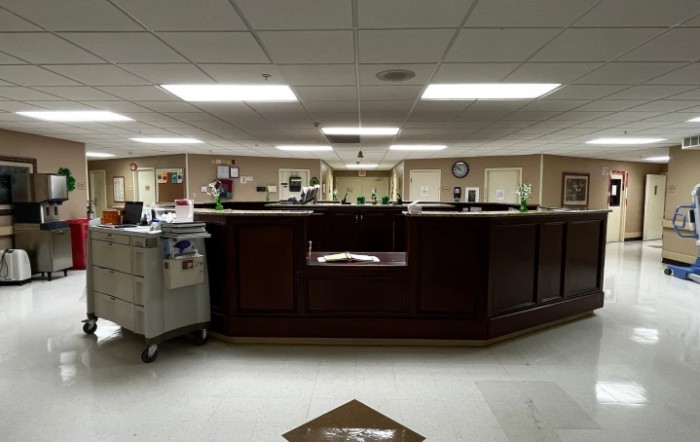
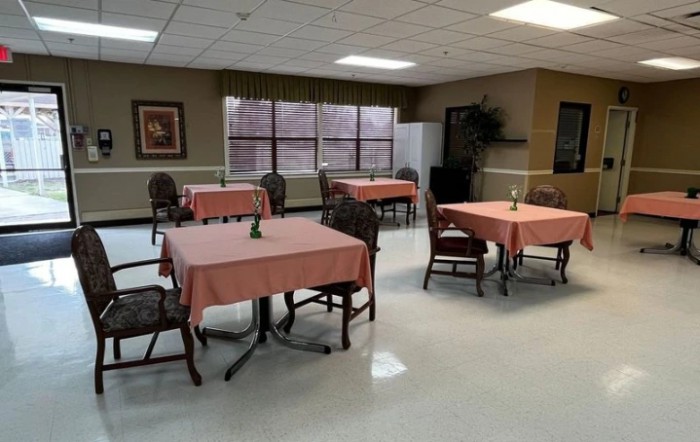
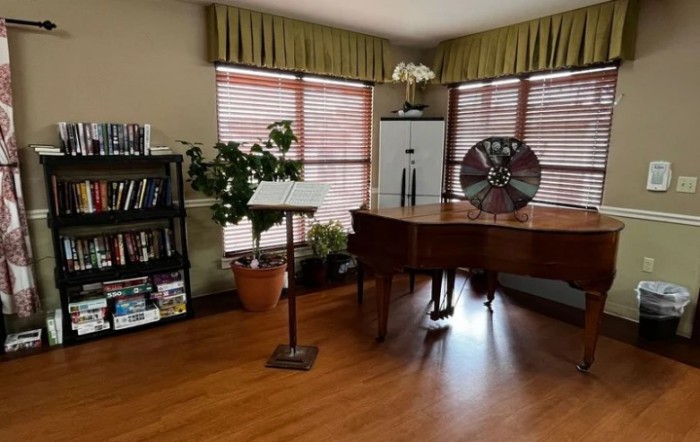
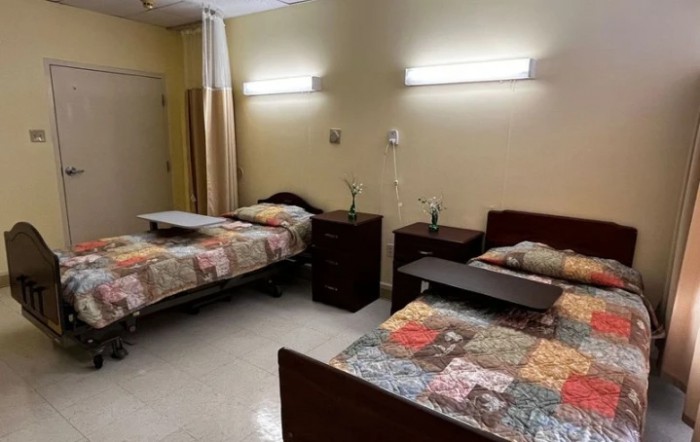
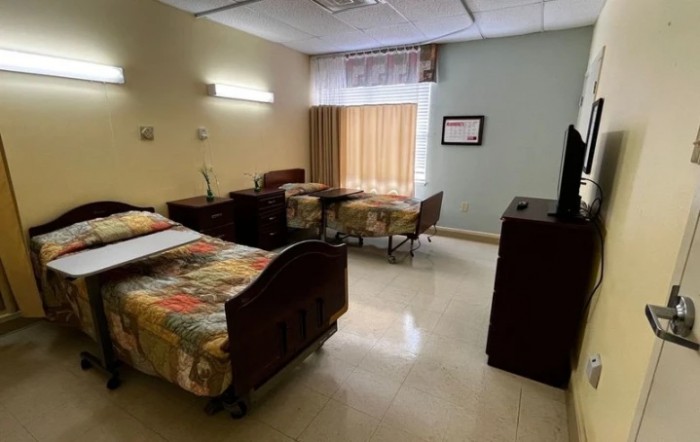
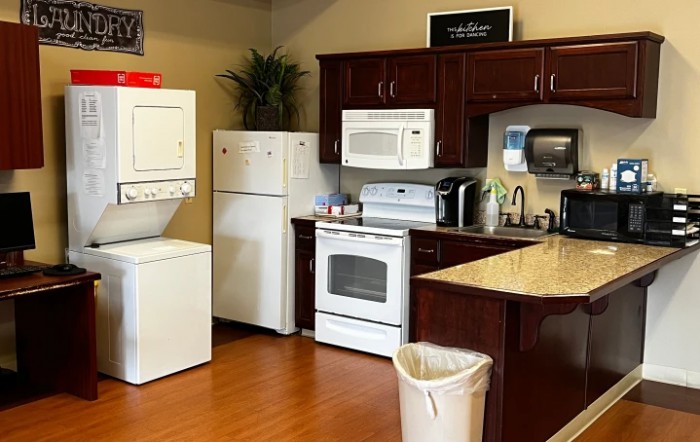
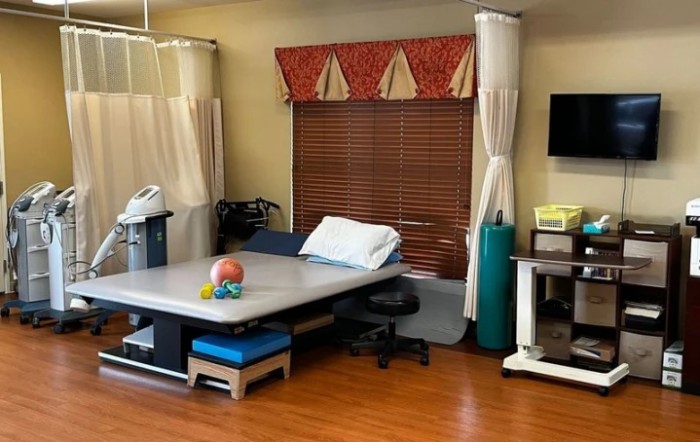
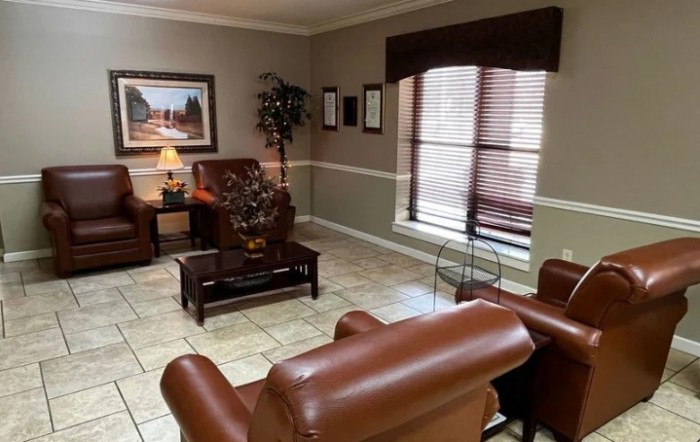
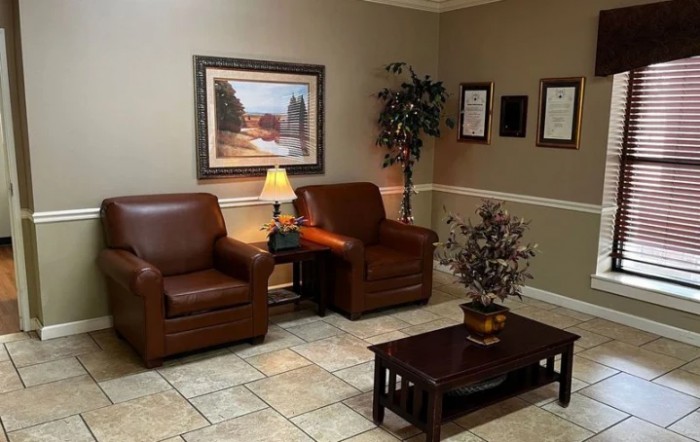
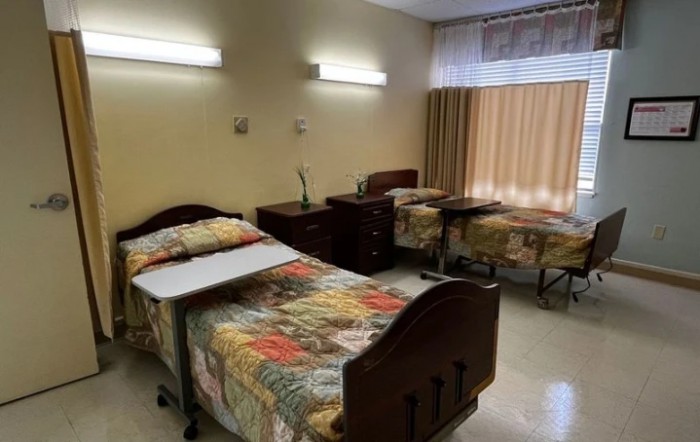
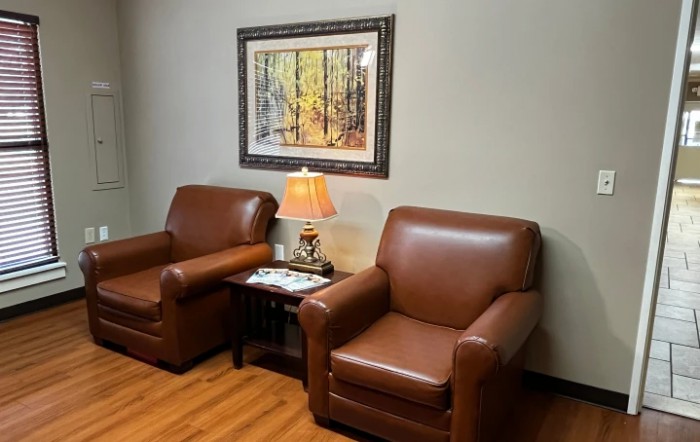
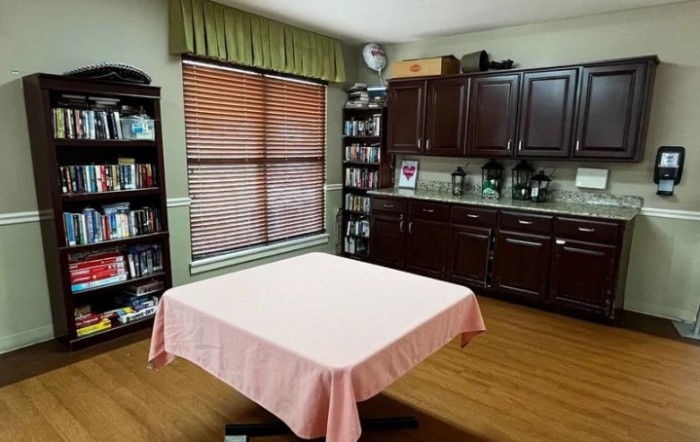
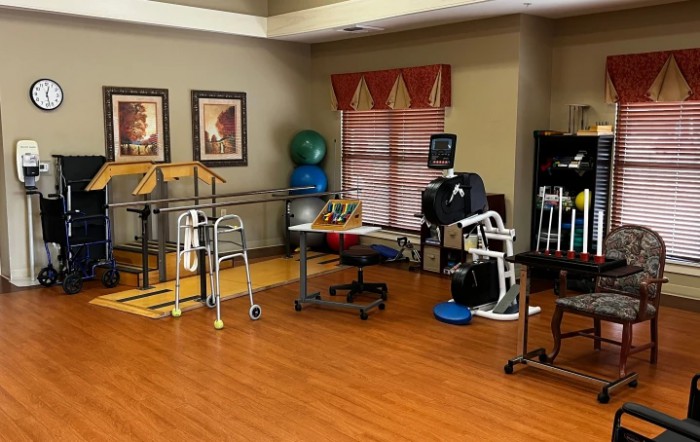
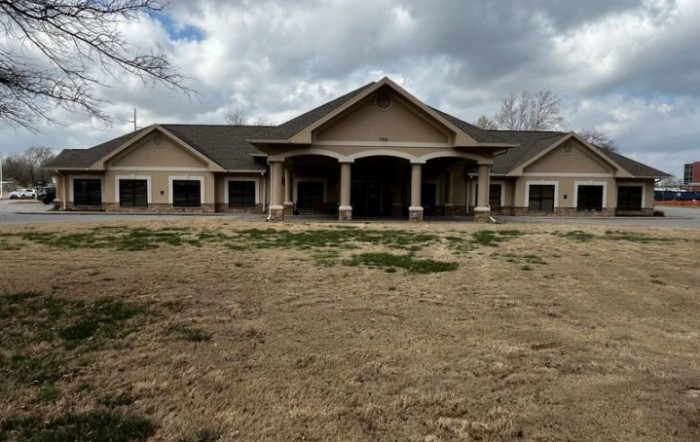
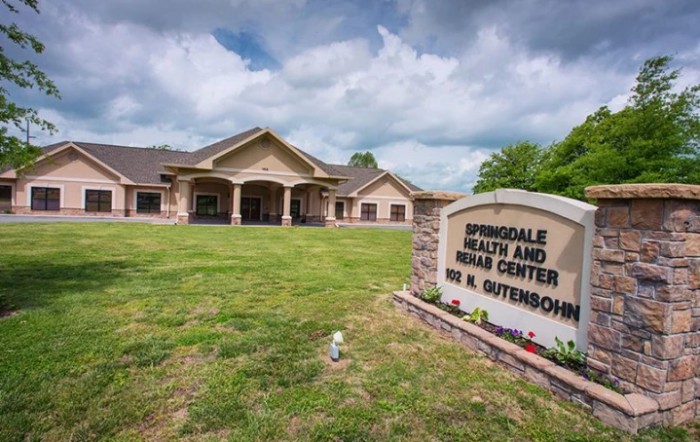
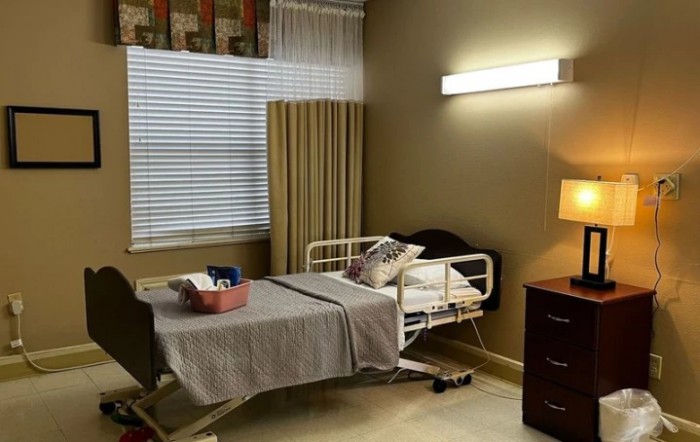
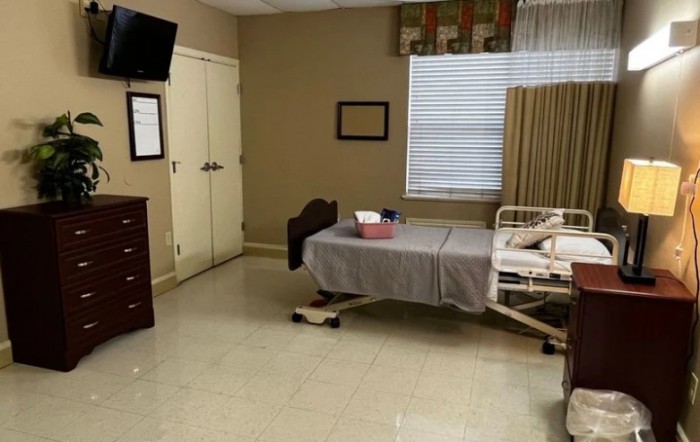
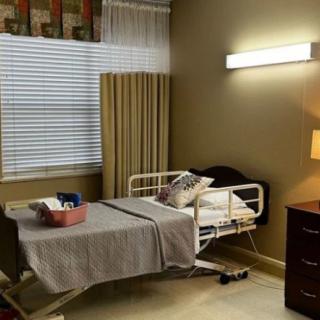
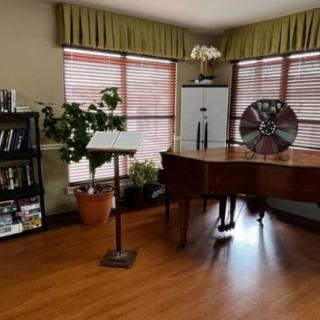
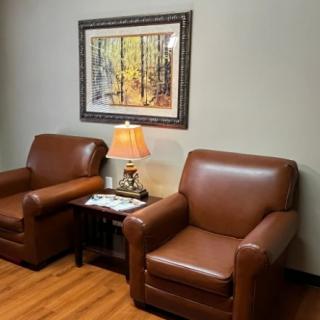
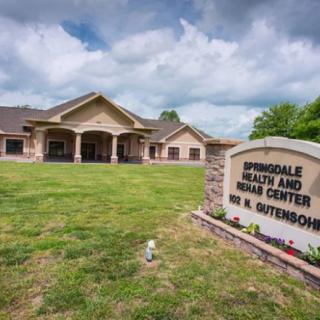
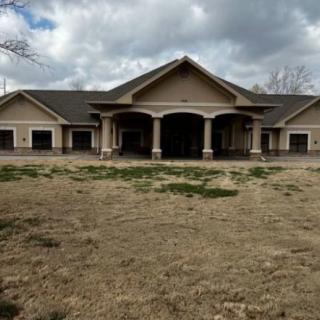
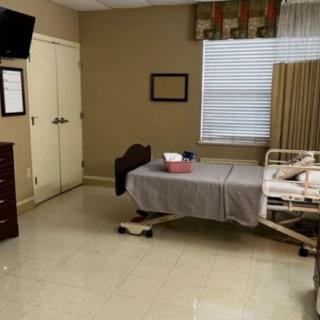
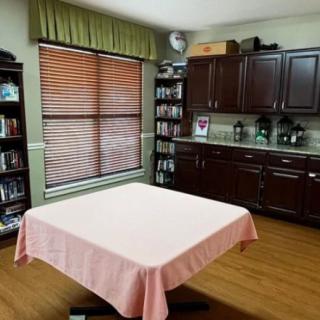
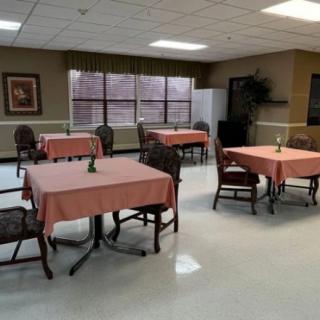
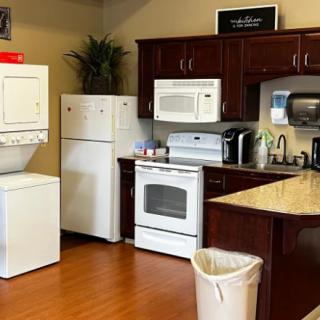
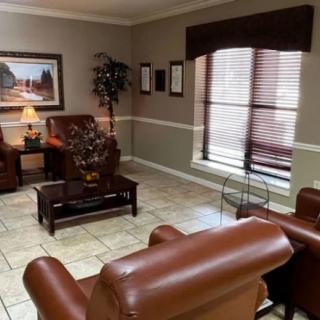
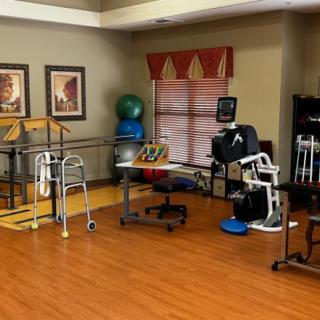
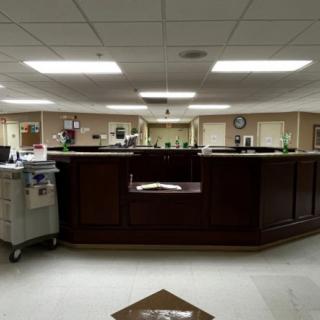
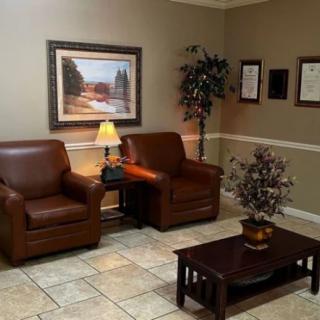
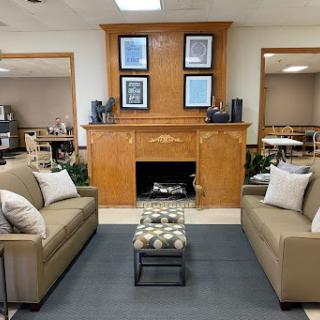
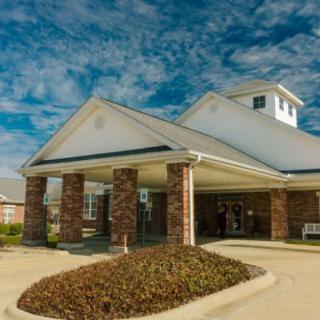
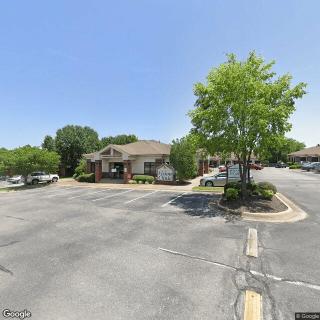
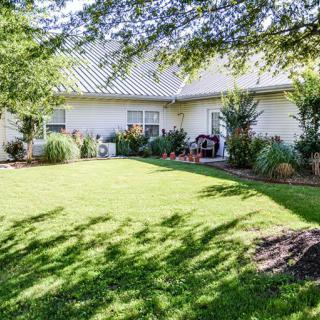
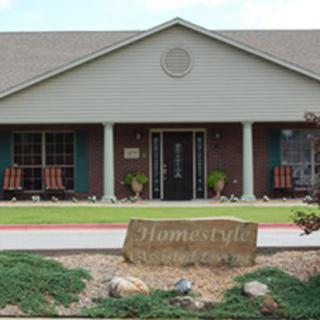
Springdale Health And Rehabilitation Center on seniors.fyi includes 19 photos including images showing interior, healthcare, windows, bedroom, dining, painting, decor, architecture, and more.
Nearby Communities
Good Shepherd In-Home Senior Care
Springdale, AR
4.6 from 40 reviews
Exceptional staff service with transportation support.
Good Shepherd Senior Care of Northwest Arkansas
Springdale, AR
4.6 from 34 reviews
Convenient Springdale location with many nearby amenities and healthcare options.
Westwood Health And Rehab
Springdale, AR
4 from 80 reviews
Windcrest Health and Rehab
Springdale, AR
4 from 48 reviews
Caring, dedicated staff creating a safe, home-like environment.
The Maples At Har-Ber Meadows
Springdale, AR
4.5 from 125 reviews
Compassionate staff and a clean, welcoming environment.
Cornerstone Caregiving - Springdale
Springdale, AR
Convenient location with easy access to cafes, parks, pharmacies, physicians, restaurants, theaters, and hospitals.
The Bungalows at Springdale
Springdale, AR
4.6 from 81 reviews
$3,400 to $4,000 / month
Clean facility with friendly staff and quality meals; recent renovations improved comfort.
The Gardens At Arkanshire
Springdale, AR
4.6 from 100 reviews
$2,349 to $4,599 / month
Convenient location with friendly staff and restaurant-style dining.
Azalea Commons of Springdale
Springdale, AR
4.5 from 23 reviews
$2,850 / month
Caring staff with a strong community, engaging activities, and affordable pricing in the area.
Adult day care programs offer essential support and activities for older adults, yet many hesitate to participate due to concerns about independence and stigma. To alleviate these apprehensions, families should facilitate open discussions, explore financial resources, suggest trial visits, and collaborate with healthcare providers to highlight the benefits of such services for both the participants and their caregivers.
Living wills and advance directives are crucial legal documents that outline an individual's healthcare preferences when they cannot make decisions themselves, enhancing patient autonomy and alleviating family stress during medical crises. The article emphasizes the need for these documents to be personalized, legally valid, and regularly updated, while also encouraging communication about end-of-life wishes among family members and healthcare providers.
The article examines living wills and advance directives, highlighting their significance in expressing healthcare preferences for those unable to communicate due to illness or incapacity. It discusses their historical development, legal components, limitations, practical drafting advice, and the importance of clear communication among families and healthcare professionals regarding end-of-life decisions.
Springdale Health And Rehabilitation Center photos
×
Interior
Decor
Living Room
Building
Architecture
Bedroom
Windows
Dining
Kitchen
Painting
Exercise Equipment
Waiting Area
Healthcare
Indoor Plants
Interior
Decor
Bedroom
Dining
Living Room
Landscaping and Architecture
Windows
Building
Kitchen, Appliances, Refrigerator, Oven, and Dryer
Television
Exercise Equipment and Physical Therapy
Exterior
Healthcare
Painting
Cabinets and Home Interior
Piano and Plant
Waiting Area
Indoor Plants
Rehabilitation and Therapy Room
Reception Desk
Additional Photos
Get PricingAsk A QuestionSchedule A TourContact Senior Advisor
By clicking submit, you agree to our Partner's Terms of Use. You
also consent to receive calls and texts, which may be autodialed, from our Partner. Your consent is not a condition to
using our Partner's service. Please visit our Partner's Privacy Policy for information about their privacy practices.



 140 resident community capacity
 Skilled Nursing Facility
 Air-conditioning
 Beauty salon
 Cable or satellite TV
 Computer center
 Dining room
 Fitness room
 Fully furnished
 Gaming room
 Garden
 Housekeeping services
 Kitchenette
 Move-in coordination
 Outdoor space
 Private bathrooms
 Restaurant-style dining
 Small library
 Telephone
 Wellness center
 Wi-Fi/high-speed internet available
 Northwest Arkansas Regional (10 miles away)
 Community operated transportation
 12-16 hour nursing
 24-hour call system
 Activities of daily living assistance
 Assistance with bathing
 Assistance with dressing
 Assistance with transfers
 Diabetes diet
 Medication management
 Mental wellness program
 Special dietary restrictions
 Concierge services
 Planned day trips
 Exceptional staff service with transportation support.

 Encouraging Participation in Adult Day Care: A Guide to Supporting a Hesitant Parent
 Comprehensive Exploration of Living Wills and Other Advance Directives
 A Detailed Exploration of Living Wills and Advance Directives