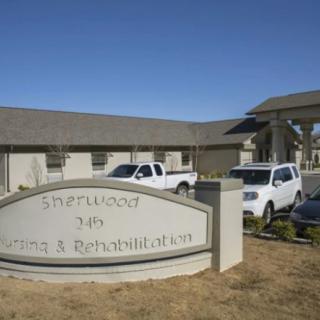
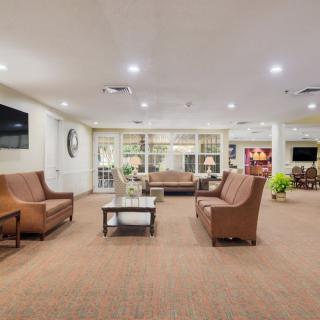
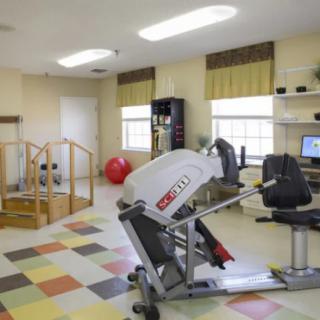
Robinson Nursing And Rehabilitation Center

Save

Robinson Nursing And Rehabilitation Center

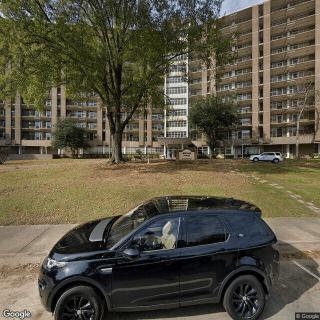
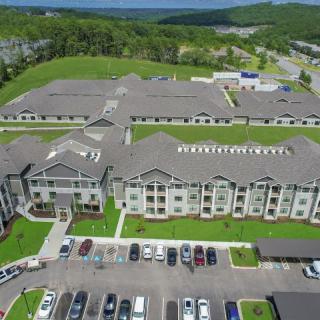
519 Donovan Briley Boulevard, North Little Rock, AR 72118

For more information about senior living options: (844) 490-3973

3.4 from 34 reviews
5 stars
20
4 stars
0
3 stars
0
2 stars
3
1 stars
11

Skilled Nursing Facility

What level of care are you interested in?

Assisted Living

Memory Care

Independent Living

Skilled Nursing Facility

Continuing Care Retirement Community (CCRC)CCRC

Other


Request a tour at Robinson Nursing And Rehabilitation Center

    Overall Review of Robinson Nursing And Rehabilitation Center

    Pros

    • pro The staff are wonderful and the environment is clean and friendly, showing they truly care about residents.
    • pro Robinson Nursing and Rehab provides excellent care in a warm and friendly setting, with a dedicated, compassionate staff that puts residents first.
    • pro The facility is described as one of the nicest in the Little Rock Metro area, with very clean surroundings, good food, and excellent care.
    • pro The staff create a family-like atmosphere, and residents feel they belong to a caring community.
    • pro Families express gratitude for the staff's love and care during difficult times.
    • pro The facility has shown positive changes under new management and is moving in the right direction.
    • pro Visitors note that the staff welcome loved ones with open arms and support recovery after surgery.
    • pro People would recommend the facility to family and friends based on their experiences.

    Cons

    • pro They describe the staff as rude and the overall care as horrible, with residents sometimes wearing anything or walking barefoot.
    • pro They state residents are not given adequate fluids, leading to dehydration, because drinks aren't provided between meals.
    • pro They report belongings like clothes and shoes repeatedly disappearing and not being returned.
    • pro They recount injuries to residents (for example, a missing big toenail) and frequent falls, with little or no communication to families.
    • pro They claim nurse responses to call buttons are very slow (20 minutes to over an hour) and baths occur only about every two weeks, with a noticeable odor.
    • pro They allege a resident's head was shaved without notifying the family.
    • pro They accuse staff of safety violations, including not enforcing COVID restrictions, stealing from residents, and lying about it.
    • pro They contend the facility contributed to a beloved family member's death, describing oxygen and health issues that were not adequately addressed.
    • pro They complain about rude or unhelpful receptionists/admin, and inconsistent communication about staff changes.

    Review

    Robinson Nursing and Rehab in the Little Rock area elicits a surprisingly broad spread of experiences. To some families, it feels like a warm, welcoming place where the staff truly cares and where residents are treated with kindness. To others, it's a scene of inconsistency and serious safety concerns that leave loved ones exposed to neglect and mistreatment. The same facility seems to inspire both glowing praise and harsh criticisms, depending on who you ask and when you visit.

    A number of reviewers emphasize the positives. They describe a clean, well-kept environment where meals are good and staff feel like family. Words like "wonderful," "clean," and "friendly" recur, with praise for the staff's dedication and compassion. Some accounts speak of a "family-like atmosphere" and a sense that residents and their families are part of a community that truly cares. One reviewer calls it "one of the nicest facilities you'll find in the Little Rock Metro area," noting excellent care and a strong, welcoming staff. Another reviewer fondly thanks the team for their love and care in a moment of need, underscoring that many families do feel supported and valued when they entrust their loved ones to Robinson.

    Even among the strongly positive voices, there is an emphasis on consistency and stable relationships. Several reviews highlight that the staff are caring and that residents feel they are part of a community. A family member recounts that their grandfather received excellent care and that they would gladly recommend the facility to others. There are notes of gratitude for the way staff treat residents with kindness and form a supportive environment during difficult times, suggesting that when care is good, it is deeply appreciated and long remembered.

    But the upbeat portrait is dramatically undercut by a large group of critical experiences. A frequent complaint is dehydration and inadequate hydration, with caregivers sometimes reported to offer water only at mealtimes. Some reviewers say there are days when a loved one is not given basic necessities like fluids or timely medications, leaving families to intervene or advocate aggressively. The concern isn't merely occasional; multiple accounts describe long delays in responses to call buttons, with some reporting that it can take 20 minutes to an hour to get help. In these narratives, residents sometimes go for long stretches without assistance with basic needs such as bathing or mobility, and some reviewers describe a persistent sense of neglect or a lack of responsive care.

    Other serious allegations center on safety, communication, and respect. Several families report incidences of hygiene and dignity concerns, including infrequent showers, odors, and clothes or personal items going missing. One powerful account describes a toe nail that disappeared, abrupt injuries that were not communicated, repeated falls, and even a caregiver shaving a loved one's head without notifying the family. There are mentions of full diapers left unaddressed, and instances where a caregiver was not found when needed, followed by a frightening trip to the emergency department. In one troubling narrative, a family describes their mother dying after an incident involving oxygen, a c-pap device, and shoes that were not properly managed, with the sense that staff did not respond quickly or adequately. Accusations of rude behavior from nurses, long delays in pain or bladder meds, and even allegations of theft and dishonesty circulating among staff also appear in the reviews.

    The contrast is further sharpened by reports about the facility's management and recent changes. Some reviewers acknowledge notable improvements after a management overhaul, with comments that the building and its operations are heading in a better direction. They credit a new leadership team with changes that have positively affected care and morale, suggesting that the facility can improve with continued oversight and effort. Others remain wary, noting that even with improvements, the day-to-day experiences for residents and families can swing from very good to very poor, and that it may take ongoing verification and direct conversations with staff to understand what listen-and-fix steps have been put in place.

    Towards the need-to-know practicalities, several reviews emphasize the importance of doing thorough, in-person checks before choosing Robinson. While some families report strong advocacy from staff and a sense of belonging for their loved ones, others caution that the experience can hinge on the individual caregivers on a given shift, the attentiveness of the administration, and the current state of operations. The recurring themes suggest that prospective residents and their families should ask pointed questions about hydration policies, call-button response times, medication administration, shower schedules, hygiene practices, and how the facility handles emergencies and notifications. It's clear that the facility's reputation is not monolithic; it depends on day-to-day realities that can vary significantly from one resident to the next.

    In the end, Robinson Nursing and Rehab presents a complex picture: a place where many families find warmth, care, and a sense of community, and where others encounter disturbing gaps in basic care and safety. The narratives reflect a facility capable of both excellent, compassionate care and troubling lapses that impact a resident's health and dignity. For anyone considering this facility, the takeaway is to weigh both sides carefully, visit multiple times if possible, speak with staff and administrators directly, review current practices, and insist on clear answers about hydration, medication management, response times, and safety protocols. The best decision will depend on verifying that the care environment aligns with the high standards families expect for their loved ones, now and in the days ahead.

    Features

    Housing

    • 110 resident community capacity 110 resident community capacity

    Types of Care

    • Skilled Nursing Facility Skilled Nursing FacilitySkilled Nursing Facilities are crucial for seniors as they provide round-the-clock medical care, rehabilitation services, and assistance with daily activities. These facilities ensure that seniors receive the specialized care they need to maintain their health and well-being as they age.

    Amenities

    • Air-conditioning Air-conditioningAir conditioning is important for seniors as they are more vulnerable to heat-related illnesses and may have underlying health conditions that make it difficult for them to regulate their body temperature. It helps to keep them comfortable, safe, and healthy in hot weather.
    • Beauty salon Beauty salonBeauty salons are important for seniors because they provide a space for them to feel pampered, socialize, and maintain their personal grooming and hygiene. Regular visits to a beauty salon can help boost seniors' self-esteem and overall well-being.
    • Cable or satellite TV Cable or satellite TVCable or satellite TV is important for seniors because it provides entertainment, news, and companionship, helping to combat loneliness and boredom. It also offers a wide range of programming options tailored to different interests and preferences.
    • Computer center Computer centerA computer center is essential for seniors as it provides access to technology, communication tools, and resources that can enhance their daily lives. It allows them to stay connected with loved ones, engage in online activities, and learn new skills, ultimately promoting socialization and mental stimulation.
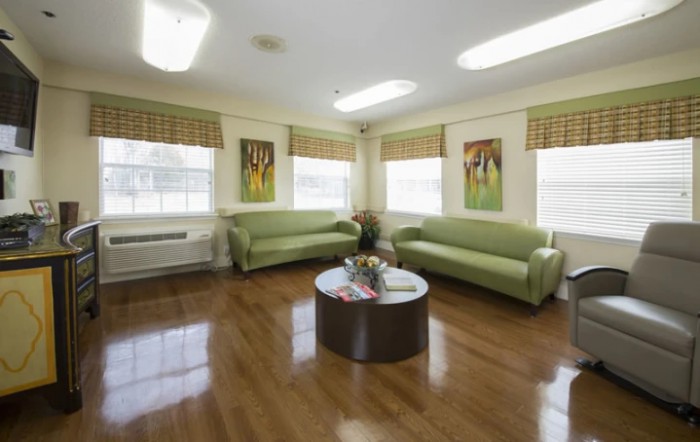
    • Dining room Dining roomDining rooms are important for seniors as they provide a space for socialization, connection, and nutritious meals. They offer opportunities for residents to bond over shared meals, foster a sense of community, and promote healthy eating habits. Dining rooms also ensure that seniors have access to well-balanced meals tailored to their dietary needs and preferences.
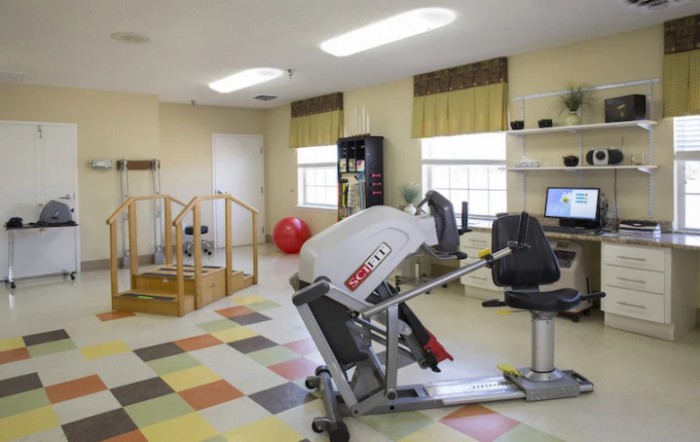
    • Fitness room Fitness roomHaving a fitness room in a senior living community is essential for seniors to stay active, maintain their physical health, and improve their overall well-being. Regular exercise can help prevent falls, reduce the risk of chronic diseases, and promote mental sharpness. It also provides social opportunities for residents to connect with others and enjoy a sense of community.
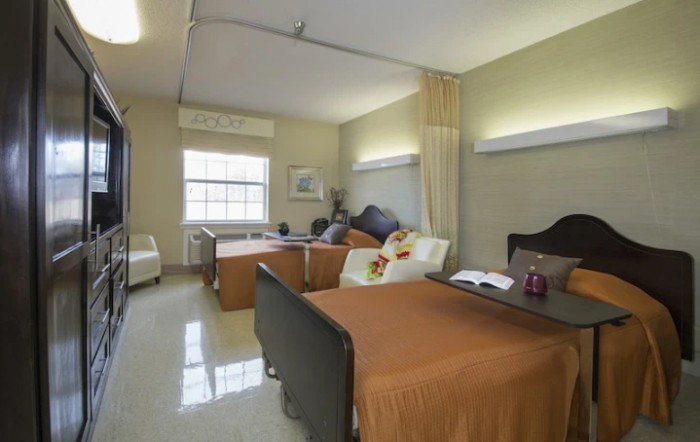
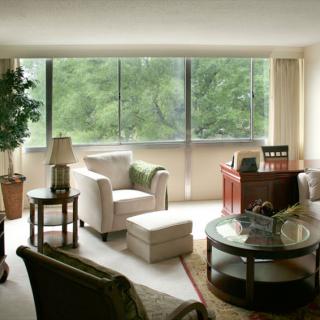
    • Fully furnished Fully furnishedFully furnished senior living communities are important for seniors because they provide convenience, comfort, and a hassle-free moving experience. Seniors can easily settle into their new living space without the stress of having to buy and move furniture. This allows them to focus on enjoying their new home and community.
    • Gaming room Gaming roomGaming rooms are important for seniors as they provide a fun and engaging environment for socializing, cognitive stimulation, and physical activity. Games can improve memory, problem-solving skills, and overall mental well-being while fostering friendships and reducing feelings of isolation.
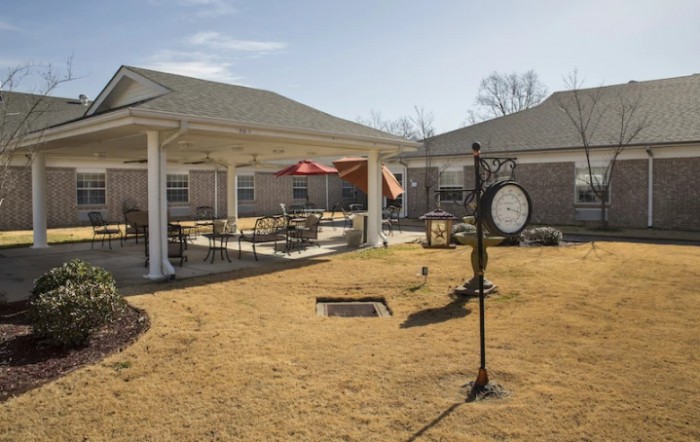
    • Garden GardenGardens are important for seniors as they provide a peaceful and therapeutic environment for relaxation, physical activity, and socialization. Being in nature has been shown to reduce stress, improve mood, and promote overall well-being. Gardens also offer opportunities for seniors to engage in gardening activities, which can improve mobility, flexibility, and cognitive function. Additionally, gardens create a sense of community and connection with others who share a passion for plants and outdoor spaces.
    • Housekeeping services Housekeeping servicesHousekeeping services are important for seniors because they help maintain a clean and safe living environment, promote independence, and reduce the risk of accidents or illnesses. Additionally, having assistance with household chores can alleviate physical strain and allow seniors to focus on other aspects of their well-being.
    • Kitchenette KitchenetteKitchenettes are important for seniors living in senior living communities because they provide the convenience and independence of being able to prepare simple meals and snacks in the comfort of their own living space. This can help promote a sense of autonomy and well-being for seniors, allowing them to maintain some level of control over their dietary choices and daily routines.
    • Move-in coordination Move-in coordinationMove-in coordination is important for seniors because it helps ease the transition into their new living environment. It ensures that all logistics, such as packing, organizing movers, and setting up utilities are taken care of, allowing seniors to focus on settling in and adjusting to their new home. Having a smooth move-in process can alleviate stress and anxiety, making the transition smoother and more enjoyable for seniors.
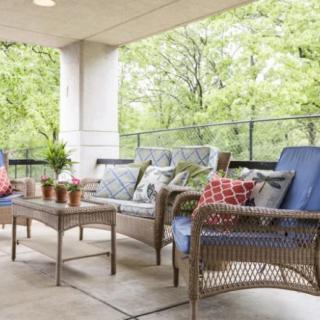
    • Outdoor space Outdoor spaceOutdoor spaces are important for seniors as they provide opportunities for physical activity, social interaction, exposure to natural light and fresh air, and a sense of connection to nature. Having access to outdoor spaces can improve overall well-being and quality of life for older adults living in senior communities.
    • Private bathrooms Private bathroomsPrivate bathrooms are important for seniors in senior living communities because they provide independence, dignity, and comfort. Having a private bathroom allows seniors to maintain their personal hygiene routines without the need for assistance, promoting a sense of autonomy and privacy. Additionally, private bathrooms help prevent the spread of infections and provide a safe and clean environment for seniors to navigate safely.
    • Restaurant-style dining Restaurant-style diningRestaurant-style dining is important for seniors because it allows them to enjoy delicious, nutritious meals in a social and upscale setting. This enhances their dining experience, promotes healthy eating habits, and fosters socialization with fellow residents, ultimately contributing to their overall well-being and quality of life.
    • Small library Small librarySmall libraries are important for seniors as they provide access to a variety of reading materials, including books, newspapers, and magazines. This can help stimulate their minds, keep them engaged, and provide a sense of community through book clubs and other social activities. Additionally, reading has been shown to improve cognitive function and overall mental well-being in older adults.
    • Telephone TelephoneTelephones are important for seniors as they provide a lifeline for communication with loved ones, emergency services, and healthcare providers. They offer a sense of security and independence, enabling seniors to stay connected and access assistance when needed.
    • Wellness center Wellness centerWellness centers are important for seniors because they offer a variety of programs and services that promote physical, mental, and emotional well-being. These centers provide opportunities for exercise, socialization, education, and relaxation, helping seniors maintain their overall health and quality of life.
    • Wi-Fi/high-speed internet available Wi-Fi/high-speed internet availableWi-Fi/high-speed internet is important for seniors to stay connected with loved ones, access online resources, and participate in virtual activities to combat feelings of loneliness and isolation. It also allows them to easily manage healthcare needs, access entertainment, and engage in lifelong learning opportunities.

    Transportation

    • Adams (6 miles away) Adams (6 miles away)
    • Community operated transportation Community operated transportationCommunity operated transportation is crucial for seniors as it provides them with the means to access essential services, social activities, and medical appointments. It allows seniors to maintain their independence and quality of life by ensuring they can participate in activities outside of their homes. Additionally, community-operated transportation services offer a safe and reliable way for seniors to travel without having to rely on family or friends for assistance.
    • Transportation arrangement Transportation arrangementTransportation arrangements are crucial for seniors as they may face challenges with driving, mobility, or access to public transportation. Having reliable transportation services ensures that seniors can easily attend appointments, social activities, and maintain their independence and quality of life.
    • Transportation arrangement (non-medical) Transportation arrangement (non-medical)Transportation arrangements are essential for seniors as they provide access to essential services, activities, and social interactions outside the home. This service helps maintain independence, mobility, and overall well-being for seniors who may have limited transportation options.
    • Transportation to doctors appointments Transportation to doctors appointmentsTransportation to doctors appointments is crucial for seniors as it ensures they have access to necessary medical care and support, promoting their health and well-being. It allows them to receive timely treatment, monitor existing conditions, and address any new health concerns efficiently. Additionally, transportation services can help seniors maintain their independence and quality of life by enabling them to stay connected with their healthcare providers.

    Care Services

    • 12-16 hour nursing 12-16 hour nursing12-16 hour nursing care is crucial for seniors in order to ensure around-the-clock monitoring, timely medication administration, and prompt response to any health concerns or emergencies. This level of care helps to promote the overall well-being and safety of seniors living in senior living communities.
    • 24-hour call system 24-hour call system24-hour call systems are important for seniors because they provide peace of mind and immediate assistance in case of emergencies. This technology ensures that help is always available, promoting safety and security for elderly individuals living alone or in assisted living facilities.
    • 24-hour supervision 24-hour supervision24-hour supervision is important for seniors to ensure their safety, well-being, and access to immediate assistance in case of emergencies or health issues. This constant support provides peace of mind for both seniors and their loved ones, allowing them to age in place with dignity and security.
    • Activities of daily living assistance Activities of daily living assistanceActivities of daily living assistance are important for seniors because they provide essential support with tasks such as eating, bathing, dressing, and mobility. This assistance helps seniors maintain their independence, dignity, and overall quality of life as they age.
    • Assistance with bathing Assistance with bathingAssistance with bathing is crucial for seniors as it helps maintain personal hygiene, prevents infections, and ensures their overall well-being and comfort. It also provides a sense of dignity and independence for seniors who may struggle with this task on their own.
    • Assistance with dressing Assistance with dressingAssistance with dressing is important for seniors because it helps maintain their independence, promotes personal hygiene, prevents accidents and injuries, and improves overall quality of life. This service ensures that seniors can continue to dress comfortably and confidently, despite any physical limitations they may have.
    • Assistance with transfers Assistance with transfersAssistance with transfers is crucial for seniors as it helps prevent falls and injuries, maintains their independence, and ensures they can safely navigate their living environment. It also provides peace of mind for both seniors and their loved ones.
    • Diabetes diet Diabetes dietA diabetes diet is crucial for seniors as it helps manage blood sugar levels, reduce risks of complications, and improve overall health and well-being. By following a balanced and nutritious diet tailored to their specific needs, seniors can better control their diabetes and enhance their quality of life.
    • Meal preparation and service Meal preparation and serviceMeal preparation and service are crucial for seniors as they may have limited mobility or energy to cook nutritious meals. Having access to healthy and convenient food options can ensure they are getting the proper nutrition needed to maintain their overall health and well-being.
    • Medication management Medication managementMedication management is crucial for seniors to ensure they are taking the right medications at the correct dosages and times. This helps prevent adverse drug interactions, reduces the risk of medication errors, and promotes overall health and well-being. Proactive management also allows for adjustments as needed based on changing health conditions or new prescriptions.
    • Mental wellness program Mental wellness programMental wellness programs are essential for seniors as they promote cognitive stimulation, emotional support, and social engagement. These programs help prevent isolation, depression, and cognitive decline, ultimately enhancing the overall quality of life for older adults.
    • Special dietary restrictions Special dietary restrictionsSpecial dietary restrictions are important for seniors because age-related changes in metabolism and health conditions can make it difficult for their bodies to process certain foods. By following a diet tailored to their specific needs, seniors can maintain their overall health and well-being, manage chronic conditions, and reduce the risk of complications such as malnutrition or food interactions with medications.

    Dining

    • Diabetes diet Diabetes dietA diabetes diet is crucial for seniors as it helps manage blood sugar levels, reduce risks of complications, and improve overall health and well-being. By following a balanced and nutritious diet tailored to their specific needs, seniors can better control their diabetes and enhance their quality of life.
    • Special dietary restrictions Special dietary restrictionsSpecial dietary restrictions are important for seniors because age-related changes in metabolism and health conditions can make it difficult for their bodies to process certain foods. By following a diet tailored to their specific needs, seniors can maintain their overall health and well-being, manage chronic conditions, and reduce the risk of complications such as malnutrition or food interactions with medications.

    Activities

    • Community-sponsored activities Community-sponsored activitiesCommunity-sponsored activities are important for seniors as they provide opportunities for social interaction, mental stimulation, and physical activity. These activities can help improve overall well-being, combat loneliness and isolation, and promote a sense of belonging and purpose among older adults.
    • Concierge services Concierge servicesConcierge services are essential for seniors as they provide assistance with daily tasks and errands, enhance their quality of life by offering convenience and personalized care, and promote a sense of safety and security.
    • Fitness programs Fitness programsFitness programs are crucial for seniors as they help improve strength, flexibility, balance, and overall well-being. Staying active can reduce the risk of chronic diseases, improve mental health, and enhance quality of life in older adults.
    • Planned day trips Planned day tripsPlanned day trips are important for seniors because they offer opportunities for socialization, mental stimulation, and physical activity. They provide a change of scenery and help seniors stay engaged and connected to their community, promoting overall well-being and quality of life.
    • Resident-run activities Resident-run activitiesResident-run activities are important for seniors as they encourage social interaction, creativity, and a sense of autonomy. These activities empower seniors to stay engaged and active in their community while fostering meaningful connections with their peers.
    • Scheduled daily activities Scheduled daily activitiesScheduled daily activities are important for seniors because they provide structure, socialization, mental stimulation, and physical activity. Engaging in regular activities can improve overall well-being and quality of life for seniors living in a community setting.

    Description

    Robinson Nursing and Rehabilitation Center in North Little Rock, AR is a welcoming and fully furnished assisted living community that provides comprehensive care services to its residents. The center offers various amenities to ensure a comfortable and enjoyable living experience.

    Residents can take advantage of the beauty salon, where they can receive haircuts, styling, and other grooming services. They can also enjoy their favorite television shows or movies through the cable or satellite TV service provided. Community-operated transportation is available to help residents with their transportation needs within the local area.

    For those who want to stay connected with the digital world, there is a computer center with Wi-Fi/high-speed internet access available. There is a spacious dining room where residents can enjoy delicious restaurant-style meals prepared by the staff. Additionally, there is a small library for residents who enjoy reading and a gaming room for entertainment purposes.

    The center also offers move-in coordination services to assist residents in settling into their new home seamlessly. Outdoor space and gardens are available for residents to relax and enjoy fresh air. Private bathrooms provide convenience and privacy.

    Robinson Nursing and Rehabilitation Center has various care services tailored to meet the individual needs of each resident. Their 24-hour call system ensures immediate assistance if needed, while 24-hour supervision guarantees round-the-clock support and safety.

    Assistance with activities of daily living such as bathing, dressing, and transfers is readily available from trained staff members. The center also focuses on mental wellness through its mental wellness program, addressing any emotional or psychological needs of residents.

    Medication management is provided to ensure that residents receive their prescribed medications on time and in proper dosages. Special dietary restrictions are accommodated by offering diabetes diets and working closely with residents' nutritional requirements.

    Transportation arrangements are made for non-medical purposes as well as doctor's appointments, making it convenient for residents to attend medical visits without worry. Furthermore, concierge services are offered to cater to any additional needs or requests residents may have.

    Residents can engage in a variety of activities and programs to foster socialization and wellness. Fitness programs promote physical health, while planned day trips and scheduled daily activities offer opportunities for recreation and exploration. Resident-run activities empower individuals to take the lead in organizing events according to their interests.

    Robinson Nursing and Rehabilitation Center is conveniently located near cafes, parks, pharmacies, physicians, restaurants, places of worship, theaters, and hospitals. This ensures that residents have easy access to various amenities and services in the surrounding community.

    Overall, Robinson Nursing and Rehabilitation Center provides a comfortable living environment with comprehensive care services and an abundance of amenities to enhance the quality of life for its residents.

    Nearby Places of Interest

    Restaurants

    • Subway (1.3 miles)
    • McDonald's (2.2 miles)
    • Black Bear Diner North Little Rock (2.6 miles)
    • Sonic Drive-In (2.7 miles)
    • TGI Friday's (2.7 miles)
    • Chili's Grill & Bar (3 miles)
    • Bar Louie - McCain Mall (3.1 miles)

    Pharmacies

    • Medicine Man Pharmacy (1.3 miles)
    • Walgreens (1.4 miles)
    • Walgreens (2.3 miles)
    • Kroger Pharmacy (2.4 miles)
    • CVS Pharmacy (2.7 miles)
    • Walgreens (5 miles)
    • Walgreens (5.6 miles)

    Places of Worship

    • Park Hill Baptist Church (2.1 miles)
    • That.Church (3.1 miles)

    Physicians

    • Hearing Life (2.2 miles)
    • North Little Rock Family Practice Clinic (2.4 miles)
    • Baptist Health (2.4 miles)
    • Lakewood Family Medicine Clinic (3.1 miles)
    • Sherwood Family Medical Center (3.3 miles)
    • Arkansas Pediatric Facility (3.3 miles)
    • Arkansas Pain Centers (3.5 miles)

    Theaters

    • Mccain Mall (3 miles)

    Parks

    • Burns Park (3.4 miles)
    • Allsopp Park (4.5 miles)
    • Riverfront Park (4.6 miles)
    • Little Rock Central High School Visitor Center Park (5.4 miles)

    Hospitals

    • Baptist Health Medical Center (3.5 miles)
    • St Vincent Infirmary North (3.7 miles)
    • St Vincent Health System (3.7 miles)
    • Arkansas Surgical Hospital (4.4 miles)
    • The BridgeWay (4.7 miles)
    • Arkansas Children's Hospital (5 miles)
    • Arkansas Childrens Hospital- NICU (5.1 miles)

    Cafes

    • Mugs Cafe (3.8 miles)
    • Mylo Coffee Co. (4.9 miles)
    • Fidel & Co. (5 miles)
    • The Root Cafe (5.5 miles)

    Frequently Asked Questions

    Where is Robinson Nursing And Rehabilitation Center?
    What photos are available for Robinson Nursing And Rehabilitation Center in North Little Rock, Arkansas?

    Nearby Communities

    Related Resources

    • living will definitionA Detailed Exploration of Living Wills and Advance Directives

      The article examines living wills and advance directives, highlighting their significance in expressing healthcare preferences for those unable to communicate due to illness or incapacity. It discusses their historical development, legal components, limitations, practical drafting advice, and the importance of clear communication among families and healthcare professionals regarding end-of-life decisions.

    • does medicare cover hospiceComprehensive Guide to Medicare Coverage for Hospice Care

      Hospice care focuses on providing comfort and support for individuals nearing the end of life, with Medicare Part A covering services like nursing care and counseling for patients with a terminal illness and a life expectancy of six months or less. While most hospice services are low-cost for eligible patients, families should be aware that certain expenses, such as room and board, may not be covered.

    • caregiver burnoutCaring for Those Who Care: Recognizing, Understanding, and Overcoming Caregiver Burnout


      Caregiver burnout is a common issue resulting from the intense physical, emotional, and mental demands of caregiving, leading to symptoms like fatigue and social withdrawal. To prevent burnout, caregivers should recognize early warning signs and implement self-care strategies, seek support, and prioritize their own well-being alongside that of those they care for.


    Get Pricing Ask A Question Schedule A Tour Contact Senior Advisor