
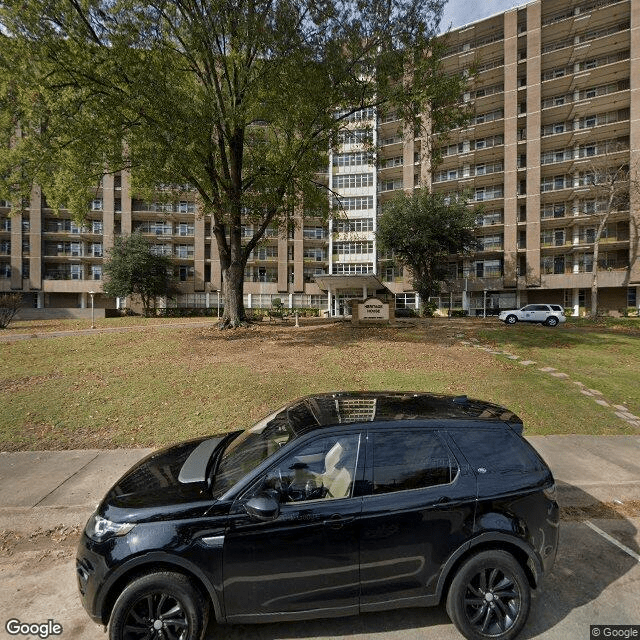
2301 Division St, North Little Rock, AR 72114
To contact a resident: (501) 758-1512
For more information about senior living options: (866) 208-4318
Overall Review of Heritage House Housing Project
Pros
 The staff was very nice on the phone, explaining about the apartments and how to apply; very kind people.
- The client was very kind and generous.
- An employee helped the reviewer, very kind indeed.
- There are some good people there.
Cons
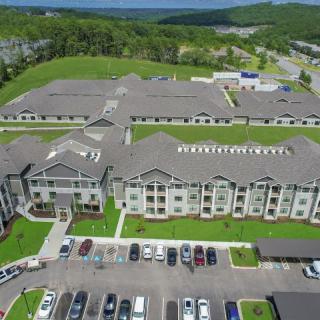
 The complex is described as horrible, with the building not resembling the photos online and a high crime rate with unknown people in the building.
- Management is described as awful and corrupt, with allegations of stolen money and frequent turnover of managers.
- Maintenance and safety issues are rampant, including mold, water leaks, damaged appliances, and broken emergency doors that make the building unsafe.
- The property is dirty and infested with roaches, and tenants feel they are living in very poor conditions.
- Residents report serious safety concerns, including threats by staff, police involvement, and even shootings or deaths on the premises.
- Front-desk staff are criticized as rude and unprofessional, prompting calls for urgent personnel changes.
- Access and communication are poor, with difficulty locating management and no clear phone number or information.
- Some tenants feel unfairly treated, such as lease violations being issued for children playing outside.
Review
Heritage House Housing Project in North Little Rock is best suited for residents who must choose the lowest-cost option and can tolerate significant safety and maintenance risks. The community consistently shows gaps in security, staffing reliability, and timely repairs, making it more appropriate for someone with strong external supports and a very tight budget. Families seeking comfort, privacy, and a well-kept environment should consider alternatives. For aging-in-place or independent living that emphasizes predictable service and safety, this is not the first choice. In short, Heritage House reads as a last-resort option driven by affordability rather than a dependable, protective home.
The few perceived positives come from scattered, individual acts of courtesy rather than a stable service culture. Reviewers noted that some staff members were polite on the phone or provided helpful guidance during an initial process, and an on-site employee offered direction in person. Those moments matter because they reflect that basic courtesy and competence can exist even in a strained building. Yet such instances are irregular and do not constitute a reliable baseline of service. The overall experience remains marred by inconsistency, which makes simple, ongoing support unreliable for anyone who depends on predictable assistance.
The dominant theme across multiple reviews is risk rather than reassurance. Residents report high crime and safety concerns, including break-ins, encounters with unknown individuals, and, in some cases, violent incidents that required police involvement. Emergency doors are described as compromised, with security widely perceived as weak. This is not a facility where residents can rely on prompt protection or controlled access, which is a critical failure for older adults or anyone with health vulnerabilities. Safety hazards extend beyond people to the physical plant, signaling that a protected, orderly environment is not a given.
Maintenance and habitability problems compound the risk. Flooding and ongoing water leaks have damaged appliances, with mold, rust, and pest issues noted in units and common areas. The pest presence, especially cockroaches, undermines health and comfort and signals systemic neglect. Leaks and structural neglect further erode daily living quality, while a revolving door of managers and inconsistent leadership leaves residents without stable, accountable oversight. Add to this the frustration of inconsistent communications, missing phone numbers, opaque processes, and reports of mismanagement, and the case for insufficient reliability becomes hard to overlook.
The few redeeming elements cannot overcome the core deficiencies. The hard trade-off remains affordability versus safety, health, and dignity. For households that can eventually secure external supports, family oversight, outside security measures, and independent income protection, the site might function as a fold-in option, but even then the cost of risk is steep. For most prospective residents, however, alternatives that offer cleaner facilities, verifiable security, reliable repairs, and steady, respectful staff presence provide a far clearer path to sustainable, peaceful living. In practice, Heritage House is best treated as a last resort rather than a viable long-term home.
For families weighing next steps, a disciplined vetting approach is essential. Schedule formal tours at different times to observe cleaning, maintenance responsiveness, and access controls. Ask blunt questions about crime incidents, safety upgrades, pest control schedules, and how quickly repairs are completed. Verify current leasing terms, resident rights, and a clear, reachable point of contact for disputes or emergencies. Compare with other affordable options that advertise consistent management and cleaner facilities, and, if possible, consult local housing authorities or aging services for verified safety and compliance records. If Heritage House becomes a consideration, enter with explicit risk awareness and prepared safeguards, recognizing that the practical downsides frequently outweigh the perceived savings.
 Independent Living
 Adams (5 miles away)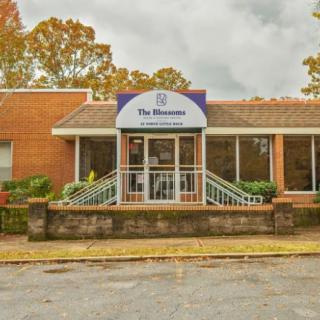

 Comprehensive Guide to Medicare Coverage for Hospice Care
 Caring for Those Who Care: Recognizing, Understanding, and Overcoming Caregiver Burnout
 Caregiver Exhaustion: Recognizing the Signs and Restoring Your Well-Being