For more information about senior living options: (866) 208-4318
4 from 120 reviews
5 stars
87
4 stars
5
3 stars
1
2 stars
0
1 stars
27
Overall Review of Montecito Post Acute Care And Rehabilitation
differentiator12 reviews mention this
Therapy support is a consistent focus
Residents repeatedly credit therapy teams for steady improvement.
A large share of residents describe meaningful progress with physical, occupational, and respiratory therapy, often highlighting patience, encouragement, and hands-on work. Several reviews specifically mention respiratory therapists and wound care teams as key parts of recovery, including regaining breathing ability and strength. Even where the overall stay was criticized, other comments still point to therapy groups as delivering the most help day to day.
common20 reviews mention this
Staff responsiveness splits opinions
Residents describe both very attentive staff and times when help was hard to get.
Many residents and families praise staff as kind, compassionate, and attentive, including nurses, CNAs, and administrators who help them feel safe and supported. At the same time, multiple reviews complain about call-light or phone-response delays, with family members waiting without being helped during visits. A small number of comments also describe communication problems and missed follow-through on basic needs, which helps explain why the experience is inconsistent across reviews.
caveat16 reviews mention this
Cleanliness is a major theme
Some reviewers are alarmed by sanitation and odors inside the facility.
Several reviews focus on cleanliness issues, including reports of strong odors, dirty rooms or floors, and instances where waste was not cleaned promptly. Those concerns show up alongside examples of beds, linens, or rooms described as not being cared for in a timely way. Other reviewers counter that the building is very clean and well kept, which suggests opinions vary widely depending on the time and unit involved.
caveat6 reviews mention this
Daily environment affects comfort
Several reviews tie the experience to comfort and basic daily care.
Some residents and families describe meals as poor or served cold, and a few mention room setup and lighting that made the space feel uncomfortable. Other reviews emphasize a more supportive day-to-day experience, including feeling comfortable and cared for by staff. Taken together, the reviews suggest that day-to-day comfort can depend on how quickly needs are answered and how consistently routines are carried out.
How we summarize
Counts show how many written reviews mention each theme; a review can touch several themes, and only frequently mentioned themes are displayed.
Features
Housing
222 resident community capacity
Types of Care
Skilled Nursing Facility
Amenities
Air-conditioning
Beauty salon
Cable or satellite TV
Computer center
Dining room
Fitness room
Fully furnished
Gaming room
Garden
Housekeeping services
Kitchenette
Move-in coordination
Outdoor space
Private bathrooms
Restaurant-style dining
Small library
Telephone
Wellness center
Wi-Fi/high-speed internet available
Transportation
Phoenix Sky Harbor International (16 miles away)
Community operated transportation
Transportation arrangement
Transportation arrangement (non-medical)
Care Services
12-16 hour nursing
24-hour call system
24-hour supervision
Activities of daily living assistance
Assistance with bathing
Assistance with dressing
Assistance with transfers
Coordination with health care providers
Diabetes diet
Meal preparation and service
Medication management
Mental wellness program
Special dietary restrictions
Transportation arrangement (medical)
Transportation to doctors appointments
Dining
Diabetes diet
Special dietary restrictions
Activities
Community-sponsored activities
Concierge services
Fitness programs
Planned day trips
Resident-run activities
Scheduled daily activities
Nearby Places of Interest
Parks
Greenfield Park (1.2 miles)
Riparian Preserve at Water Ranch (3.5 miles)
Finley Farms Park (5 miles)
Skyline Park (6.7 miles)
Physicians
Glick Ronald M Do (1.2 miles)
Cornerstone Family Medicine (1.5 miles)
Cvam (1.6 miles)
Simonmed Imaging (1.8 miles)
Valley Endocrine Associates (1.9 miles)
Banner Imaging East Mesa (2 miles)
Parikh, Simul Banner Md Anderson Cancer Center (2.1 miles)
Restaurants
Uncle Bear's Grill & Tap Greenfield (1.4 miles)
IHOP (1.6 miles)
Red Lobster (2.2 miles)
Olive Garden (2.2 miles)
Cracker Barrel (2.2 miles)
Applebee's (2.3 miles)
Culver's (2.4 miles)
Cafes
Dutch Bros Coffee (1.5 miles)
Starbucks (2.2 miles)
Starbucks (2.3 miles)
Over Easy (2.5 miles)
The Human Bean (2.5 miles)
Panera Bread (2.9 miles)
Panera Bread (5 miles)
Pharmacies
Walgreens (1.5 miles)
Bashas' Pharmacy (1.5 miles)
CVS Pharmacy (1.6 miles)
Walgreens (1.6 miles)
CVS Pharmacy (1.7 miles)
Walgreens (3.4 miles)
Walgreens (3.5 miles)
Transportation
Falcon Field Airport (MSC) (2.9 miles)
Theaters
Superstition Springs 25 (3.3 miles)
AMC Mesa Grand 14 (5 miles)
Places of Worship
Church of Jesus Christ of Latter Day Saints (4 miles)
Mesa Arizona Temple (5.3 miles)
Church of Jesus Christ of Latter Day Saints (6.4 miles)
First United Methodist Church of Gilbert (6.7 miles)
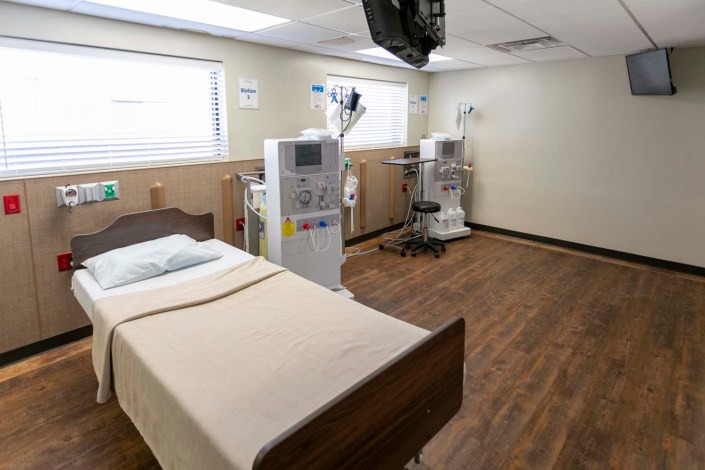
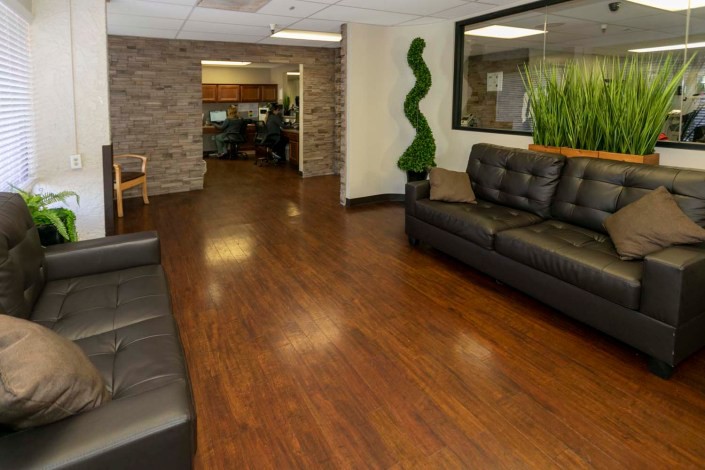
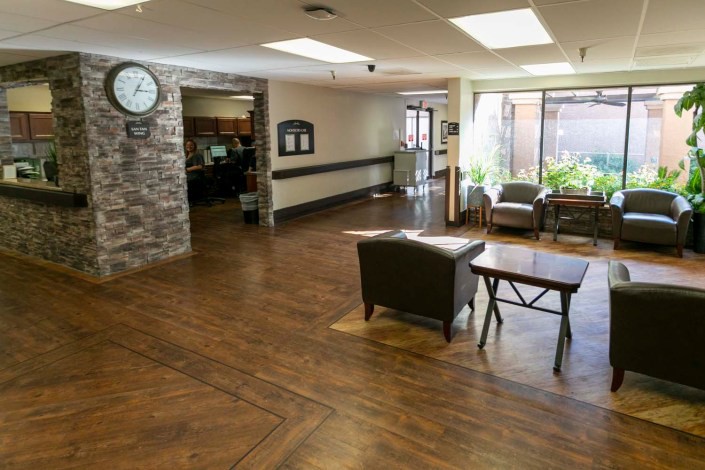
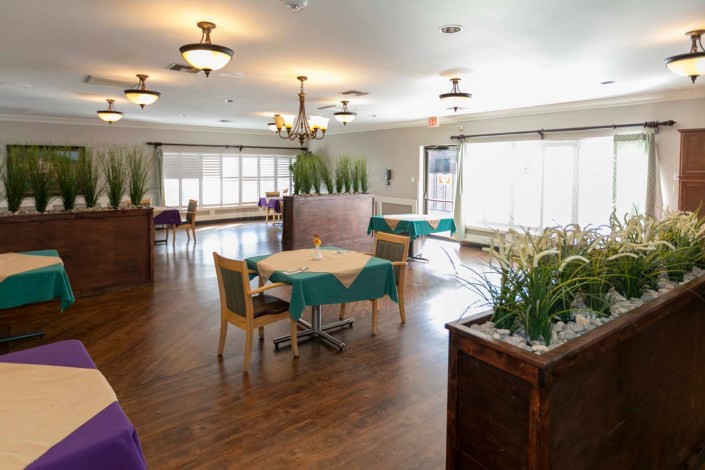
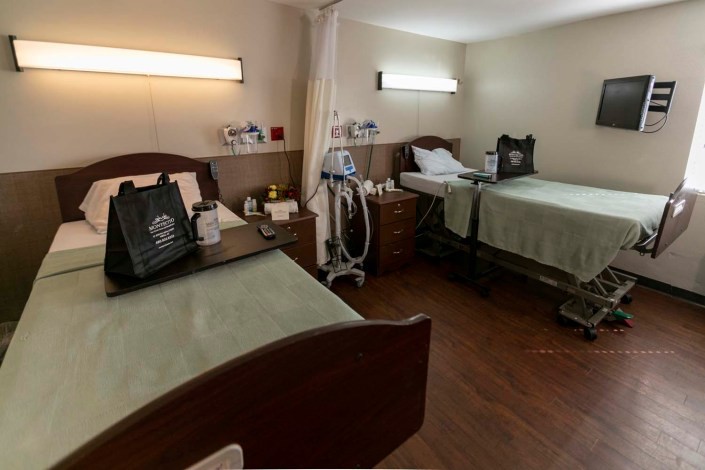
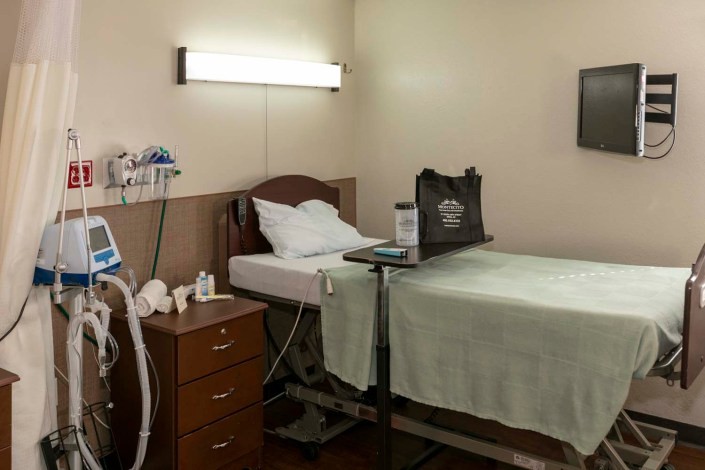
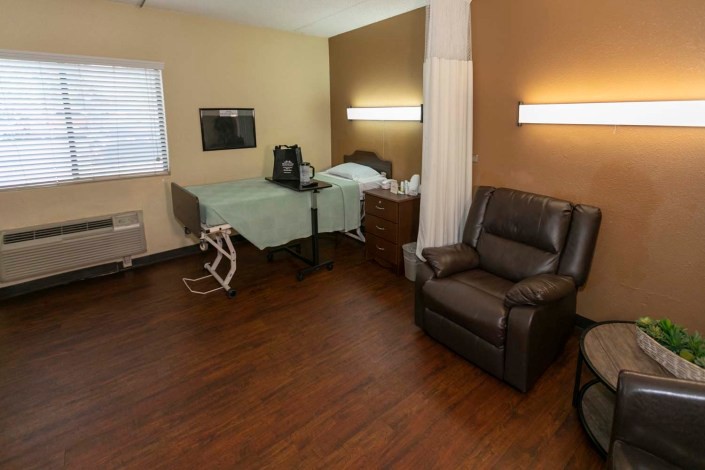
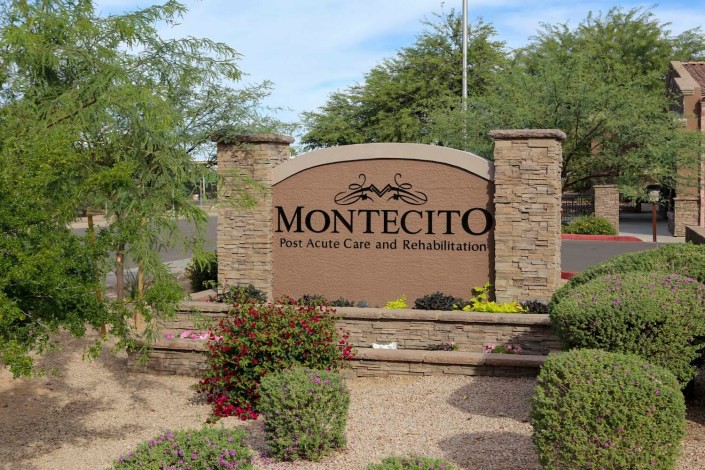
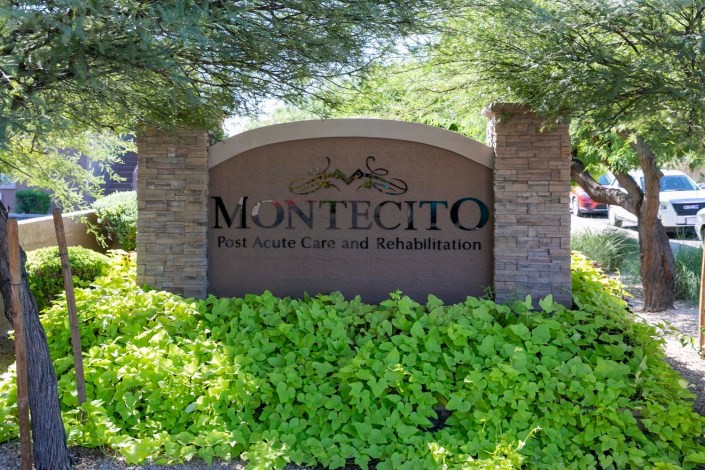
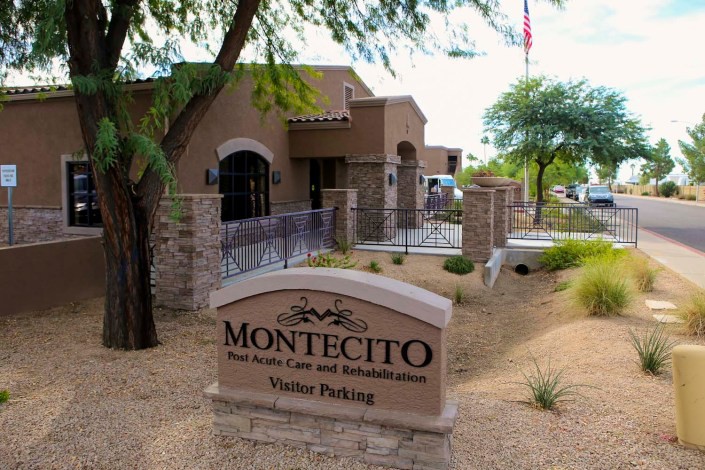
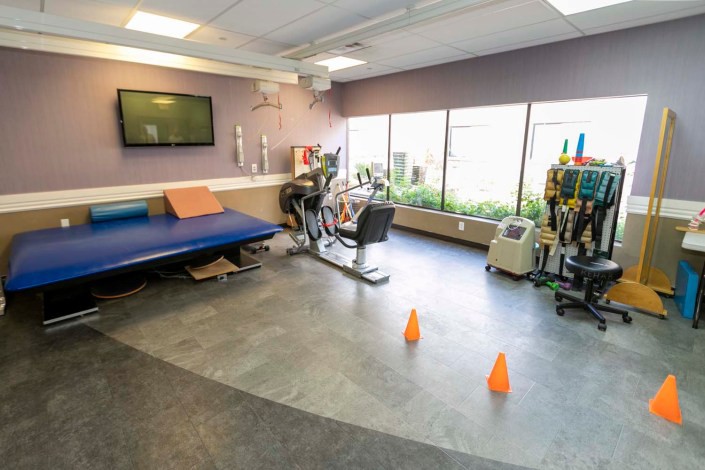
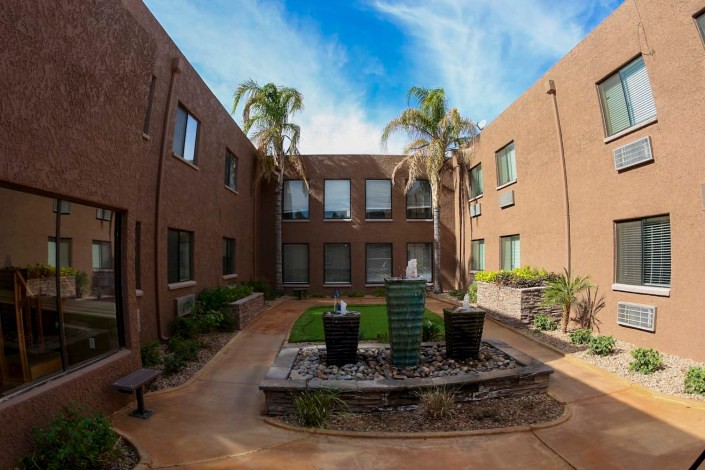
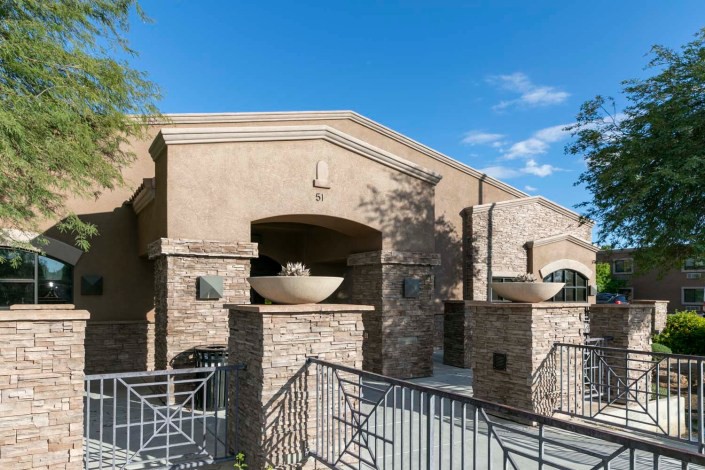
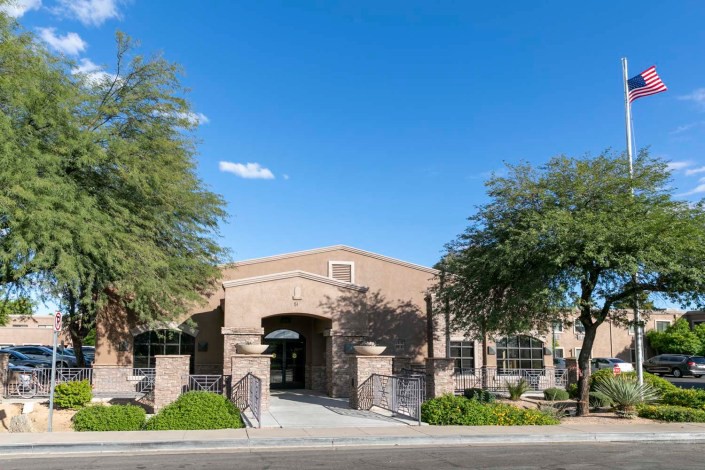
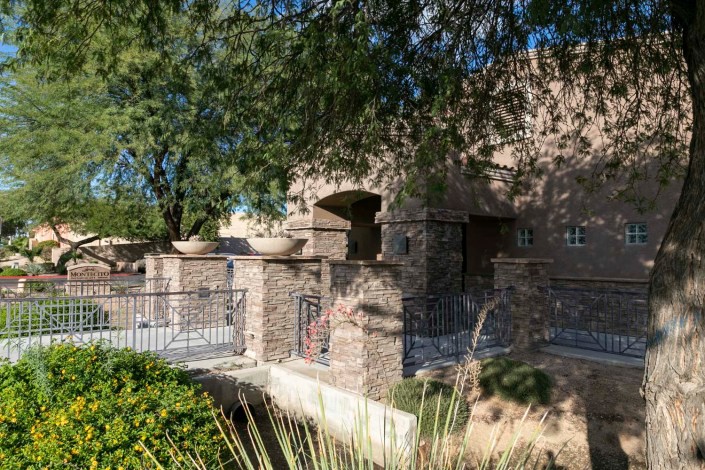
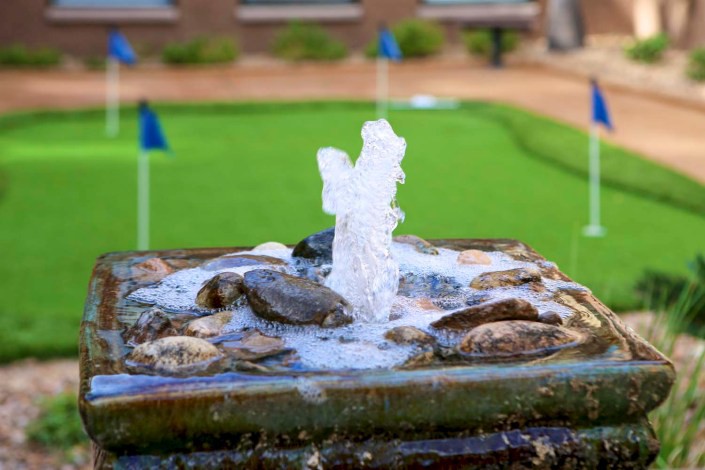
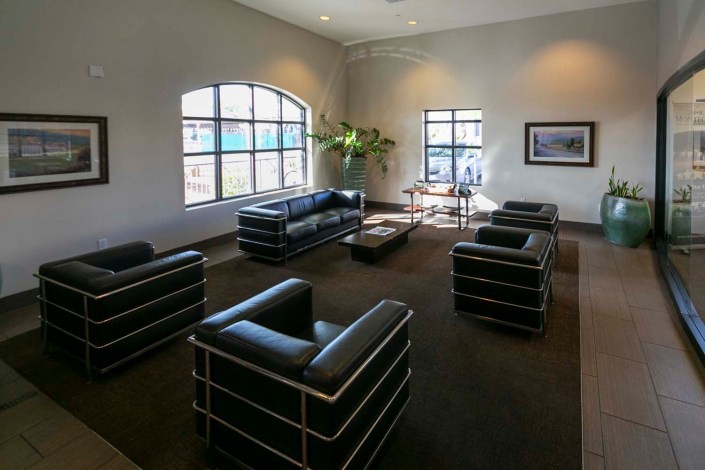
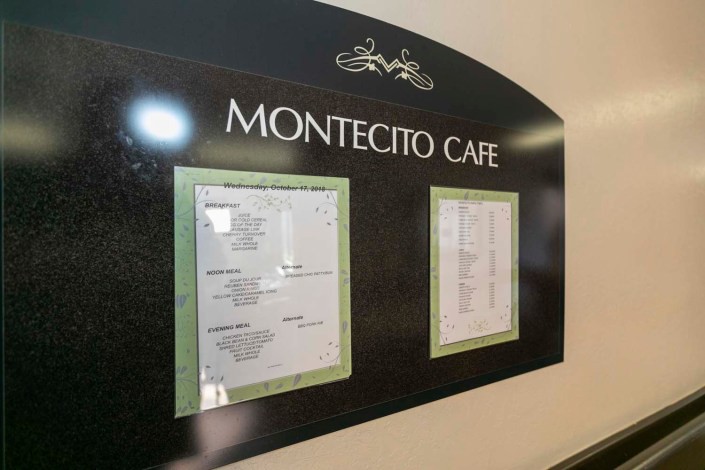
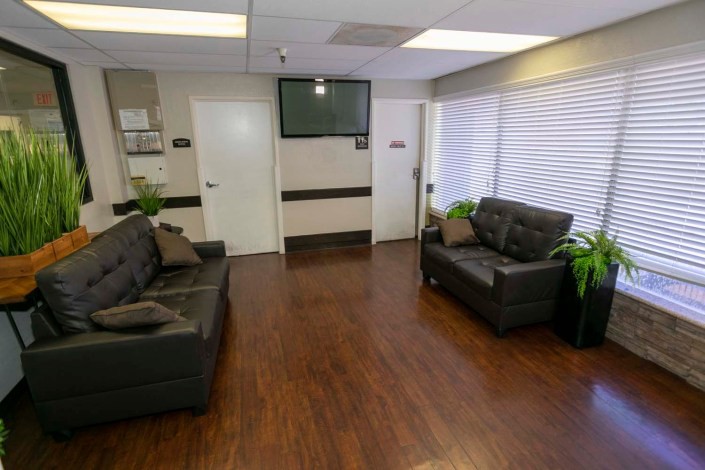
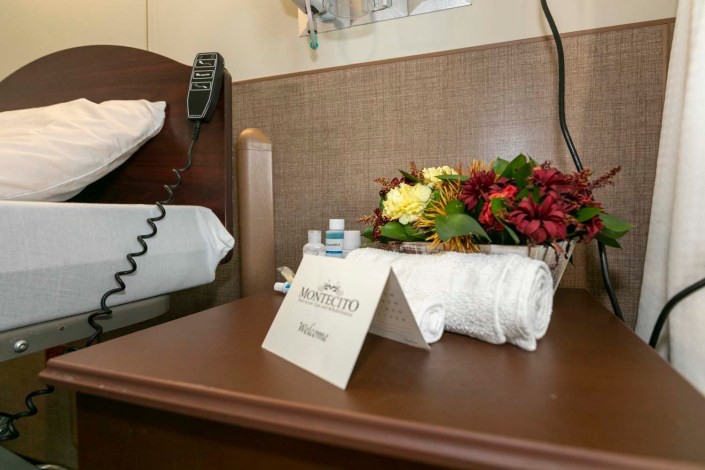
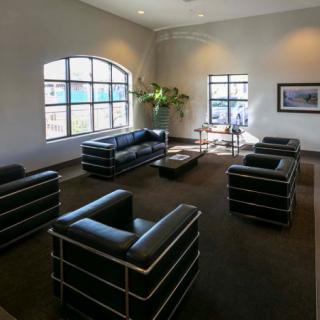
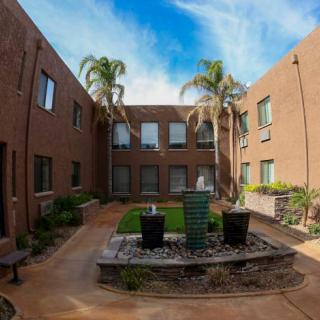
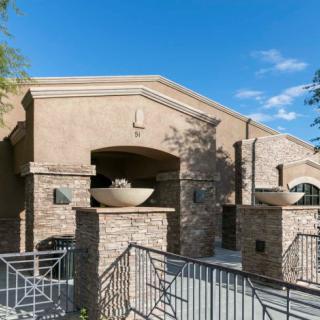
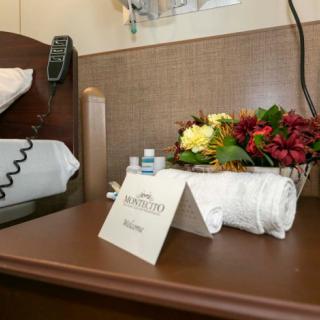
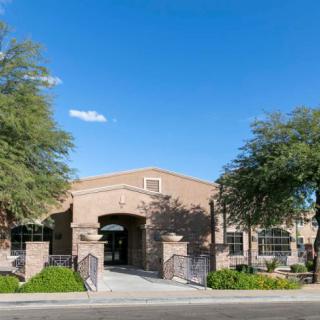
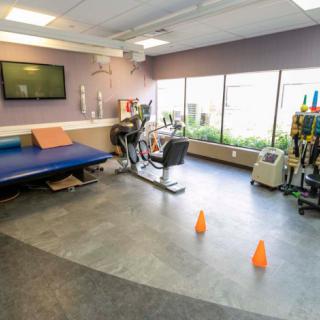
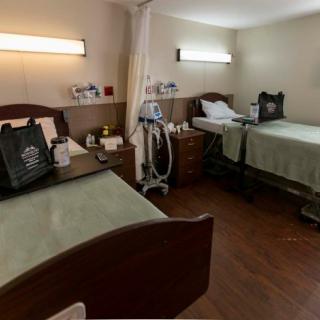
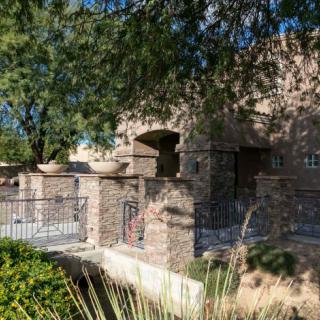
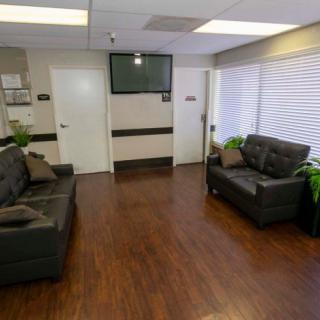
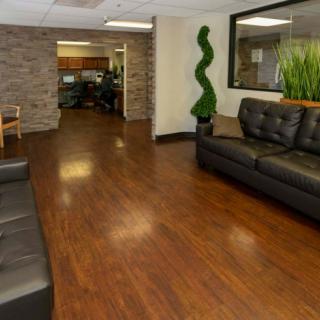
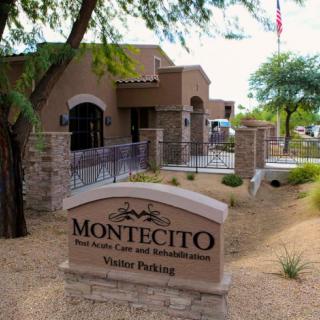
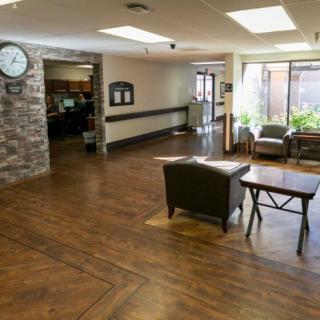
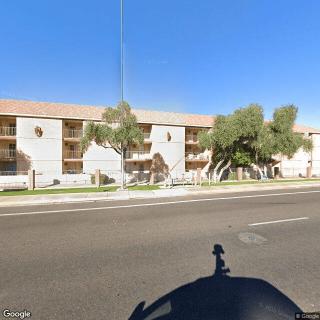
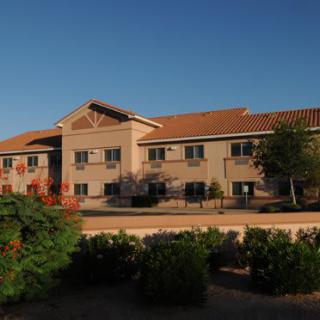
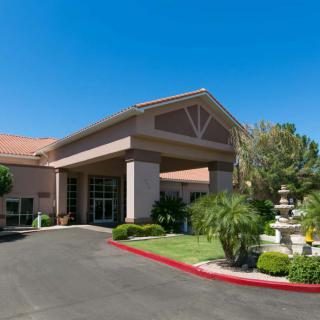
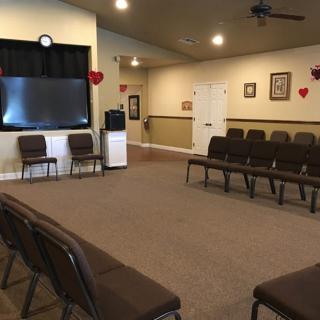
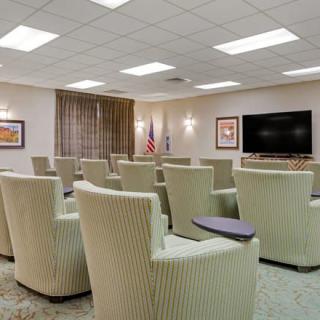
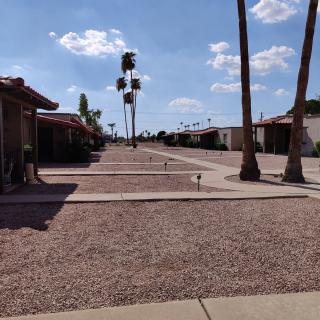
Montecito Post Acute Care And Rehabilitation on seniors.fyi includes 21 photos including images showing interior, bedroom, building, healthcare, architecture, landscaping, lobby, brick, and more.
Nearby Communities
Copper Village
Mesa, AZ
3.6 from 26 reviews
$2,100 to $2,500 / month
Friendly, caring staff in a clean, well-organized memory-care setting with engaging activities.
Citadel Post Acute
Mesa, AZ
3.6 from 136 reviews
Clean, welcoming environment with friendly staff and effective therapy.
Orchard Mesa Active Senior Living
Mesa, AZ
3.5 from 81 reviews
$510 / month
Clean, well-maintained community with friendly staff, engaging activities, and affordable, pet-friendly living.
The Citadel
Mesa, AZ
3.5 from 2 reviews
Friendly staff and a pet-friendly, well-maintained community.
The Citadel
Mesa, AZ
4.7 from 147 reviews
$1,595 to $2,080 / month
Friendly staff, engaged activities, and a welcoming community.
The Citadel Senior Living Community
Mesa, AZ
4.6 from 145 reviews
Caring staff, clean surroundings, and engaging amenities.
Arbor Rose Senior Care
Mesa, AZ
4.1 from 102 reviews
$3,195 to $3,895 / month
Caring staff in a clean, home-like setting with good meals and engaging activities.
Brookdale Springs Mesa
Mesa, AZ
4.4 from 153 reviews
$2,295 to $4,845 / month
Friendly, attentive staff and a warm, social community with restaurant-style dining.
Albany Apartments
Mesa, AZ
3.5 from 19 reviews
$1,230 to $1,330 / month
Well-maintained grounds with responsive management and a stair-free, open layout.
Weight training is vital for seniors to maintain muscle mass, bone density, and overall health, combating age-related declines through customized resistance exercises that enhance balance and well-being. Safe routines should start with realistic goals and proper form, while emphasizing gradual progress and consultations with healthcare providers to ensure safety and effectiveness.
The Sandwich Generation comprises adults managing the dual responsibilities of caring for aging parents and raising children, leading to significant emotional, logistical, and financial challenges. This situation is exacerbated by longer life expectancies and cultural expectations, necessitating effective coping strategies and support resources to alleviate caregiver stress and burnout.
The article highlights eight essential assistive devices that improve the independence and safety of older adults, addressing issues related to mobility, balance, vision, hearing, and dexterity. It emphasizes the importance of proper selection guided by healthcare professionals to enhance seniors' quality of life while allowing them to age in place.
Montecito Post Acute Care And Rehabilitation photos
×
Interior
Building
Architecture
Bedroom
Trees
Windows
Dining
Landscaping
Lighting
Garden
Television
Lobby
Pathway
Waiting Area
Interior
Bedroom
Dining
Landscaping
Windows
Building
Architecture
Trees
Lighting
Garden and Outdoor
Television
Entrance
Lobby
Exercise Equipment and Physical Therapy
Pathway
Exterior
Flag and Golf
Healthcare
Hardwood Floor
Office
Palm Trees and Courtyard
Waiting Area
Rehabilitation and Facility
Brick
Fountain
Nursing Home
Road
Stone Wall
Office Space
Get PricingAsk A QuestionSchedule A TourContact Senior Advisor
By clicking submit, you agree to our Partner's Terms of Use. You
also consent to receive calls and texts, which may be autodialed, from our Partner. Your consent is not a condition to
using our Partner's service. Please visit our Partner's Privacy Policy for information about their privacy practices.


 222 resident community capacity
 Skilled Nursing Facility
 Air-conditioning
 Beauty salon
 Cable or satellite TV
 Computer center
 Dining room
 Fitness room
 Fully furnished
 Gaming room
 Garden
 Housekeeping services
 Kitchenette
 Move-in coordination
 Outdoor space
 Private bathrooms
 Restaurant-style dining
 Small library
 Telephone
 Wellness center
 Wi-Fi/high-speed internet available
 Phoenix Sky Harbor International (16 miles away)
 Community operated transportation
 12-16 hour nursing
 24-hour call system
 Activities of daily living assistance
 Assistance with bathing
 Assistance with dressing
 Assistance with transfers
 Diabetes diet
 Medication management
 Mental wellness program
 Special dietary restrictions
 Transportation arrangement (medical)
 Concierge services
 Planned day trips
 Friendly, caring staff in a clean, well-organized memory-care setting with engaging activities.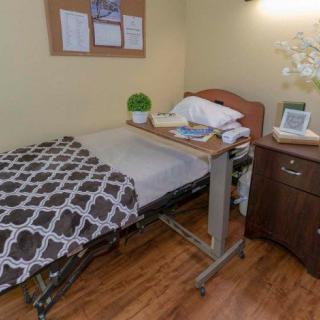

 Weight Training for Seniors: Building Strength and Vitality
 Understanding the Sandwich Generation: Stress and Responsibilities for Multigenerational Caregivers
 8 Essential Assistive Devices for Older Adults