For more information about senior living options: (866) 208-4318
3.6 from 136 reviews
5 stars
74
4 stars
15
3 stars
3
2 stars
6
1 stars
38
Overall Review of Citadel Post Acute
differentiator12 reviews mention this
Therapy teams get strong praise
Physical, occupational, and speech therapy are frequently described as effective and encouraging.
Multiple residents and families single out the therapy team as knowledgeable, supportive, and helpful during recovery. Several reviews describe strong physical therapy work and positive results, and others mention especially good occupational or speech therapy experiences. Even in more critical reviews, therapy is sometimes described as one of the better parts of the stay.
common34 reviews mention this
Staff kindness stands out
Staff members are repeatedly described as caring, respectful, and attentive to families.
Across the reviews, residents and families describe the staff as polite, kind, and professional, with many saying they felt treated with respect. Communication is also mentioned positively by some reviewers, including daily updates and willingness to discuss progress and concerns. Even when other parts of the experience are criticized, there are also reviews that emphasize great interpersonal care from nurses and CNAs.
caveat22 reviews mention this
Cleanliness is inconsistent
Cleanliness and odors are a recurring concern in some reviews, including reports of strong waste smells.
Some reviewers describe the building as very clean, well-kept, and even pleasant-smelling, and several highlight cleanliness as part of the overall comfort. Other reviews report the opposite experience, including strong odors, dirty rooms, and cleanliness lapses tied to hygiene and bed care. The mixed feedback suggests cleanliness quality can vary by time and unit.
caveat18 reviews mention this
Food quality draws mixed reactions
Dining gets mixed feedback, with some praising meals and others calling them poor or cold.
A number of reviews say the food is good or great, and some mention the person they cared for was happy with meals. Others describe meals as cold, disappointing, or not matching what was ordered, including concerns about restrictive diets. Several comments connect food issues with meals not arriving on time or not being suitable for the residentā€™s needs.
caveat7 reviews mention this
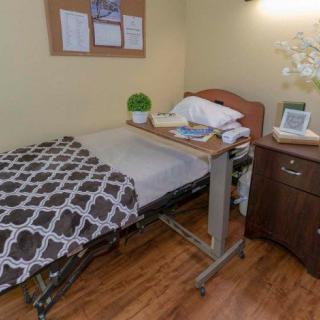
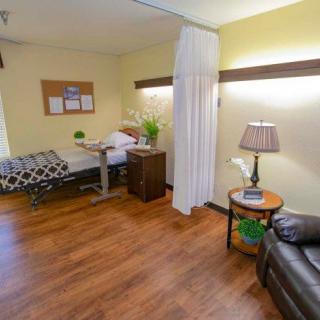
Rooms feel tight for visitors
Room layout and size are frequently described as limiting privacy and rest.
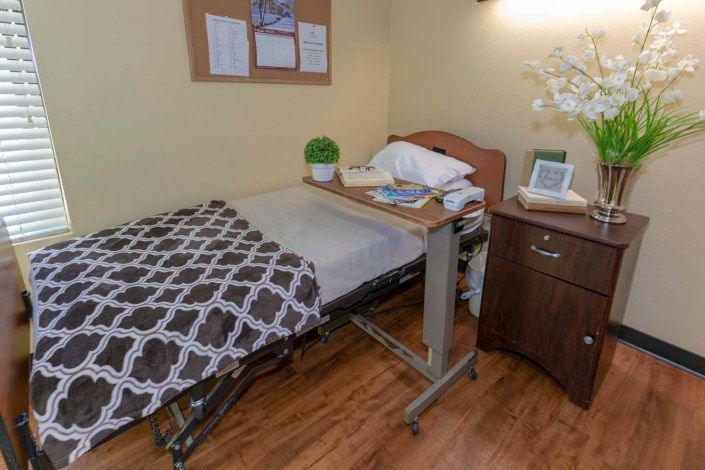
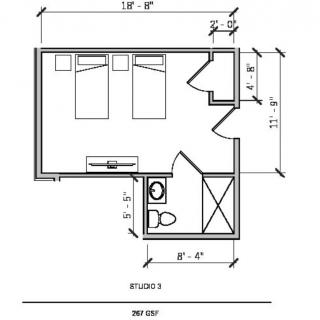
Some families describe the rooms as very small, with limited space for visitors and difficult conditions when a roommate shares the space. Multiple reviews connect the room setup to reduced rest, noise, and moving between rooms during the stay. A few reviewers also mention mattress discomfort and lack of quiet hours.
How we summarize
Counts show how many written reviews mention each theme; a review can touch several themes, and only frequently mentioned themes are displayed.
Features
Housing
128 resident community capacity
Types of Care
Assisted Living
Skilled Nursing Facility
Amenities
Air-conditioning
Beauty salon
Cable or satellite TV
Computer center
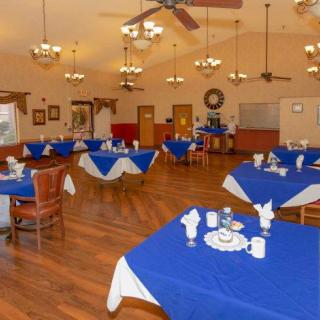
Dining room
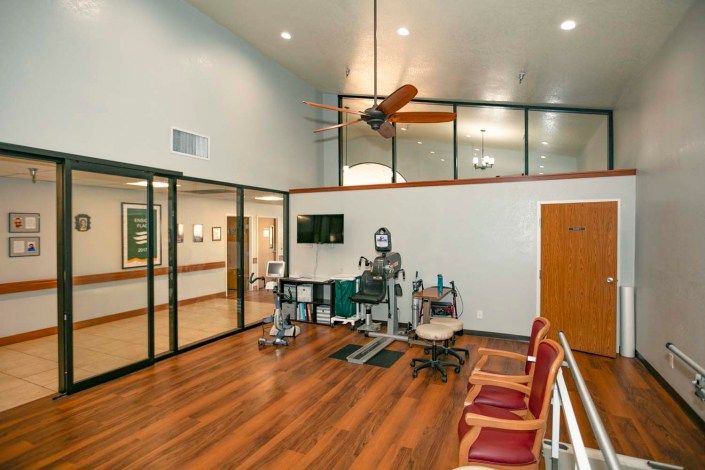
Fitness room
Fully furnished
Gaming room
Garden
Housekeeping services
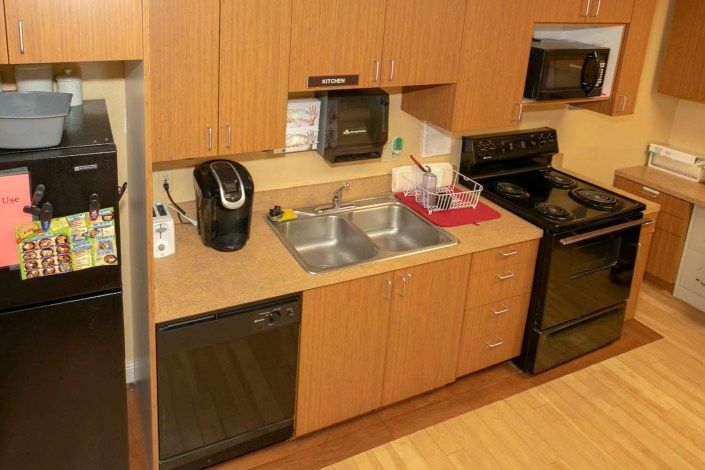
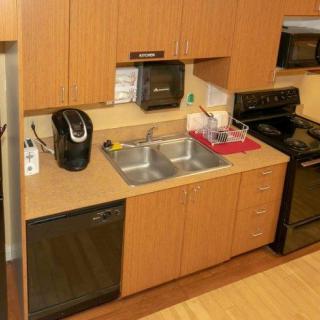
Kitchenette
Move-in coordination
Outdoor space
Private bathrooms
Restaurant-style dining
Small library
Telephone
Wellness center
Wi-Fi/high-speed internet available
Transportation
Phoenix Sky Harbor International (17 miles away)
Community operated transportation
Transportation arrangement
Transportation arrangement (non-medical)
Care Services
12-16 hour nursing
24-hour call system
24-hour supervision
Activities of daily living assistance
Assistance with bathing
Assistance with dressing
Assistance with transfers
Coordination with health care providers
Diabetes diet
Meal preparation and service
Medication management
Mental wellness program
Special dietary restrictions
Transportation arrangement (medical)
Transportation to doctors appointments
Dining
Diabetes diet
Special dietary restrictions
Activities
Community-sponsored activities
Concierge services
Fitness programs
Planned day trips
Resident-run activities
Scheduled daily activities
Nearby Places of Interest
Physicians
Cornerstone Family Medicine (1.2 miles)
Cvam (1.3 miles)
Valley Endocrine Associates (1.5 miles)
Simonmed Imaging (1.6 miles)
Banner Imaging East Mesa (1.6 miles)
Parikh, Simul Banner Md Anderson Cancer Center (1.6 miles)
Glick Ronald M Do (1.8 miles)
Parks
Greenfield Park (1.2 miles)
Riparian Preserve at Water Ranch (3.1 miles)
Finley Farms Park (4.6 miles)
Ashley Heights Park (6.2 miles)
Skyline Park (6.2 miles)
Pharmacies
Walgreens (1.3 miles)
CVS Pharmacy (1.4 miles)
Walgreens (1.4 miles)
Bashas' Pharmacy (1.9 miles)
CVS Pharmacy (2.2 miles)
Walgreens (3 miles)
Walgreens (3 miles)
Restaurants
Uncle Bear's Grill & Tap Greenfield (1.3 miles)
Red Lobster (1.6 miles)
Olive Garden (1.7 miles)
Applebee's (1.7 miles)
Cracker Barrel (1.8 miles)
Del Taco (1.9 miles)
MOD Pizza (2 miles)
Cafes
Dutch Bros Coffee (1.3 miles)
Starbucks (1.9 miles)
Over Easy (1.9 miles)
Starbucks (1.9 miles)
The Human Bean (2.1 miles)
Panera Bread (2.8 miles)
Panera Bread (5.2 miles)
Theaters
Superstition Springs 25 (2.8 miles)
AMC Mesa Grand 14 (5.2 miles)
Transportation
Falcon Field Airport (MSC) (3.4 miles)
Places of Worship
Church of Jesus Christ of Latter Day Saints (3.9 miles)
Mesa Arizona Temple (5.7 miles)
Church of Jesus Christ of Latter Day Saints (6.1 miles)
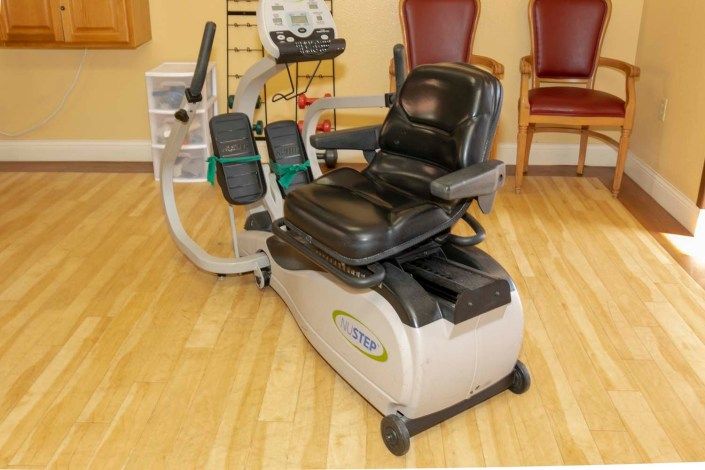
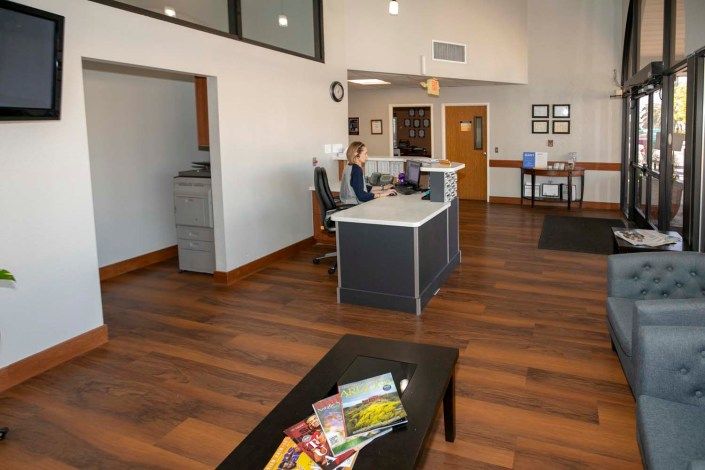
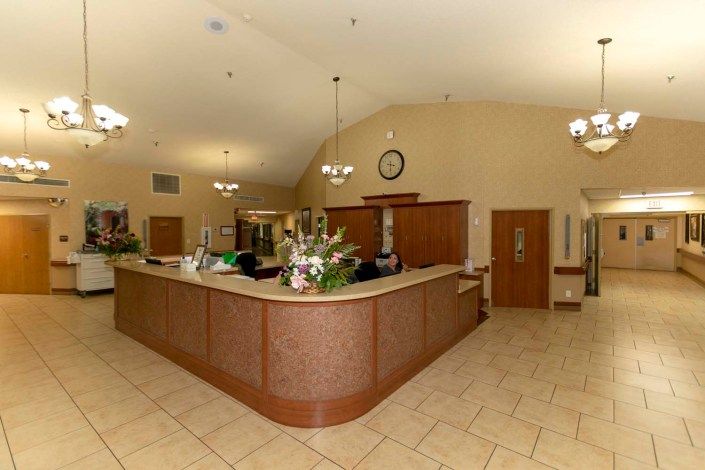
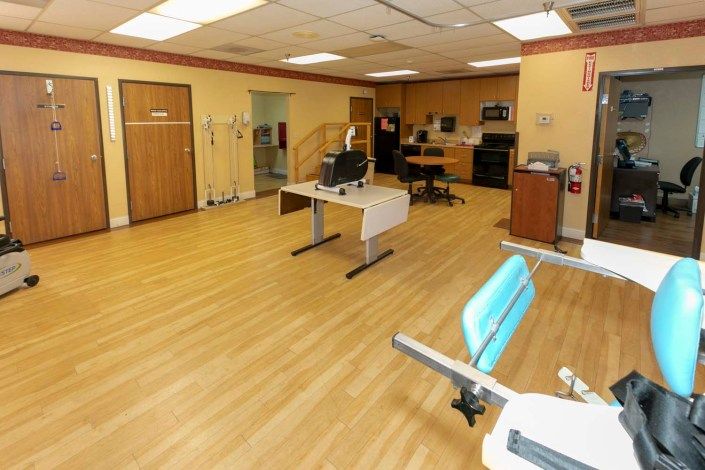
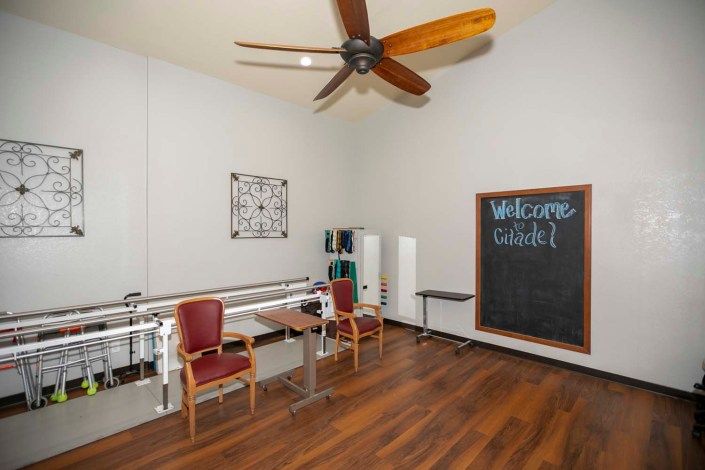
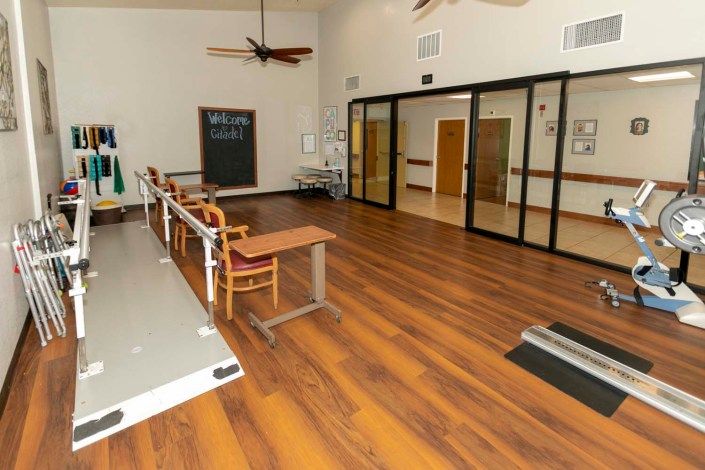
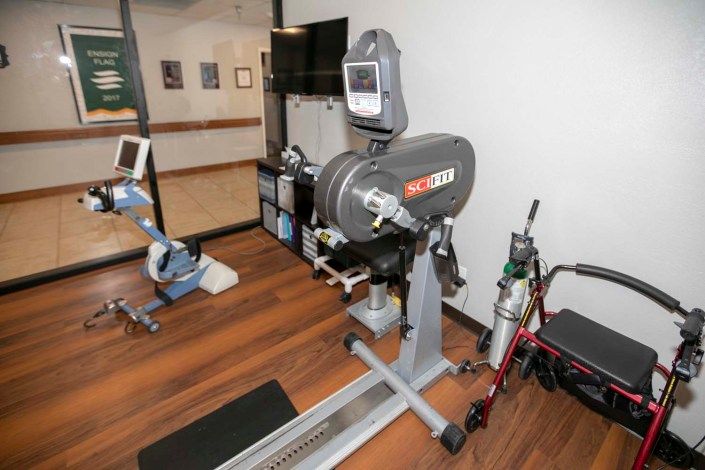
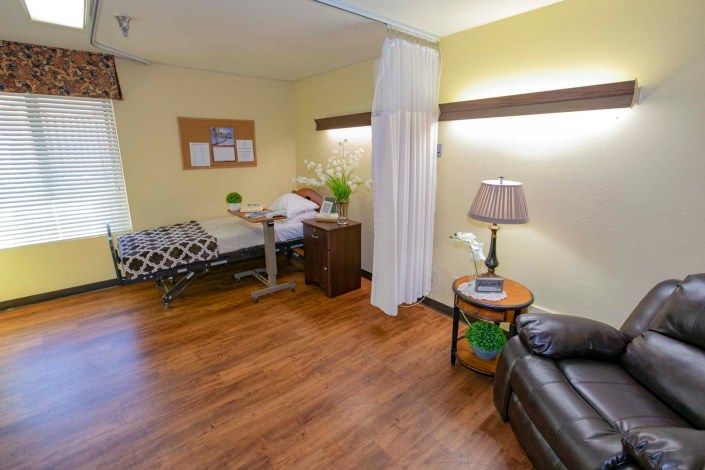
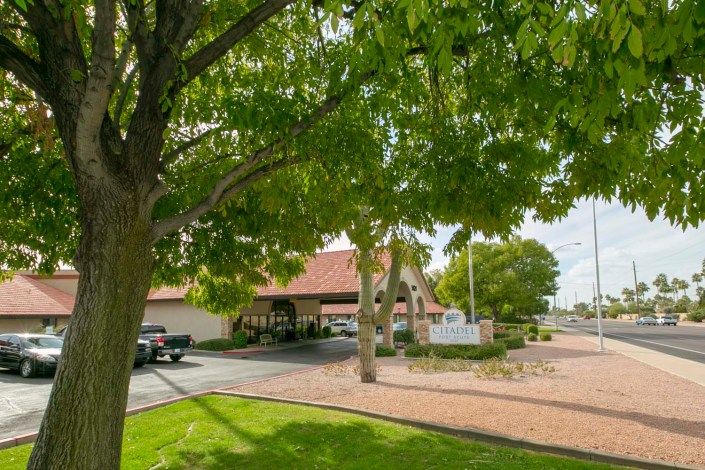
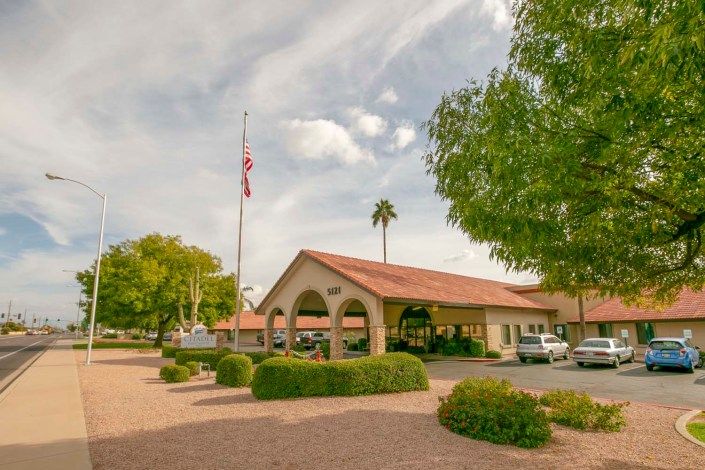
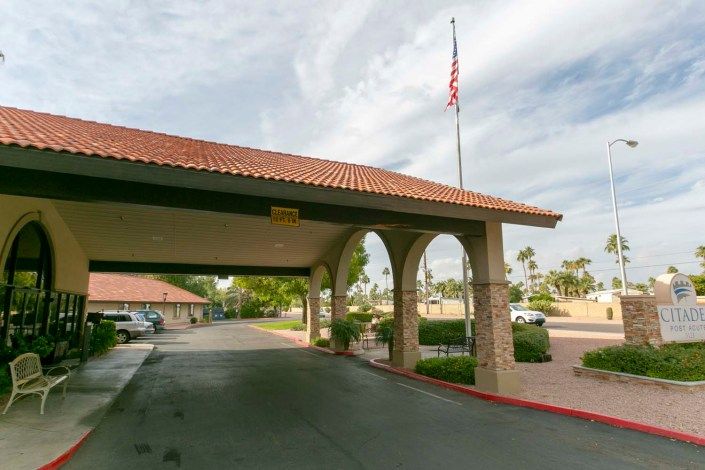
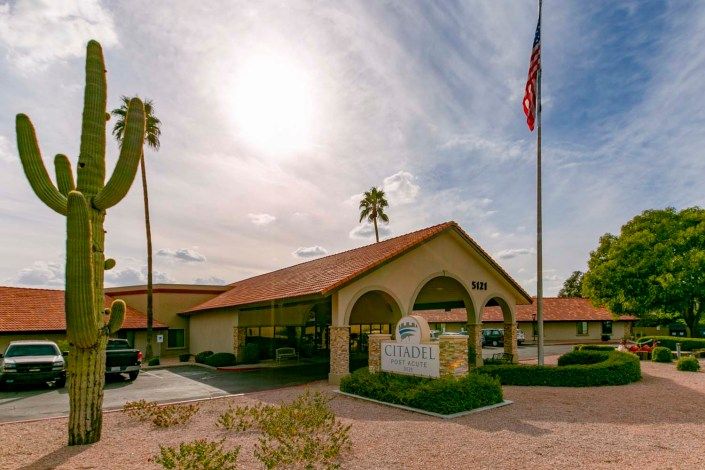
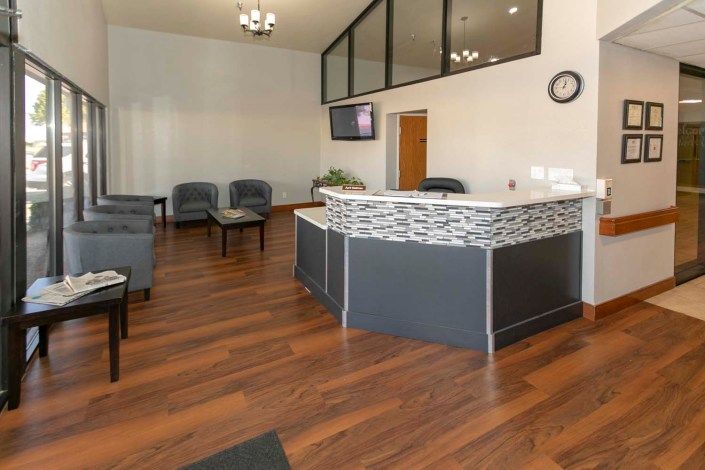
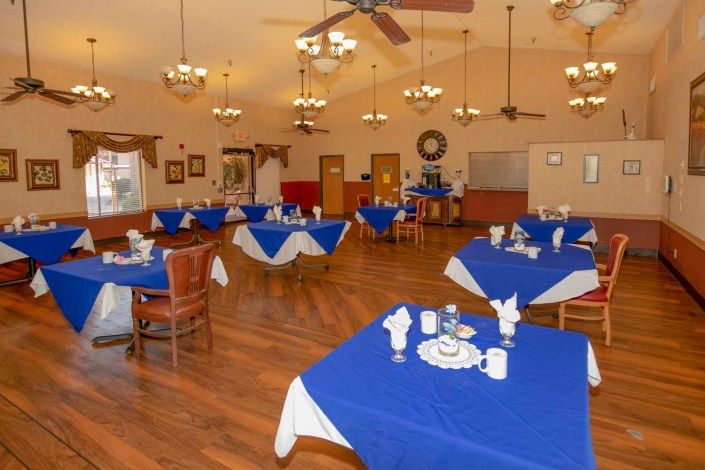
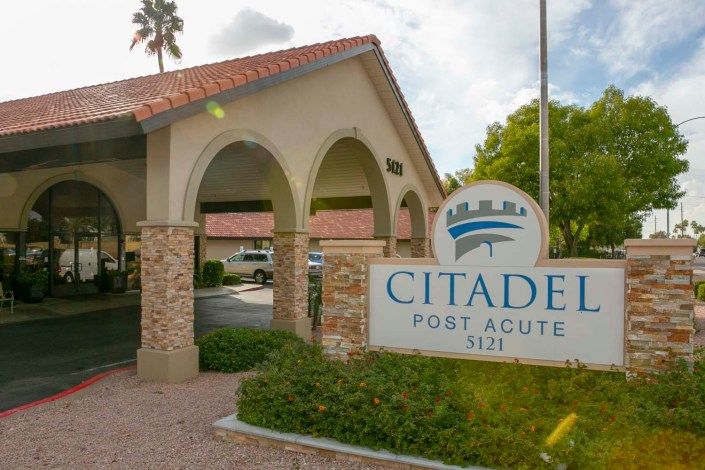
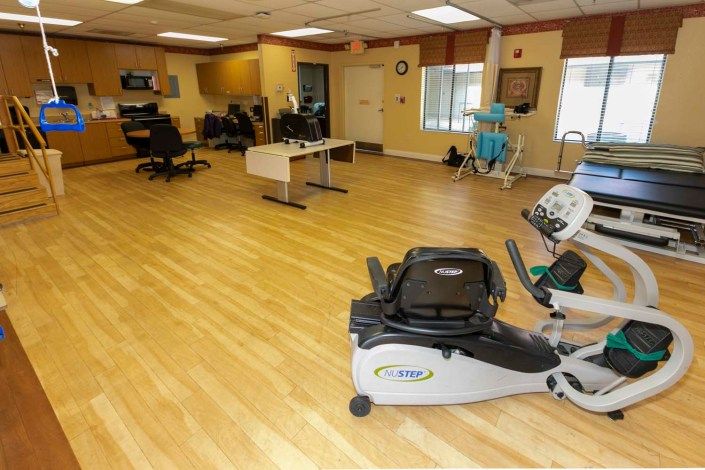
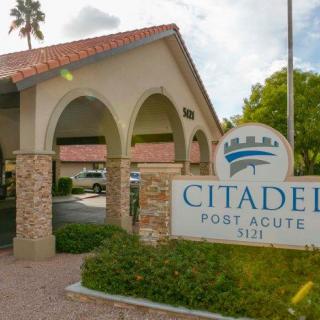
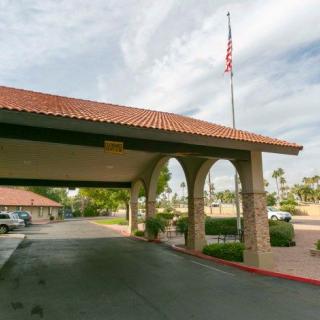
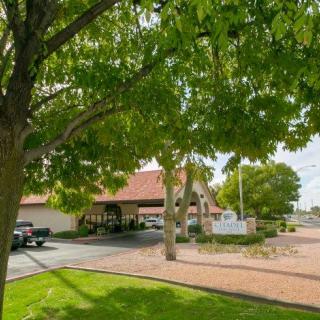
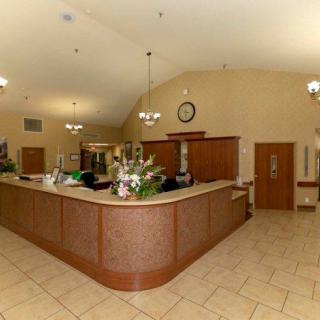
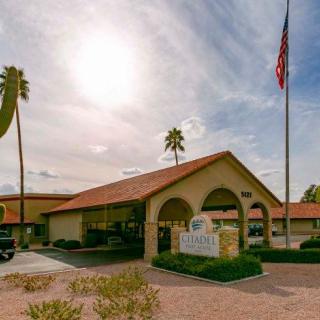
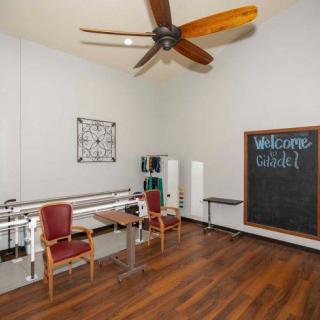
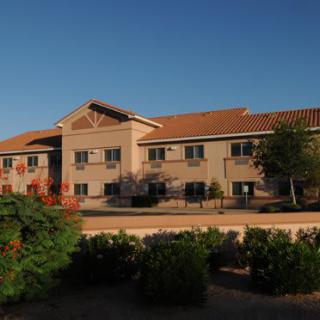
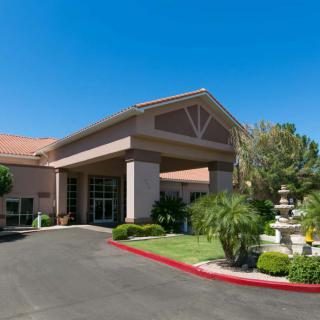
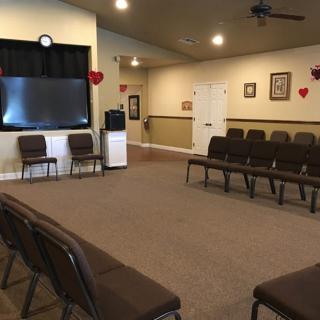
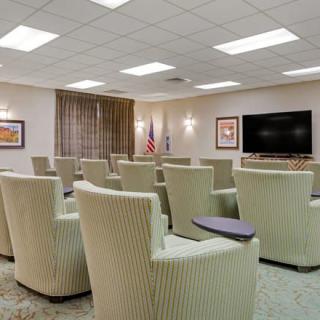
Citadel Post Acute on seniors.fyi includes 24 photos including images showing interior, building, exercise equipment, physical therapy, landscaping, flag, architecture, entrance, and more.
Nearby Communities
The Citadel
Mesa, AZ
3.5 from 2 reviews
Friendly staff and a pet-friendly, well-maintained community.
Copper Village
Mesa, AZ
3.6 from 26 reviews
$2,100 to $2,500 / month
Friendly, caring staff in a clean, well-organized memory-care setting with engaging activities.
The Citadel
Mesa, AZ
4.7 from 147 reviews
$1,595 to $2,080 / month
Friendly staff, engaged activities, and a welcoming community.
The Citadel Senior Living Community
Mesa, AZ
4.6 from 145 reviews
Caring staff, clean surroundings, and engaging amenities.
Visions Senior Living at Mesa
Mesa, AZ
4.2 from 51 reviews
$2,900 to $3,500 / month
Specialized memory care with on-site activities.
Visions Assisted Living at Mesa
Mesa, AZ
4.3 from 46 reviews
Caring staff in a bright, home-like setting with memory care and nutritious meals.
Orchard Mesa Active Senior Living
Mesa, AZ
3.5 from 81 reviews
$510 / month
Clean, well-maintained community with friendly staff, engaging activities, and affordable, pet-friendly living.
Arbor Rose Senior Care
Mesa, AZ
4.1 from 102 reviews
$3,195 to $3,895 / month
Caring staff in a clean, home-like setting with good meals and engaging activities.
Brookdale Springs Mesa
Mesa, AZ
4.4 from 153 reviews
$2,295 to $4,845 / month
Friendly, attentive staff and a warm, social community with restaurant-style dining.
Medicaid coverage for assisted living varies by state and is primarily available to low-income individuals, with eligibility dependent on strict income and asset limits. Some states offer HCBS waivers for specific services in assisted living, but families must generally cover room and board costs, and should verify facility acceptance of Medicaid while considering potential waiting lists.
Medicaid waivers for assisted living services provide vital support for seniors and individuals with disabilities in need of long-term care, with varying state-specific eligibility criteria and benefits. These waivers cover personal care and case management but often do not fully cover room and board, leading to waiting lists for many applicants.
The article examines the complexities of assisted living for individuals with disabilities, emphasizing the need for tailored care solutions that enhance quality of life and social inclusion, while addressing financial challenges and advocating for community integration. It discusses various housing options, the importance of financial assistance through public benefits, and highlights trends towards integrated and technology-driven solutions in disability-focused housing.
Get PricingAsk A QuestionSchedule A TourContact Senior Advisor
By clicking submit, you agree to our Partner's Terms of Use. You
also consent to receive calls and texts, which may be autodialed, from our Partner. Your consent is not a condition to
using our Partner's service. Please visit our Partner's Privacy Policy for information about their privacy practices.





 128 resident community capacity
 Assisted Living
 Skilled Nursing Facility
 Air-conditioning
 Beauty salon
 Cable or satellite TV
 Computer center
 Dining room
 Fitness room
 Fully furnished
 Gaming room
 Garden
 Housekeeping services
 Kitchenette
 Move-in coordination
 Outdoor space
 Private bathrooms
 Restaurant-style dining
 Small library
 Telephone
 Wellness center
 Wi-Fi/high-speed internet available
 Phoenix Sky Harbor International (17 miles away)
 Community operated transportation
 12-16 hour nursing
 24-hour call system
 Activities of daily living assistance
 Assistance with bathing
 Assistance with dressing
 Assistance with transfers
 Diabetes diet
 Medication management
 Mental wellness program
 Special dietary restrictions
 Transportation arrangement (medical)
 Concierge services
 Planned day trips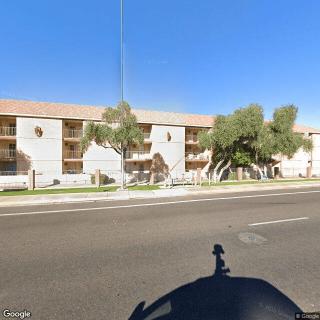
 Friendly staff and a pet-friendly, well-maintained community.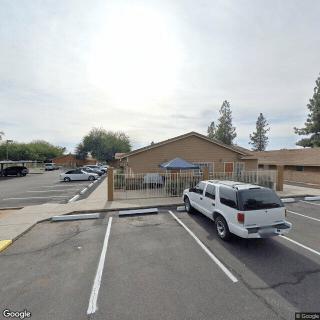

 How and When Medicaid May Cover Assisted Living Costs
 A Detailed Exploration of Assisted Living Medicaid Waivers Across the United States
 Comprehensive Residential Support and Assisted Living Solutions for Individuals with Disabilities