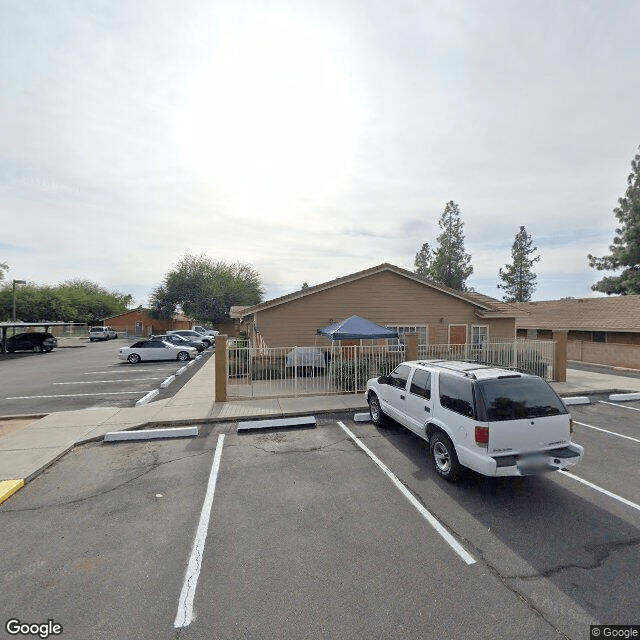
Copper Village in Mesa, AZ

Save
Copper Village

Copper Village in Mesa, AZ

5037 E Broadway Rd, Mesa, AZ 85206

For more information about senior living options: (844) 490-3973

3.6 from 26 reviews
5 stars
13
4 stars
3
3 stars
3
2 stars
1
1 stars
6

Assisted Living Memory Care

Copper Village Costs & Pricing

Copper Village offers competitive pricing for its services compared to the broader market in Maricopa County and across Arizona. The cost of a semi-private room at Copper Village is $2,100 per month, significantly lower than the county average of $2,801 and the state average of $2,820. Similarly, their studio apartments are priced at $2,500, which is notably more affordable than the Maricopa County rate of $3,960 and the overall state average of $3,829. This positioning not only reflects Copper Village's commitment to providing quality care at accessible rates but also makes it an attractive option for those seeking supportive living arrangements without compromising on value.

Floor plansCopper VillageMaricopa CountyArizona
Semi-Private$2,100$2,801$2,820
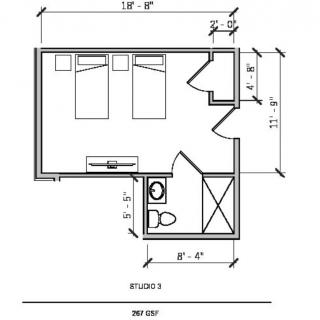
Studio$2,500$3,960$3,829

Overall Review of Copper Village

Pros

  • pro The staff at Copper Village are professional, accessible, and genuinely care about each resident's health, safety, and comfort.
  • pro The facility is clean, well kept, and feels warm, with ongoing efforts to sanitize and monitor temperatures.
  • pro The new leadership has brought clear positive changes that reassure families.
  • pro Caregivers are described as amazing and truly devoted to residents, making them feel loved and respected.
  • pro The cottages and grounds are secure, open, and offer private rooms that families can personalize to feel like home.
  • pro The activities program is vibrant, featuring animal visits, music, church services, and other engaging events.

Cons

  • pro The facility experienced repeated management changes, and the previous management could not handle his illness, discharging him and ultimately not wanting him.
  • pro There was poor management at Copper Village.
  • pro The reviewer noted a lack of confidence in the previous management and was on the verge of moving her mother out.
  • pro The caregivers were clueless when questions were asked.
  • pro Personal belongings and clothing were misplaced or taken, with staff not returning calls promptly or notifying the family about changes.
  • pro Hygiene care was not the greatest.
  • pro There were not enough skilled aides to supervise the ward, and there were concerns about residents' safety with unclear explanations for incidents.

Review

Copper Village in Mesa is best suited for families seeking a memory-care focused environment where compassionate, hands-on caregiving is the centerpiece. The reviews consistently point to a homelike, cottage-style setting with private rooms, secure grounds, and a staff culture that treats residents with dignity, patience, and real warmth. It works particularly well for a loved one with Alzheimer's or dementia who benefits from small, tightly knit groups, predictable routines, meaningful activities, and close family involvement in daily life. When the goal is engaged, attentive care delivered by a team that knows residents by name and remembers personal preferences, Copper Village stands out as the right fit.

That said, alternatives deserve consideration for families with different priorities or stricter expectations about leadership continuity and administrative responsiveness. Several reviews flag concerns tied to management history and front-office communication, including instances where questions went unanswered or items were mishandled. For families whose peace of mind hinges on consistently flawless administrative responsiveness, medication oversight, or rock-solid accountability from leadership, Copper Village may feel unsettled at times, especially if those experiences predate the current leadership changes. Those who prioritize hospital-grade medical oversight or want a facility with a long track record of unbroken administrative stability may want to compare options before committing.

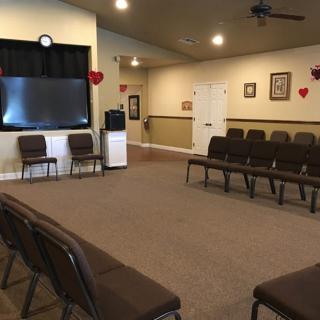
The strongest positives in Copper Village revolve around the caregiving heart of the operation. Across multiple narratives, caregivers emerge as the lifeblood of the community: patient, loving, and genuinely devoted to keeping residents safe, clean, and engaged. The cottage layout - nine memory-care cottages within a gated, secure framework - delivers a clear sense of home, with private bathrooms, room customization, and ample communal spaces for socializing and visits. Families repeatedly describe the atmosphere as warm and respectful, with residents who appear well cared for, physically comfortable, and emotionally engaged through high-quality activities, visits from animals, church services, concerts, and daily opportunities to socialize. When a loved one shows improvement or even a touch of happiness after a difficult placement, it often speaks to the staff's relational depth and steadiness.

The tangible benefits of Copper Village's model are reinforced by concrete features: private or semi-private rooms that families can personalize, generous common areas, and outdoor spaces that are safe and accessible. The memory-care focus allows staff to tailor routines, activities, and level of supervision to individual needs, with around-the-clock coverage and a staff-to-resident approach that supports consistent monitoring. The facility's emphasis on nutrition, mobility, and therapeutic services - plus on-site hairdressing, scheduled therapies, and medical visits - helps residents maintain dignity and quality of life. The result is a facility where many families feel a burden lifted, noting improved mood, steadier weight, and a renewed sense of normalcy during a challenging stage of caregiving.

Still, not every review lands on the same note of perfection. Specific concerns - ranging from earlier "poor management" impressions to reports of mislaid clothing, delayed communication from the front desk, and occasional questions about medication handling - underline a fragile edge in the operational supply chain. The redeeming counterpoint is the documented leadership turnover and the subsequent visible improvements under the current executive director and administrative team. When families see managers stepping in promptly to address complaints, communicate clearly, and hold staff accountable, the overall calculus shifts toward confidence in a facility that is learning to do better in response to feedback.

For decision-makers, the practical path is clear: visit Copper Village with eyes open to both the caregiving culture and the administrative dynamics. Observe caregiver interactions with residents, note how staff communicate with families, and scrutinize how the front office handles questions, requests, and updates. Confirm the current leadership structure, ask for direct contact with the executive director, and seek recent examples of issue resolution. Inquire about the care plans for memory-impaired residents, the specifics of medication management, and the process for family involvement in personal-item inventory and room updates. With these checks, Copper Village can be a profoundly stabilizing choice for a loved one who needs memory-care in a setting that prioritizes compassion, community, and daily purpose.

In the end, Copper Village is a compelling option for families prioritizing a resident-centered, memory-care environment where caregivers are genuinely engaged and the living spaces feel like home. The cottages, secure grounds, rich activity calendar, and strong emphasis on personal connection create a durable foundation for quality of life. Those who can tolerate occasional administrative growing pains in exchange for a demonstrated, evolving commitment to better service will likely find Copper Village a trustworthy, nurturing residence for a loved one navigating the challenges of dementia. For others, especially those needing ironclad administrative consistency or higher medical oversight, it is wise to compare alternatives and press for a clear plan of action before choosing.

Features

Housing

  • 90 resident community capacity 90 resident community capacity

Types of Care

  • Assisted Living Assisted LivingAssisted living facilities provide crucial support and care for seniors who may need help with daily tasks such as medication management, bathing, and meal preparation. These communities offer a safe and comfortable environment where seniors can maintain their independence while receiving the assistance they need to thrive in their golden years.
  • Memory Care Memory CareMemory care is crucial for seniors as it provides specialized support and services for individuals with dementia or Alzheimer's disease. These programs offer a safe and secure environment where residents receive personalized care, cognitive stimulation, and help with daily activities. Memory care helps seniors maintain their independence, quality of life, and dignity while also providing peace of mind for their families.

Amenities

  • Air-conditioning Air-conditioningAir conditioning is important for seniors as they are more vulnerable to heat-related illnesses and may have underlying health conditions that make it difficult for them to regulate their body temperature. It helps to keep them comfortable, safe, and healthy in hot weather.
  • Beauty salon Beauty salonBeauty salons are important for seniors because they provide a space for them to feel pampered, socialize, and maintain their personal grooming and hygiene. Regular visits to a beauty salon can help boost seniors' self-esteem and overall well-being.
  • Cable or satellite TV Cable or satellite TVCable or satellite TV is important for seniors because it provides entertainment, news, and companionship, helping to combat loneliness and boredom. It also offers a wide range of programming options tailored to different interests and preferences.
  • Computer center Computer centerA computer center is essential for seniors as it provides access to technology, communication tools, and resources that can enhance their daily lives. It allows them to stay connected with loved ones, engage in online activities, and learn new skills, ultimately promoting socialization and mental stimulation.
  • Dining room Dining roomDining rooms are important for seniors as they provide a space for socialization, connection, and nutritious meals. They offer opportunities for residents to bond over shared meals, foster a sense of community, and promote healthy eating habits. Dining rooms also ensure that seniors have access to well-balanced meals tailored to their dietary needs and preferences.
  • Fitness room Fitness roomHaving a fitness room in a senior living community is essential for seniors to stay active, maintain their physical health, and improve their overall well-being. Regular exercise can help prevent falls, reduce the risk of chronic diseases, and promote mental sharpness. It also provides social opportunities for residents to connect with others and enjoy a sense of community.
  • Fully furnished Fully furnishedFully furnished senior living communities are important for seniors because they provide convenience, comfort, and a hassle-free moving experience. Seniors can easily settle into their new living space without the stress of having to buy and move furniture. This allows them to focus on enjoying their new home and community.
  • Gaming room Gaming roomGaming rooms are important for seniors as they provide a fun and engaging environment for socializing, cognitive stimulation, and physical activity. Games can improve memory, problem-solving skills, and overall mental well-being while fostering friendships and reducing feelings of isolation.
  • Garden GardenGardens are important for seniors as they provide a peaceful and therapeutic environment for relaxation, physical activity, and socialization. Being in nature has been shown to reduce stress, improve mood, and promote overall well-being. Gardens also offer opportunities for seniors to engage in gardening activities, which can improve mobility, flexibility, and cognitive function. Additionally, gardens create a sense of community and connection with others who share a passion for plants and outdoor spaces.
  • Housekeeping services Housekeeping servicesHousekeeping services are important for seniors because they help maintain a clean and safe living environment, promote independence, and reduce the risk of accidents or illnesses. Additionally, having assistance with household chores can alleviate physical strain and allow seniors to focus on other aspects of their well-being.
  • Kitchenette KitchenetteKitchenettes are important for seniors living in senior living communities because they provide the convenience and independence of being able to prepare simple meals and snacks in the comfort of their own living space. This can help promote a sense of autonomy and well-being for seniors, allowing them to maintain some level of control over their dietary choices and daily routines.
  • Move-in coordination Move-in coordinationMove-in coordination is important for seniors because it helps ease the transition into their new living environment. It ensures that all logistics, such as packing, organizing movers, and setting up utilities are taken care of, allowing seniors to focus on settling in and adjusting to their new home. Having a smooth move-in process can alleviate stress and anxiety, making the transition smoother and more enjoyable for seniors.
  • Outdoor space Outdoor spaceOutdoor spaces are important for seniors as they provide opportunities for physical activity, social interaction, exposure to natural light and fresh air, and a sense of connection to nature. Having access to outdoor spaces can improve overall well-being and quality of life for older adults living in senior communities.
  • Private bathrooms Private bathroomsPrivate bathrooms are important for seniors in senior living communities because they provide independence, dignity, and comfort. Having a private bathroom allows seniors to maintain their personal hygiene routines without the need for assistance, promoting a sense of autonomy and privacy. Additionally, private bathrooms help prevent the spread of infections and provide a safe and clean environment for seniors to navigate safely.
  • Respite or short term stays offered Respite or short term stays offeredRespite or short term stays provide seniors with a temporary solution when their regular caregiver is unavailable, offering them the opportunity to receive additional care and support during times of need, while also giving caregivers a chance to rest and recharge.
  • Restaurant-style dining Restaurant-style diningRestaurant-style dining is important for seniors because it allows them to enjoy delicious, nutritious meals in a social and upscale setting. This enhances their dining experience, promotes healthy eating habits, and fosters socialization with fellow residents, ultimately contributing to their overall well-being and quality of life.
  • Small library Small librarySmall libraries are important for seniors as they provide access to a variety of reading materials, including books, newspapers, and magazines. This can help stimulate their minds, keep them engaged, and provide a sense of community through book clubs and other social activities. Additionally, reading has been shown to improve cognitive function and overall mental well-being in older adults.
  • Telephone TelephoneTelephones are important for seniors as they provide a lifeline for communication with loved ones, emergency services, and healthcare providers. They offer a sense of security and independence, enabling seniors to stay connected and access assistance when needed.
  • Wellness center Wellness centerWellness centers are important for seniors because they offer a variety of programs and services that promote physical, mental, and emotional well-being. These centers provide opportunities for exercise, socialization, education, and relaxation, helping seniors maintain their overall health and quality of life.
  • Wi-Fi/high-speed internet available Wi-Fi/high-speed internet availableWi-Fi/high-speed internet is important for seniors to stay connected with loved ones, access online resources, and participate in virtual activities to combat feelings of loneliness and isolation. It also allows them to easily manage healthcare needs, access entertainment, and engage in lifelong learning opportunities.

Transportation

  • Phoenix Sky Harbor International (17 miles away) Phoenix Sky Harbor International (17 miles away)
  • Community operated transportation Community operated transportationCommunity operated transportation is crucial for seniors as it provides them with the means to access essential services, social activities, and medical appointments. It allows seniors to maintain their independence and quality of life by ensuring they can participate in activities outside of their homes. Additionally, community-operated transportation services offer a safe and reliable way for seniors to travel without having to rely on family or friends for assistance.
  • Transportation arrangement Transportation arrangementTransportation arrangements are crucial for seniors as they may face challenges with driving, mobility, or access to public transportation. Having reliable transportation services ensures that seniors can easily attend appointments, social activities, and maintain their independence and quality of life.
  • Transportation arrangement (non-medical) Transportation arrangement (non-medical)Transportation arrangements are essential for seniors as they provide access to essential services, activities, and social interactions outside the home. This service helps maintain independence, mobility, and overall well-being for seniors who may have limited transportation options.
  • Transportation to doctors appointments Transportation to doctors appointmentsTransportation to doctors appointments is crucial for seniors as it ensures they have access to necessary medical care and support, promoting their health and well-being. It allows them to receive timely treatment, monitor existing conditions, and address any new health concerns efficiently. Additionally, transportation services can help seniors maintain their independence and quality of life by enabling them to stay connected with their healthcare providers.

Care Services

  • 12-16 hour nursing 12-16 hour nursing12-16 hour nursing care is crucial for seniors in order to ensure around-the-clock monitoring, timely medication administration, and prompt response to any health concerns or emergencies. This level of care helps to promote the overall well-being and safety of seniors living in senior living communities.
  • 24-hour call system 24-hour call system24-hour call systems are important for seniors because they provide peace of mind and immediate assistance in case of emergencies. This technology ensures that help is always available, promoting safety and security for elderly individuals living alone or in assisted living facilities.
  • 24-hour supervision 24-hour supervision24-hour supervision is important for seniors to ensure their safety, well-being, and access to immediate assistance in case of emergencies or health issues. This constant support provides peace of mind for both seniors and their loved ones, allowing them to age in place with dignity and security.
  • Activities of daily living assistance Activities of daily living assistanceActivities of daily living assistance are important for seniors because they provide essential support with tasks such as eating, bathing, dressing, and mobility. This assistance helps seniors maintain their independence, dignity, and overall quality of life as they age.
  • Assistance with bathing Assistance with bathingAssistance with bathing is crucial for seniors as it helps maintain personal hygiene, prevents infections, and ensures their overall well-being and comfort. It also provides a sense of dignity and independence for seniors who may struggle with this task on their own.
  • Assistance with dressing Assistance with dressingAssistance with dressing is important for seniors because it helps maintain their independence, promotes personal hygiene, prevents accidents and injuries, and improves overall quality of life. This service ensures that seniors can continue to dress comfortably and confidently, despite any physical limitations they may have.
  • Assistance with transfers Assistance with transfersAssistance with transfers is crucial for seniors as it helps prevent falls and injuries, maintains their independence, and ensures they can safely navigate their living environment. It also provides peace of mind for both seniors and their loved ones.
  • Diabetes diet Diabetes dietA diabetes diet is crucial for seniors as it helps manage blood sugar levels, reduce risks of complications, and improve overall health and well-being. By following a balanced and nutritious diet tailored to their specific needs, seniors can better control their diabetes and enhance their quality of life.
  • Meal preparation and service Meal preparation and serviceMeal preparation and service are crucial for seniors as they may have limited mobility or energy to cook nutritious meals. Having access to healthy and convenient food options can ensure they are getting the proper nutrition needed to maintain their overall health and well-being.
  • Medication management Medication managementMedication management is crucial for seniors to ensure they are taking the right medications at the correct dosages and times. This helps prevent adverse drug interactions, reduces the risk of medication errors, and promotes overall health and well-being. Proactive management also allows for adjustments as needed based on changing health conditions or new prescriptions.
  • Mental wellness program Mental wellness programMental wellness programs are essential for seniors as they promote cognitive stimulation, emotional support, and social engagement. These programs help prevent isolation, depression, and cognitive decline, ultimately enhancing the overall quality of life for older adults.
  • Special dietary restrictions Special dietary restrictionsSpecial dietary restrictions are important for seniors because age-related changes in metabolism and health conditions can make it difficult for their bodies to process certain foods. By following a diet tailored to their specific needs, seniors can maintain their overall health and well-being, manage chronic conditions, and reduce the risk of complications such as malnutrition or food interactions with medications.

Dining

  • Diabetes diet Diabetes dietA diabetes diet is crucial for seniors as it helps manage blood sugar levels, reduce risks of complications, and improve overall health and well-being. By following a balanced and nutritious diet tailored to their specific needs, seniors can better control their diabetes and enhance their quality of life.
  • Special dietary restrictions Special dietary restrictionsSpecial dietary restrictions are important for seniors because age-related changes in metabolism and health conditions can make it difficult for their bodies to process certain foods. By following a diet tailored to their specific needs, seniors can maintain their overall health and well-being, manage chronic conditions, and reduce the risk of complications such as malnutrition or food interactions with medications.

Activities

  • Community-sponsored activities Community-sponsored activitiesCommunity-sponsored activities are important for seniors as they provide opportunities for social interaction, mental stimulation, and physical activity. These activities can help improve overall well-being, combat loneliness and isolation, and promote a sense of belonging and purpose among older adults.
  • Concierge services Concierge servicesConcierge services are essential for seniors as they provide assistance with daily tasks and errands, enhance their quality of life by offering convenience and personalized care, and promote a sense of safety and security.
  • Fitness programs Fitness programsFitness programs are crucial for seniors as they help improve strength, flexibility, balance, and overall well-being. Staying active can reduce the risk of chronic diseases, improve mental health, and enhance quality of life in older adults.
  • Planned day trips Planned day tripsPlanned day trips are important for seniors because they offer opportunities for socialization, mental stimulation, and physical activity. They provide a change of scenery and help seniors stay engaged and connected to their community, promoting overall well-being and quality of life.
  • Resident-run activities Resident-run activitiesResident-run activities are important for seniors as they encourage social interaction, creativity, and a sense of autonomy. These activities empower seniors to stay engaged and active in their community while fostering meaningful connections with their peers.
  • Scheduled daily activities Scheduled daily activitiesScheduled daily activities are important for seniors because they provide structure, socialization, mental stimulation, and physical activity. Engaging in regular activities can improve overall well-being and quality of life for seniors living in a community setting.

Description

Copper Village in Mesa, AZ is an assisted living community that offers residents a vibrant and convenient lifestyle. Located in a bustling neighborhood, this community is surrounded by various amenities to cater to the needs and interests of its residents.

For those who enjoy socializing over a cup of coffee or grabbing a bite to eat, there are six cafes and 26 restaurants nearby. These establishments provide a range of culinary options to satisfy any palate.

Nature enthusiasts will appreciate the close proximity of three parks where they can take leisurely walks, engage in outdoor activities, or simply relax amidst greenery. These parks offer a tranquil escape from the bustling city life.

Healthcare is also easily accessible with 18 pharmacies and 20 physicians in the area. This ensures that residents have convenient access to medical services and can easily obtain their prescriptions when needed.

Transportation options are readily available with one transportation service nearby, making it easy for residents to travel within Mesa or visit neighboring areas.

For those seeking spiritual fulfillment, there is one place of worship nearby where residents can nurture their faith and connect with their community.

Entertainment options abound with one theater nearby, offering opportunities for residents to indulge in the arts and catch the latest shows or movies.

Overall, Copper Village provides an ideal setting for seniors looking for an assisted living community that combines convenience with an array of amenities, ensuring a fulfilling and engaging lifestyle.

Nearby Places of Interest

Located in Mesa, Arizona, this charming neighborhood offers a variety of amenities for seniors looking to settle down in a peaceful and convenient area. With several parks nearby such as Greenfield Park and Riparian Preserve at Water Ranch, residents can enjoy nature walks and outdoor activities. The neighborhood also boasts a selection of reputable physicians and pharmacies for easy access to healthcare services. A range of dining options including Uncle Bear's Grill & Tap and Olive Garden cater to different tastes, while cafes like Dutch Bros Coffee provide a cozy spot for socializing. For entertainment, there are movie theaters like Superstition Springs 25 within a short drive. Additionally, transportation is easily accessible with Falcon Field Airport nearby. Places of worship such as the Mesa Arizona Temple offer spiritual fulfillment for those seeking community involvement. Overall, this area provides a welcoming environment for seniors seeking a comfortable and vibrant lifestyle in Mesa.

Parks

  • Greenfield Park (1.1 miles)
  • Riparian Preserve at Water Ranch (3.1 miles)
  • Finley Farms Park (4.6 miles)
  • Ashley Heights Park (6.2 miles)

Physicians

  • Cornerstone Family Medicine (1.1 miles)
  • Cvam (1.4 miles)
  • Simonmed Imaging (1.5 miles)
  • Parikh, Simul Banner Md Anderson Cancer Center (1.6 miles)
  • Valley Endocrine Associates (1.6 miles)
  • Banner Imaging East Mesa (1.7 miles)
  • Glick Ronald M Do (1.8 miles)

Restaurants

  • Uncle Bear's Grill & Tap Greenfield (1.2 miles)
  • Red Lobster (1.7 miles)
  • Olive Garden (1.7 miles)
  • Cracker Barrel (1.7 miles)
  • Applebee's (1.8 miles)
  • Del Taco (1.9 miles)
  • MOD Pizza (1.9 miles)

Cafes

  • Dutch Bros Coffee (1.2 miles)
  • Starbucks (1.8 miles)
  • Starbucks (1.8 miles)
  • Over Easy (2 miles)
  • The Human Bean (2.3 miles)
  • Panera Bread (2.7 miles)
  • Panera Bread (5.1 miles)

Pharmacies

  • CVS Pharmacy (1.3 miles)
  • Walgreens (1.3 miles)
  • Walgreens (1.4 miles)
  • Bashas' Pharmacy (2 miles)
  • CVS Pharmacy (2.1 miles)
  • Walgreens (3 miles)
  • Walgreens (3.1 miles)

Theaters

  • Superstition Springs 25 (2.8 miles)
  • AMC Mesa Grand 14 (5.1 miles)

Transportation

  • Falcon Field Airport (MSC) (3.4 miles)

Places of Worship

  • Church of Jesus Christ of Latter Day Saints (3.8 miles)
  • Mesa Arizona Temple (5.6 miles)
  • Church of Jesus Christ of Latter Day Saints (6.2 miles)

Frequently Asked Questions

How much does it cost to live at Copper Village in Mesa, AZ?
Where is Copper Village?
Does Copper Village provide care for residents with dementia or Alzheimer's disease?

Nearby Communities

  • Citadel Post Acute

    Citadel Post Acute

    Mesa, AZ

    3.5 from 116 reviews
     

    pro Clean, welcoming environment with friendly staff and effective therapy.


  • The Citadel

    The Citadel

    Mesa, AZ

    4.7 from 147 reviews
    $1,595 to $2,080 / month

    pro Friendly staff, engaged activities, and a welcoming community.

  • The Citadel Senior Living Community

    The Citadel Senior Living Community

    Mesa, AZ

    4.6 from 134 reviews
     

    pro Caring staff, clean surroundings, and engaging amenities.

  • The Citadel

    The Citadel

    Mesa, AZ

    3.5 from 2 reviews
     

    pro Friendly staff and a pet-friendly, well-maintained community.

  • Visions Senior Living at Mesa

    Visions Senior Living at Mesa

    Mesa, AZ

    4.2 from 50 reviews
    $2,900 to $3,500 / month

    pro Specialized memory care with on-site activities.

  • Visions Assisted Living at Mesa

    Visions Assisted Living at Mesa

    Mesa, AZ

    4.3 from 46 reviews
     

    pro Caring staff in a bright, home-like setting with memory care and nutritious meals.

  • Orchard Mesa Active Senior Living

    Orchard Mesa Active Senior Living

    Mesa, AZ

    3.6 from 75 reviews
    $510 / month

    pro Clean, well-maintained community with friendly staff, engaging activities, and affordable, pet-friendly living.

  • Arbor Rose Senior Care

    Arbor Rose Senior Care

    Mesa, AZ

    4.1 from 102 reviews
    $3,195 to $3,895 / month

    pro Caring staff in a clean, home-like setting with good meals and engaging activities.

  • Brookdale Springs Mesa

    Brookdale Springs Mesa

    Mesa, AZ

    4.3 from 135 reviews
    $2,295 to $4,845 / month

    pro Friendly, attentive staff and a warm, social community with restaurant-style dining.

Related Resources

  • does my mom have dementia quizFive Subtle Dementia Indicators to Observe: An In-Depth Guide to Understanding “Does My Mom Have Dementia?”

    The article presents five subtle indicators of dementia, such as memory lapses and mood swings, to help families assess cognitive decline in loved ones. It emphasizes early detection, open communication, and seeking professional help while providing practical support steps.

  • dementia paranoiaDementia, Paranoia, and Caregiver Guidance: Understanding the Connection

    Dementia encompasses progressive neurological disorders that impair cognitive functions and can lead to paranoia due to cognitive decline and emotional changes. The article discusses the triggers of paranoia in dementia, caregiver strategies for managing it, and the importance of distinguishing between dementia-related paranoia and other psychiatric conditions.

  • memory care activitiesEngaging Memory Care Activities That Enhance Quality of Life

    Memory care activities are essential for improving the quality of life of seniors with cognitive impairments, as they stimulate cognitive function, promote well-being, and encourage social interaction through tailored strategies. These activities combine structured exercises with spontaneous tasks, sensory engagement, physical workouts, creative pursuits, and intergenerational interactions to enhance emotional connection and a sense of purpose.