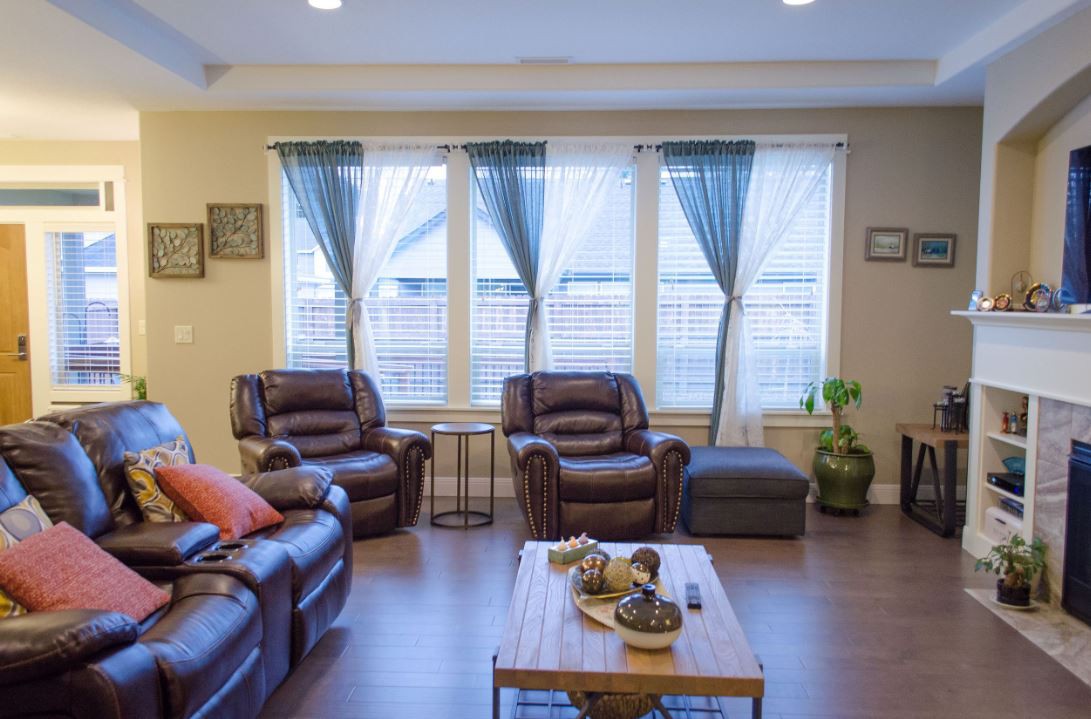
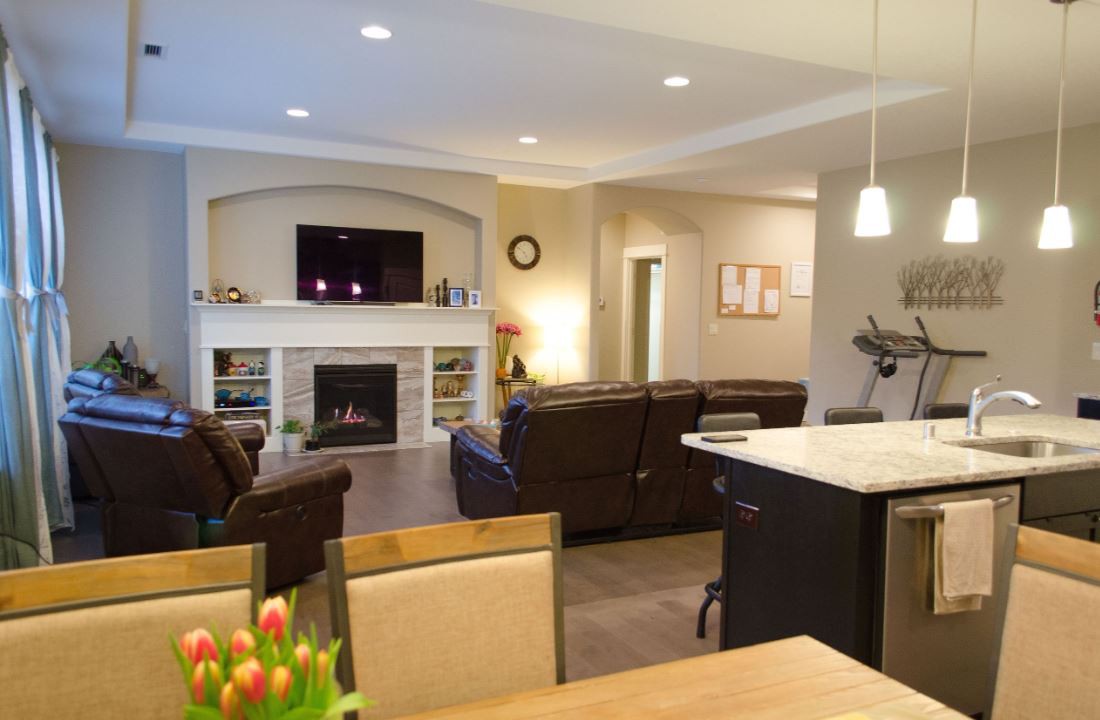
16909 NE 79th Way, Vancouver, WA 98682
To contact a resident: (360) 609-6399
For more information about senior living options: (866) 208-4318
The Finest Care II AFH LLC Costs & Pricing
The Finest Care II AFH LLC offers private room accommodations at a monthly cost of $5,500, which significantly exceeds the median prices observed in Clark County and the broader state of Washington. In comparison, the average price for a private room in Clark County is approximately $3,992, while the state average stands at around $4,772. Similarly, the cost for a one-bedroom unit at The Finest Care II AFH LLC matches that of its private rooms at $5,500. This rate again surpasses both local and state averages - $4,178 in Clark County and $4,632 across Washington State. Overall, while The Finest Care II AFH LLC provides quality care and services, families should be prepared for higher-than-average expenses relative to both county and statewide benchmarks.
| Floor plans | The Finest Care II AFH LLC | Clark County | Washington |
|---|---|---|---|
| 1 Bedroom | $5,500 | $4,178 | $4,634 |
| Private | $5,500 | $3,992 | $4,774 |
Memory care communities with a similar price nearby
-
from +$500 / mo
Magnolia Gardens Senior Care Home
$6,000 / month2.8 miles away -
About the same
Evergreen Quality Home
$5,500 / month8.5 miles away -
from -$500 / mo
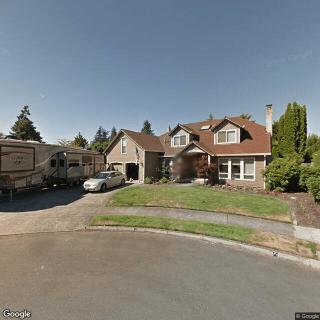
Windsor Gardens
$5,000 / month3.2 miles away -
from -$1000 / mo
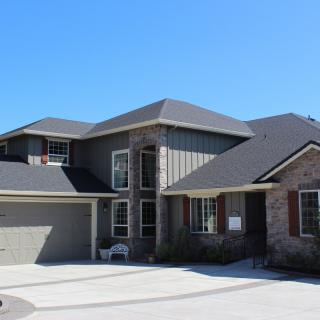
Camas Hills Care Home
$4,500 / month6.9 miles away -
from -$1000 / mo
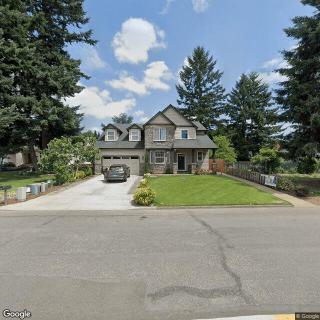
Martin Adult Foster Care
$4,500 / month3.5 miles away
Overall Review of The Finest Care II AFH LLC
Pros
 The staff and owners are the sweetest, kindest, and most loving people.
- They take wonderful care of residents.
- They have built a loving, warm community for their residents.
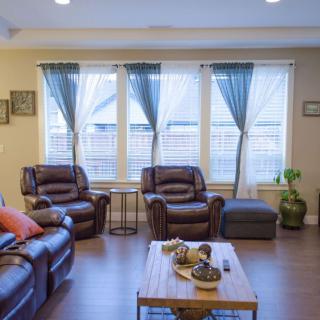
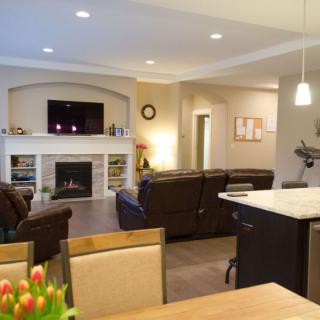
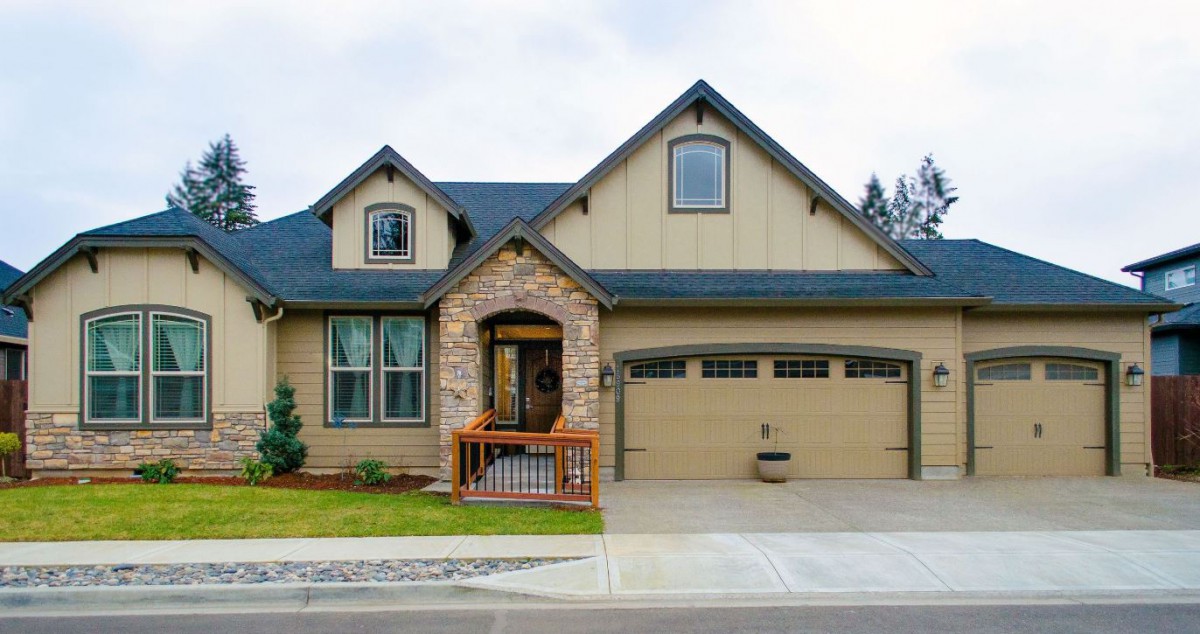
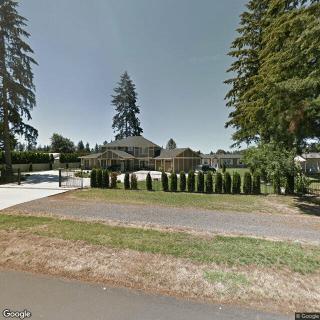
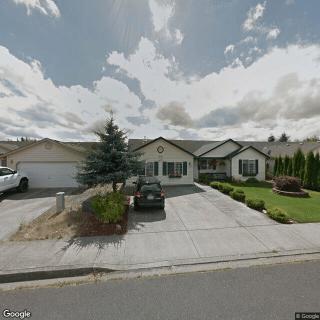
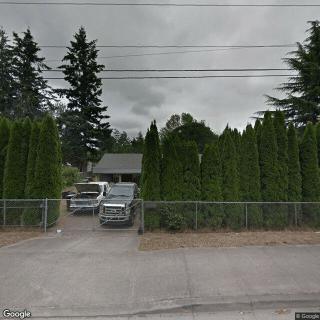
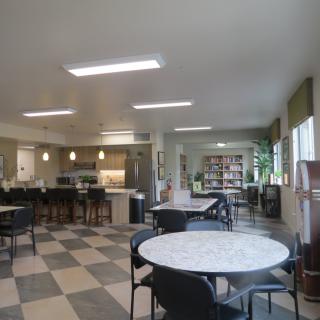
- The homes are comfortable, inviting, beautiful, bright, airy, and clean.
- Each home has a shaded porch and a central outside gazebo.
- The staff truly treats residents like family.
- Communication from the staff is superb.
- They provide delicious homemade meals every day.
- The Finest Care provides a home-like environment for those who need it most.
- The home is clean, beautiful, and cozy.
- The food is amazing.
Cons
 The provided reviews are all positive; there are no negative statements in the third person.
Review
The Finest Care II AFH LLC in Vancouver, WA is best suited for families seeking a small, home-like setting where personal attention and a truly warm, family atmosphere take precedence over grand facilities. The reviews consistently paint a picture of owners and staff who are deeply invested in each resident’s well‑being, delivering care that feels individualized and heartfelt. The homes themselves are described as clean, comfortable, and inviting, bright, airy spaces that emphasize coziness over formality. A shaded porch and a central gazebo create a simple, relaxing outdoors vibe that reinforces a sense of belonging. For families prioritizing reliable communication and a daily lived-in feel, this community stands out as a rare, trustworthy option.
There are clear reasons why families may want to consider alternatives. If the priority is high-level medical oversight, 24/7 on-site nursing, or access to formal memory-care programs with specialized staffing, this smaller, home-based model may fall short. Larger campuses with structured activities, more extensive therapy options, or a defined memory-care wing can provide a different rhythm and set of resources. For residents who require intensive clinical management or a broader schedule of on-site services, exploring other options could yield better alignment with medical needs and lifelong care plans.
The strongest pros, the bedrock of this community, largely offset the natural limits of a small, private-home model. A genuine sense of family pervades daily life: staff and owners appear consistently available, approachable, and deeply engaged with residents’ happiness and safety. Cleanliness, beauty, and coziness of the living spaces translate into consistent comfort and peace of mind for families. Meals are highlighted as homemade and appealing, reinforcing nourishment with a caring touch. Regular, open communication between caregivers and families reduces uncertainty and builds trust, ensuring questions are answered and concerns addressed promptly. When care feels personal and predictable, the absence of industrial-scale programming is easier to accept.
That said, practical criteria should guide the evaluation. Prospective residents should confirm staffing patterns and caregiver ratios, particularly who is on site during evenings and weekends and how hands-on the team remains as care needs evolve. Clarify meal planning and dietary accommodations, as well as what constitutes daily routine, outings, activities, social opportunities, and cognitive or physical therapies. Ask about emergency procedures and how medical needs are coordinated with external providers. Visitation policies, transportation options, and the ease of coordinating family involvement also matter, especially for families balancing work and caregiving duties.
The community consensus across reviews emphasizes two core strengths: a remarkably supportive, family-like environment and a high standard of cleanliness and comfort. The owners’ and caregivers’ warmth, coupled with superb accessibility for questions, creates a stewardship feel that can soften the emotional burden of senior care. The emphasis on homemade food and a nurturing home atmosphere translates into daily stability, an important factor for residents who thrive on routine and personal attention. In short, the atmosphere itself becomes a therapeutic asset, often compensating for the lack of institutional grandeur.
Bottom line: for families prioritizing intimate, attentive care delivered with genuine kindness, The Finest Care II AFH LLC represents a compelling choice in Vancouver. It is a particularly strong match for seniors who flourish in a home-domain setting, value frequent and transparent communication, and place a premium on meals that feel like they were prepared with love. For those whose care demands lean toward intensive medical supervision, memory-specific programming, or expansive on-site amenities, it is sensible to compare with larger facilities or specialized AFHs that can offer more comprehensive clinical resources. In the evaluation process, prioritize multi-visit impressions across different times of day, verify caregiver staffing continuity, and confirm that the daily routine supports both safety and meaningful engagement. When those elements align, this community delivers a trustworthy, comforting home‑style option that families can rely on.
 Board and Care Home
 Memory Care
 Portland International (8 miles away)
 Understanding Dementia Through Its Seven Stages: A Comprehensive Look at Progression and Expectations
 A Holistic Dementia Care Guide: Effective Strategies for Memory Support
 Memory Care Pathways: A Holistic Guide to Dementia Support