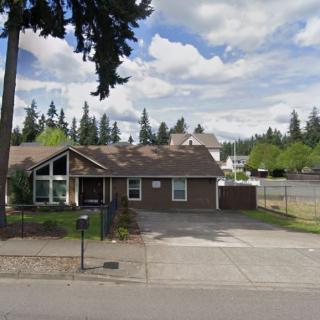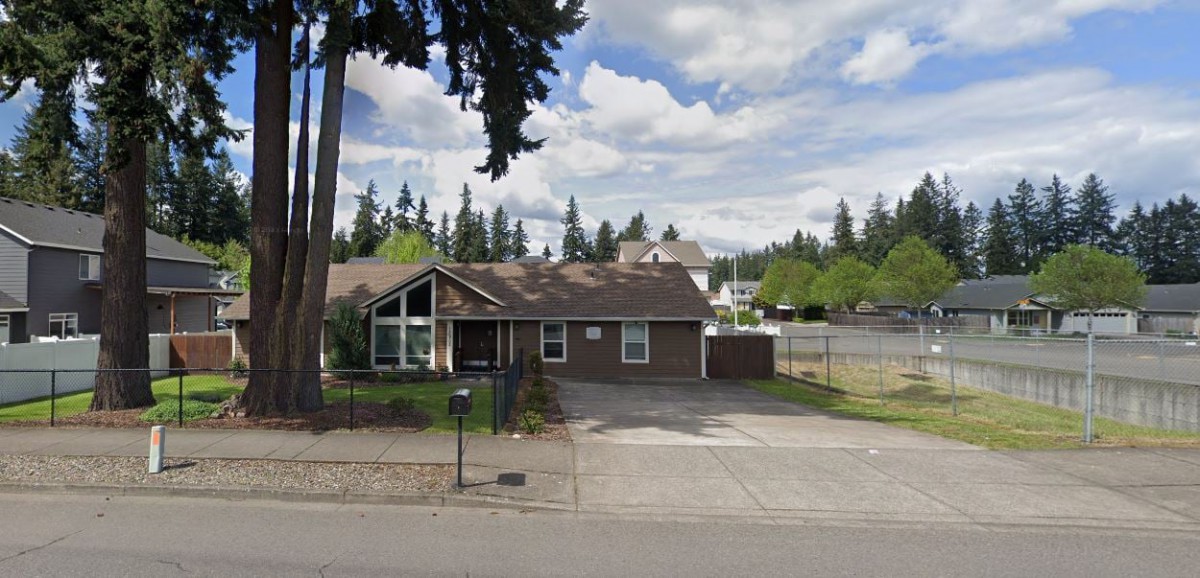


15902 Ne 78th St, Vancouver, WA 98682
For more information about senior living options: (866) 208-4318
Overall Review of The Family Care
Pros
 The staff and owners are the sweetest, kindest, and most loving people.
 - They take wonderful care of the residents, attending to even the smallest detail.
- They have built a loving, warm community for their residents.
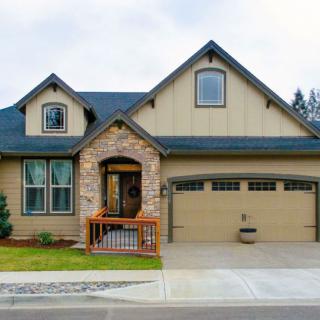
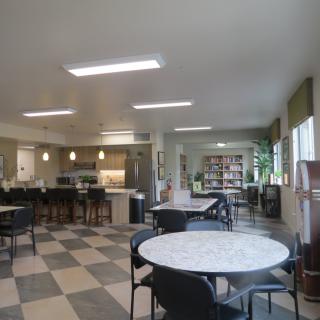
- The homes are comfortable, inviting, beautiful, bright, airy, and always super clean.
- Each home features a shaded porch and a central outside gazebo.
- The staff truly treats residents like family, and communication is superb and always available for questions.
- They make delicious homemade meals every day.
- They consistently go above and beyond to help the people who live in their Adult Family Homes.
Review
The Family Care in Vancouver, WA is best suited for seniors who want a truly home-like setting and families that prize intimate, highly personalized attention over institutional scale. This community excels when residents thrive on daily warmth from a small, family-style operation where two caregivers care for roughly five residents. The homes are bright, clean, and comfortably furnished, with shaded porches and a central gazebo that foster casual conversation and a calm routine. Communication is a standout strength: staff are accessible, responsive, and genuinely engaged, creating a relationship-driven experience residents and families can trust. For elders who value familiarity, predictable routines, and a sense of belonging, this option is notably compelling.
Those evaluating alternatives should consider whether the elder's needs require more robust medical oversight or a broader activity and clinical program. The Family Care’s small footprint means limited on-site nursing or therapy services, and the calendar of activities may feel lighter than what larger communities offer. Prospective residents with high-acuity needs, complex medical management, or memory-care requirements should look for facilities with dedicated clinical wings, secured environments, and broader rehabilitation options. layout and location are variables too; one reviewer noted a preference for a different property’s layout, so families should assess which home within the same family best fits personal taste and accessibility.
The primary advantages, exceptional warmth, low staff-to-resident ratio, and a home-like atmosphere, are powerful enough to offset the absence of industrial-scale services. The intimate setting allows constant supervision and highly individualized routines, with residents frequently gathering in a cozy living room that keeps social interaction natural rather than forced. The rotating ownership between houses preserves a fresh, attentive standard without diluting consistency, and the daily homemade meals add a reliable, comforting centerpiece to each day. Cleanliness and a cheerful, airy environment further reduce stress and reinforce a sense of safety and home.
From a practical standpoint, the trade-offs are clear and manageable for the right family. The small scale naturally limits the breadth of activities and specialized therapies, so families should confirm what daily life looks like and ensure it aligns with the elder’s interests and stamina. The care model is not designed to substitute for professional memory-care protocols or extensive medical interventions, so families should have a clear plan for any health changes and know when to transition to more medicalized support. Nevertheless, the direct line to caregivers and the clarity of communication provide a robust framework for ongoing care decisions.
Yet the strengths here are concrete and meaningful. The two caregivers for five residents translate into reliable, attentive service, daily needs addressed promptly, meals tailored to preferences, and routines that respect individual rhythms. The home’s cleanliness, brightness, and comfortable social spaces encourage genuine connection, reducing isolation and promoting a peaceful day-to-day life. The staff’s openness and availability ensure families stay informed and involved, which matters greatly during transitions or budget planning. In short, this setting turns a living arrangement into a trusted caregiving partnership that feels like family.
Bottom line: The Family Care is a superior fit for families seeking a genuine home environment in Vancouver, WA, where caregivers know residents’ histories, where meals consistently delight, and where communication is straightforward and dependable. It stands out for elders who flourish in close-knit, low-stimulation spaces and for those who value relational care over formal programming. For residents needing advanced clinical services, memory-care safeguards, or a broad activity calendar, alternatives with larger staff complements and specialized programs will serve better. Prospective families should visit, observe caregiver–resident interactions, and verify that the specific home within the network aligns with the elder’s medical needs, daily routine, and personal preferences.
 Day Program
 Portland International (8 miles away)

 Ten Vital Duties of a Senior Caregiver: A Comprehensive Guide
 9 Stimulating Memory Activities for Seniors: Puzzles, Cards, and Much More
 Managing Nursing Home Expenses After Medicare Coverage Ends