
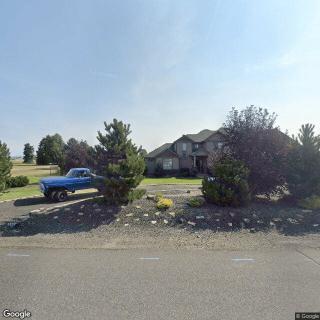
2320 W Woodside Ave, Spokane, WA 99208
To contact a resident: (978) 761-5131
For more information about senior living options: (866) 208-4318
Spokane Blessed Adult Family Home LLC Costs & Pricing
Spokane Blessed Adult Family Home LLC positions itself in the adult care market with a pricing structure that reflects its commitment to quality service and personalized care. For a semi-private room, residents are looking at a monthly cost of $6,000, which significantly exceeds both Spokane County's average of $3,863 and Washington state's average of $4,267. The facility's private rooms come at a monthly rate of $6,500, again higher than the county's average of $4,111 and the state's average of $4,772. Those seeking more spacious accommodations can opt for a one-bedroom unit at Spokane Blessed for $8,500 - a figure notably above Spokane County's average of $3,852 and Washington's general rate of $4,632. This pricing suggests that Spokane Blessed Adult Family Home LLC emphasizes enhanced amenities and dedicated care standards tailored to meet the needs of its residents.
| Floor plans | Spokane Blessed Adult Family Home LLC | Spokane County | Washington |
|---|---|---|---|
| Semi-Private | $6,000 | $3,863 | $4,272 |
| Private | $6,500 | $4,111 | $4,774 |
| 1 Bedroom | $8,500 | $3,852 | $4,634 |
Memory care communities with a similar price nearby
-
from -$500 / mo
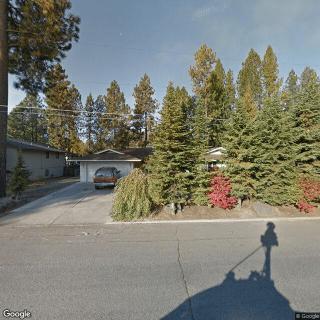
Classy Retreat
$5,500 / month8.3 miles away -
from -$405 / mo
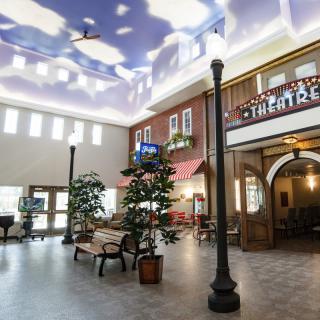
Columbia Landing of Spokane
$5,595 to $7,660 / month9.6 miles away -
from -$805 / mo
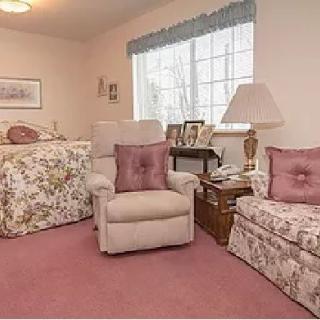
Colonial Court
$5,195 / month10.7 miles away -
About the same
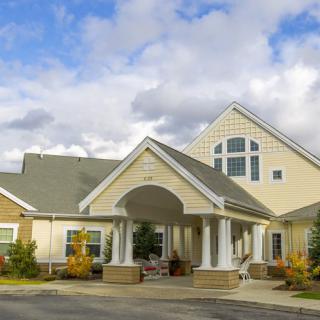
Brookdale Nine Mile
$5,985 to $8,325 / month2.3 miles away -
from -$500 / mo
A Plus Quality AFH
$5,500 to $6,000 / month10.4 miles away
Overall Review of Spokane Blessed Adult Family Home LLC
Pros
 Spokane Blessed AFH is a very caring and committed family.
- They are lovely people with experience and knowledge to provide guidance and assistance without being overwhelming.
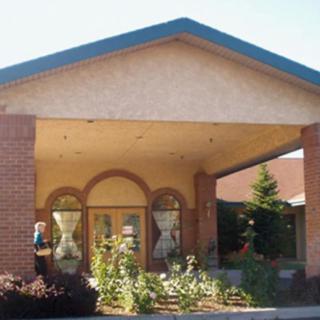
- The home is clean, inviting, and secure.
- The food is healthy, plentiful, and available as needed.
- Friends and relatives are welcome for visits.
- The residents quickly become part of the family.
- Spokane Blessed AFH is highly recommended for men needing help with daily living needs.
- The family-run Spokane Blessed Adult Family Home is described as special.
Cons
 The reviewer is uncertain whether the home can accommodate a mixed residency.
- The home is described as brand new and without a track record.
Review
Spokane Blessed AFH is best suited for older men who need help with daily living tasks and who desire a small, home-like setting where care feels personal, responsive, and undeniably family-driven. The operation is clearly centered on a caring family approach, with residents increasingly treated as part of the family. The home emphasizes a clean, inviting, and secure environment, where nutritious, plentiful meals are available as needed and where visits from friends and relatives are welcomed. For families seeking a warm, low-key, less institutional atmosphere, this option stands out as a natural fit.
However, this community may not be right for everyone. Potential residents or families who prioritize a long track record of performance may want to look elsewhere, since the facility is brand new and lacks documented history. The all-male resident population reported to date suggests women or couples seeking cohabitation or mixed-gender environments may find the setting incompatible. Those requiring more intensive medical oversight or a larger, more resource-rich operation may prefer facilities with established clinical programs and broader on-site services. In short, the strongest fit is a specific profile: men needing assistance in a home-style setting, with an emphasis on family involvement.
The strongest positives, personalized, family-led attention; staff who guide without overwhelming; a tidy, secure home; and dependable, healthy meals, offset several common concerns about new AFHs. A family-run model often translates into highly responsive communication, quicker decision-making, and a level of accountability that feels more direct than in larger corporate homes. The sense of belonging cultivated here, residents quickly becoming part of the family, can translate into better mood, easier adjustment, and more consistent daily routines. Cleanliness and security reinforce peace of mind, and the willingness to accommodate visitors supports social connections and continuity with past caregiving networks. These advantages are particularly meaningful for seniors who value dignity, familiarity, and purposeful, non-institutional living.
That said, the lack of a track record and the current gender limitation are meaningful risks to weigh against the benefits. With brand-new facilities, families should probe for concrete plans around staffing stability, how emergency medical needs are handled, and what happens if a resident’s care needs escalate. The all-male composition, while appropriate for many, may not suit every family’s preferences or the resident’s comfort level if later mixed residency becomes a goal. Prospective residents should also assess whether the intimate setting can sustain a broader activity calendar, more diverse social programming, and access to ancillary services typically found in larger communities.
When evaluating, families should pursue a candid tour-and-question process: ask about daily care routines, staff-to-resident ratios, and who leads changes in care plans; verify how meals are planned and how dietary restrictions are accommodated; confirm the policy on medical oversight, medications, and on-call clinicians. Inquire about the schedule for activities, outings, and opportunities for family involvement, as well as how guests are integrated into the community. Clarify what “brand-new” means in practical terms, renovations, equipment quality, and ongoing maintenance plans, and how the home plans to establish a track record of safety, reliability, and resident satisfaction.
In sum, Spokane Blessed AFH presents a compelling fit for families prioritizing a tight-knit, family-operated environment where men in need of daily living assistance can thrive with personalized attention. It excels where warmth, accessibility, and a home atmosphere matter most, while the decision hinges on tolerance for a newer operation and a single-gender resident population. For families seeking proven institutional pedigree, or for those needing mixed-gender capacity and deeper clinical infrastructure, alternatives with longer track records and broader medical support will likely be more appropriate. This community earns strong consideration for those aligned with its unique strengths and limits.
 Board and Care Home
 Memory Care
 Private
 Spokane International (9 miles away)
 Nourishing the Mind: Essential Dietary Approaches for Dementia
 Understanding Dementia Behaviors: Practical Insights and Strategies for Caregivers
 When Dementia Sparks Anger and Aggression: Understanding the Connection and Ways to Cope