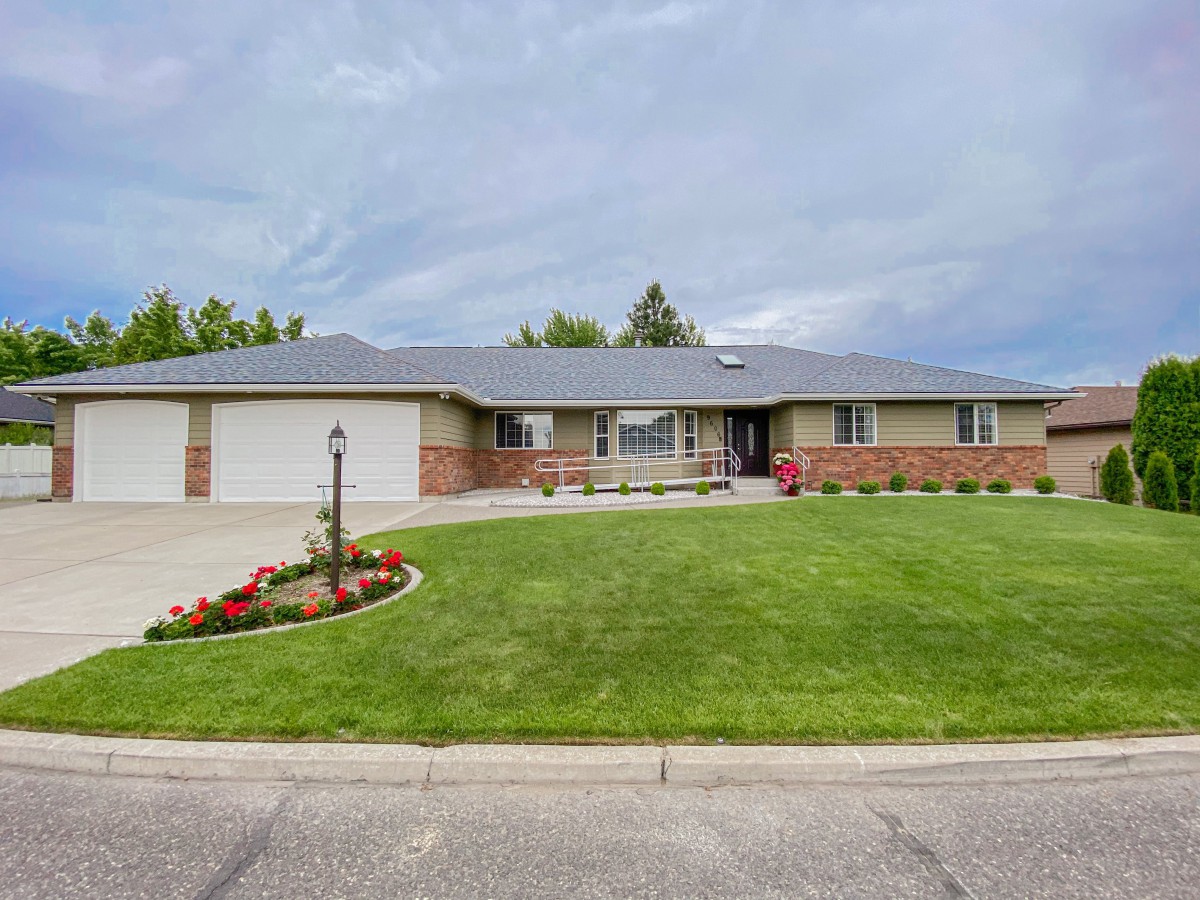
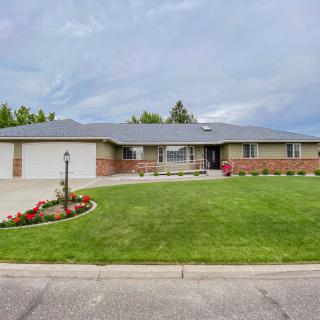
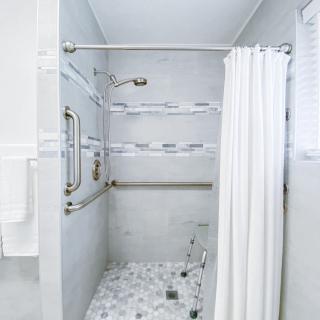
960 N Ridgecrest Dr, Spokane, WA 99208
To contact a resident: (509) 315-9104
For more information about senior living options: (866) 208-4318
Golden Horizon AFH Costs & Pricing
Golden Horizon AFH offers a range of accommodations that reflect its commitment to providing quality care, with costs positioned above both Spokane County and the broader Washington state averages. For semi-private rooms, the monthly fee is set at $5,000, exceeding the county's average of $3,863 and the state average of $4,267. Similarly, private room rates are priced at $6,000, which is significantly higher than Spokane County's average of $4,111 and Washington's average of $4,772. These figures suggest that while Golden Horizon AFH may be more expensive than its regional counterparts, it likely emphasizes enhanced services or specialized care that justifies this premium pricing for residents seeking a comfortable living environment.
| Floor plans | Golden Horizon AFH | Spokane County | Washington |
|---|---|---|---|
| Semi-Private | $5,000 | $3,863 | $4,272 |
| Private | $6,000 | $4,111 | $4,774 |
Senior living communities with a similar price nearby
-
from +$500 / mo
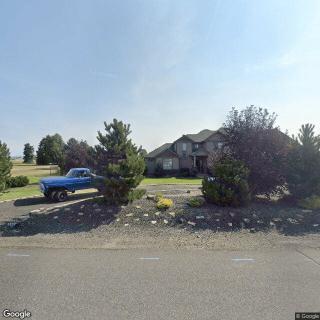
Pleasant Comfort AFH
$5,500 / month0.9 miles away -
from +$500 / mo
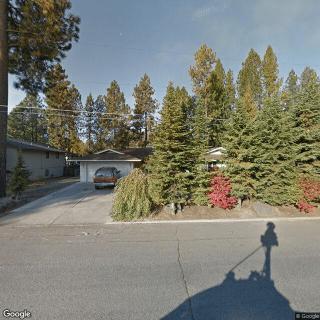
Classy Retreat
$5,500 / month8.3 miles away -
About the same

Country Cottage
$5,000 to $6,000 / month11.6 miles away -
from +$595 / mo
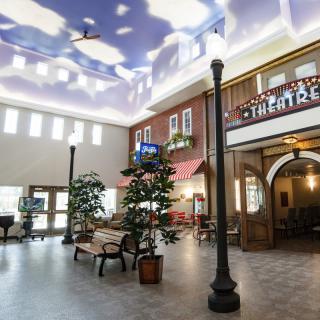
Columbia Landing of Spokane
$5,595 to $7,660 / month9.6 miles away -
from -$755 / mo
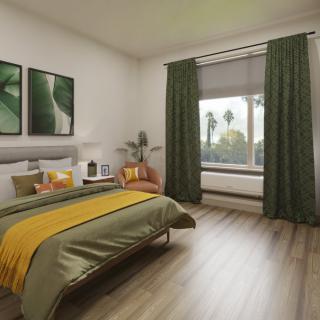
The Gallery at Spokane
$4,245 to $5,850 / month9.7 miles away
Overall Review of Golden Horizon AFH
Pros
 The staff are personable and kind, and keep families informed about how things are going.
- The care provided is outstanding and a blessing to families during their loved ones’ last months.
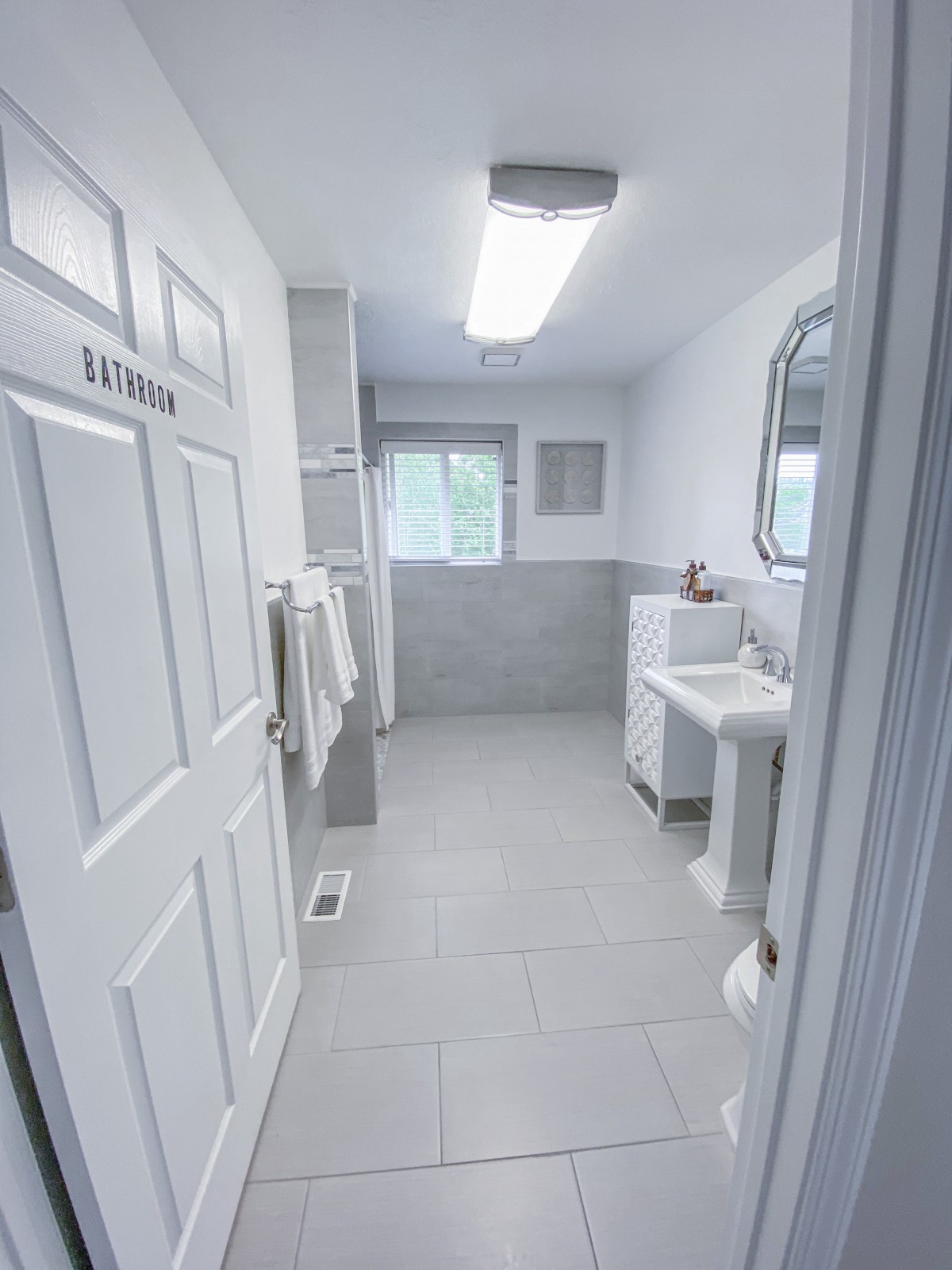
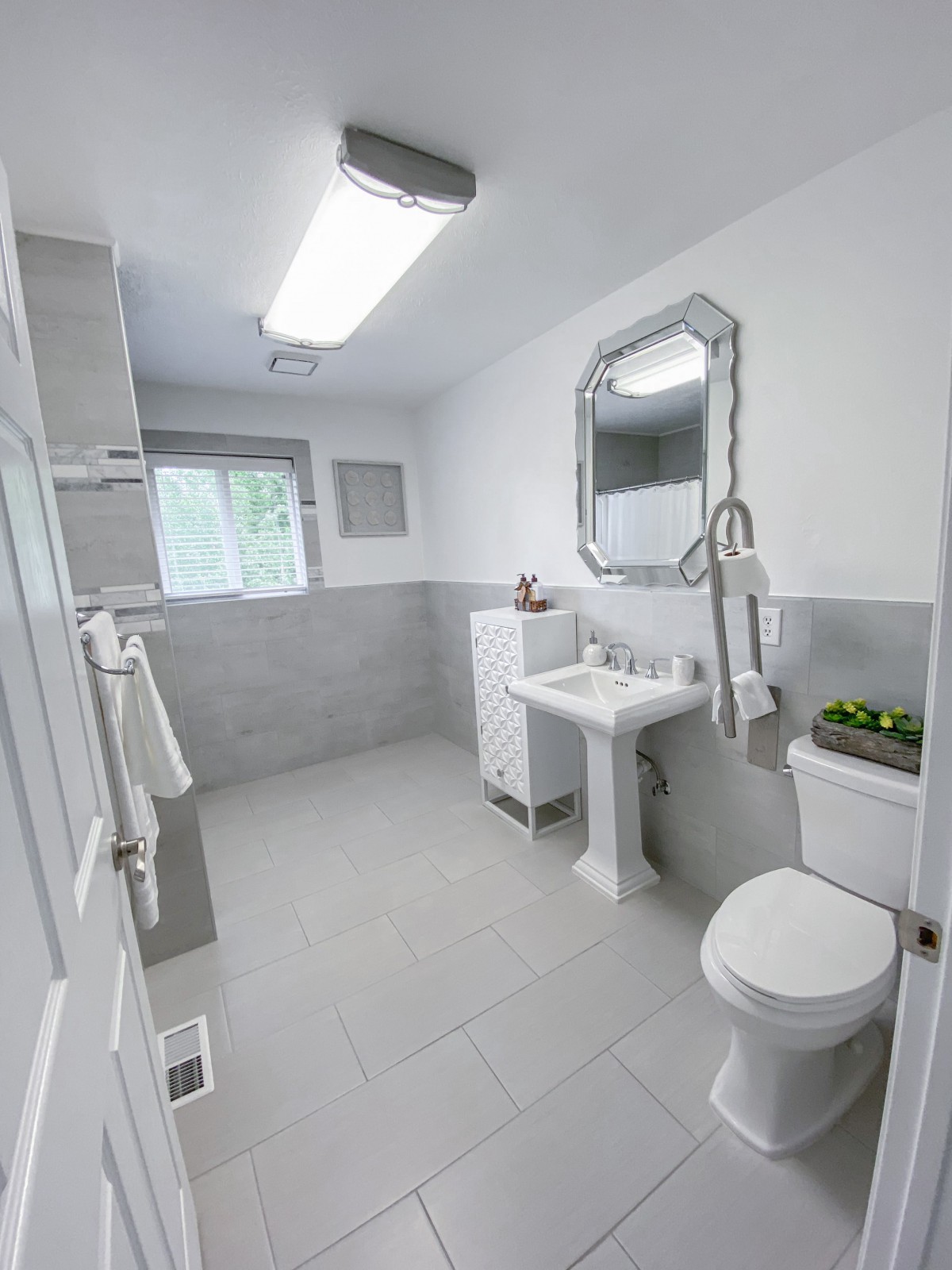
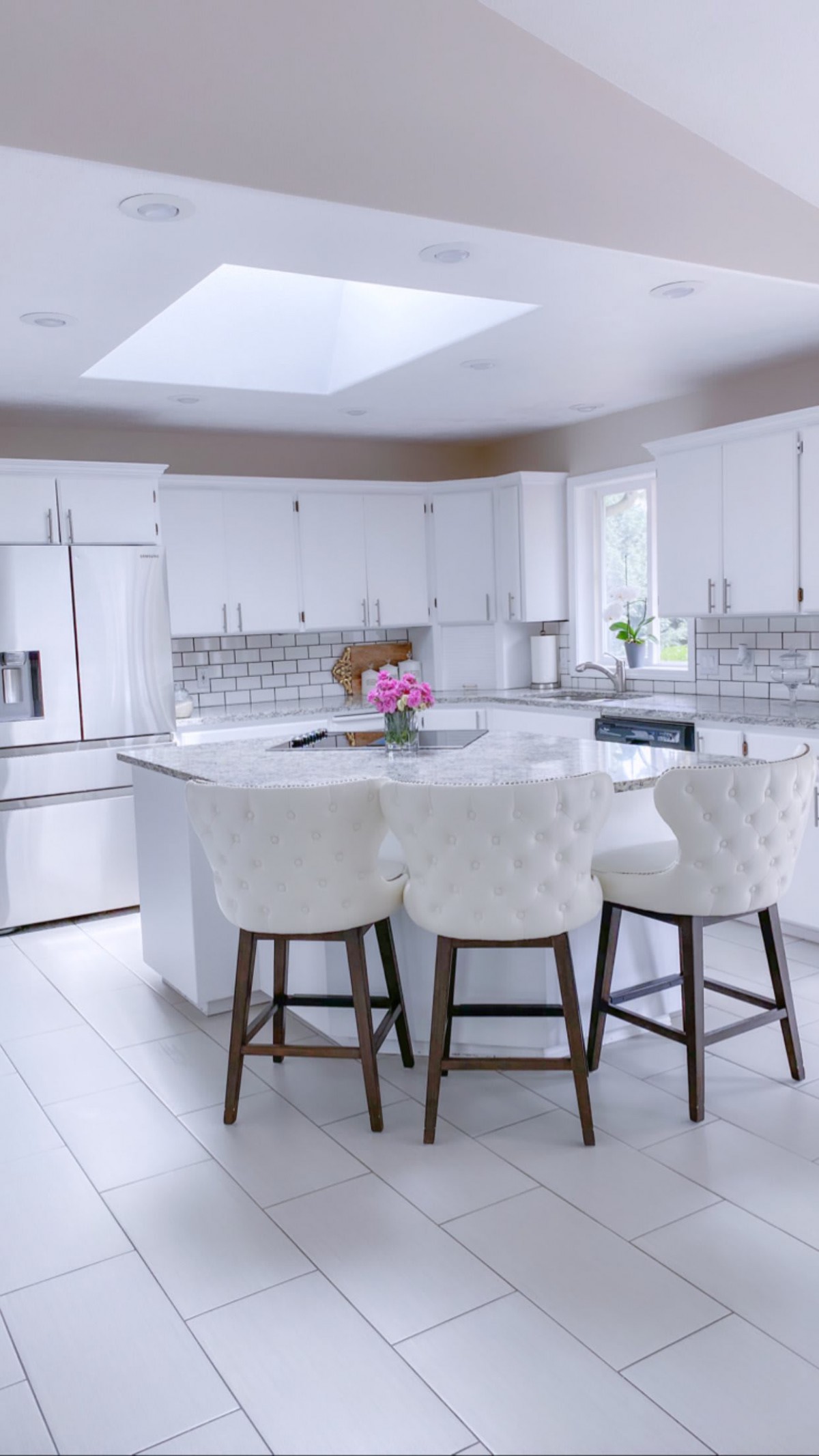
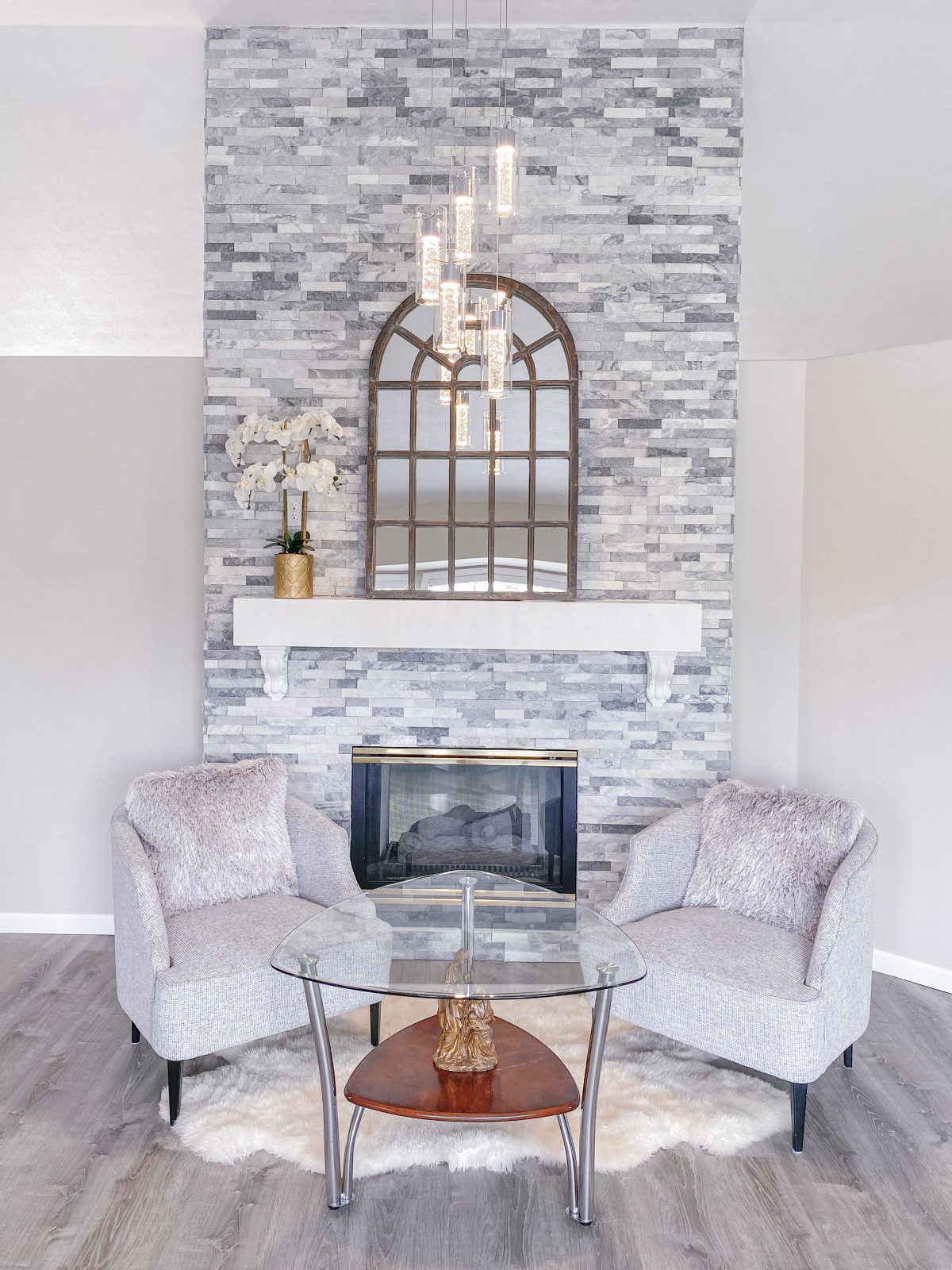
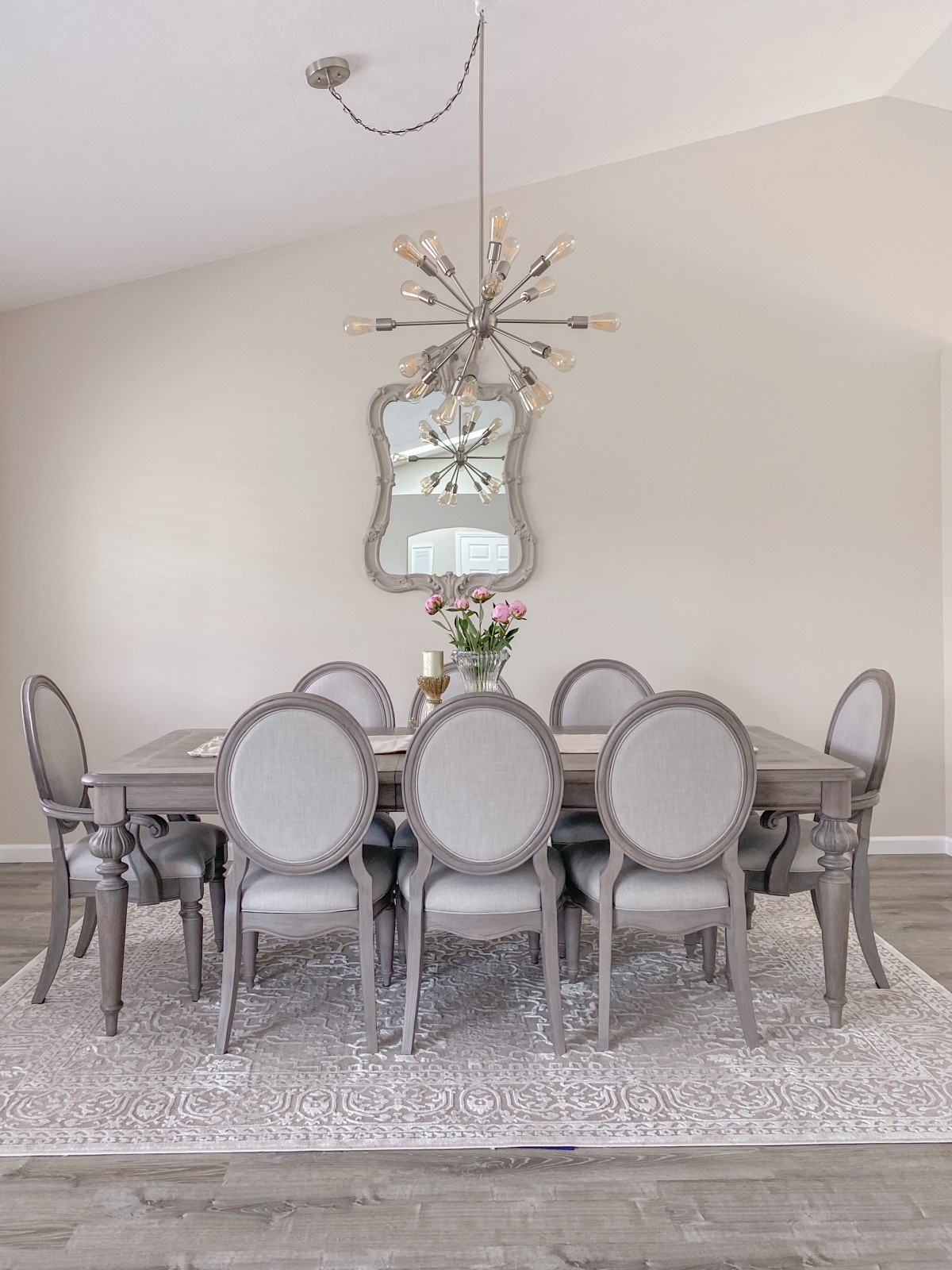
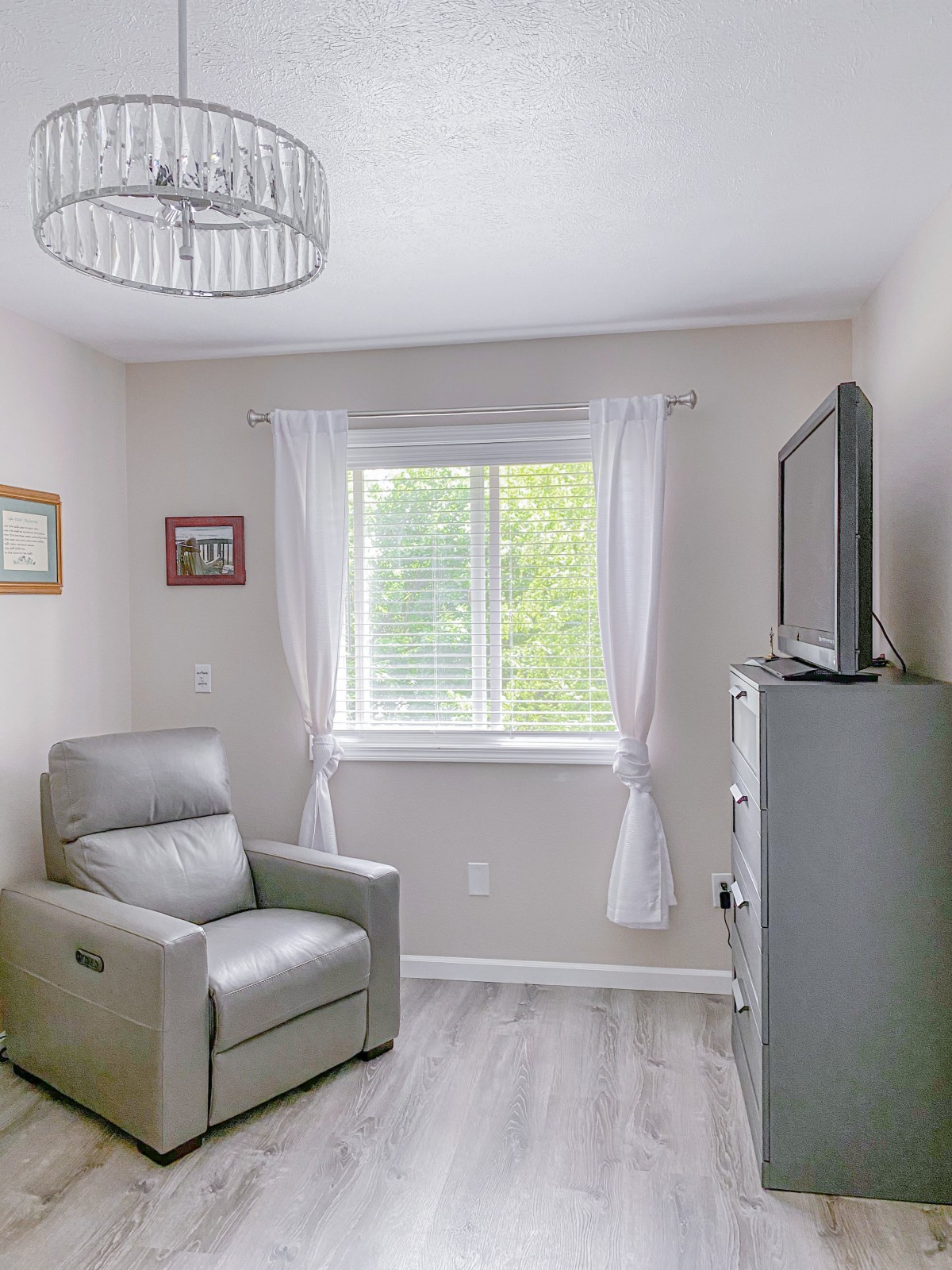
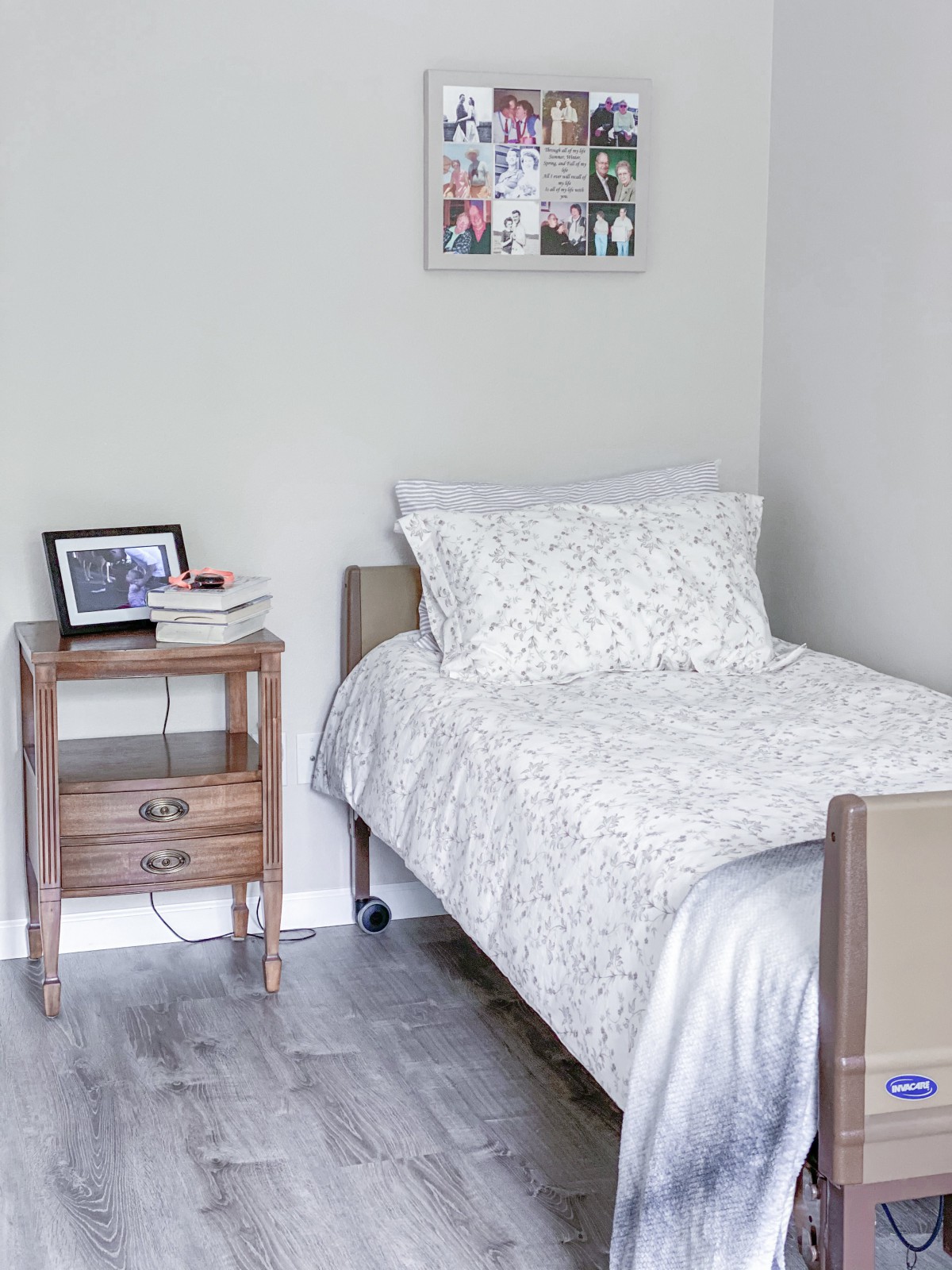
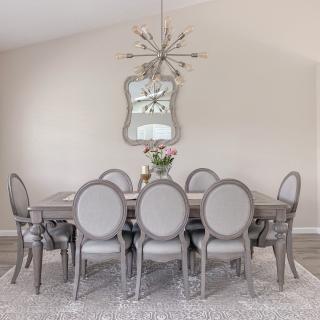
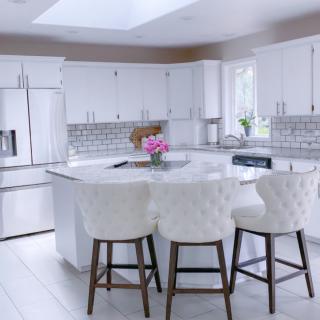
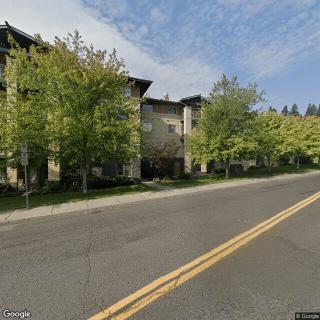
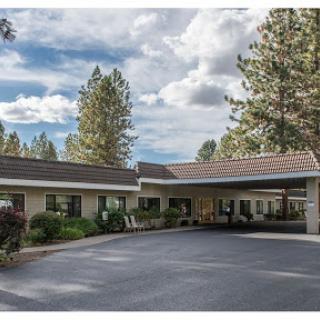
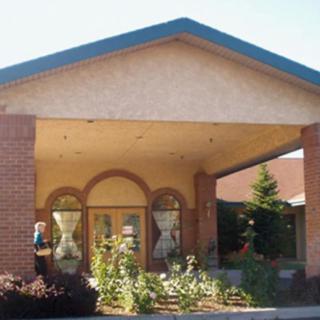
- The home is beautiful, clean, warm, and welcoming, with a home-like feel.
- The house is spotless and immaculate, maintained at a high standard.
- Families feel like part of the Golden Horizon family.
- The staff communicate well with families about health issues and well-being.
- The meals are outstanding, with delicious-smelling and appealing food.
- The staff advocate and innovate on residents’ behalf.
Review
Golden Horizon AFH in Spokane is best suited for seniors who want a small, home-like setting where caregiving is deeply personal, consistently attentive, and rooted in a Christian, values-based environment. The caliber of care shines brightest for residents who benefit from intimate staff-to-resident ratios, daily warmth, and a strong sense of family involvement in daily life. Families report the atmosphere feels more like a trusted relative’s home than a facility, with caregivers who know the resident’s story and preferences. This makes the community an especially strong option for those needing steady, compassionate support in the later stages of life or for long-term, low- to moderate-need supervision where safety remains paramount and independence is cherished.
Those who may want alternatives include families seeking larger communities with broader medical staffs, more structured rehab programs, or secular settings. If memory-care specialization or more formalized clinical oversight is a priority, or if a family prefers a model without religious associations, other Spokane options, such as bigger assisted living campuses or nursing facilities, may better align with expectations. The intimate AFH model, while exceptional for connection and personalized attention, naturally operates on a smaller scale and may not offer the full spectrum of medical or therapeutic services some cases require.
The standout strengths revolve around warmth, cleanliness, and a clear commitment to resident well-being. The owners and staff are described as personable, kind, and consistently informative, with updates about health and daily life flowing to families. The house is repeatedly praised for spotless conditions, and meals are noted as delicious and appealing. Residents describe the care as genuinely compassionate, with staff advocating for needs and even innovating on behalf of individuals. The environment supports a strong sense of continuity and belonging, as family members are welcomed and treated as part of the home community. End-of-life moments are handled with grace and attentiveness, which underscores the facility’s capacity to support families during difficult transitions.
These advantages offset the main trade-offs inherent in a smaller AFH setting. The concentrated attention and timely communication, evidenced by families feeling informed and involved, compensate for potential gaps in formal programming. Clean, safe surroundings and high-quality meals contribute to daily comfort and health, while the home atmosphere reduces stress and supports emotional well-being. For families prioritizing spiritual alignment and a values-driven daily rhythm, the Christian environment enhances comfort and reduces friction that can arise when faith and care intersect. The combination of advocacy and practical responsiveness provides a robust support system even without the numbers and amenities of larger campuses.
When evaluating Golden Horizon AFH, practical due diligence should focus on alignment of values and logistics. Prospective families should confirm staffing patterns and whether the scale fits the resident’s needs, inquire about how medical changes are managed, and discuss visitation flexibility. Visiting the home and observing daily routines can reveal how well the promised warmth translates into real-life interactions. Clarify how end-of-life care is coordinated, what happens during health crises, and whether the setting can accommodate specific dietary, mobility, or memory-care needs. A trial stay or extended visit can illuminate the fit before any commitment, ensuring expectations align with what the home can reliably provide.
Bottom line: Golden Horizon AFH offers a compelling, practical option for families seeking a warm, clean, Christian, home-like setting with devoted staff and strong family engagement. It stands out especially for end-of-life support and ongoing compassionate care that feels like family. However, for those requiring expansive medical services, secular programming, or a larger community with more specialized memory care options, alternatives may be preferable. The decisive factor remains alignment with the resident’s care needs, desired pace of daily life, and comfort with the faith-based ethos; when those elements align, Golden Horizon AFH is hard to beat in Spokane.
 Board and Care Home
 Activities on-site
 Cable or satellite TV
 Devotional services on-site
 Indoor common areas
 Outdoor common areas
 Private
 Private bathrooms
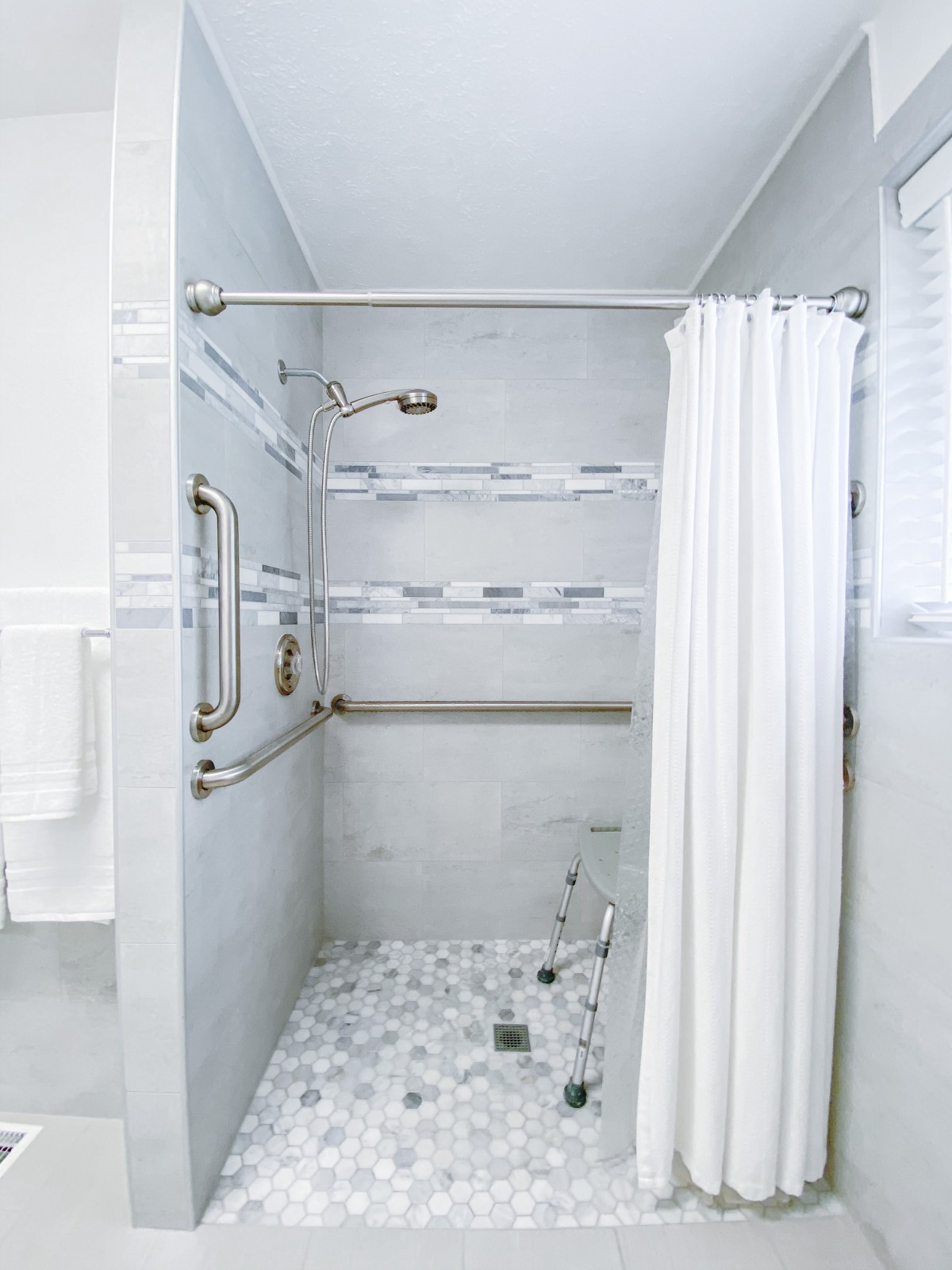
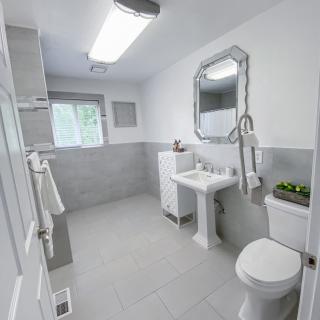
 Wheelchair accessible showers
 Wi-Fi/high-speed internet available
 Spokane International (9 miles away)
 Ambulatory care
 Diabetic care
 High acuity care
 Incontinence care
 Medication management
 Gluten-free
 Catholic services
 Forever fit
 Jewish services
 Karaoke
 Live dance or theater performances
 Live musical performances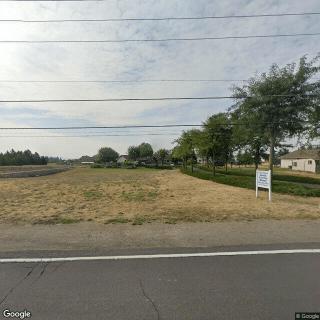
 Essential Knowledge on Pneumonia in Older Adults
 Exploring Palliative Care in the Home: A Comprehensive Overview
 Comprehensive Insights into Palliative Home Care: What It Is and What to Expect