

5226 N McDonald Rd, Spokane Valley, WA 99216
To contact a resident: (916) 993-0324
For more information about senior living options: (866) 208-4318
A Plus Quality AFH Costs & Pricing
A Plus Quality AFH offers competitive pricing for its accommodations, which reflect the premium care and services provided. For a private room, residents are charged $5,500 per month, significantly higher than the average cost of $4,111 in Spokane County and $4,772 across Washington State. Similarly, the one-bedroom option at A Plus Quality AFH is priced at $6,000 per month, surpassing local and state averages of $3,852 and $4,632 respectively. While these rates may be elevated compared to other facilities in the area, they suggest a focus on quality care and an enhanced living experience that many families may find invaluable when seeking residential options for their loved ones.
| Floor plans | A Plus Quality AFH | Spokane County | Washington |
|---|---|---|---|
| Private | $5,500 | $4,111 | $4,774 |
| 1 Bedroom | $6,000 | $3,852 | $4,634 |
Memory care communities with a similar price nearby
-
About the same
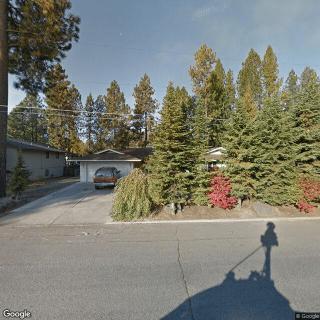
Classy Retreat
$5,500 / month10.6 miles away -
About the same
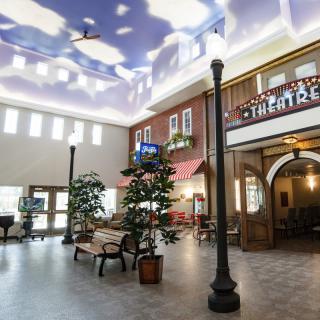
Columbia Landing of Spokane
$5,595 to $7,660 / month8.8 miles away -
from -$700 / mo
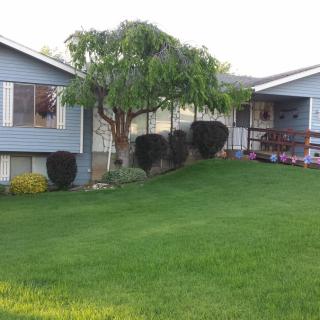
Vesta AFH
$4,800 / month12.8 miles away -
from -$305 / mo
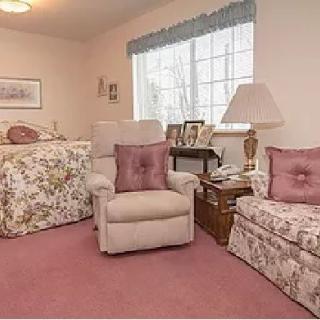
Colonial Court
$5,195 / month2.8 miles away -
from +$700 / mo
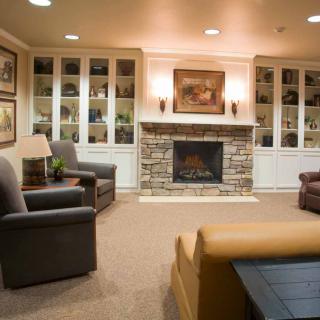
Creekside Inn Memory Care Community
$6,200 to $7,800 / month20.7 miles away
Overall Review of A Plus Quality AFH
Pros
 Residents receive wonderful care at A Plus Quality AFH.
- The home is a warm, welcoming place with a friendly atmosphere that makes residents feel comfortable and at ease.
- The staff's kindness consistently impresses visitors.
- The meals are freshly prepared and greatly appreciated.
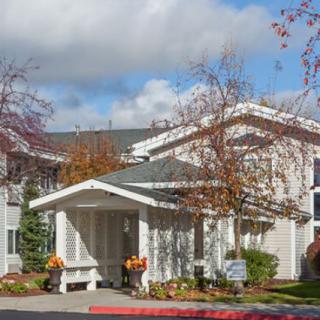
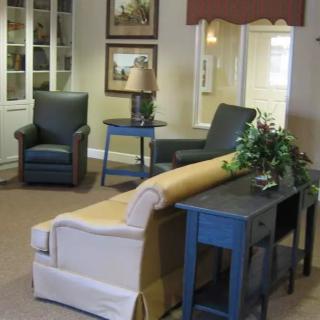
- The home is clean, spacious, bright, and cheerful.
- Elizabeth and Daniel are actively involved in daily care, ensuring high-quality care.
- The home offers healthy, home-cooked meals and opportunities for residents to socialize.
- The caregivers are attentive and readily available to address questions and needs.
Cons
 The reviewer noted that the previous skilled nursing center showed very little interest in his uncle’s welfare.
Review
A Plus Quality AFH in Spokane Valley is best suited for families seeking a warm, caregiver-led environment where a senior can be treated like a person in a home rather than a resident in a facility. This community shines for seniors who value daily companionship, home-cooked meals, and highly attentive, hands-on care delivered in a clean, bright, and spacious setting. It is particularly well-matched for residents transitioning from hospital or skilled-nursing care to something more intimate and less institutional, yet still needing reliable daily support, predictable routines, and frequent caregiver contact.
Those who may want to consider alternatives are clear: anyone whose loved one requires high-acuity medical oversight or constant on-site nursing, extensive memory-care programming, or highly structured activities beyond what a small family-style home can offer. If the priority is a larger campus with formalized, campus-wide programming, secure dementia care wings, or guaranteed 24/7 RN availability, this AFH may not meet those needs. Families prioritizing a broad slate of amenities and a more clinical environment should explore traditional assisted living or dedicated memory-care communities.
The strongest pro combination here is unmistakable: owners and staff who are consistently described as kind, attentive, and available. The home’s cleanliness, spaciousness, and cheerful atmosphere underpin a sense of safety and comfort that translates into residents eating well and enjoying social time with peers. Meals are repeatedly cited as healthy and well-prepared, which reinforces daily well-being and mood. The personal touch, prompt responses from the owner and staff, visible involvement in day-to-day care, and the ability to tailor attention to individual needs, creates trust that often offsets the trade-off of a smaller operation versus a larger, more impersonal setting.
This intimate scale does carry trade-offs, and aware families will weigh those against the pros. The strongest offset is the rapid, personalized communication and the ability to notice subtle changes in mood or health and respond quickly, something not always as seamless in bigger communities. The counterpoint is that, by design, there may be less formal programming, fewer on-site specialists, and a lighter caregiving staff roster at certain times. For residents who require strict schedules, highly regimented activities, or constant clinical oversight, these gaps can become more noticeable. Yet, given the apparent care quality and the home-like environment, many families find the trade-offs worthwhile when a loved one thrives socially and emotionally.
One review out of the mix shows there can be variability in experience, which is an important caution. While the overwhelming majority describe a five-star, family-feel operation, where the caregiver is accessible, the home is well maintained, and the resident’s happiness and health improve, the presence of any lower rating signals that expectations can diverge. Prospective families should therefore use due diligence: tour the home at different times, interview the owner directly about staffing ratios and medicating routines, and speak with current residents or families about consistency in care and responsiveness. This approach helps ensure the positive dynamics reported in most reviews align with personal standards and needs.
In practice, the recommended next steps are straightforward. Schedule a tour focused on daily routines, meal planning, safety features, and how medical needs are managed within the home. Ask how changes in care levels are handled, how family communications are structured, and what flexibility exists in accommodating preferred routines and favorite meals. If the goal is warmth, personal attention, and social connection in a clean, bright, home-like setting, A Plus Quality AFH stands out as a compelling option. It is a strong fit for seniors who want to feel known, supported, and valued every day, with the understanding that alternatives may better serve those needing higher medical intensity or more formalized programming.
 Board and Care Home
 Memory Care
 Activities on-site
 Devotional services off-site
 Indoor common areas
 Private
 Wheelchair accessible showers
 Spokane International (15 miles away)
 Diabetic care
 High acuity care
 Medication management
 Anytime dining
 BBQs or picnics
 Birthday parties
 Happy hour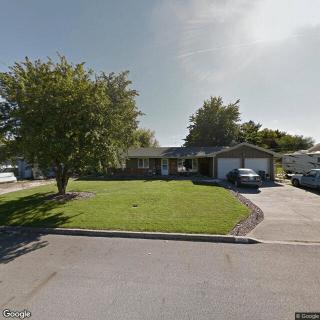
 8 Key Indicators That Suggest It May Be Time to Transition from Assisted Living to Skilled Nursing Care
 Nourishing the Mind: Essential Dietary Approaches for Dementia
 Understanding Dementia Behaviors: Practical Insights and Strategies for Caregivers