
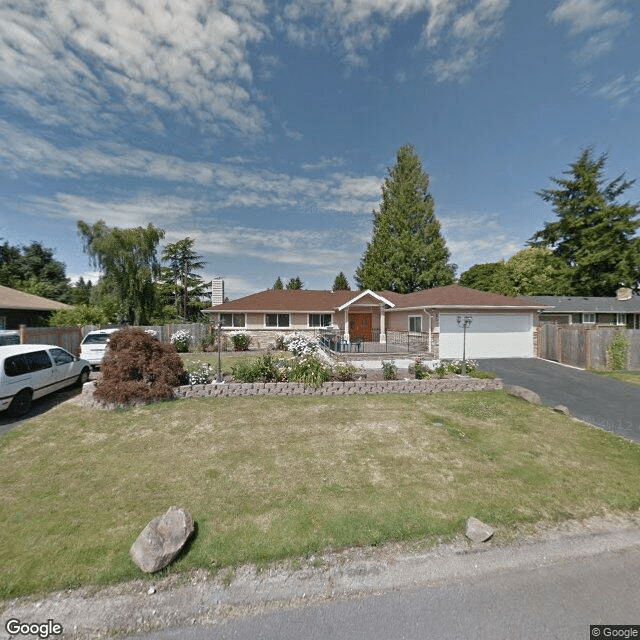
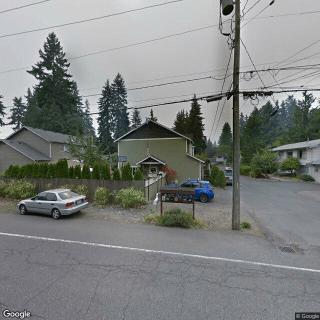
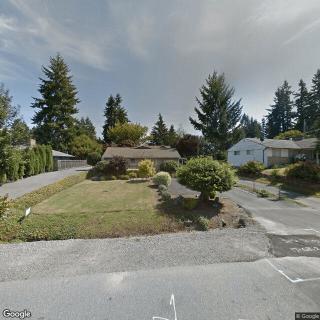
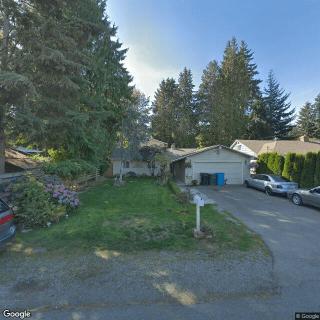
738 N 203rd St, Shoreline, WA 98133
To contact a resident: (206) 542-7094
For more information about senior living options: (866) 208-4318
Broadview Adult Family Home Costs & Pricing
Broadview Adult Family Home offers a competitive pricing structure for its residents, with consistent monthly costs of $4,000 across various room types, including private, semi-private, studio, and one-bedroom options. This pricing is notably lower than the average rates in King County, where costs for similar accommodations range from $4,430 to $5,127. Even when compared to the broader state averages in Washington, which span from $4,126 to $4,772, Broadview maintains an appealing affordability that may attract those seeking quality care without an excessive financial burden. Overall, this positions Broadview Adult Family Home as a valuable choice for families considering adult family home options in the region.
| Floor plans | Broadview Adult Family Home | King County | Washington |
|---|---|---|---|
| Private | $4,000 | $5,034 | $4,774 |
| Semi-Private | $4,000 | $4,430 | $4,272 |
| Studio | $4,000 | $4,464 | $4,128 |
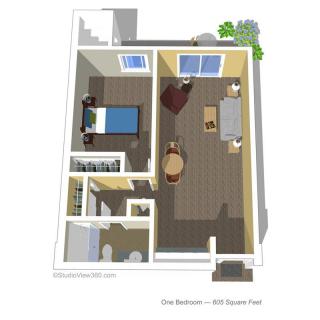
| 1 Bedroom | $4,000 | $5,127 | $4,634 |
Memory care communities with a similar price nearby
-
from -$500 / mo
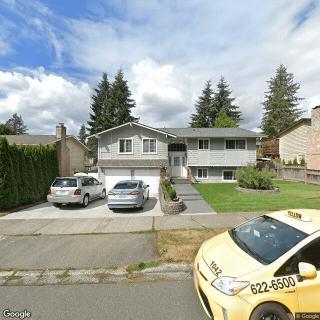
Dignity Life
$3,500 / month8.1 miles away -
from -$625 / mo
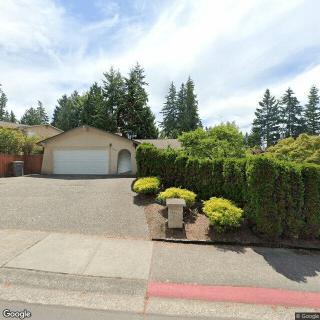
Evergreen Manor Senior Care Inc
$3,375 to $7,500 / month10.1 miles away -
About the same

Riverton Home Care
$4,000 to $5,000 / month20.9 miles away -
About the same
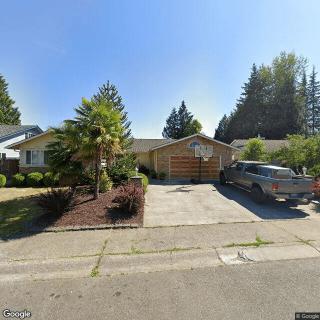
Gentle Care Home
$4,000 to $5,500 / month24.7 miles away -
from +$500 / mo
We Care Adult Family Home
$4,500 to $8,000 / month12.9 miles away
Overall Review of Broadview Adult Family Home
Pros
 Broadview AFH is described as a blessing to families and residents, with regular caregivers who provide individual attention.
- The home is warm, inviting, and truly feels like a home away from home.
- Nilda, the owner and RN, is consistently supportive and helpful to families and residents.
- The staff are genuinely happy, caring, and provide excellent care.
- The living environment is immaculate, well-maintained, and cozy, putting residents and families at ease.
- Open communication with families is exemplary, fostering trust and partnership.
Cons
 The search for a place was daunting.
- They were not reliable and would evict residents who were too difficult, but only after taking their money.
Review
Broadview Adult Family Home in Shoreline is best suited for families seeking a small, hands-on, home-like setting where a loved one can receive meaningful daily assistance without stepping into a larger, clinical facility. This community shines for residents who thrive on consistent, personalized attention and a sense of belonging cultivated by a tight-knit staff. It is especially compatible with families who value warmth, direct caregiver relationships, and transparent, ongoing communication. For those requiring advanced skilled nursing, heavy medical intervention, or highly structured programming, alternatives with more formal medical capabilities may be worth considering.
The core strengths here lie in the people who show up for residents every day. Regular caregivers deliver individualized care, and the staff extend that care to families as well, creating a genuine sense of partnership. The owner, Nilda, who is also a registered nurse, provides steady oversight that reinforces clinical credibility and continuity. Residents are tended to with visible care, and the overall mood conveyed by the team is one of commitment, respect, and a shared sense of purpose. Families repeatedly describe the staff as devoted and genuinely happy to help, which translates into a calm, trustworthy care environment.
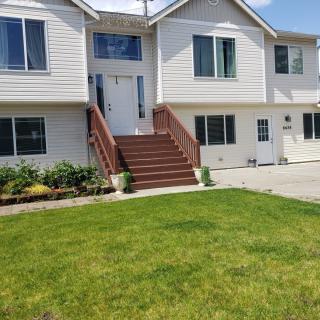
Another standout is the living environment itself. The home is characterized by cleanliness, thoughtful upkeep, and a layout that feels intimate rather than institutional. The remodeled space includes comfortable bedrooms and a generous common area, while a backyard oasis offers a touch of nature and outdoor calm. The setting reinforces the care philosophy: it is possible to be well cared for without feeling boxed in. Care plans are described as personalized, with staff taking time to understand resident preferences and needs, ensuring that daily routines align with what matters most to each person.
A cautious note exists for families contemplating Broadview AFH: one reviewer raised concerns about reliability and the potential for a parent to be discharged if they are deemed too difficult. While this stance is not representative of the overall experience, it signals a real-world limitation of small, family-style homes, the need to align expectations with the home’s capacity and policies. Families should have explicit conversations about behavior management, escalation procedures, and the facility’s stance on difficult situations before placing a loved one, especially if medical or behavioral challenges are likely to intensify.
Even with that caveat, the positive dynamics often offset the risks. The intimate size enables rapid responsiveness and highly customized support, reducing the likelihood of miscommunication that can plague larger settings. The clinical oversight from Nilda adds a practical layer of safety and medical coordination, which is a meaningful advantage when a resident needs more than basic assistance but does not require a large institution. The consistent, compassionate tone from caregivers helps residents settle in, preserves dignity, and supports families with regular updates and genuine transparency.
Ultimately, the decision to pursue Broadview AFH rests on aligning expectations with a small-home model. For families prioritizing warmth, reliability in day-to-day care, and a community where staff feel like an extended family, this is a standout option. It suits seniors who want to remain engaged, feel valued, and receive attentive care in a setting that feels like a welcoming home rather than a clinical facility. Those whose loved ones require higher-acuity medical management, aggressive behavioral protocols, or a larger, more formalized care infrastructure should compare other options to ensure comprehensive coverage of medical, behavioral, and transition needs before committing. Broadview AFH stands as a compelling choice for many, with a few caveats that are best addressed through upfront conversations and clear expectations.
 Board and Care Home
 Memory Care
 Activities off-site
 Beautician on-site
 Devotional services on-site
 Indoor common areas
 Outdoor common areas
 Private
 Respite or short term stays offered
 Wheelchair accessible showers
 Seattle-Tacoma International (23 miles away)
 Diabetic care
 High acuity care
 Incontinence care
 Medication management
 Meals provided
 Nourishing the Mind: Essential Dietary Approaches for Dementia
 Understanding Dementia Behaviors: Practical Insights and Strategies for Caregivers
 When Dementia Sparks Anger and Aggression: Understanding the Connection and Ways to Cope