
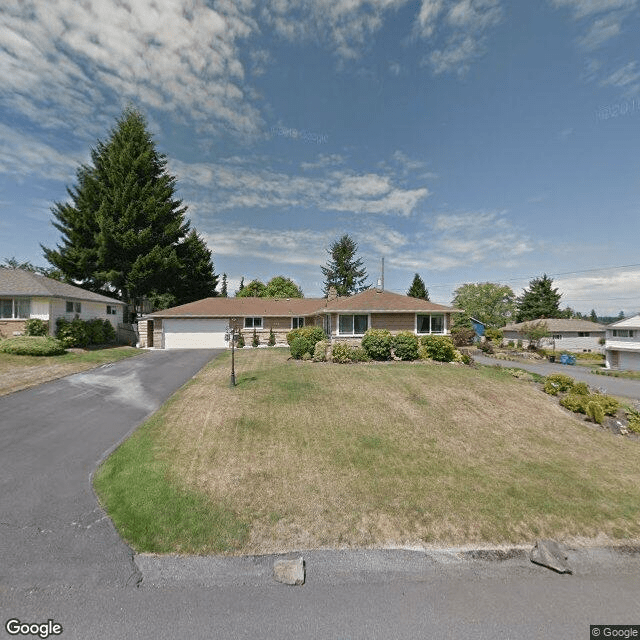
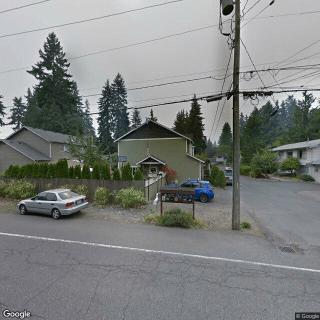
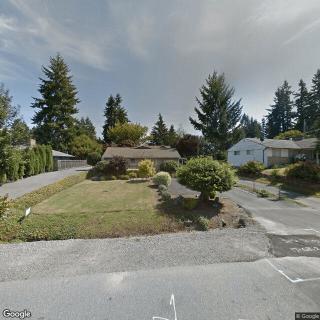
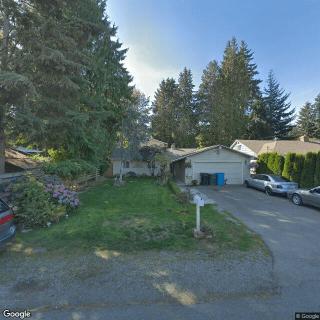
778 N 203rd Street, Shoreline, WA 98133
To contact a resident: (206) 801-7609
For more information about senior living options: (866) 208-4318
JCB Adult Family Home III Costs & Pricing
JCB Adult Family Home III offers competitive pricing for its residents, with both private and semi-private rooms available at a monthly cost of $4,000. This rate is significantly lower than the average expenses in King County, where private rooms typically average around $5,034 and semi-private options are approximately $4,430. Additionally, when compared to the broader state average in Washington, which sees costs rising to about $4,772 for private accommodations and $4,267 for semi-private ones, JCB Adult Family Home III stands out as a cost-effective choice without compromising on care and quality of life for its residents.
| Floor plans | JCB Adult Family Home III | King County | Washington |
|---|---|---|---|
| Private | $4,000 | $5,034 | $4,774 |
| Semi-Private | $4,000 | $4,430 | $4,272 |
Memory care communities with a similar price nearby
-
from -$500 / mo
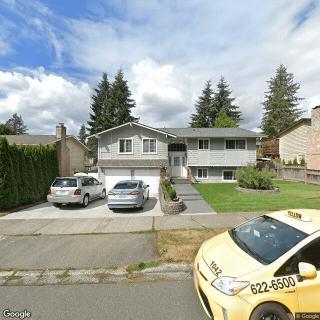
Dignity Life
$3,500 / month8.0 miles away -
from -$625 / mo
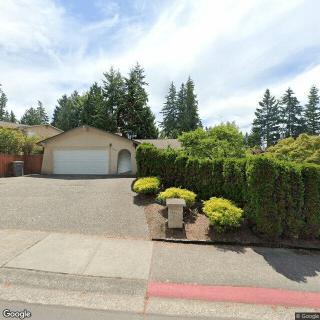
Evergreen Manor Senior Care Inc
$3,375 to $7,500 / month10.0 miles away -
About the same

Riverton Home Care
$4,000 to $5,000 / month20.9 miles away -
About the same
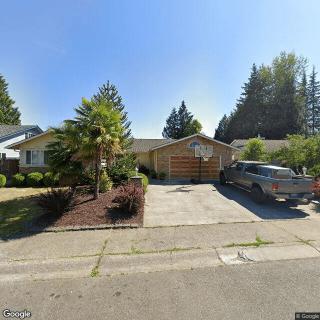
Gentle Care Home
$4,000 to $5,500 / month24.7 miles away -
from +$500 / mo
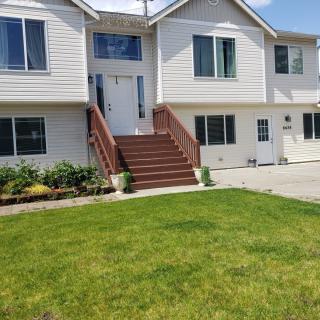
We Care Adult Family Home
$4,500 to $8,000 / month12.9 miles away
Overall Review of JCB Adult Family Home III
Pros
 The facility is wonderful, inviting, and clean, with air conditioning and an air filtering system.
- Ted, TG, and the staff they hire are compassionate and very responsive to residents’ needs.
- The care includes thoughtful, personalized touches, such as foot care and timely meals tailored to residents’ cravings.
- The home features state-of-the-art facilities and a clean, welcoming ambiance.
- Caregivers are accommodating and respectful to both residents and visitors.
- The environment feels like a welcoming, family-oriented home with first-rate care.
- The home and yard are beautiful, and the household is active and engaging.
- The care provided is intimate and exceptional, helping residents regain strength and feel more like their old selves.
Review
This community is best suited for seniors who want an intimate, home-style environment where care feels personal and every need is met with immediacy. It operates like a true family setting, led by a husband-and-wife team with direct bedside experience, one brings CNA expertise, the other nursing, so residents experience hands-on attention from people who treat caregiving as a vocation, not a routine. The house itself reinforces the model: a clean, welcoming space with air conditioning, air filtration, a well-kept yard, and a family atmosphere that makes visits feel effortless and reassuring. This is the kind of place where meals, little comforts, and daily routines can be tailored to individual preferences, and where staff responsiveness translates into tangible peace of mind for families.
Those who should consider alternatives are residents with higher-acuity medical needs or those requiring specialized memory-care programs. A larger campus with secured units, more extensive on-site medical staffing, or a formally structured activity calendar may be more suitable for individuals who need frequent clinician oversight or a wider array of therapeutic services. Families seeking a broader array of social offerings, more formal programming, or a facility with scalable staffing for fluctuating medical demands might find a larger community a better fit. For residents whose primary concern is highly advanced skilled nursing care 24/7, alternatives with deeper medical infrastructure should be on the table.
The strongest pros center on genuine care delivered with immediacy and warmth. The on-site presence of an RN and a CNA, combined with a husband-and-wife leadership duo, translates into rapid responsiveness to dietary requests, comfort measures, and routine medical adjustments. The reviews highlight compassionate, attentive staff who go beyond the basics, such as administering foot care with tenderness, arranging special meals, and attending to individual preferences, within a clean, inviting home environment. The facility emphasizes a high standard of cleanliness, air quality, and a calm, pleasant ambiance, all of which reinforce well-being and reduce anxiety for residents and families alike. A sense of “being at home” and a true family atmosphere also fuels social engagement and overall satisfaction.
Where potential downsides could arise, the primary concern is scale. A small family-run home may have limitations in handling complex medical trajectories or highly structured, facility-wide programming that a larger campus can offer. There may be fewer on-site specialists, fewer dedicated memory-care resources, and a reliance on coordinating outside services rather than delivering a broad spectrum of in-house therapies. This does not reflect neglect but rather the practical rhythm of a compact operation: deeply personal care with a leaner, more targeted set of services that fit residents who value intimacy over breadth.
Yet the pros more than compensate for these typical constraints because the distinctive strengths are precisely what families often seek in evaluating care for aging loved ones. The on-site RN and CNA ensure medical needs are monitored with daily clarity, while the owners’ hands-on leadership guarantees consistent accountability and continuity of care. The home-like setting, with its warmth, beauty, and proactive attention to comfort, helps residents maintain appetite, mobility, and social engagement. The combination of thoughtful touches, protective cleanliness, a pleasant living space, and a responsive, proud staff, creates a care dynamic that can slow decline for some and maximize comfort for others, all within a setting that feels less institutional and more like family.
For families comparing options, this community stands out as a compelling choice when the priority is intimate, personal care delivered by experienced caregivers who treat residents as members of the family. Schedule a visit with a clear set of questions: what is the staff-to-resident ratio at different times, how are medical decisions coordinated with outside providers, what specific memory-care supports are available, and what costs are included or excluded in the stated rate. Observe how staff engage residents, how meals are prepared and adapted, and whether the atmosphere promotes daily activity and companionship. If the goal is to secure a warm, responsive environment where care feels engineered around the resident rather than the other way around, this community earns strong consideration. For those with more intensive medical needs or demanding memory-care requirements, it remains prudent to explore options with broader medical and therapeutic offerings.
 Board and Care Home
 Memory Care
 Activities off-site
 Bath tubs
 Devotional services off-site
 Indoor common areas
 Outdoor common areas
 Private
 Respite or short term stays offered
 Wheelchair accessible showers
 Seattle-Tacoma International (23 miles away)
 Ambulatory care
 Diabetic care
 High acuity care
 Incontinence care
 Medication management
 Kosher
 Delving into the Inner World of Dementia: Insights into Thoughts and Awareness
 Five Subtle Dementia Indicators to Observe: An In-Depth Guide to Understanding “Does My Mom Have Dementia?”
 Dementia, Paranoia, and Caregiver Guidance: Understanding the Connection