
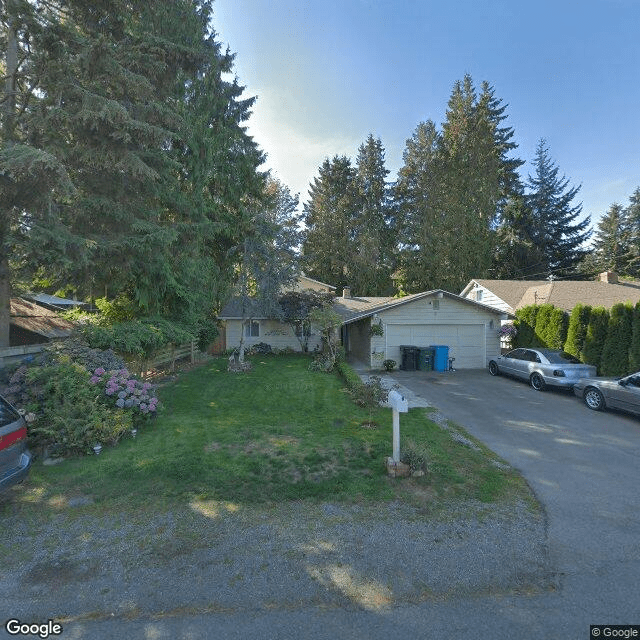
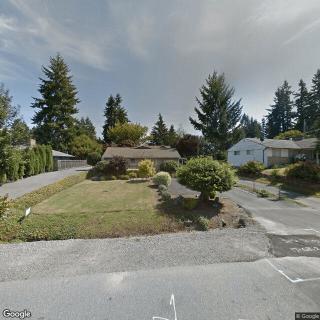
19613 Linden Ave N, Shoreline, WA 98133
To contact a resident: (206) 801-7382
For more information about senior living options: (866) 208-4318
JCB Adult Family Home II Costs & Pricing
At JCB Adult Family Home II, the monthly costs for care reflect a competitive pricing structure that is notably favorable compared to both King County and the wider state of Washington. For private rooms, residents at JCB are charged $4,000 per month, significantly lower than the county average of $5,034 and the state average of $4,772. Similarly, semi-private accommodations at JCB also come in at an attractive rate of $4,000, surpassing both the county's average of $4,430 and the state's average of $4,267. This positioning not only underscores JCB Adult Family Home II's commitment to providing quality care at an accessible price but also highlights its value proposition within the regional market for adult family homes.
| Floor plans | JCB Adult Family Home II | King County | Washington |
|---|---|---|---|
| Semi-Private | $4,000 | $4,430 | $4,272 |
| Private | $4,000 | $5,034 | $4,774 |
Memory care communities with a similar price nearby
-
from -$500 / mo
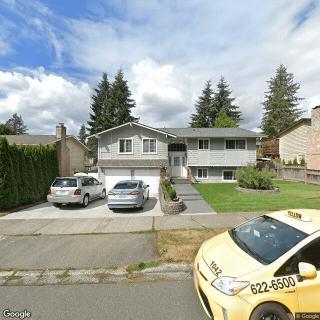
Dignity Life
$3,500 / month8.2 miles away -
from -$625 / mo
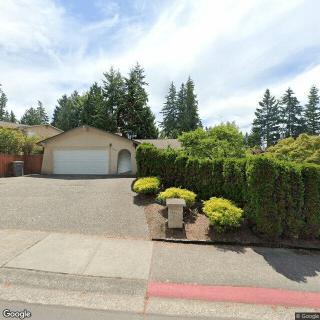
Evergreen Manor Senior Care Inc
$3,375 to $7,500 / month9.8 miles away -
About the same

Riverton Home Care
$4,000 to $5,000 / month20.6 miles away -
About the same
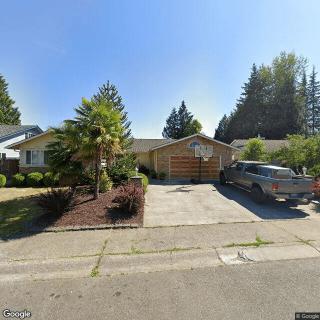
Gentle Care Home
$4,000 to $5,500 / month24.4 miles away -
from +$500 / mo
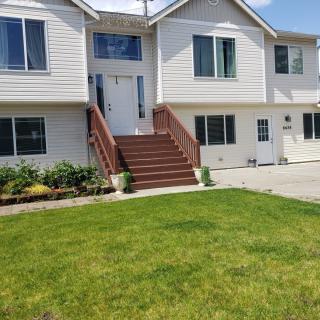
We Care Adult Family Home
$4,500 to $8,000 / month13.3 miles away
Overall Review of JCB Adult Family Home II
Pros
 The facility is run by a caring husband-and-wife team and is described as wonderful, inviting, and clean, with air conditioning and an air filtering system.
- The staff, including Ted (CNA) and TG (RN), are portrayed as compassionate and highly responsive to residents’ needs.
- The home features state-of-the-art facilities that impressed the reviewer.
- The caretakers are noted to be super accommodating and respectful.
- The environment is described as clean with a great ambiance.
- The care provided is described as high-quality and compassionate in a lovely setting.
- The reviewer would highly recommend this Adult Family Home to others seeking care for their loved ones.
- The care examples illustrate thoughtful, personalized actions to meet residents’ needs and preferences.
Review
JCB Adult Family Home II is best suited for families seeking a small, family-run senior living option where owners are visibly present and care is intensely personalized. The reviews emphasize a husband-and-wife team who live on site, providing steady oversight and a quick, attentive response to residents’ needs. With Ted working as a CNA and TG as an RN, residents benefit from clinical judgment paired with hands-on daily care, a combination that yields real reassurance for families worried about medical support in a home setting. The environment is described as inviting, clean, and comfortable, with air conditioning and an air filtration system contributing to a healthier, more resident-friendly backdrop. For seniors who value a home atmosphere, direct caregiver access, and a level of service shaped by a close-knit team, this community stands out.
Those weighing alternatives should note that this AFH emphasizes intimacy and flexibility over scale. If memory-care needs are prominent or if a resident requires extensive, structured programming with a wide array of therapies, a larger assisted-living community or a dedicated memory-care campus may be a better fit. The reviews highlight warmth, responsiveness, and a high-touch approach, but they imply fewer on-site specialists and fewer formal programs than what bigger facilities typically offer. Families prioritizing a highly comprehensive, hospital- or campus-style services menu should consider other options to ensure all medical and social needs are met in a predictable, highly scheduled way.
The most compelling pros, owner presence, clinical oversight from TG (RN) and hands-on support from Ted (CNA), and consistently compassionate staff, translate directly into practical advantages. Residents are seen as individuals, with care teams that respond swiftly to evolving needs, not just routine tasks. The home’s cleanliness and ambiance, paired with air conditioning and a purification system, support comfort and health, reducing irritants and creating a soothing setting for daily living. Personal touches described in the reviews, such as special meals and attentive, affectionate care, demonstrate a level of attentiveness that can ease transitions for anxious families and improve quality of life for residents who crave consistent, predictable caregiving.
Despite the strong positives, the intimate scale of a family-run home is a natural trade-off. The same advantages of direct, quick access to caregivers can mean fewer formal activities, limited on-site therapy options, and less immediate access to a broad team of specialists than would be found in larger facilities. The absence of stated drawbacks in the reviews is not a warning, but it does signal the need for a focused due-diligence process: tours should probe the breadth of services, the cadence of daily activities, the availability of scheduled therapies, and how medical needs are managed during evenings and weekends. Asking about coordination with external providers, emergency protocols, and transportation for appointments will clarify alignment with long-term expectations.
To determine fit, prospective residents and families should verify several practical points during an in-person visit. Confirm the daily and weekly structure of activities and social engagement, and ask how companionship and mobility supports are handled across shifts. Inquire about diabetes care, foot care, medication management, and dietary accommodations, since the reviews highlighted individualized attention in these areas. Explore how care plans are created and updated, who leads them, and how family communication is managed. Finally, assess whether the owners’ hands-on leadership style remains consistent as resident needs evolve, and whether the environment offers a sufficiently stimulating but non-institutional backdrop for ongoing independence and dignity.
In sum, JCB Adult Family Home II presents a compelling choice for families prioritizing warmth, responsiveness, and highly personalized care in a compact, home-like setting. The combination of a devoted husband-and-wife leadership team, a trained RN and CNA on site, and a clean, comfortable environment creates real value for seniors who flourish under close caregiver attention. For those whose priorities include a broader menu of activities, extensive therapeutic services, or dementia-specific programming, alternatives, especially larger communities with more formalized structures, are worth exploring. A focused visit will reveal whether the intimate, hands-on model aligns with the resident’s current needs and future trajectory.
 Board and Care Home
 Memory Care
 Activities off-site
 Bath tubs
 Indoor common areas
 Outdoor common areas
 Private
 Private bathrooms
 Respite or short term stays offered
 Wheelchair accessible showers
 Seattle-Tacoma International (22 miles away)
 Ambulatory care
 Diabetic care
 High acuity care
 Incontinence care
 Medication management
 Kosher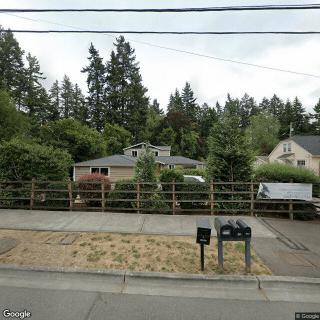

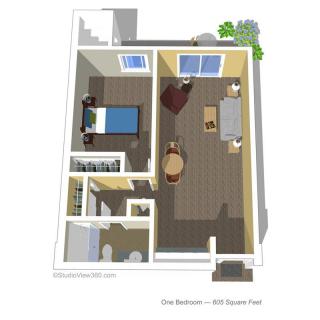
 Dementia, Paranoia, and Caregiver Guidance: Understanding the Connection
 Engaging Memory Care Activities That Enhance Quality of Life
 When to Transition from Assisted Living to Memory Care: Key Indicators, Steps, and Finding the Right Community