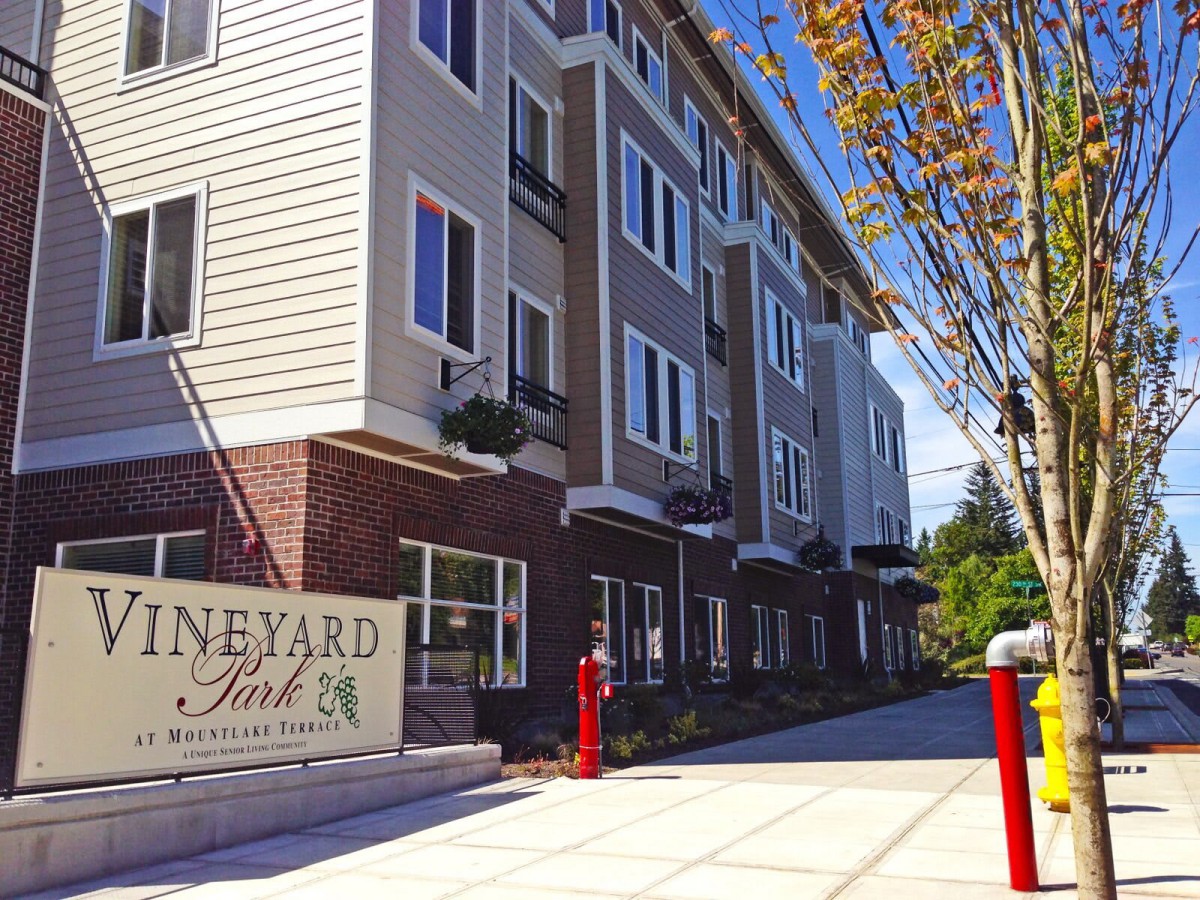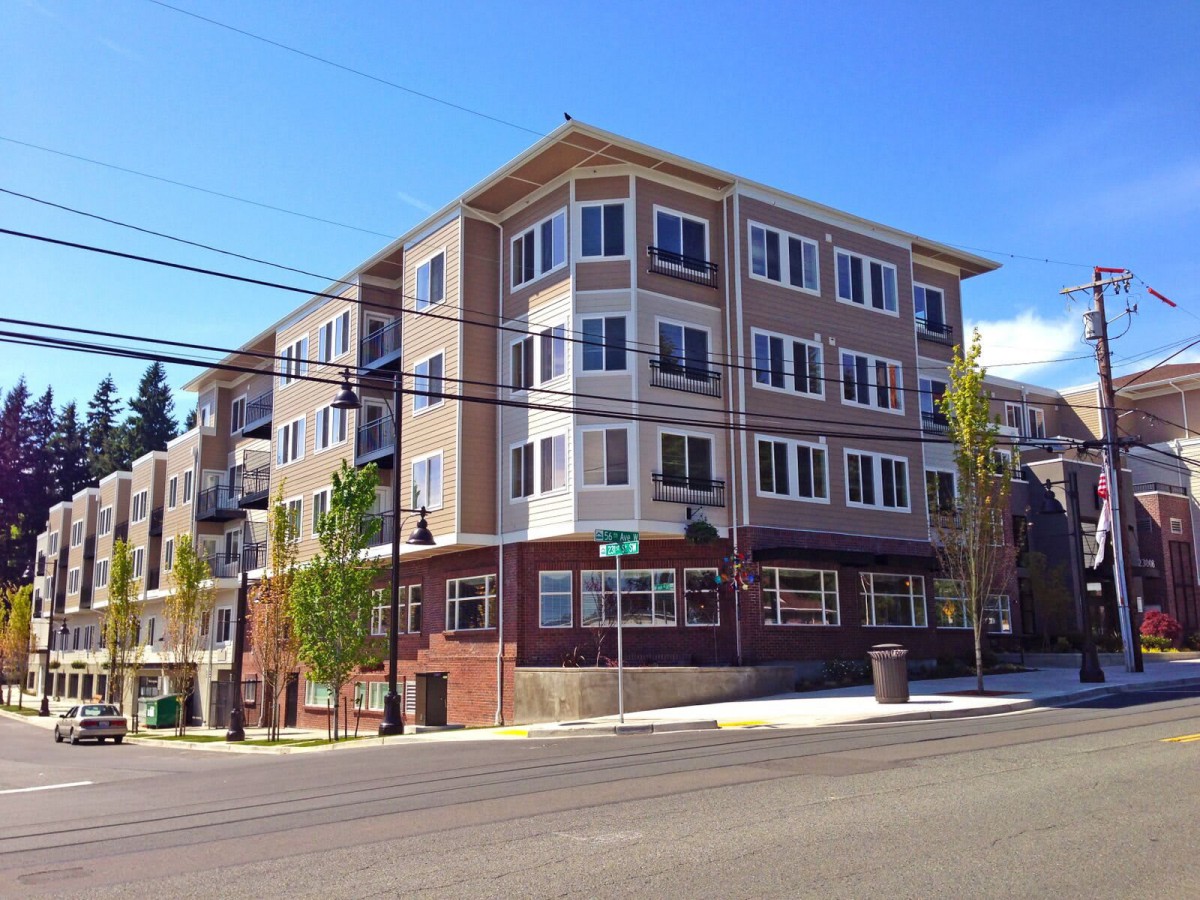











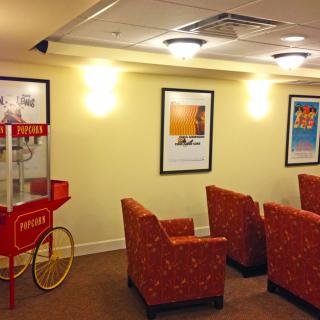





23008 Ave. W., Mountlake Terrace, WA 98043
To contact a resident: (425) 931-2951
For more information about senior living options: (866) 208-4318
Vineyard Park at Mountlake Terrace Costs & Pricing
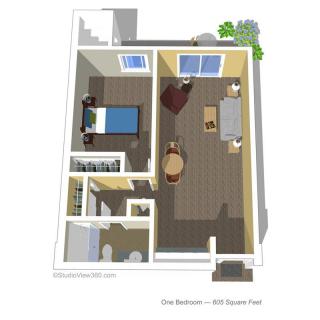
Vineyard Park at Mountlake Terrace offers competitive pricing compared to the broader market in Snohomish County and the state of Washington. For a studio apartment, residents can expect to pay $2,850 per month, significantly lower than the county average of $4,443 and the state average of $4,126. One-bedroom units are also attractively priced at $3,750, compared to $5,080 in Snohomish County and $4,632 statewide. Even semi-private accommodations at Vineyard Park remain appealing at $4,500 per month, which is slightly above the county's average cost but still more affordable than many statewide options. Interestingly, two-bedroom units are priced at $4,600 - higher than both Snohomish County's average of $3,924 and Washington's overall rate of $4,301 - indicating that this particular offering may cater to a different segment of the market or be positioned for those seeking more spacious living arrangements. Overall, Vineyard Park represents a compelling option for those seeking quality senior living while remaining mindful of their budget.
| Floor plans | Vineyard Park at Mountlake Terrace | Snohomish County | Washington |
|---|---|---|---|
| Studio | $2,850 | $4,443 | $4,128 |
| 1 Bedroom | $3,750 | $5,080 | $4,634 |
| Semi-Private | $4,500 | $4,320 | $4,272 |
| 2 Bedrooms | $4,600 | $3,924 | $4,301 |
Memory care communities with a similar price nearby
-
from +$525 / mo
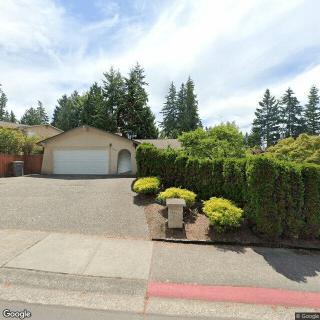
Evergreen Manor Senior Care Inc
$3,375 to $7,500 / month9.3 miles away -
from +$150 / mo
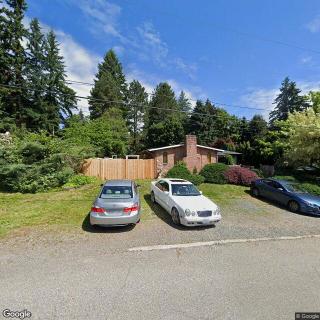
Caring Adult Family Home #1
$3,000 / month5.6 miles away -
from -$350 / mo
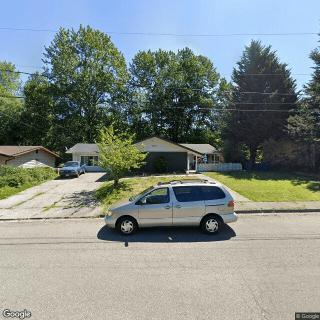
Freedom Care
$2,500 to $3,000 / month24.1 miles away -
from -$350 / mo
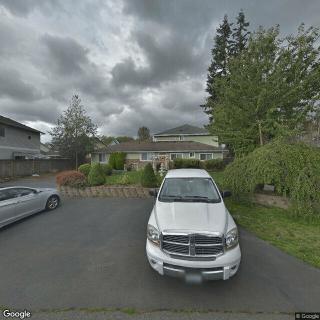
Silver Pond AFH
$2,500 to $3,500 / month8.4 miles away -
from -$513 / mo

Marine Courte Memory Care
$2,337 to $3,228 / month22.4 miles away
Overall Review of Vineyard Park at Mountlake Terrace
Pros
 The staff is friendly, helpful and gracious.
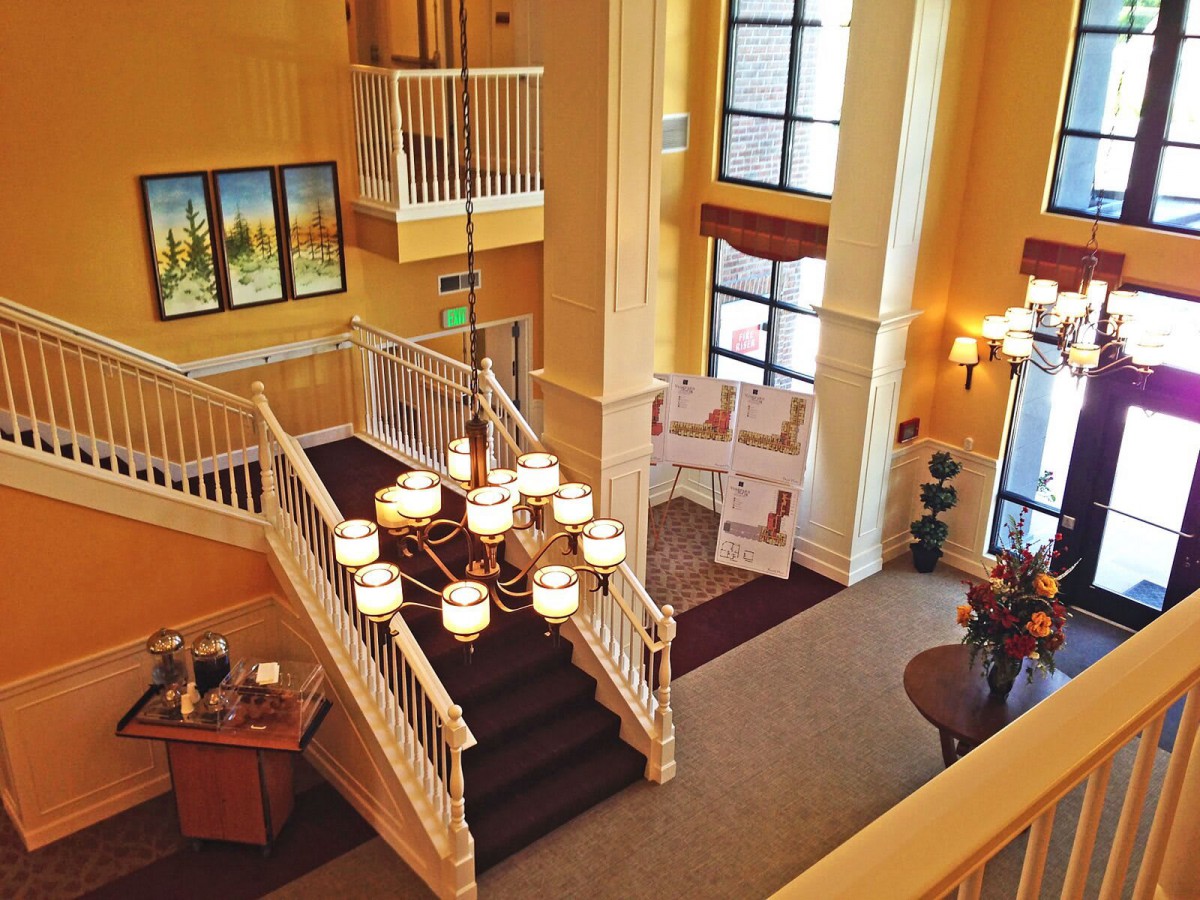
- The facility is still as beautiful as ever.
- The service and responsiveness of staff has been excellent.
- The staff communicate well with families.
- Mom loves it there.
- The caregivers that provide the services and meds are so very kind to her.
- The staff are top rate and take fabulous care of her.
- She has made good friends with other residents.
Cons
 The facility prioritizes profit over residents.
- Medications were mismanaged, there is constant staff turnover, and leadership is often on their cell phones and disengaged.
- A resident was neglected to the point of waste, and an emergency pull cord went unanswered for over 30 minutes.
- Doctors' orders for skin issues were not consistently followed.
- The facility billed for a Medicaid transition when no bill should have existed.
- The company is unforgiving and hateful toward veterans, with no mercy toward service members.
- Several staff members are unhelpful, unkind, or rude; the receptionist was unprofessional and mocked residents; requests for event emails were ignored.
- The director is brusque, and residents feel issues raised with management are brushed off or ignored, leading to disillusionment.
- There are claims of financial incentives to write positive reviews and a perception that many favorable reviews were posted on the same day.
Review
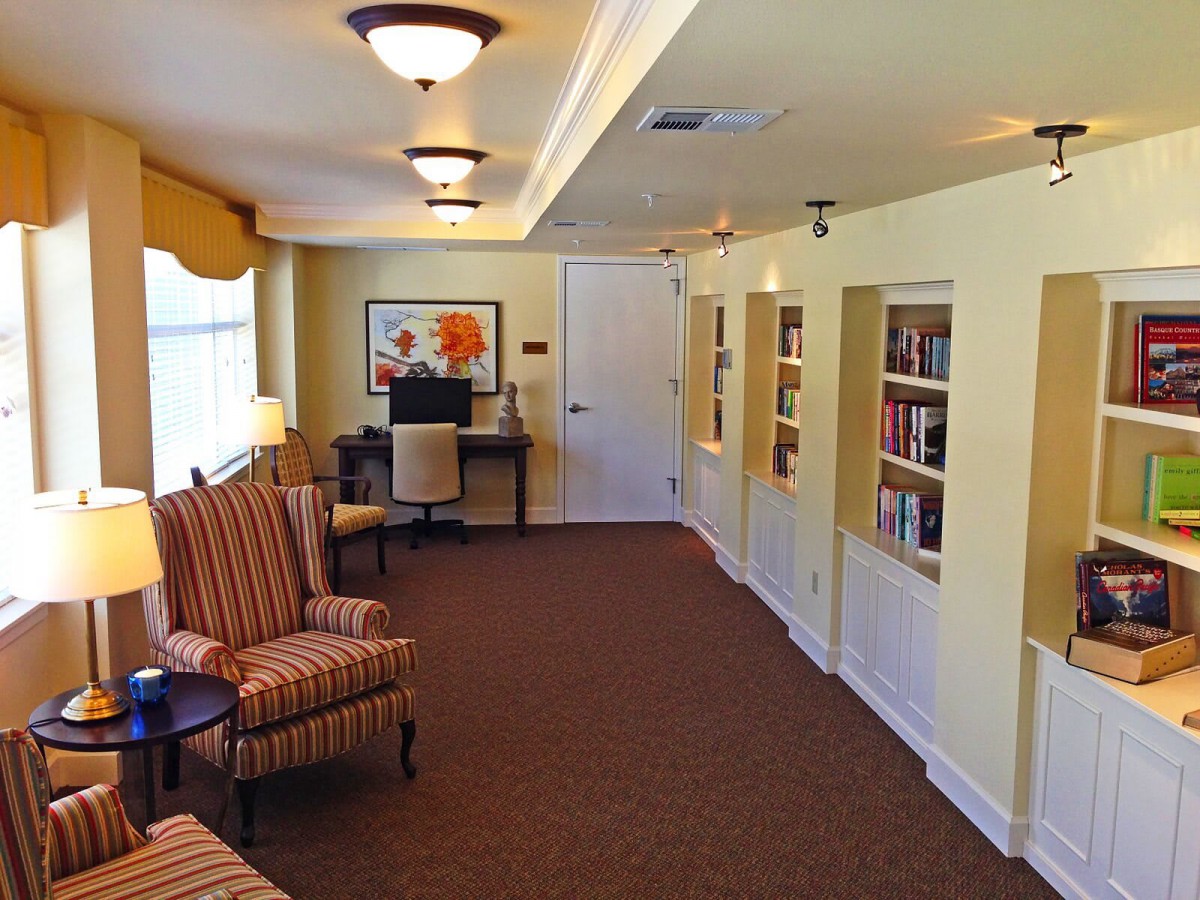
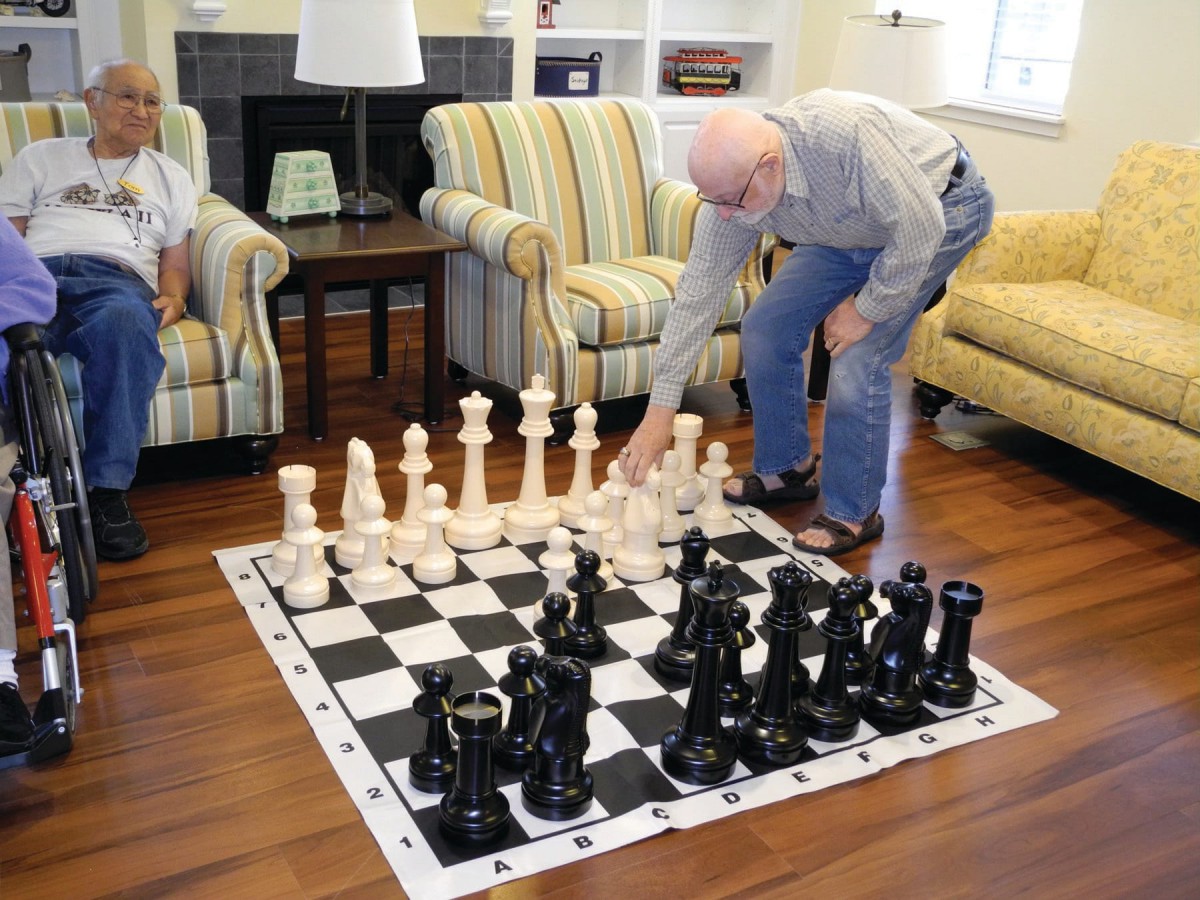
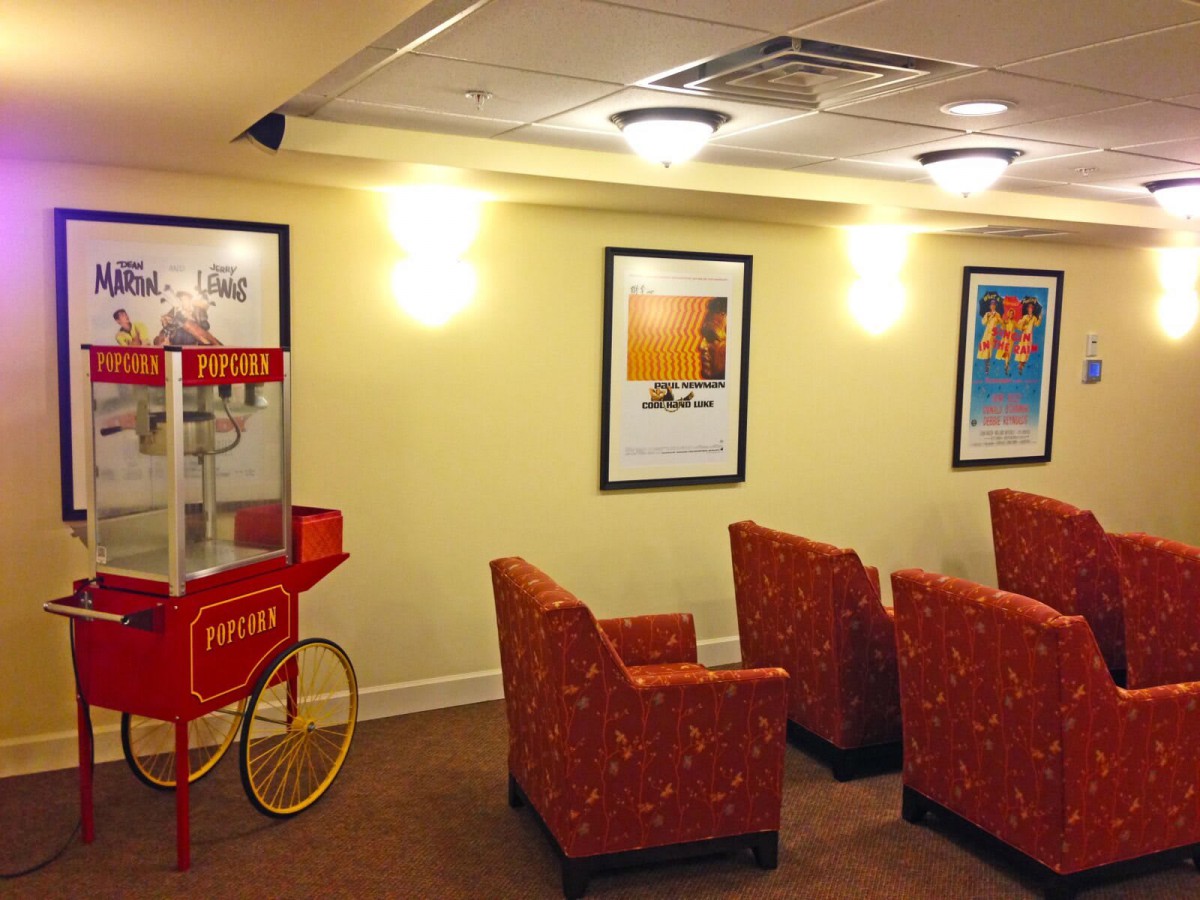
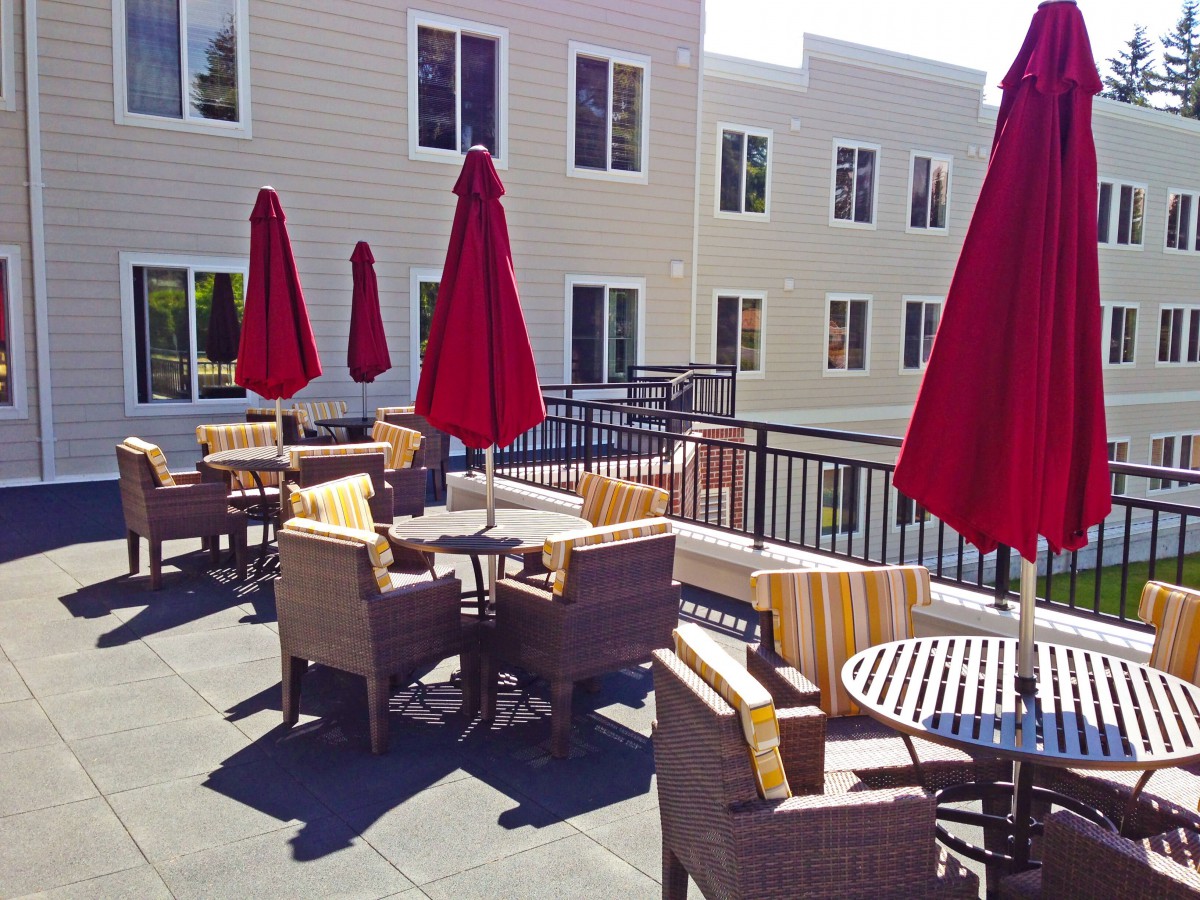
Vineyard Park at Mountlake Terrace is best suited for families seeking a lively, well-maintained senior living campus where social engagement, dependable meals, housekeeping, and medication management are central to daily life. It works particularly well for residents who welcome a robust activity calendar, opportunities to form friendships at “round table” dinners, and access to memory-care options that pair structured programs with an attractive, comfortable environment. The location itself is a practical plus, making visits convenient for nearby families, and the campus projects a secure, home-like feel with theatre, boutique touches, and regular entertaining programming.
Nevertheless, potential residents should consider alternatives if governance and reliability are top priorities. Several reviews raise red flags about leadership responsiveness, consistent follow-through on medical orders, and the tone of staff interactions. Reports of unmanaged or delayed urgent needs, churn among nursing leadership, and billing disputes point to a governance gap that can erode trust over time. Veterans or families with strong preferences around veteran-friendly policies may also want to verify how those values are enacted in practice, given explicit concerns raised by some critics. If a facility’s management track record or transparency matters most, other communities may offer a more consistently reassuring posture.
On balance, the community’s strengths do offset some of the heavier concerns when care teams are stable and residents experience genuine warmth and attentiveness. Numerous families laud the kindness of many caregivers, the beauty and cleanliness of the building, and the sense of safety. The care team frequently earns praise for medication management when operating smoothly, and the memory-care programming is described as thoughtful and stimulating. Activities such as live music, outings, and even virtual reality field trips contribute to meaningful daily life. For families who can verify steady leadership and sustained staffing, these positives translate into real quality of life gains for residents.
Yet the offset is not guaranteed. Where mismanagement or gaps in communication occur, the impact can be significant: delayed responses to emergencies, intermittent adherence to medical orders, and a disconnect between front-line staff and family members. Billing questions and post-move communications have also surfaced as persistent irritants in some reviews, underscoring the need for careful contractual clarity and ongoing, proactive management. These risks mean the facility rewards vigilance: prospective residents should insist on transparent staffing ratios, documented care protocols, and a clear escalation path when issues arise.
A practical decision framework helps separate fit from risk. During tours, observe staff interactions with residents in real time and ask for unfiltered references about response times and how medical orders are tracked and documented. Request a sample weekly activity calendar, a copy of the dining program, and a notional care plan for memory-care residents to gauge how individualized attention is delivered. Probe leadership accessibility: who is the point person for care concerns, how quickly emails or calls are answered, and what steps are taken when issues surface. Finally, compare financial terms, including long-term care contracts, Medicaid eligibility, and any move-in incentives, against nearby alternatives that offer similar services with steadier governance.
In the end, Vineyard Park at Mountlake Terrace packs a compelling mix of social vibrancy, strong campus amenities, and considerate caregiving, when the leadership and staffing environment are stable. It is a solid choice for families prioritizing an active, welcoming community and decent routine medical support, provided ongoing oversight is possible and reliable. For families where consistent management, unwavering adherence to medical orders, and transparent, proactive billing are non-negotiable, it is prudent to explore other Mountlake Terrace options or nearby communities with a longer track record of steady governance. The next step is decisive: schedule a focused tour, demand concrete assurances on staffing stability and care protocols, and speak with multiple residents and their families to confirm that the day-to-day experience aligns with the hoped-for standard of care.
 Assisted Living
 Independent Living
 Memory Care
 Cats allowed
 Dogs allowed
 Activities off-site
 Air-conditioning
 Beautician on-site
 Devotional services off-site
 Full kitchen
 Ground floor units
 Handicap accessible
 Indoor common areas
 Outdoor common areas
 Respite or short term stays offered
 Wheelchair accessible showers
 Wi-Fi/high-speed internet available
 Seattle-Tacoma International (24 miles away)
 Ambulatory care
 Diabetic care
 Medication management
 Guest meals
 Art classes
 Bible study group
 Cooking classes
 Jewish services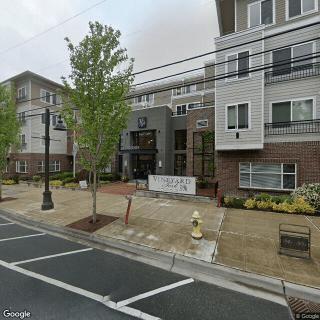



 Dementia Behaviors: In-Depth Understanding and Effective Coping Strategies
 5 Early Indicators of Dementia and What You Can Do
 8 Important Indicators That Memory Care May Be Necessary