
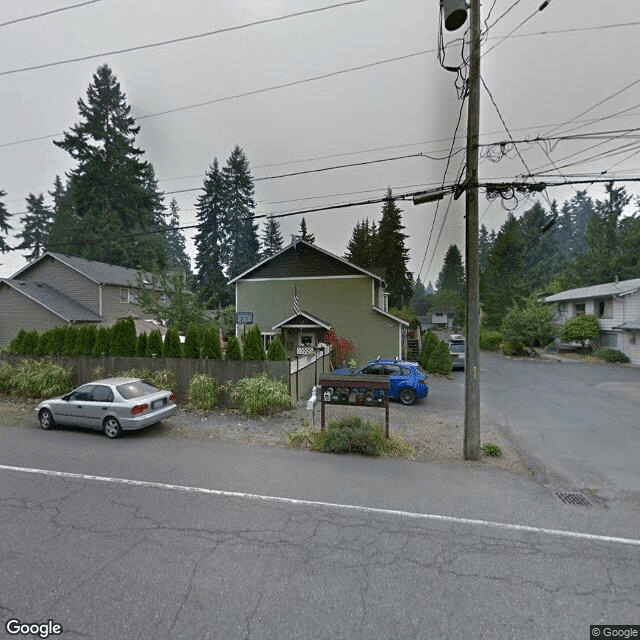
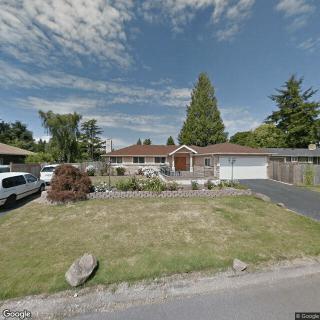
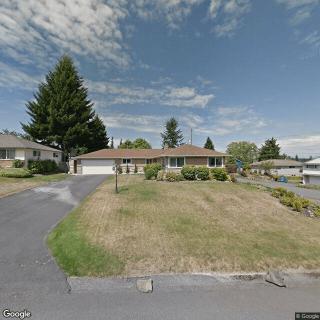
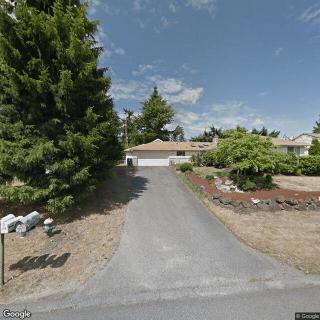
757 N 200th St, Shoreline, WA 98133
To contact a resident: (206) 546-4934
For more information about senior living options: (866) 208-4318
JCB Adult Family Home Costs & Pricing
At JCB Adult Family Home, the monthly costs for both room types are competitively positioned within the broader context of care facilities in King County and across Washington State. For a private room, residents can expect to pay $4,000, which is notably lower than the county average of $5,034 and also slightly less than the statewide average of $4,772. Similarly, the semi-private room offers an attractive rate of $4,000 as well, undercutting both the county's average of $4,430 and the state's average of $4,267. This pricing strategy not only ensures affordability for families seeking quality care but also highlights JCB Adult Family Home's commitment to providing accessible support tailored to individual needs.
| Floor plans | JCB Adult Family Home | King County | Washington |
|---|---|---|---|
| Private | $4,000 | $5,034 | $4,774 |
| Semi-Private | $4,000 | $4,430 | $4,272 |
Memory care communities with a similar price nearby
-
from -$500 / mo
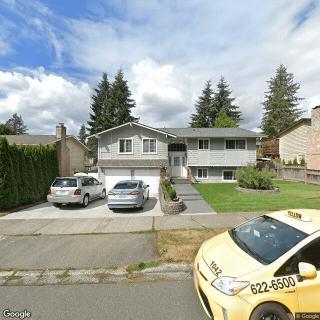
Dignity Life
$3,500 / month8.2 miles away -
from -$625 / mo
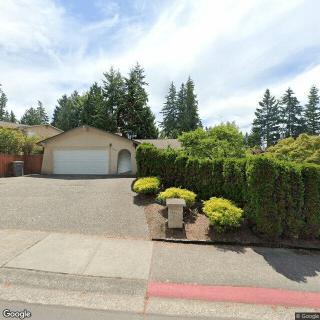
Evergreen Manor Senior Care Inc
$3,375 to $7,500 / month9.9 miles away -
About the same

Riverton Home Care
$4,000 to $5,000 / month20.7 miles away -
About the same
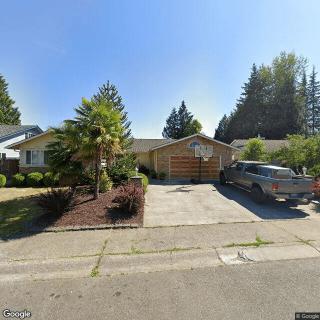
Gentle Care Home
$4,000 to $5,500 / month24.6 miles away -
from +$500 / mo
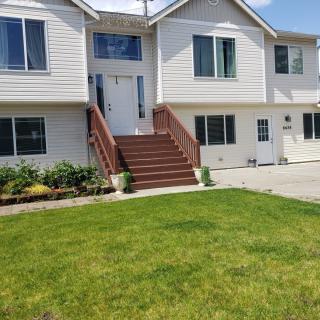
We Care Adult Family Home
$4,500 to $8,000 / month13.1 miles away
Overall Review of JCB Adult Family Home
Pros
 They run a wonderful, inviting, and clean facility with air conditioning and an air filtering system.
- Ted, TG, and the staff they hire are very compassionate and responsive to residents’ needs.
- The care includes attentive, personalized attention, such as foot care that leaves feet soft.
- The home features state-of-the-art facilities, and the caretakers are accommodating and respectful.
- The home is clean and updated with high-end finishes, and pride of ownership shows.
- The property includes a lovely backyard and outdoor area.
- The caretakers are warm, personable, and knowledgeable.
Cons
 The only drawback mentioned is that there are only three rooms for residents.
- The current resident would not engage when spoken to, meaning there may not be other residents for the client's mother to talk with.
- It may not be ideal for families seeking a higher level of attention for their loved one.
Review
JCB Adult Family Home is best suited for families seeking a small, intimate, family‑run setting where residents receive highly hands‑on, responsive care from an on‑site licensed professional team. The home operates as a true in‑home model, with a husband‑and‑wife leadership pair living upstairs, and a registered nurse (TG) supported by a CNA (Ted) who together deliver attentive, compassionate daily care. This environment appeals to families prioritizing cleanliness, comfort, and a homelike atmosphere, along with rapid, personalized responses to needs that arise around meals, mobility, diabetes‑related care, and everyday comfort. It is ideal for a resident who thrives on individualized attention and a consistent, welcoming routine rather than a large, activity‑driven community.
Those who may want to consider alternatives are typically families seeking a bigger social scene or more resident variety. The main drawback noted in the reviews is the tiny footprint: only three rooms for residents. That limits peer interactions and creates a quieter, more private setting, which can feel isolating for someone who benefits from broader social engagement or structured programming. For seniors who prefer a bustling community with abundant activities, visits from multiple peers, and frequent group outings, a larger assisted‑living setting will likely feel more satisfying. In short, large, high‑turnover communities aren’t this home’s strongest fit.
The strongest pros center on the care team and the home’s quality of environment. The RN and CNA on site, paired with consistently warm, knowledgeable staff, translate into exceptionally responsive care that covers medical oversight and practical needs with finesse. Cleanliness is meticulous, and the atmosphere reflects pride of ownership, with high‑end finishes and a well‑kept, inviting interior. Residents benefit from a climate‑controlled, comfortable space, air conditioning, and an air‑filtration system, which together support health and comfort in daily living. The setting also includes a pleasant backyard and outdoor areas that extend the feeling of a private residence rather than a facility.
Those advantages offset the limited capacity in meaningful ways. Because the care is highly personalized, staff can tailor routines, meals, and responses to each resident’s preferences, an approach that often yields better engagement and satisfaction than a larger, less attentive community could deliver. The small size also enables rapid adjustment to evolving care needs and a level of accessibility that residents and families value, especially when diabetes‑related or mobility concerns require careful attention. On the downside, the same intimate scale can limit spontaneous socialization; if a resident needs companionship trading off with higher activity levels or diverse peer conversations, the couple of other residents may not provide the breadth of interaction some families expect.
The practical, home‑like feel, versus a more institutional setting, offers real safety and comfort benefits. A dedicated on‑site RN and a responsive caregiving team reduce not only risk in day‑to‑day tasks but also the stress of coordinating care with outside providers. The pride shown in the home’s upkeep, finishes, and outdoor space communicates a level of investment and dedication that can be hard to find in larger residences. For a resident who appreciates a calm, orderly environment and constructive routines planted in a familiar, almost parental framework, these factors translate into dependable quality of life.
Final guidance for families weighing options: JCB Adult Family Home stands out for seniors who want premium, individualized care delivered in a warm, homey setting with direct access to medical oversight and a devoted caregiving team. It is a particularly strong match for relatives who value meticulous cleanliness, a pleasant living space, and the ability to request special touches, whether it’s a preferred meal, a spa-like foot care moment, or a caregiver who notices subtle changes in condition and responds promptly. However, if social opportunities, peer engagement, or a larger scale of programming matters most, alternative communities with more rooms and structured activities will likely serve better. Prospective residents should prioritize questions about occupancy, daily activity options, and how care would be scaled if medical needs intensify, ensuring the fit remains as strong in practice as it appears in reviews.
 Board and Care Home
 Memory Care
 Activities off-site
 Bath tubs
 Indoor common areas
 Outdoor common areas
 Private
 Respite or short term stays offered
 Wheelchair accessible showers
 Seattle-Tacoma International (23 miles away)
 Diabetic care
 High acuity care
 Incontinence care
 Medication management
 Kosher
 Medications Associated with Dementia Risk: A Comprehensive Overview
 Guiding Your Journey: Understanding Power of Attorney for Elderly Parents
 22 Remarkable Caregiver Support Groups Available Online and In-Person