
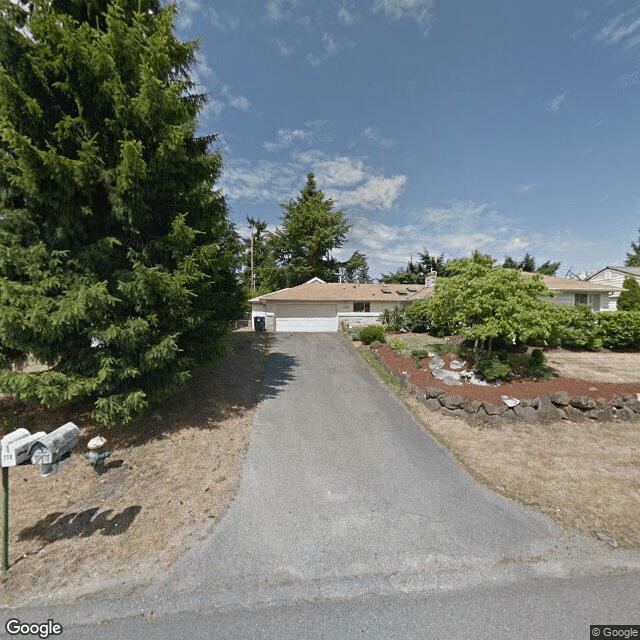
774 N. 204th St., Shoreline, WA 98133
To contact a resident: (206) 852-2025
For more information about senior living options: (866) 208-4318
New Hope AFH Costs & Pricing
At New Hope AFH, the monthly cost for a private room is set at $3,500, which presents a competitive option compared to the broader market rates in King County and Washington State. In King County, the average monthly fee for similar accommodations is approximately $5,034, while the state average stands at around $4,772. This significant price difference not only reflects New Hope AFH's commitment to providing quality care but also highlights its affordability within a region where costs can often be prohibitively high. By choosing New Hope AFH, residents can enjoy personalized services in a warm environment without stretching their budgets excessively.
| Floor plans | New Hope AFH | King County | Washington |
|---|---|---|---|
| Private | $3,500 | $5,034 | $4,774 |
Senior living communities with a similar price nearby
-
About the same
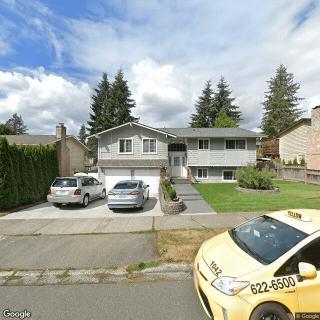
Dignity Life
$3,500 / month8.0 miles away -
from -$125 / mo
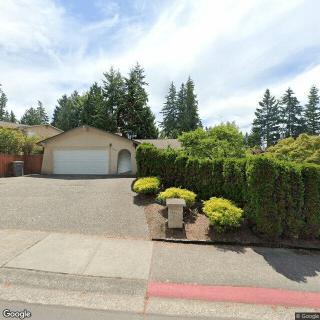
Evergreen Manor Senior Care Inc
$3,375 to $7,500 / month10.1 miles away -
from +$500 / mo
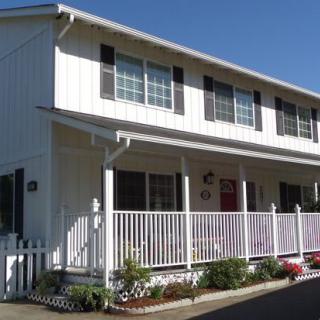
Meadow Crest Senior Home
$4,000 to $6,000 / month20.3 miles away -
from -$500 / mo
Caring Adult Family Home #1
$3,000 / month7.1 miles away -
from +$500 / mo

Riverton Home Care
$4,000 to $5,000 / month21.0 miles away
Overall Review of New Hope AFH
Pros
 The cleanliness is excellent.
- The care seems to be very good.
- He is very happy.
- He is very content.
- The place is quiet, which is good for him.
- He seems happy there.
- It has a very beautiful view.
- It is a very nice house.
- It looked like it had everything.
- It sparkled.
- He transitioned beautifully.
Cons
 He had too much activity at the other place and it created confusion for him.
- He gets aggitated with too much activity, so he walks around and takes tables apart.
- Sometimes someone with Alzheimer's doesn't need activities; they actually need to be calmed down.
Review
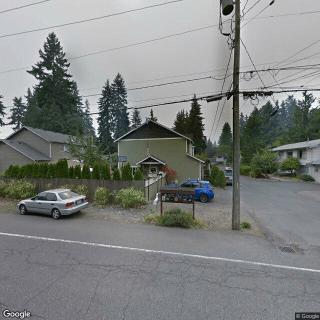
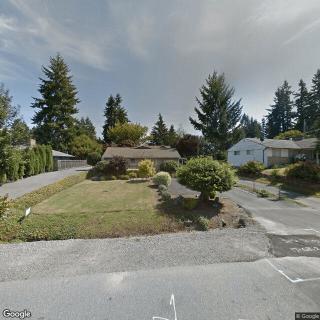
New Hope AFH in Shoreline is best suited for seniors with memory challenges who benefit from a calm, home-like environment, and for families prioritizing cleanliness, dependable care, and a serene daily rhythm. The residence presents as a spotless, well-maintained house with a beautiful view, and the care observed is steady and attentive. This is not a setting built around splashy programs or constant activity; it functions as a quiet, neighborly home that respects the pace of someone with dementia. For residents who do better with predictable routines, minimal confusion, and a gentle transition, New Hope AFH offers a markedly compatible platform for daily living and comfort.
Still, some families should consider alternatives. If a resident requires an active social calendar, structured cognitive therapies, or round-the-clock, higher-intensity medical oversight, this home-like model may feel limiting. Those needing more comprehensive dementia services or specialized programming found in larger memory care campuses might find the offered pace insufficient. For a person who thrives on engagement and varied stimulation, other communities can deliver more consistent activities, outings, and therapeutic activities. In short, suitability hinges on matching the resident’s tolerance for activity level and need for consistent, reassuring supervision.
On the upside, cleanliness is excellent and the care appears very good. The resident described in the statement is markedly happier and more content, indicating a genuine alignment between residence and needs. The quiet atmosphere translates into fewer disruptions and less agitation, a critical factor for someone prone to confusion when overstimulated. The home's aesthetic, an attractive, sparkling interior and a strong sense of home, contributes to comfort and secure orientation. A seamless transition into the new setting is noted, which reduces stress during a move and supports stability in routines. The combination of a beautiful view and a calm frame creates a mood conducive to consistent daily functioning.
Where the ledger of pros interacts with the cons, the main “con”, potential under-organization of activities for those who crave constant engagement, is offset by the very strength that matters most for the described scenario: a tranquil, predictable day. For a resident who settled quickly into a low-stimulation environment, this approach can minimize agitation, support steady wandering without chaos, and sustain a sense of safety. However, if a family anticipates lively social interactions or ongoing cognitive stimulation, this is a mismatch. The risk is that without varied programming, some residents can become withdrawn or bored unless care staff actively tailor activities to individual limits and preferences.
Families evaluating New Hope AFH should probe how daily life would align with their loved one’s routines. Ask about staff experience with memory care, the availability of dementia-specific activities that are calm in pace, and how the home handles wandering and agitation without turning up the volume. Inquiries about meal routines, light housekeeping, and how visits are structured will reveal how closely the environment mirrors a familiar home. Pricing transparency, and what is included in care, will help keep expectations realistic. The key is clarity on whether the quiet, intimate setting matches the resident’s need for safety, dignity, and gentle engagement.
Overall, New Hope AFH stands out as a compelling choice for families seeking a pristine, patient-centered home for a dementia-affected loved one who prizes calm, safety, and a dignified transition. The strong points, exceptional cleanliness, attentive care, contentment, and a serene environment with a beautiful view, create a compelling case for this setting. Potential buyers should contrast this with facilities offering more vigorous activity schedules or broader clinical services to ensure alignment of needs and expectations. For the right resident, this community delivers reassurance, consistent routine, and a sense of belonging that can be the difference between daily unease and peaceful living.
 Board and Care Home
 Dogs allowed
 Activities off-site
 Beautician on-site
 Devotional services on-site
 Indoor common areas
 Outdoor common areas
 Private
 Private bathrooms
 Wheelchair accessible showers
 Seattle-Tacoma International (23 miles away)
 Diabetic care
 High acuity care
 Incontinence care
 Medication management
 Meals provided
 8 Essential Assistive Devices for Older Adults
 Navigating the Financial Road to Nursing Home Care: In-Depth Guidance and Resources
 Supportive Employee Benefits That Help Caregivers Attain Better Work-Life Harmony