
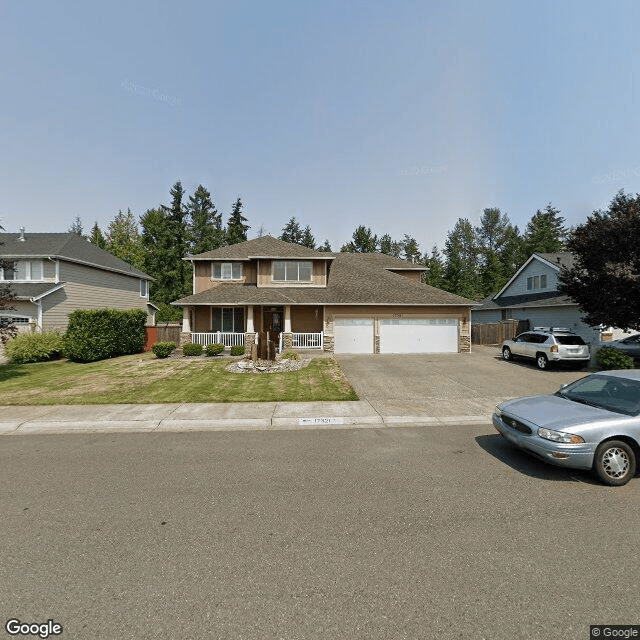
17321 136th Avenue Ct E, Puyallup, WA 98374
To contact a resident: (360) 872-0754
For more information about senior living options: (866) 208-4318
AssureCare Adult Home Costs & Pricing
AssureCare Adult Home offers a range of accommodation options with pricing that reflects its commitment to quality care. The monthly cost for a semi-private room is $5,000, which is notably higher than the average in Pierce County ($4,264) and the state of Washington ($4,267). For those seeking more privacy, the private room option is available at $7,500 per month - again exceeding both county and state averages of $4,623 and $4,772 respectively. These costs underscore AssureCare's focus on providing enhanced services and amenities that cater to residents' needs while operating above local market rates.
| Floor plans | AssureCare Adult Home | Pierce County | Washington |
|---|---|---|---|
| Semi-Private | $5,000 | $4,264 | $4,272 |
| Private | $7,500 | $4,623 | $4,774 |
Memory care communities with a similar price nearby
-
from +$500 / mo

Twin Lake Adult Family Home
$5,500 to $6,500 / month15.4 miles away -
About the same
Peace and Pleasant Care Adult Family Home II
$5,000 to $6,000 / month20.4 miles away -
from -$695 / mo
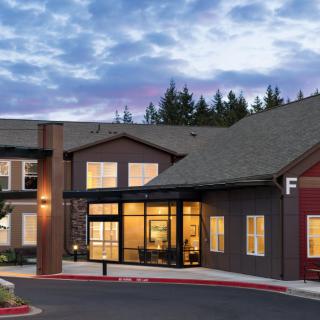
Penrose Harbor at Heron's Key
$4,305 to $7,332 / month23.2 miles away -
from -$500 / mo
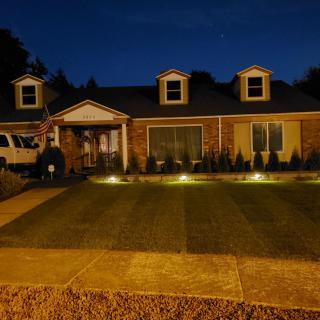
A Serenity AFH
$4,500 to $6,000 / month14.0 miles away -
from +$610 / mo

Rainier Rehabilitation
$5,610 to $6,240 / month5.9 miles away
Overall Review of AssureCare Adult Home
Pros
 The home is a very welcoming place for residents and their families.
- The facility provides the best and most sincere service to its residents.
- They take very good care of residents and keep families updated on health.
- They cook homemade meals and create a homey environment during birthdays and holidays.
- The home feels like one big happy family, and John was very happy there.
- The husband receives outstanding care and is treated like family by the owners and staff.
- The place is clean, bright, and cheery, with a kind and helpful staff.
- Assurance Adult Home is a clean, well-kept community with attentive staff and well-regarded food.
Cons
 There isn’t any sort of rehab.
Review
AssureCare Adult Home in Puyallup is best suited for families seeking a compact, home-like setting where personal attention, consistent daily rhythms, and a warm, family atmosphere take priority over clinical scale. The reviews consistently portray a community that feels like an extension of a family home, with owners and staff who actively nurture residents and keep communication open with families. It works best for seniors who need daily assistance and reliable oversight, including residents with complex health needs who can be supported at a high-touch level. The emphasis on homemade meals, a clean and bright environment, and holiday gatherings reinforces a sense of belonging and safety that many families value when choosing care options.
Those weighing options should consider alternatives if a resident requires formal rehabilitation, advanced skilled nursing, or a larger, more services-rich facility. One clear limitation noted in the feedback is the absence of a rehabilitation program on-site; there is no dedicated rehab track, and residents needing ongoing physical or occupational therapy may outgrow the offerings here. For families hoping for a facility with extensive nursing staff, scheduled therapies, and broader on-site medical services, a bigger assisted living community or a skilled nursing setting would likely be more suitable. The intimate, home-like model shines in warmth and attentiveness, but it carries trade-offs for higher acuity or more specialized medical needs.
The most compelling pros, deep personal attention, a true “home” culture, immaculate cleanliness, and transparent family communication, often offset the absence of formal rehab. Residents are tended with consistency and care, and staff are described as treating individuals like family. The owner, Heavenly, is repeatedly singled out for building trust through hands-on involvement and customized care decisions, including timely hospital transfers when emergencies arise. Cleanliness and a bright, cheerful living space are not afterthoughts here, and the care philosophy consistently centers on comfort, dignity, and preserving a sense of normalcy, characteristics that matter deeply to families managing chronic conditions or post-acute needs.
Evidence across multiple reviews reinforces the depth of that home-style care: a mother lived there for 18 months with attentive oversight, daily updates provided so families never felt out of the loop, and the ability to visit on a weekly basis without disruption. The setting is described as spotless, with clothing kept clean and residents treated with consideration that makes them feel secure. Even for a bedridden relative who required feeding support, the staff’s approach, gentle encouragement, social engagement (like park trips and evenings for fireworks), and a willingness to accommodate individual routines, translated into meaningful quality-of-life gains. These practical details, meal quality, cleanliness, and a stable, caring rhythm, demonstrate the tangible strengths of AssureCare.
For families, the decision framework becomes practical: if the priority is a small, affectionate environment where staff know residents personally, celebrate birthdays and holidays, and maintain open lines of communication, AssureCare delivers exceptionally well. If, however, the loved one’s needs include robust on-site therapy, frequent nursing interventions, or a busy social program beyond gentle activities, alternatives with broader medical staffing may be preferable. Pros such as trust, warmth, and daily attentiveness often counterbalance the lack of formal rehab by reducing stress for families and supporting ongoing engagement for residents who thrive on routine and familiar faces.
In the end, AssureCare Adult Home presents a compelling choice for families who want a high-touch, family-forward living situation in a clean, welcoming setting. It suits residents who are stabilized enough to benefit from daily assistance and personalized care, yet who still cherish a home atmosphere over a medicalized environment. The key takeaway is clear: for those comfortable with a smaller footprint and no on-site rehab, the tangible strengths, caregiver dedication, homemaking touches, and transparent family updates, tave a powerful offset to the single most notable gap. Prospective families should schedule a visit, verify care planning processes, and discuss emergency protocols to ensure alignment with their loved one’s needs and expectations.
 Board and Care Home
 Memory Care
 Dogs allowed
 Activities off-site
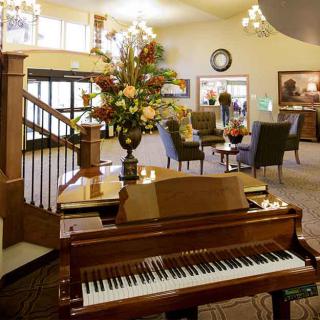
 Indoor common areas
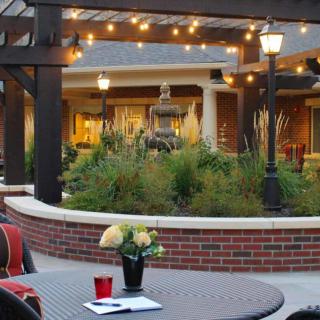
 Outdoor common areas
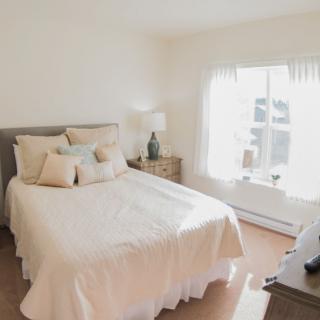
 Private
 Private bathrooms
 Respite or short term stays offered
 Wheelchair accessible showers
 Seattle-Tacoma International (24 miles away)
 Diabetic care
 High acuity care
 Incontinence care
 Medication management
 Kosher


 Are Dementia and Alzheimer's Disease Lethal? A Comprehensive Exploration
 Exploring the Power of Reminiscence Therapy for Individuals With Dementia
 An In-Depth Look at Reminiscence Therapy in Dementia Care