
10918 - 140th St. E, Puyallup, WA 98374
To contact a resident: (253) 445-5190
For more information about senior living options: (866) 208-4318
Welcome Home on South Hill, Inc. Costs & Pricing
Welcome Home on South Hill, Inc. offers competitive monthly rates for its accommodations, with both private and semi-private room types priced at $4,000. When comparing these costs to the averages in Pierce County and the state of Washington, Welcome Home presents an appealing option for residents. In Pierce County, the average cost for a private room is approximately $4,623, while a semi-private room averages around $4,264. Statewide, those figures are even higher at about $4,772 for private rooms and $4,267 for semi-private options. This positioning highlights Welcome Home's commitment to providing quality care and comfortable living arrangements at a more accessible price point within the region.
| Floor plans | Welcome Home on South Hill, Inc. | Pierce County | Washington |
|---|---|---|---|
| Private | $4,000 | $4,623 | $4,774 |
| Semi-Private | $4,000 | $4,264 | $4,272 |
Senior living communities with a similar price nearby
-
About the same

Riverton Home Care
$4,000 to $5,000 / month24.0 miles away -
About the same

Gentle Care Home
$4,000 to $5,500 / month23.4 miles away -
from -$500 / mo

Twin Lakes Haven Adult Family Home
$3,500 to $8,000 / month13.6 miles away -
from -$500 / mo

Valley Home Care
$3,500 / month22.2 miles away -
from -$700 / mo

Magic Hands Adult Family Home
$3,300 / month4.3 miles away
Overall Review of Welcome Home on South Hill, Inc.
Pros
 The Director was very nice.
Cons
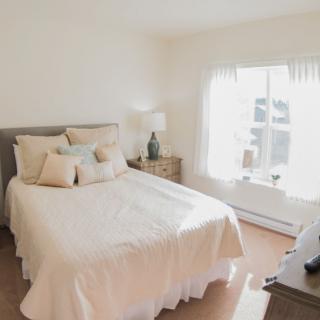
 The room was small.
- One house was full.
- The other house had a small room right by the living area.
- There were eight-hour staff in and out.
Review
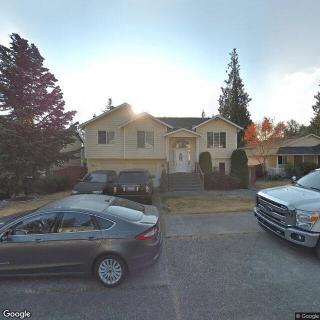
Welcome Home on South Hill, Inc. is best suited for seniors who want a warm, home-like environment with direct access to an approachable, hands-on administrator. Families prioritizing personal attention over campus size will find value in the small, two-house setup where the director is active in daily oversight. The current arrangement includes one house that is full and another with a compact room located close to the living area. This combination favors residents who appreciate regular interaction with staff and leadership and are comfortable with a modest private footprint in exchange for a trusted, familiar environment.
That said, certain residents should consider alternatives. For those who require larger private spaces or more robust, around-the-clock staffing, this community may not meet expectations. The small rooms and the proximity of a room to the living area can feel restrictive for individuals who value privacy and longer-term comfort in their living quarters. The fact that one house is full also suggests limited transfer options and tighter competition for available space. Families dealing with conditions that demand continuous supervision or more intensive medical support should look at options with 24/7 on-site coverage and a wider range of care levels.
The strongest pro here is the director’s warmth and accessibility. A leader who lives in one house tends to be highly responsive, which translates into clearer communication and quicker problem resolution for families and residents alike. That direct presence supports a sense of stability and personal accountability that larger, impersonal facilities often struggle to match. In practical terms, this means concerns and requests are likely to receive timely attention, and residents may experience a more consistent, person-centered approach to daily routines and care tasks.
Yet the main drawbacks are tangible and cannot be entirely offset by goodwill alone. The compact rooms may limit storage and personal retreat space, impacting long-term comfort and privacy. A room located by the living area can amplify noise and reduce a resident’s sense of separation from the communal activity, an important factor for anyone who values quiet time or has specific sensory needs. The eight-hour staff pattern implies longer gaps without on-site coverage, which can affect timely assistance with mobility, medications, or urgent needs after hours. The director’s strengths help mitigate these concerns to some extent, but the trade-offs remain real for families balancing safety, independence, and personal space.
When evaluating options, prospective residents should pursue practical checks that illuminate fit. Schedule tours of both houses, inspect room sizes, and ask for exact staffing schedules, including night coverage and staff-to-resident ratios. Clarify whether larger or additional room options exist in the second house and what flexibility there is to reassign or upgrade as needs evolve. Consider proximity to medical providers, transportation, and available social or activity programs that suit the resident’s interests. If daily personal contact with leadership and a tight-knit, neighborly atmosphere are priorities, this community can deliver; if expansive space, constant on-site care, or dedicated memory-care resources are non-negotiable, alternative communities merit serious consideration.
In the end, Welcome Home on South Hill presents a credible, compassionate option for seniors who value a home-like feel, steady leadership, and a manageable footprint. The trade-off is clear: intimate living with direct access to a caring director versus smaller rooms and eight-hour staffing patterns that may leave safety nets thinner during off hours. For families who place a premium on warmth, continuity, and personal rapport with the care team, this community can be a strong fit. For those whose must-haves include generous private space, continuous supervision, and broader care options, it is wise to continue the search and use these insights to benchmark how well any alternative aligns with the resident’s daily needs and the family’s care expectations.
 Board and Care Home
 Private
 Private bathrooms
 Seattle-Tacoma International (22 miles away)
 Ambulatory care
 Diabetic care
 High acuity care





 Nurturing Our Loved Ones: A Daughter's Journey in Caring for Her Mother
 Nurturing Our Elders: Linda's Journey of Supporting Her Mother
 A Comprehensive Exploration of Common Misunderstandings about Powers of Attorney