Lili's Family Care in Puyallup, WA

Save
Lili's Family Care

Lili's Family Care in Puyallup, WA

12822 118th Ave. Ct E, Puyallup, WA 98373

For more information about senior living options: (844) 490-3973

3.3 from 10 reviews
5 stars
4
4 stars
0
3 stars
3
2 stars
1
1 stars
2

Board and Care Home Memory Care

Lili's Family Care Costs & Pricing

Lili's Family Care offers a consistent monthly cost of $5,000 across various room types, including private rooms, semi-private accommodations, studios, and one-bedroom units. When we compare these rates to the averages in Pierce County and the broader state of Washington, Lili's pricing is notably higher. For instance, while the average cost for a private room in Pierce County is approximately $4,623 and $4,772 statewide, Lili's standard rate surpasses these figures. This trend continues with semi-private rooms ($4,264 in Pierce County and $4,267 statewide), studios ($4,039 countywide and $4,126 statewide), and one-bedroom units ($4,456 countywide versus $4,632 statewide). Such pricing reflects Lili's commitment to quality care and services but may suggest that families consider these costs carefully in relation to their specific needs and budget constraints.

Floor plansLili's Family CarePierce CountyWashington
1 Bedroom$5,000$4,456$4,634
Private$5,000$4,623$4,774
Semi-Private$5,000$4,264$4,272
Studio$5,000$4,039$4,128

Overall Review of Lili's Family Care

Pros

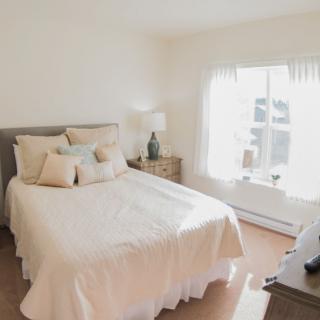
  • pro The place seemed nice and smelled clean.
  • pro Lili is pleasant and easy to speak with, and she understands concerns.
  • pro Lili cooks her own meals and offers a variety of care options, while encouraging family visits.
  • pro Lilli truly cares for her patients, and her team does an exceptional job.
  • pro The environment is quiet, residents get along, and they enjoy greater independence.
  • pro The home is beautiful and clean, and Lili is an amazing cook.
  • pro The owner is nice and quiet.
  • pro The residents love the food.

Cons

  • pro The reviewer feared that residents would be put in a bedroom and forgotten, except for being fed and changed.
  • pro The downstairs area where the residents live is a bit dark.
  • pro The staff stated they preferred female residents.
  • pro The reviewer concluded that if someone wants loving care, they should keep looking.

Review

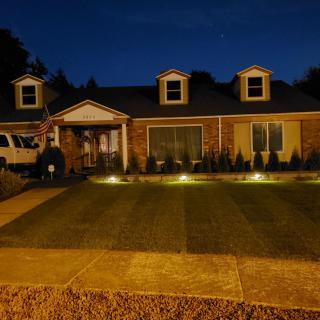
Lili's Family Care in Puyallup is best suited for families seeking a small, home-like setting where personal attention, home-cooked meals, and active family involvement are central. The property reads as a warm, clean residence with a calm, intimate atmosphere, where Lili does much of the cooking and where residents can move about freely. The setting supports a quieter pace, and those who prize independence alongside gentle supervision will likely feel comfortable here. The presence of a nurse and the owner's hands-on approach contribute to a perception of attentive care, and several reports highlight the positive impact of good meals and a familiar, family-friendly environment on well-being.

Those who may want to consider alternatives are families needing stronger medical oversight, round-the-clock supervision, or a more structured, larger community with robust programming. The reviews surface concerns that a resident could be "forgotten" or not fully attended to in a very small home, particularly if staffing is stretched or misaligned with needs. A troubling note appears regarding admissions preferences, with mentions that the facility reportedly favored female residents; such dynamics raise questions about transparency and consistency in admission practices. For families seeking bright common areas, predictable schedules, or highly regulated safety routines, this setting may feel undersized or under-resourced.

On the plus side, the strongest attributes are practical and tangible. Cleanliness and a true "home" atmosphere dominate, with residents able to walk around and maintain a level of independence that larger campuses sometimes suppress. The kitchen serves as a daily anchor, with Lili's cooking praised as a standout feature that contributes to resident satisfaction, including frequent praise from family members about meals. The care offering is described as varied, with a genuine openness to family involvement and a stated emphasis on keeping loved ones connected. The environment's quiet, low-stimulus nature and the clear rapport between Lili, her nurse, and residents emerge as meaningful contributors to day-to-day comfort.

Yet the main drawbacks cannot be dismissed. The perception (in some reviews) that a resident could be left in a bedroom and overlooked for basic needs stands in stark contrast to the intimate, family-forward model and will alarm families weighing quality-of-life and safety. The downstairs living area being described as dark raises legitimate questions about lighting, visibility, and accessibility for residents who may require assistance during evening hours. The mixed feedback - ranging from high praise for care and food to explicit warnings that "loving care" may not be present - suggests inconsistency in experience, likely tied to the small team and fluctuating staffing. Taken together, these factors create a tension between warmth and risk that families must weigh carefully.

The pros can offset the cons for families prioritizing warmth, responsiveness, and a homelike daily rhythm, but only if expectations align with what a small, owner-operated setting can sustain. The intimate scale means staff can know every resident personally, quickly notice changes, and tailor activities and meals - benefits that can rival, and in some cases surpass, what larger facilities offer. A safe, quiet environment, with residents who get along and enjoy independent movement, strengthens the case for this community when the priority is comfort and personal attention. However, the darker downstairs and the occasionally troubling notes about care lapses or admission bias remind potential residents to verify oversight, ensuring a plan that matches medical or safety needs with the same degree of attentiveness found in the best moments of the reviews.

For families evaluating next steps, the fit hinges on priorities. This community is compelling for those who want a cozy, homey setting, consistent home-cooked meals, and a staff relationship that feels personal and nearby. It is less compelling for those who demand robust clinical oversight, highly standardized programming, or assurances against any perception of selective admissions. Practical next steps include scheduling a face-to-face tour, meeting Lili and the nurse, and asking to see a sample day's routine, a meal, and a resident's care plan. Also advisable: talk with current residents or families about daily attentiveness, check lighting and accessibility in the living areas, and confirm how staffing levels are managed across shifts. In sum, Lili's Family Care offers genuine warmth and personal touch for the right senior, but families should confirm that the level of care and safety align with their loved one's medical needs and expectations for transparency.

Features

Types of Care

  • Board and Care Home Board and Care HomeBoard and care homes provide a smaller, more intimate setting for seniors who require assistance with daily tasks but do not need the level of care offered by a nursing home. They offer personalized care, meals, and social activities in a homelike environment, ensuring that seniors receive individualized attention and support in their golden years.
  • Memory Care Memory CareMemory care is crucial for seniors as it provides specialized support and services for individuals with dementia or Alzheimer's disease. These programs offer a safe and secure environment where residents receive personalized care, cognitive stimulation, and help with daily activities. Memory care helps seniors maintain their independence, quality of life, and dignity while also providing peace of mind for their families.

Amenities

  • Activities off-site Activities off-siteEngaging in off-site activities is crucial for seniors to maintain social connections, stay active, and stimulate their minds. It promotes overall well-being and helps combat feelings of isolation and loneliness.
  • Activities on-site Activities on-siteActivities on-site are important for seniors because they provide opportunities for socialization, mental stimulation, physical activity, and overall well-being. Engaging in activities can help seniors stay active, maintain their independence, and improve their quality of life.
  • Beautician on-site Beautician on-siteHaving a beautician on-site at a senior living community is important for seniors as it allows them to easily access grooming and personal care services, boosting their self-esteem and overall well-being. It also provides convenience and helps seniors maintain their sense of independence and personal style.
  • Devotional services off-site Devotional services off-siteDevotional services off-site are important for seniors as they provide spiritual nourishment, social engagement, and a sense of community outside of the senior living facility. This can enhance overall well-being and help combat feelings of isolation and loneliness often experienced by older adults.
  • Devotional services on-site Devotional services on-siteDevotional services on-site provide seniors with spiritual support and a sense of community, as well as an opportunity for reflection and guidance during their senior living experience. This can promote emotional well-being and connection to others, leading to a more fulfilling and enriching lifestyle in their later years.
  • Indoor common areas Indoor common areasIndoor common areas are crucial for seniors as they provide a space for socialization, recreation, and community engagement, promoting overall well-being and reducing feelings of isolation and loneliness.
  • Outdoor common areas Outdoor common areasOutdoor common areas are important for seniors as they provide a space for socialization, physical activity, and relaxation. Being outside in nature can improve mood and overall well-being, while also encouraging movement and engagement with others. These spaces can help combat feelings of isolation and promote a sense of community among residents.
  • Private PrivatePrivacy is important for seniors as it allows them to maintain their independence, dignity, and sense of control over their own lives. It also gives them the space and freedom to relax, reflect, and engage in activities that bring them joy and fulfillment. Creating private spaces within senior living facilities is crucial for promoting overall well-being and quality of life.
  • Respite or short term stays offered Respite or short term stays offeredRespite or short term stays provide seniors with a temporary solution when their regular caregiver is unavailable, offering them the opportunity to receive additional care and support during times of need, while also giving caregivers a chance to rest and recharge.
  • Wheelchair accessible showers Wheelchair accessible showersWheelchair accessible showers are crucial for seniors as they provide a safe and independent bathing option for those with mobility challenges. These showers help prevent falls and allow seniors to maintain their dignity and autonomy while ensuring they can bathe comfortably.

Transportation

  • Seattle-Tacoma International (21 miles away) Seattle-Tacoma International (21 miles away)

Care Services

  • Ambulatory care Ambulatory care"Ambulatory care services provide essential medical support and treatment to seniors without requiring hospitalization, allowing them to maintain their independence and quality of life while managing chronic conditions or receiving routine medical care."
  • Diabetic care Diabetic careDiabetic care is crucial for seniors as they are more susceptible to developing diabetes due to aging and other health conditions. Proper management of diabetes can help prevent complications such as heart disease, vision loss, and nerve damage, improving the overall quality of life for seniors in senior living communities.
  • High acuity care High acuity careHigh acuity care is important for seniors because it provides specialized medical attention and support for individuals with complex medical needs. This level of care ensures that seniors receive the appropriate treatment and assistance to maintain their health and quality of life as they age.
  • Incontinence care Incontinence careIncontinence care is essential for seniors to maintain their dignity, hygiene, and overall quality of life. By addressing incontinence issues promptly and effectively, seniors can enjoy a sense of independence and comfort in their daily activities.
  • Medication management Medication managementMedication management is crucial for seniors to ensure they are taking the right medications at the correct dosages and times. This helps prevent adverse drug interactions, reduces the risk of medication errors, and promotes overall health and well-being. Proactive management also allows for adjustments as needed based on changing health conditions or new prescriptions.

Dining

  • Kosher KosherKosher options are important for seniors because they adhere to dietary laws that are significant to many Jewish individuals, providing them with peace of mind and an opportunity to maintain their cultural traditions and beliefs while living in a senior living community.
  • Meals provided Meals provided"Meals provided" are crucial for seniors in assisted living communities as it ensures they have access to nutritious, balanced meals without the stress of meal planning and preparation. This can help promote overall health and well-being for seniors who may have limited mobility or cognitive abilities.
  • Special dining programs Special dining programsSpecial dining programs are important for seniors because they provide nutritious meals tailored to their dietary needs and preferences. These programs also offer socialization opportunities, promote overall health and well-being, and can help prevent malnutrition.
  • Vegetarian VegetarianA vegetarian diet is important for seniors because it can help lower the risk of chronic diseases, maintain a healthy weight, and provide essential nutrients needed for aging bodies. Additionally, plant-based diets are often easier on digestive systems and can contribute to overall well-being in older adults.

Activities

  • Activities off-site Activities off-siteEngaging in off-site activities is crucial for seniors to maintain social connections, stay active, and stimulate their minds. It promotes overall well-being and helps combat feelings of isolation and loneliness.
  • Activities on-site Activities on-siteActivities on-site are important for seniors because they provide opportunities for socialization, mental stimulation, physical activity, and overall well-being. Engaging in activities can help seniors stay active, maintain their independence, and improve their quality of life.
  • Christian services Christian servicesChristian services are important for seniors because they provide a sense of community, spiritual support, and opportunities for connection with others who share their faith. These services can offer comfort, hope, and guidance as seniors navigate the challenges of aging and find meaning and purpose in their lives.
  • Devotional activities offsite Devotional activities offsiteDevotional activities offsite are important for seniors because they provide social engagement, spiritual growth, and a sense of community outside of their living environment. This can improve overall well-being, mental health, and combat feelings of isolation or loneliness.
  • Devotional activities on-site Devotional activities on-siteDevotional activities on-site provide seniors with a sense of community, spiritual fulfillment, and emotional support, promoting overall well-being and a positive sense of purpose in their lives.
  • Light therapy programs Light therapy programsLight therapy programs are important for seniors because they can help improve mood, regulate sleep patterns, and reduce symptoms of depression and anxiety. Exposure to natural light can also have positive effects on cognitive function and overall well-being in older adults.

Description

Lili's Family Care, located in the picturesque city of Puyallup, WA, specializes in providing compassionate memory care for individuals with cognitive challenges. This welcoming community offers a range of amenities designed to enhance the quality of life for its residents. With both indoor and outdoor common areas, residents can enjoy a peaceful environment while engaging in various on-site activities tailored to meet their interests and needs.

To ensure holistic well-being, Lili's Family Care provides essential care services including diabetic care, high acuity care, incontinence care, and medication management. The facility is fully equipped with wheelchair accessible showers and also offers respite or short-term stays for families needing temporary assistance.

Dining at Lili's is more than just meals; it’s an experience. Residents are treated to nutritious meals with special dining programs that include vegetarian options, catering to diverse dietary preferences.

The vibrant activity schedule features on-site events along with opportunities for Christian services and devotionals both on-site and off-site. Additionally, light therapy programs are available to support residents' emotional health.

For added convenience, Lili's Family Care is situated close to numerous local amenities, including five cafes, four parks for leisurely strolls outdoors, 13 pharmacies for health needs, 29 physicians for specialized medical care, and 32 restaurants providing a variety of dining options. There is also reliable transportation nearby and easy access to one place of worship as well as two hospitals within the vicinity.

At Lili's Family Care, residents find not only quality memory care but also a nurturing community that prioritizes their physical health and emotional well-being.

Nearby Places of Interest

This part of Puyallup, Washington offers a variety of healthcare options, with several physicians, imaging centers, and pharmacies located within a short distance. There are also multiple dining choices nearby, including fast food restaurants and sit-down establishments. Additionally, there are cafes for meeting friends or enjoying a cup of coffee. For outdoor recreation, there are several parks in the area where you can enjoy nature and stay active. In terms of transportation, Sumner Station is easily accessible for those who may need to travel. Overall, this part of Puyallup provides convenient access to essential services and amenities for seniors looking to settle in a welcoming community.

Physicians

  • Sound Medical Imaging (1 miles)
  • Oral & Maxillofacial Surgery Northwest (1 miles)
  • Sound Family Medicine (1.1 miles)
  • Rainier Orthopedic Institute (1.3 miles)
  • Mother Nurture Ultrasound (1.8 miles)
  • Franciscan Medical Clinic - Puyallup (1.9 miles)
  • Group Health Puyallup Medical Center (2.1 miles)

Restaurants

  • Rainier Growlers (1 miles)
  • Chipotle Mexican Grill (1.1 miles)
  • McDonald's (1.2 miles)
  • Wendy's (1.3 miles)
  • Chick-Fil-A (1.5 miles)
  • Taqueria El Rinconsito (1.6 miles)
  • Black Angus Steakhouse (1.6 miles)

Pharmacies

  • Rite Aid (1 miles)
  • Walgreens (1.3 miles)
  • Walgreens (1.4 miles)
  • Walmart Pharmacy (1.7 miles)
  • Walgreens (3.1 miles)
  • Rite Aid (3.4 miles)
  • Safeway Pharmacy (3.4 miles)

Cafes

  • Dutch Bros Coffee (1.5 miles)
  • Panera Bread (1.6 miles)
  • Starbucks (1.8 miles)
  • Rivers Edge Cafe (4.6 miles)
  • Starbucks (4.9 miles)

Parks

  • Bradley Lake Park (1.6 miles)
  • Sunrise Park (2.5 miles)
  • Williams park (2.9 miles)
  • Tehaleh Playground (4.5 miles)
  • Frontier Park (5.7 miles)

Hospitals

  • Multicare Medical Center (2.6 miles)
  • Multicare Health System (3.4 miles)

Transportation

  • Sumner Station (4.5 miles)

Places of Worship

  • Abundant Life Foursquare Church (4.6 miles)

Frequently Asked Questions

How much does it cost to live at Lili's Family Care in Puyallup, WA?
Where is Lili's Family Care?
Does Lili's Family Care provide care for residents with dementia or Alzheimer's disease?

Nearby Communities

  • Ahadi Care Adult Family Home

    Ahadi Care Adult Family Home

    Puyallup, WA

    5 from 12 reviews
    $3,500 to $4,000 / month

    pro Competitive pricing for semi-private and private rooms compared to county/state averages; close proximity to pharmacies, physicians, hospitals, and amenities nearby.

  • Affinity at Puyallup

    Affinity at Puyallup

    Puyallup, WA

    4.6 from 103 reviews
    $1,700 to $3,195 / month

    pro Clean, well-maintained facilities with friendly staff and a strong activities/amenities program.

  • Trinity Care Partners,  LLC

    Trinity Care Partners, LLC

    Graham, WA

    4.2 from 17 reviews
     

    pro Compassionate caregivers with flexible scheduling.

  • Imnay's AFH

    Imnay's AFH

    Puyallup, WA

     
    $3,500 / month

    pro Affordable private rooms ($3,500/mo) with rich nearby amenities.

  • AAA- Amazing Grace

    AAA- Amazing Grace

    Puyallup, WA

    4.1 from 7 reviews
    $2,500 to $4,500 / month

    pro Caring staff and owner; peaceful environment with good family communication.

  • Brookdale Courtyard Puyallup

    Brookdale Courtyard Puyallup

    Puyallup, WA

    3.7 from 82 reviews
    $3,785 to $6,890 / month

    pro Friendly staff during tours, engaging activities, and transportation support.

  • Deer Ridge Memory Care

    Deer Ridge Memory Care

    Puyallup, WA

    4 from 66 reviews
    $7,000 to $8,500 / month

    pro Friendly, caring staff with clean facilities, good meals, and proactive family communication.

  • Julian Estates Gracious Retirement Living

    Julian Estates Gracious Retirement Living

    Puyallup, WA

    4.6 from 135 reviews
     

    pro Beautiful, well-maintained private apartments with a caring staff and vibrant community.

  • Life Care Center Of South Hill

    Life Care Center Of South Hill

    Puyallup, WA


    pro Comprehensive on-site amenities and 24/7 care features.

Related Resources

  • dementia stagesUnderstanding Dementia Through Its Seven Stages: A Comprehensive Look at Progression and Expectations

    Dementia encompasses a range of cognitive impairments characterized by types such as Alzheimer's and vascular dementia, and follows a seven-stage progression model known as the Global Deterioration Scale (GDS), highlighting varying symptoms and decline timelines. Early detection allows for lifestyle adjustments to potentially slow progression, while caregivers need support and resources to manage the challenges involved in caring for affected individuals.

  • how to prevent memory loss in old ageSafeguarding Your Memory Through the Golden Years: Eight Ways to Preserve Cognitive Health

    The article presents eight strategies for preserving cognitive health and memory in older adults, emphasizing a nutrient-rich diet, regular exercise, intellectually stimulating activities, adequate sleep, social connections, stress management techniques, limiting harmful substances, and regular medical checkups to mitigate age-related memory decline.

  • activities of daily livingComprehensive Insights into Activities of Daily Living (ADLs) and Their Assessment

    Activities of Daily Living (ADLs) are fundamental tasks vital for an individual's independence, particularly in older adults over 85, and include functions like bathing and dressing; assessing ADLs alongside Instrumental Activities of Daily Living (IADLs) helps determine the level of required assistance due to age-related health challenges. Tailored support plans, involving family and community resources, are essential for maintaining dignity and autonomy in assisted living environments.