

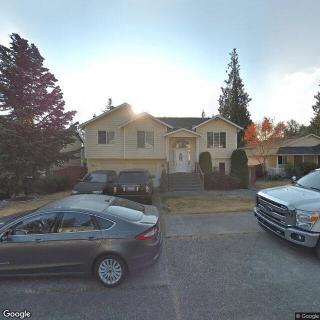
21703 103rd Ave Ct E, Graham, WA 98338
To contact a resident: (253) 271-7725
For more information about senior living options: (866) 208-4318
Overall Review of Trinity Care Partners, LLC
Pros
 Trinity Care Partners took really good care of her.
- The caregivers were very helpful and provided amazing care.
- Trinity Care Partners' scheduling was fantastic, with caregivers always on time.
- Carolyn, the owner, was readily accessible, friendly, and listened to needs.
- Trinity Care Partners has been a saving grace with compassionate, experienced, and reliable caregivers.
- The caregivers are on time, friendly, caring, and consistently go above and beyond.
- Trinity Care Partners can accommodate changing needs and adjust schedules easily.
- Families would recommend Trinity Care Partners to others seeking home care.
Cons
 The agency was not flexible enough for their needs, and there were concerns that the caregiver was taking advantage of mom.
- The loved one's stay lasted only three weeks; the attendants did their best but were not as good as two years ago.
- The administrative staff did not communicate well, and billing was frequently confusing.
- The management team was friendly, but communication was not very good; there were occasions when the caregivers hadn't shown up and the parents were not given a call or notice.
- The agency did not have enough staff to cover when someone could not come.
- There were three caregivers the family was not thrilled with.
Review
Trinity Care Partners is best suited for families seeking intimate, in-home care where a highly personalized, relationship-focused approach matters. This agency shines when the plan is to keep a loved one at home with flexible scheduling, caregiver continuity, and hands-on involvement from an owner-led team. It is especially meaningful for seniors facing progressive conditions such as Parkinson’s or macular degeneration, and for households that value spiritual compatibility and routines, such as Bible readings, as part of daily care. When care is framed as a long-term partnership, Trinity’s strength emerges strong: responsive scheduling, compassionate caregivers, and a willingness to adjust the plan as needs evolve.
Those who should consider alternatives include families that require rigid, highly predictable operations with guaranteed, clockwork staffing and crystal-clear, university-grade billing processes. If a large, more standardized agency or a licensed facility with on-site clinical oversight is essential, other options may deliver more consistent back-up coverage and a more formalized administrative trail. Similarly, households that insist on a fixed 24/7 on-site presence with documented, turnkey communication protocols may prefer a facility-based or larger corporate provider that emphasizes standardized systems. In short, for families prioritizing process rigidity and scale, alternatives can offer greater certainty.
The strongest advantages here center on caregiving quality and adaptability. When staff are aligned with the family’s routines, caregivers have been described as punctual, caring, and genuinely engaged in the loved one’s well-being. The ability to scale services, from a few hours daily to 24/7 coverage, without forcing a move is a decisive plus for progressive conditions and caregiver burnout. The owner’s accessibility and the agency’s willingness to tailor schedules and services to shifting needs create a resilience that is rare in smaller home-care outfits. For families seeking spiritual resonance, the option to incorporate reading or prayer into daily care adds a meaningful layer that many competing agencies do not offer.
Yet the experience is not uniformly seamless. A recurring thread across reviews is inconsistent communication and billing misunderstandings. Families report instances where administrative messages fail to land or details become tangled when multiple staff or offices are involved. There are also episodes of no-shows or staffing gaps, particularly during periods when caregiver availability is limited or when the group was still stabilizing. While many families praise the owner and the caregiving team, these friction points can destabilize routines and erode confidence if not quickly mitigated.
Despite the friction points, the pros can decisively offset the main concerns when the relationship with Trinity remains strong and proactive. The most compelling offset lies in the owner-driven commitment: easy access, rapid problem-solving, and a demonstrated willingness to adjust as needs change. Caregivers who show up on time, demonstrate compassion, and go “above and beyond” create meaningful steadiness for families navigating complex conditions. The agency’s capacity to secure regular caregivers, align caregiving with family values, and provide insurance navigation support has repeatedly proven valuable for families wrestling with funding and coverage decisions. In practice, these strengths translate into smoother days, less caregiver turnover for critical periods, and a clearer path through evolving care needs.
The practical takeaway is clear. Trinity Care Partners is a strong fit for households that value a soft, person-centered approach to home care, with the flexibility to scale and adapt as conditions change, and with a willingness to navigate insurance and scheduling through a compassionate, owner-led lens. It is less well-suited for families that demand near-perfect, low-friction administrative systems, or for those who need unwavering, published guarantees around staffing and billing. For alternatives, consider larger, process-driven agencies or facility-based options that emphasize standardized workflows and guaranteed back-up coverage. For the right family, Trinity offers trusted, capable hands, deep personal involvement, and a care partnership that can ease the journey through complex aging needs.
 Seattle-Tacoma International (21 miles away)
 Anytime dining






 6 Crucial Ways an Elder Law Attorney Assists Families
 Navigating the Tax Landscape of Caregiving: Credits, Deductions, and Beyond
 Highly Beneficial Low-Impact Exercises for Senior Living Residents