
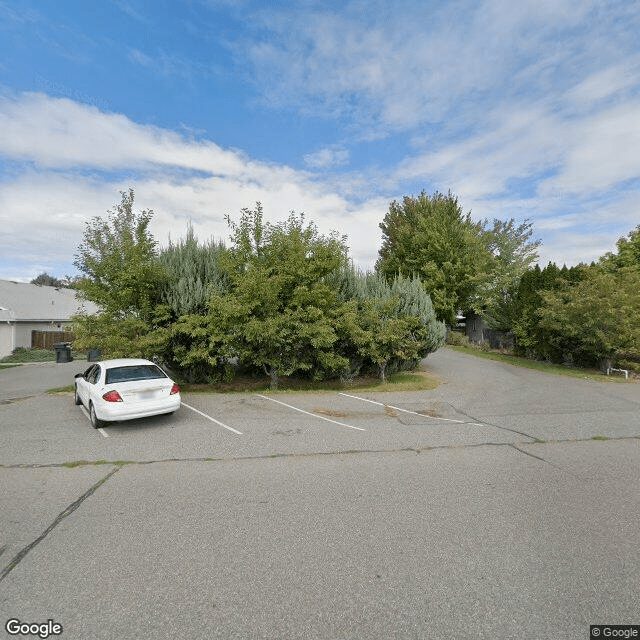
3907 West Henry Street, Pasco, WA 99301
To contact a resident: (509) 545-5956
For more information about senior living options: (866) 208-4318
Agape Care Inc Costs & Pricing
Agape Care Inc offers private room accommodations at a monthly cost of $3,500, which positions it competitively within the local market. When compared to Franklin County, where the average cost for similar accommodations is notably lower at $3,225, Agape Care Inc's pricing reflects its commitment to providing enhanced services and amenities that may not be available elsewhere. In contrast, the state average in Washington soars to $4,772, indicating that Agape Care Inc remains an appealing option for those seeking quality care while avoiding the higher price points prevalent across the state. This strategic pricing underscores Agape Care Inc's mission to offer both value and exceptional care in a nurturing environment.
| Floor plans | Agape Care Inc | Franklin County | Washington |
|---|---|---|---|
| Private | $3,500 | $3,225 | $4,774 |
Memory care communities with a similar price nearby
-
from -$500 / mo
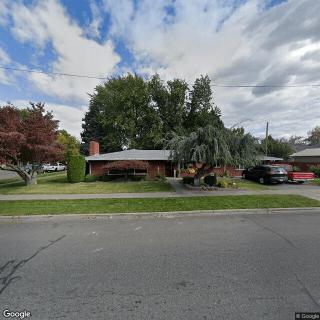
Abundance of Life AFH
$3,000 / month1.9 miles away -
About the same
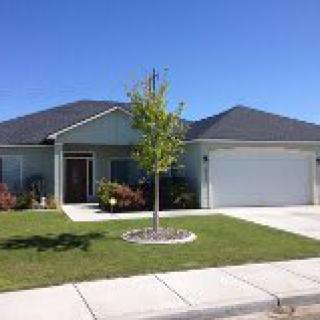
Careing Hands Adult Family Home
$3,500 to $5,000 / month4.9 miles away -
About the same
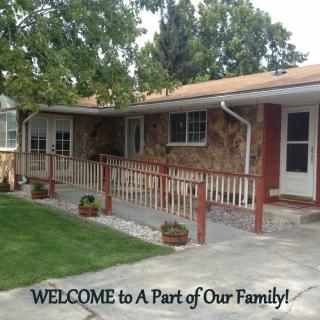
A Part of Our Family
$3,500 / month2.8 miles away -
from -$425 / mo

Guardian Angel Homes
$3,075 to $3,675 / month7.5 miles away -
About the same

Tri-Cities Retirement Inn
$3,600 to $4,900 / month1.2 miles away
Overall Review of Agape Care Inc
Pros
 Agape provided incredible care for a father on short notice during the holiday season after a recent stroke.
- The staff were flexible, caring, and communicative throughout the process.
- In addition to quality care, the father enjoyed the company and appreciated the support.
- Agape delivered excellent all-around service; the staff were attentive and responsive, and the caregivers were well vetted and caring.
- The care offered by Agape is exceptional and stands out from other agencies.
- The professionals were friendly and consistently went above and beyond to ensure clients' happiness.
- For advanced-dementia care, the facility was bright and safe, with a circular-pathway layout and very nice caregivers.
Cons
 The facility seemed geared toward advanced dementia, so the mother did not belong there.
- The atmosphere wasn't the mother's style, so she wouldn't be happy there.
Review
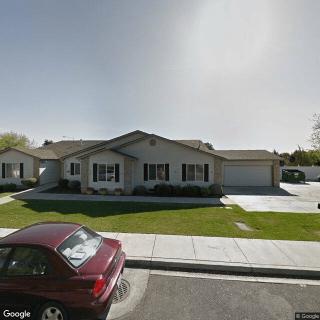
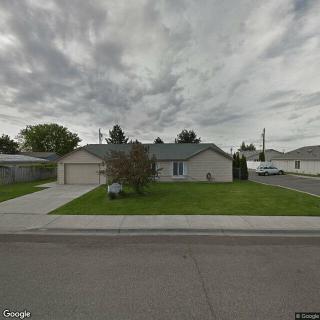
Agape Care Inc in Pasco, Washington, is best suited for families seeking a home-like, highly responsive care environment for seniors with post-acute needs and ongoing daily support. The single-family home setting, with a circular safety pathway, appeals to those who want a warm, non-institutional atmosphere over a traditional campus. Reviews consistently highlight rapid turnaround and flexible admission timing, especially after hospitalization or a stroke, where timely, compassionate care matters most. The staff earns praise for attentiveness and clear communication, with caregivers described as well vetted and genuinely invested in residents’ welfare. Residents often enjoy companionship and meaningful interaction alongside professional care, a combination families note as crucial for sustainable aging-in-place. In short, Agape is strongest for those who prize personal attention, dependable responsiveness, and a caregiver team willing to go the extra mile to support recovery and daily comfort.
However, not every family will find Agape ideal. Those seeking a more traditional, larger assisted-living campus with formal dementia-specific programming may want to explore alternatives. One reviewer observed that the setting is geared toward advanced dementia, which can be an asset in some cases but not a fit for everyone; others may prefer an environment that feels less like a single-family home and more like a standard memory-care unit. For residents whose primary needs include highly structured schedules, a more expansive activity calendar, or broader social programming across a bigger community, the current model may feel limited. Families evaluating long-term placement should compare Agape’s intimate scale and home-like ambiance against facilities that emphasize standardized routines, robust memory-care tracks, and broader resource pools.
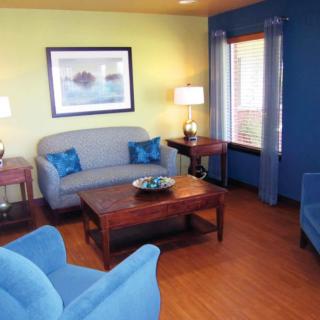
On the upside, the strongest advantages are clear: exceptionally attentive and responsive staff, well-vetted caregivers, and a willingness to tailor care to shifting needs. Caregivers frequently go above and beyond to ensure residents feel safe, valued, and included, a factor that reduces stress during recoveries or transitions. The ability to accommodate short-notice moves, especially after a stroke, translates into faster rehabilitation and less family turmoil. The atmosphere, bright, intimate, and home-like, supports emotional well-being and easier family involvement, while safety features such as the circular pathway give peace of mind for wanderers or those needing steady pacing. The downside appears as a mismatch for residents who want a more formal, campus-like setting or a dedicated dementia program with fixed routines; in those cases, the pros cannot fully offset the desire for a different care model.
Families should enter with clear expectations about daily life and continuity of care. The reviews indicate consistent, personal contact with caregivers and managers, suggesting stable staff and strong relationship-building. This translates into reliable communication about medical status, daily activities, and any changes in condition. The home-like environment supports individualized care plans but may mean fewer structured group activities than larger communities. Prospective residents should ask about staff-to-resident ratios, caregiver assignments, and the process for ramping up services during acute phases. In addition, inquire about how memory-support strategies are integrated within a family-style setting and whether specialized cues and routines are used for residents with cognitive impairment. These factors determine whether the benefits are compelling enough to outweigh environment-related preferences.
To decide, families should visit with a checklist focused on fit, not just care quality. Observe interactions between staff and residents; ask for a sample day’s schedule to gauge activity breadth versus personal time; confirm admission timelines, ongoing care planning, and how families are kept in the loop during changes in health status. Compare Agape’s intimate model against facilities with dementia-specific wings or broader memory-care programs to ensure alignment with the resident’s temperament and stage. Financial considerations matter as well; while cost details are not disclosed here, costs, payer sources, and potential private-pay flexibility should be part of the interview process. The goal is a decision in which staffing devotion, safety, and personalization convincingly trump preferences for campus scale.
Bottom line: Agape Care Inc is a strong option for families prioritizing humane, flexible, and highly responsive care in a warm, home-style setting. It excels in post-stroke recovery, caregiver reliability, and ongoing family communication, often delivering that extra mile that makes daily living feel dignified and supported. Those whose loved ones require a formal dementia program, a larger campus, or a different atmosphere may want to explore alternatives that emphasize structured routines or specialized memory-care tracks. The combination of compassionate staff, quick responsiveness, and a comforting home environment generally offsets drawbacks for residents who thrive on individualized attention and a tight-knit care team. With solid ratings from a focused group of reviewers, Agape offers confidence for families willing to prioritize personal connection and hands-on care over campus size.
 Board and Care Home
 Memory Care
 Cats allowed
 Dogs allowed
 Activities off-site
 Bath tubs
 Beautician on-site
 Devotional services on-site
 Indoor common areas
 Outdoor common areas
 Private
 Respite or short term stays offered
 Wheelchair accessible showers
 Tri-Cities (2 miles away)
 Diabetic care
 High acuity care
 Incontinence care
 Medication management
 Meals provided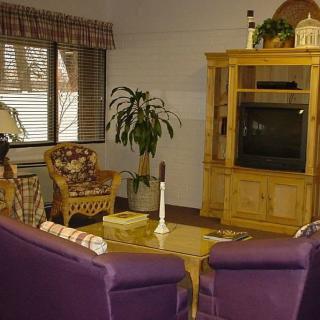


 Medications Associated with Dementia Risk: A Comprehensive Overview
 Guiding Your Journey: Understanding Power of Attorney for Elderly Parents
 22 Remarkable Caregiver Support Groups Available Online and In-Person