Tri-Cities Retirement Inn offers competitive pricing for its various room types when compared to the broader market in Franklin County and Washington state. The monthly cost for a semi-private room at the Inn is $3,600, which is slightly higher than the county average of $3,300 but notably more affordable than the state average of $4,267. For those seeking a studio, Tri-Cities' rate of $4,250 is also on par with local trends; it exceeds the county's average of $3,692 while remaining lower than the state's average of $4,126. Lastly, the one-bedroom option at Tri-Cities is priced at $4,900 - again higher than Franklin County's average of $3,967 but more economical compared to Washington's average of $4,632. Overall, Tri-Cities Retirement Inn positions itself attractively within the regional landscape by offering quality accommodations that are mindful of both local and statewide pricing dynamics.
Floor plans
Tri-Cities Retirement Inn
Franklin County
Washington
Semi-Private
$3,600
$3,300
$4,272
Studio
$4,250
$3,692
$4,128
1 Bedroom
$4,900
$3,967
$4,634
Memory care communities with a similar price nearby
Residents and families repeatedly describe the staff as kind, helpful, and attentive.
Many reviews focus on how residents are treated day to day, with recurring mentions of staff kindness and helpfulness. Several families also say they can call for updates and that caregivers communicate what is going on. A few negative reviews describe breakdowns in follow-through, including issues with following care plans and medication administration, which is the main counterpoint to the otherwise positive staff experiences.
common8 reviews mention this
Clean, well-kept spaces matter
Residents often comment on the facility feeling clean and well maintained.
Multiple reviews mention a clean environment, including comments about cleanliness in hallways and the overall upkeep of the building. Others note that housekeeping does a good job and that the lobby smells good, reinforcing the “kept” feel. There are also a couple of dissenting comments that describe the building as dirty or disorganized, which contrasts with the cleanliness praise.
common15 reviews mention this
Meals get strong, specific praise
Dining is a frequent highlight, with residents saying the food is good.
Food and meal service show up often, with residents describing meals as good and kitchen staff as responsive to preferences. Several reviews also mention caregivers or staff working to make sure residents can eat what they like, including memory care situations. The community also offers restaurant-style dining and a range of diet options like gluten-free, low or no sodium, no sugar, vegetarian, and guest meals.
differentiator6 reviews mention this
Memory care support feels prepared
Memory care residents and families describe support that focuses on daily needs.
Reviews mentioning dementia or the memory-care setting describe staff attention to comfort and routines, including helping residents with basic self-care and supervision to reduce wandering. Families also mention medication support, such as med-aides helping on time and caregivers encouraging engagement through daily activities. On the other hand, a couple of negative reviews claim medication and care-plan follow-through was not consistent, so experiences vary for specific care needs.
caveat2 reviews mention this
Costs raise concerns for some families
Pricing is a concern in a few reviews, especially in memory care.
At least some family members question value for what they pay, including complaints about room setup in relation to cost and the expectation of care. One review also calls out the expense of memory care while expressing dissatisfaction with aspects of daily support. The pricing range listed for units varies by layout, with unit pricing shown relative to county and state benchmarks.
How we summarize
Counts show how many written reviews mention each theme; a review can touch several themes, and only frequently mentioned themes are displayed.
Features
Housing
1-bedroom apartments
Studio apartments
Types of Care
Assisted Living
Memory Care
Pets
Cats allowed
Dogs allowed
Amenities
Activities off-site
Activities on-site
Air-conditioning
Bath tubs
Beautician on-site
Devotional services off-site
Devotional services on-site
Ground floor units
Handicap accessible
Indoor common areas
Kitchenette
Outdoor common areas
Respite or short term stays offered
Wheelchair accessible showers
Transportation
Tri-Cities (1 miles away)
Care Services
Diabetic care
High acuity care
Incontinence care
Medication management
Dining
Gluten-free
Guest meals
International cuisine
Low / no sodium
Meals provided
No Sugar
Professional chef
Restaurant style dining
Room service
Special dining programs
Vegetarian
Activities
Art classes
Catholic services
Devotional activities offsite
Devotional activities on-site
Educational speakers / life long learning
Karaoke
Live well programs
Mormon/LDS services
Other religious services
Protestant services
Visiting chaplain or priest
Nearby Places of Interest
This part of Pasco, Washington offers a convenient and accessible location for senior living, with a variety of amenities nearby. There are several pharmacies such as Walgreens and Rite Aid within close proximity for easy access to medication and healthcare needs. Additionally, there are plenty of dining options ranging from fast food chains like Burger King and KFC to local favorites like Trejo's Mexican Cuisine and Cedars Restaurant & Lounge. For leisurely activities, residents can enjoy coffee at Roasters Coffee or explore the parks in the area such as Columbia Park and Playground of Dreams. There are also reputable healthcare facilities like Lourdes Health System and Trios Health available for medical care. Places of worship like Kennewick First United Methodist Church provide spiritual support for those seeking a community connection. Overall, this part of Pasco offers a well-rounded environment for seniors looking to settle in a convenient location with necessary amenities nearby.
Pharmacies
Walgreens (0.3 miles)
Rite Aid (0.5 miles)
Sadowski, Thomas J (1.7 miles)
Rite Aid (1.7 miles)
Walgreens (3 miles)
Rite Aid (3.1 miles)
Safeway Pharmacy (3.2 miles)
Restaurants
Burger King (0.3 miles)
KFC (0.3 miles)
Trejo's Mexican Cuisine (0.4 miles)
Cedars Restaurant & Lounge (2 miles)
Ice Harbor Brewing Co. (2 miles)
Burger Ranch (2.1 miles)
El Chapala (2.4 miles)
Cafes
Roasters Coffee (0.4 miles)
Sun Willows Golf Club House Willows Cafe (0.5 miles)
Dutch Bros Coffee (2.4 miles)
Dutch Bros Coffee (3.2 miles)
Roasters Coffee (3.5 miles)
Mocha Express (3.7 miles)
Barracuda Coffee Company (4.5 miles)
Physicians
Lourdes Ear Nose & Throat Associates (0.8 miles)
Community Health Center La Clinica Nueva Esperanaza Counseling Center (1.1 miles)
Miramar Clinic (1.4 miles)
Mid-Columbia Eyecare Center (1.4 miles)
Lourdes Pulmonary Services (1.4 miles)
Benton-Franklin Health District (2.5 miles)
Blue Heron Naturopathic Care (2.7 miles)
Transportation
Tri-Cities Airport Baggage Claim (1 miles)
Tri-Cities Airport (PSC) (1 miles)
Hospitals
Lourdes Health System (1.5 miles)
Kennewick Public Hospital District (2.5 miles)
Trios Health (2.6 miles)
Trios Health (3.2 miles)
Family Birthing Center (3.2 miles)
Kennewick General Hospital (3.3 miles)
Parks
Desert Dunes Park (1.7 miles)
Columbia Park (2.1 miles)
Playground of Dreams (2.1 miles)
Eastgate Park (3.5 miles)
Lawrence Scott Park (4.1 miles)
Chiawana Park (4.6 miles)
Places of Worship
Kennewick First United Methodist Church (2.6 miles)
Tri-Cities Retirement Inn offers competitive pricing for its various room types when compared to the broader market in Franklin County and Washington state. The monthly cost for a semi-private room at the Inn is $3,600, which is slightly higher than the county average of $3,300 but notably more affordable than the state average of $4,267. For those seeking a studio, Tri-Cities' rate of $4,250 is also on par with local trends; it exceeds the county's average of $3,692 while remaining lower than the state's average of $4,126. Lastly, the one-bedroom option at Tri-Cities is priced at $4,900 - again higher than Franklin County's average of $3,967 but more economical compared to Washington's average of $4,632. Overall, Tri-Cities Retirement Inn positions itself attractively within the regional landscape by offering quality accommodations that are mindful of both local and statewide pricing dynamics.
Medication management at Tri-Cities Retirement Inn ensures that residents receive the correct dosages at the appropriate times, which is crucial for maintaining their overall health and well-being, especially when dealing with dementia or Alzheimer's disease. This systematic approach reduces the risk of medication errors and alleviates worry for both residents and their families. Incontinence care is also an essential feature, as it provides dignity and comfort to individuals experiencing such challenges, allowing them to maintain a sense of normalcy in their daily lives. With compassionate support tailored to individual needs, these services create an environment conducive to enhancing quality of life while addressing the specific challenges faced by those living with memory-related conditions.
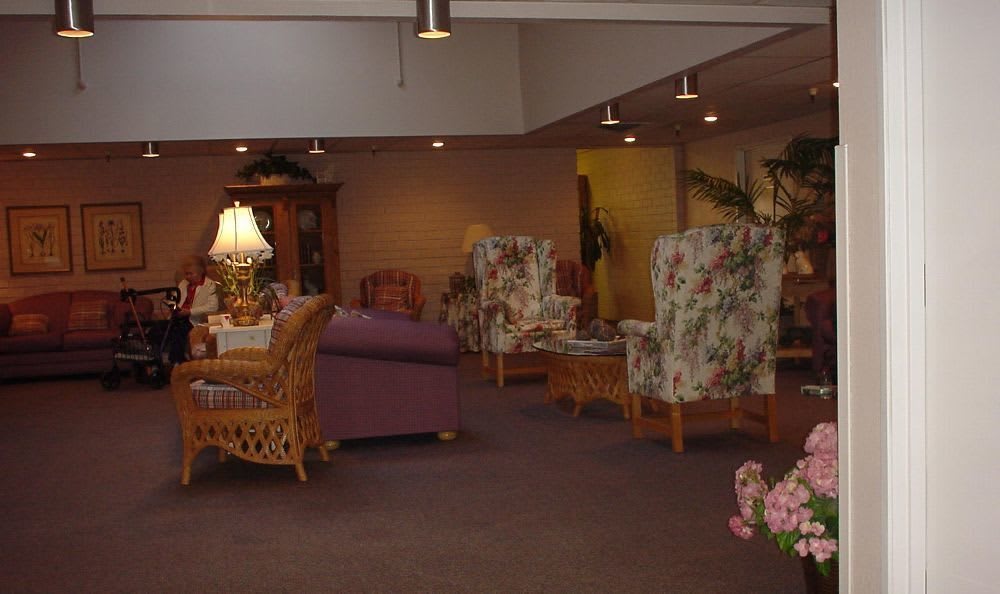
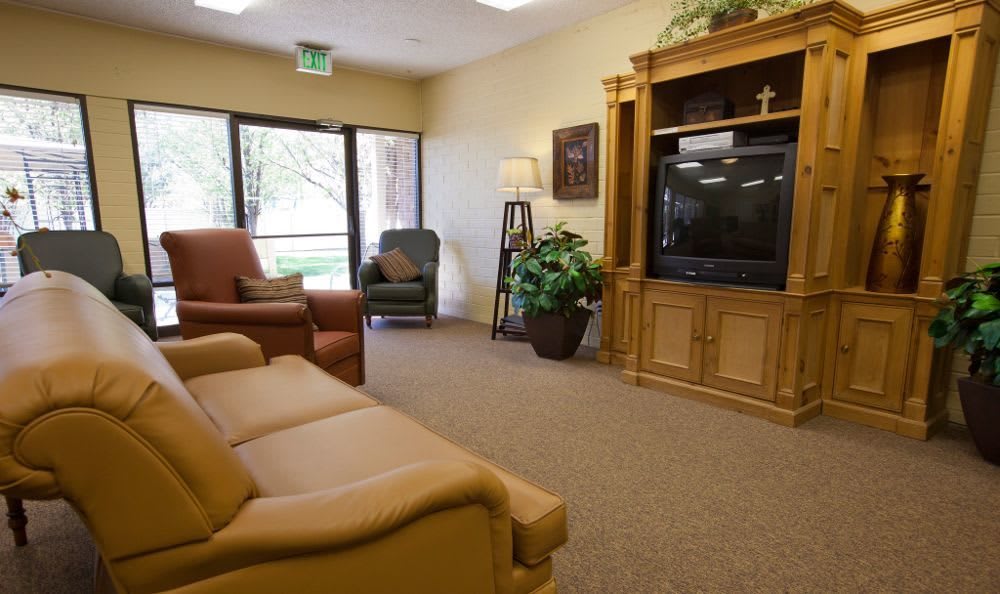
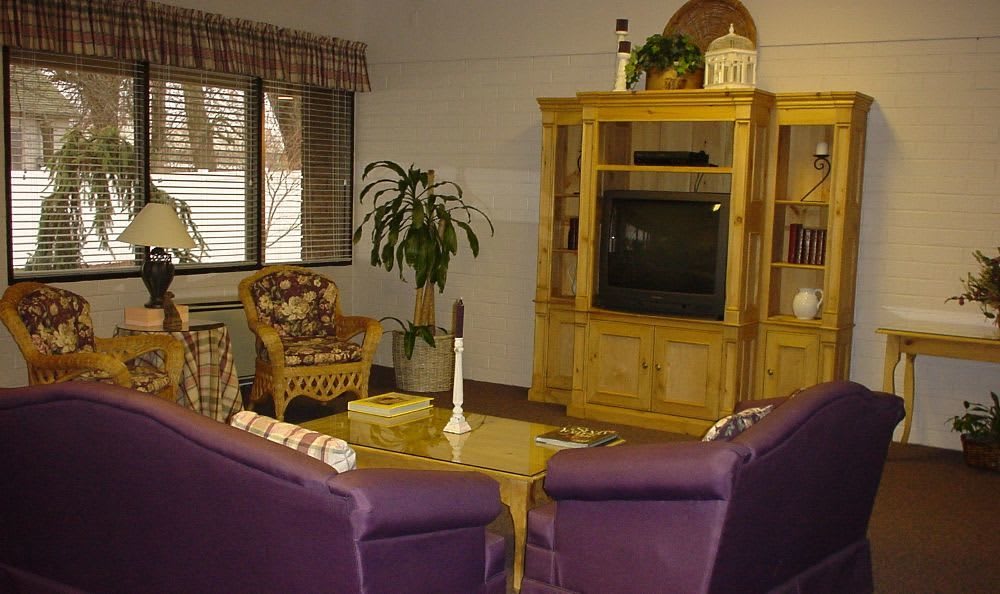
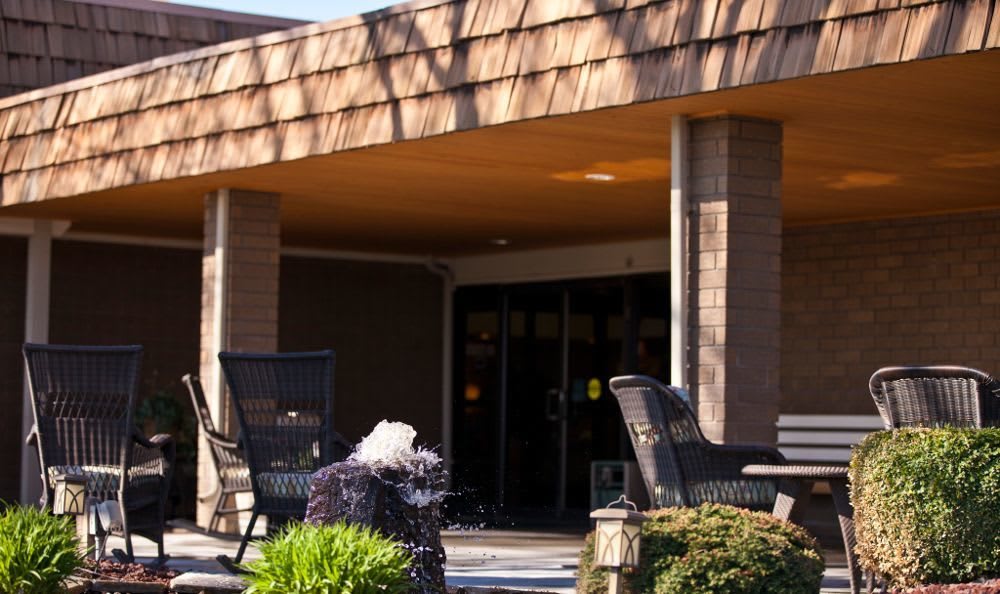
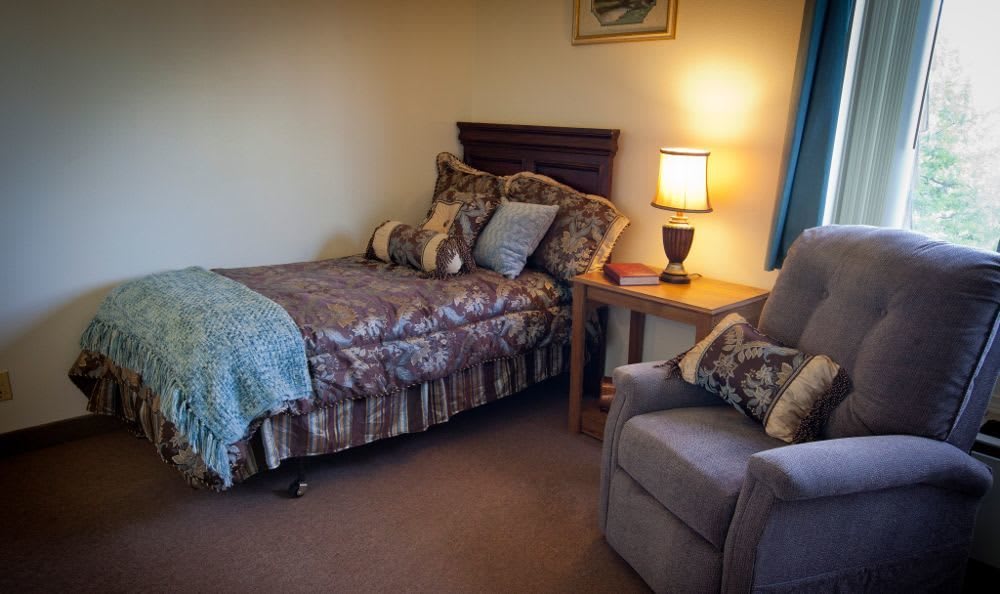
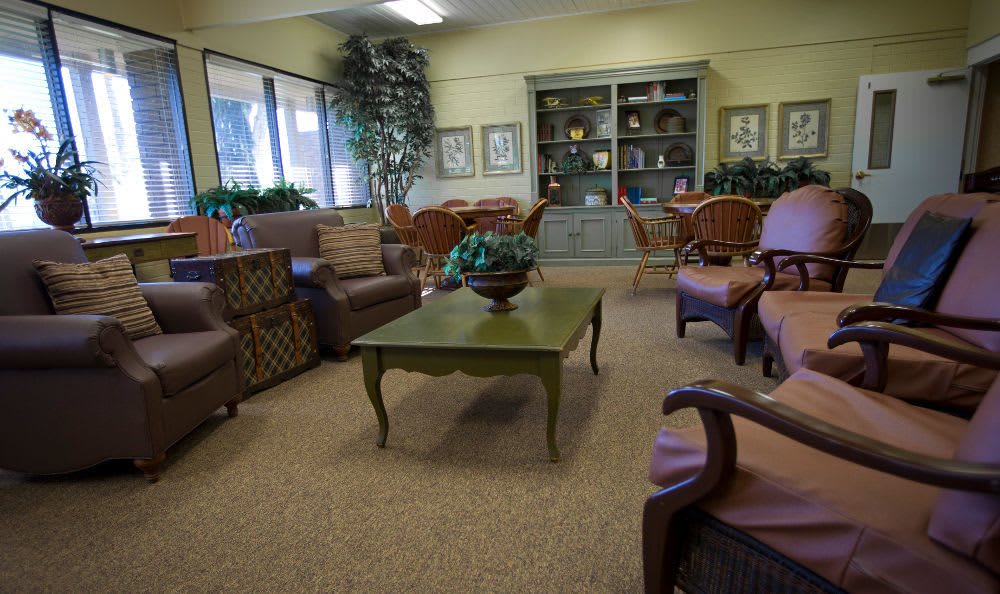
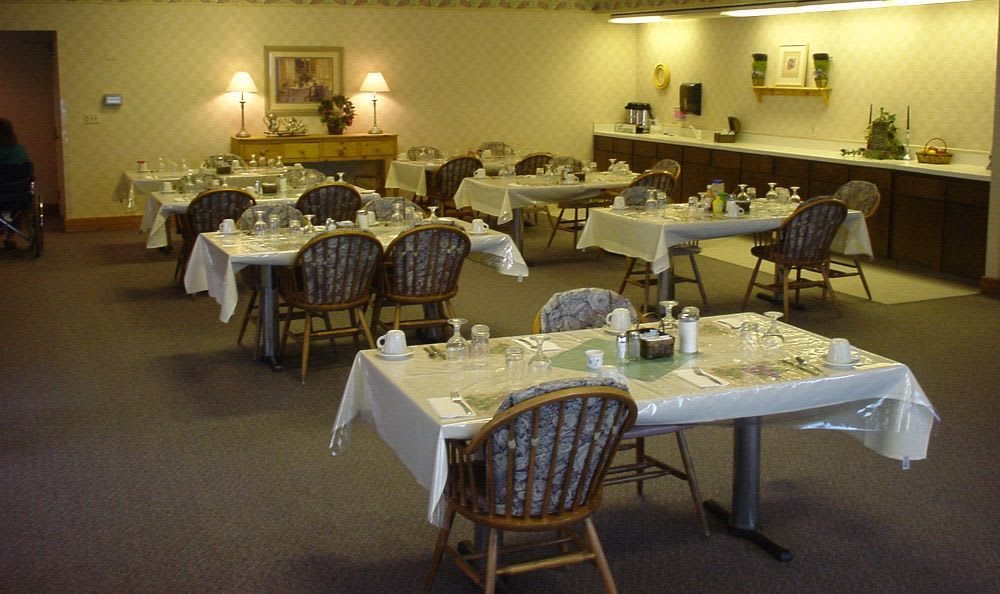
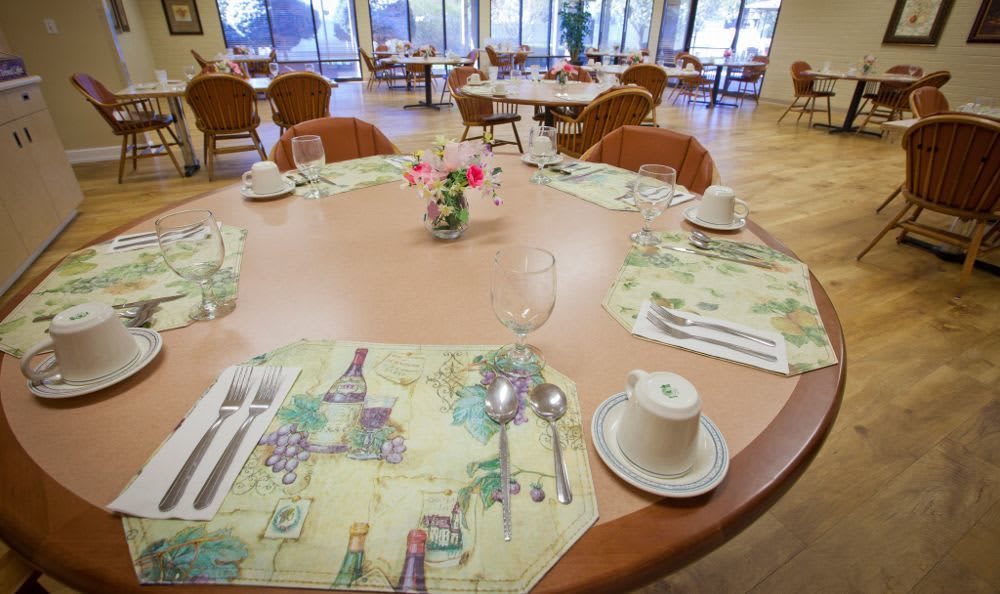
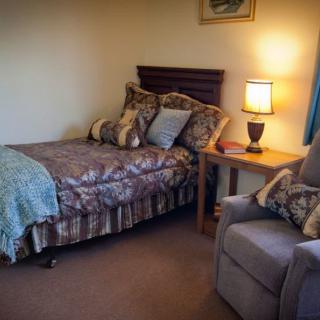
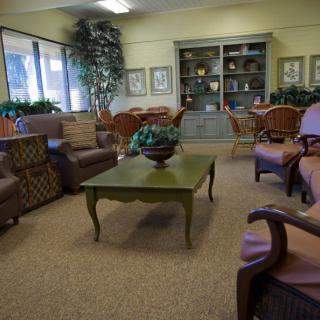
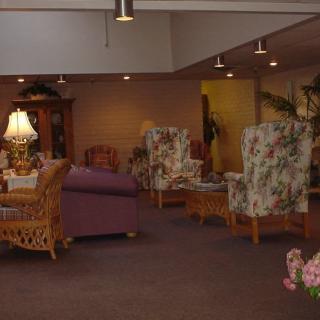
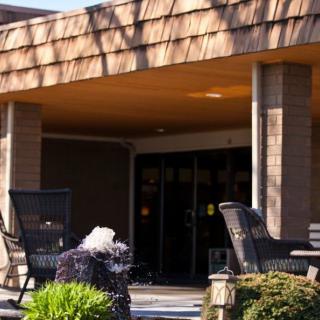
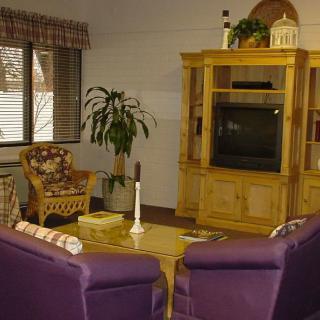
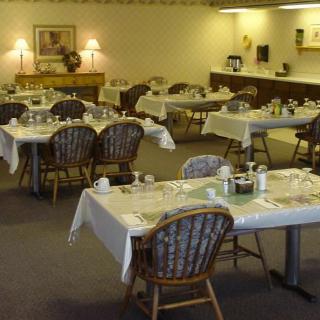
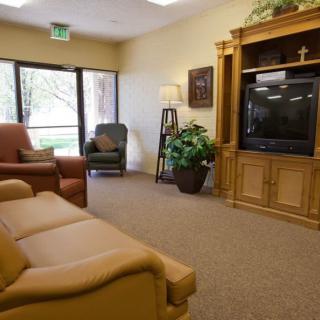
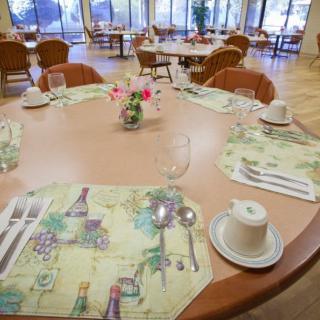
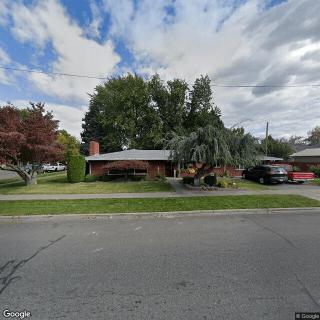
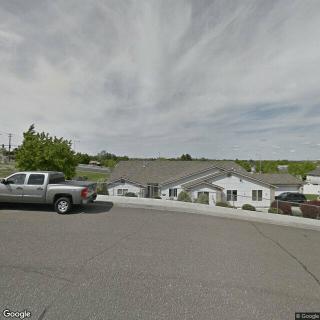
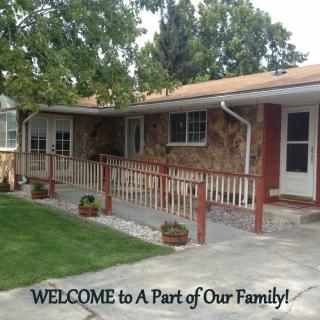
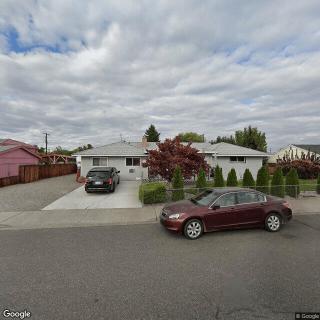
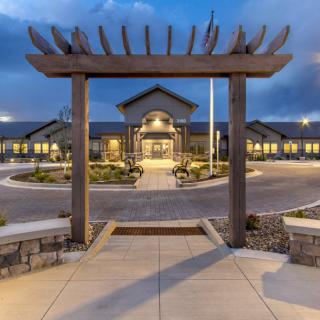
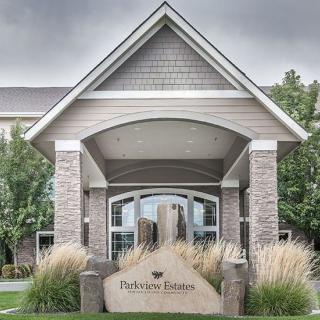
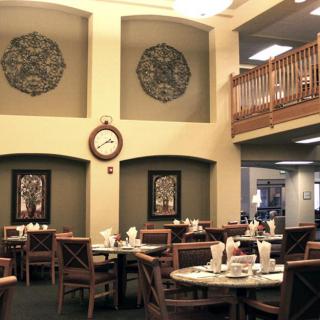
Tri-Cities Retirement Inn on seniors.fyi includes 9 photos including images showing interior, living room, decor, dining, bedroom, television, plant, architecture, and more.
Nearby Communities
Tri Cities Retirement Inn
Pasco, WA
3.9 from 35 reviews
Strong memory care focus with 24/7 supervision and a wide range of on-site amenities.
Avalon Health & Rehabilitation Center Pasco
Pasco, WA
3.5 from 53 reviews
Extensive amenities and around-the-clock nursing care
Brenda's Elder Care
Pasco, WA
$2,625 / month
Affordable pricing compared to local and state averages.
Abundance of Life AFH
Pasco, WA
5 from 22 reviews
$3,000 / month
Competitive price for memory care with private rooms and high-acuity support, plus on-site activities and convenient services.
Agape Care Inc
Pasco, WA
4.8 from 6 reviews
$3,500 / month
Specialized dementia/memory care in a bright, safe environment with compassionate staff.
From The Heart 1
Pasco, WA
$3,500 / month
Memory Care-focused with personalized attention, private rooms, and on-site activities.
Windsong at Southridge
Kennewick, WA
3.1 from 41 reviews
$7,000 / month
Personalized care with engaging, Montessori-inspired activities
Parkview Estates
Kennewick, WA
4.4 from 71 reviews
$3,000 to $4,500 / month
Caring staff with personalized attention in a welcoming, active community.
Bonaventure of Tri-Cities
Richland, WA
4.2 from 56 reviews
Friendly, attentive staff with clean, well-decorated spaces and engaging activities.
Dementia causes cognitive decline and challenging behaviors that caregivers must manage, necessitating an understanding of the neurological basis of these issues. Effective strategies and self-care for caregivers can enhance support for those with dementia and improve their daily lives.
The content outlines five key early indicators of dementia, including significant memory loss and confusion about time and place, while emphasizing the need for professional evaluation and emotional support for both individuals showing symptoms and their caregivers. It encourages family members to monitor these signs closely and use online quizzes for initial awareness.
The article highlights eight indicators that a loved one with dementia may require specialized memory care, emphasizing the emotional and logistical challenges families encounter in this decision. It discusses signs such as difficulties with daily tasks, safety concerns, and caregiver burnout, suggesting that memory care facilities can provide the necessary support and structured environments for those experiencing cognitive decline.
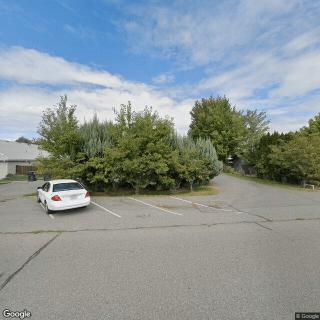
Building, Architecture, Entrance, Patio, and Outdoor Seating
Television and Plant
Bookshelves
Place Settings
Table Settings
Get PricingAsk A QuestionSchedule A TourContact Senior Advisor
By clicking submit, you agree to our Partner's Terms of Use. You
also consent to receive calls and texts, which may be autodialed, from our Partner. Your consent is not a condition to
using our Partner's service. Please visit our Partner's Privacy Policy for information about their privacy practices.




 1-bedroom apartments
 Assisted Living
 Memory Care
 Cats allowed
 Dogs allowed
 Activities off-site
 Air-conditioning
 Bath tubs
 Beautician on-site
 Devotional services off-site
 Ground floor units
 Handicap accessible
 Indoor common areas
 Kitchenette
 Outdoor common areas
 Respite or short term stays offered
 Wheelchair accessible showers
 Tri-Cities (1 miles away)
 Diabetic care
 High acuity care
 Incontinence care
 Medication management
 Gluten-free
 Art classes
 Catholic services
 Educational speakers / life long learning
 Karaoke
 Live well programs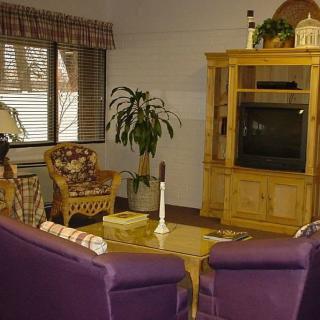
 Strong memory care focus with 24/7 supervision and a wide range of on-site amenities.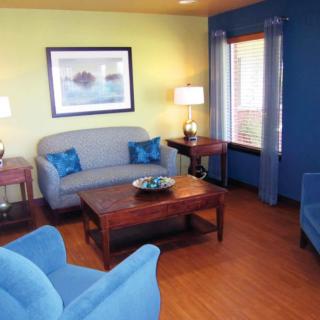
 Dementia Behaviors: In-Depth Understanding and Effective Coping Strategies
 5 Early Indicators of Dementia and What You Can Do
 8 Important Indicators That Memory Care May Be Necessary