For more information about senior living options: (866) 208-4318
5 from 22 reviews
5 stars
22
4 stars
0
3 stars
0
2 stars
0
1 stars
0
Abundance of Life AFH Costs & Pricing
Abundance of Life AFH offers competitive pricing for its room options, making it an attractive choice within Franklin County and the broader Washington state. With a monthly cost of $3,000 for both private and semi-private rooms, Abundance of Life stands out as a more affordable alternative compared to the county average - $3,225 for private and $3,300 for semi-private accommodations. Furthermore, it presents significant savings when aligned with the state averages of $4,772 and $4,267 respectively. This positioning not only emphasizes Abundance of Life AFH's commitment to providing quality care at reasonable prices but also underscores its value as a viable option for those seeking assisted living solutions in a budget-conscious manner.
Floor plans
Abundance of Life AFH
Franklin County
Washington
Private
$3,000
$3,225
$4,774
Semi-Private
$3,000
$3,300
$4,272
Memory care communities with a similar price nearby
Residents and families describe caregivers who treat them like family.
Across the reviews, residents and families consistently frame care as personal, warm, and respectful. Multiple reviewers mention Yuli by name and describe caregivers who go beyond the basics to help residents feel safe, comfortable, and cared for. Even when writing from a short-term perspective, reviewers describe the environment and staff as kind and attentive.
common15 reviews mention this
A home feeling backed by upkeep
The home-like setting and welcoming atmosphere stand out in reviews.
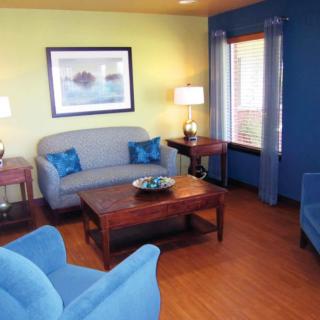
Several reviewers say the community feels like home rather than an institution. Families describe a cozy, inviting environment and a small-household feel with one-on-one interaction. Others specifically call out upkeep and freshness alongside that welcoming tone, including references to cleanliness and a tidy, well-cared-for space.
common3 reviews mention this
Communication helps families feel at ease
Reviews highlight responsive communication during care and transitions.
A few reviewers mention communication as a key part of their experience, including feeling informed during the move and afterward. One reviewer also notes quick communication, while another emphasizes a good communicator approach alongside compassion and patience. Together, the reviews suggest families value being kept in the loop.
differentiator7 reviews mention this
Care includes hands-on nursing support
Residents describe care that addresses day-to-day needs with nursing support.
Reviewers describe care as meeting personal needs and providing comfort and safety. One reviewer explicitly references nursing care, and others describe that their loved one was well cared for in the day-to-day. This aligns with the community offering care services such as medication management and incontinence support, which are part of its documented care offerings.
How we summarize
Counts show how many written reviews mention each theme; a review can touch several themes, and only frequently mentioned themes are displayed.
Features
Types of Care
Board and Care Home
Memory Care
Amenities
Activities off-site
Activities on-site
Beautician on-site
Devotional services off-site
Devotional services on-site
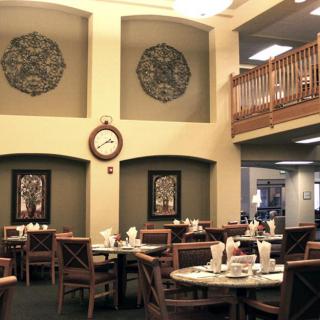
Indoor common areas
Outdoor common areas
Private
Private bathrooms
Respite or short term stays offered
Wheelchair accessible showers
Transportation
Tri-Cities (2 miles away)
Care Services
Diabetic care
High acuity care
Incontinence care
Medication management
Dining
Meals provided
Vegetarian
Activities
Activities off-site
Activities on-site
Devotional activities offsite
Devotional activities on-site
Nearby Places of Interest
This part of Pasco, Washington, offers a variety of healthcare services, including physicians specializing in ear, nose, and throat care as well as pulmonary services. Nearby hospitals such as Lourdes Health System and Trios Health provide accessible medical care. There are also several pharmacies in the area for convenient medication needs. In terms of dining options, residents can enjoy a range of restaurants offering Mexican cuisine, fast food, and local favorites. For coffee lovers, there are cafes like Roasters Coffee and Dutch Bros Coffee within proximity. Additionally, there are parks like Playground of Dreams and Columbia Park for leisurely walks or outdoor activities. For entertainment, Southgate 10 theater is just a short drive away. Overall, this area provides convenient access to essential services and amenities for seniors considering senior living in Pasco.
Physicians
Lourdes Ear Nose & Throat Associates (0.3 miles)
Community Health Center La Clinica Nueva Esperanaza Counseling Center (0.3 miles)
Lourdes Pulmonary Services (0.3 miles)
Benton-Franklin Health District (2.2 miles)
Mid-Columbia Eyecare Center (2.3 miles)
Blue Heron Naturopathic Care (2.3 miles)
Miramar Clinic (2.3 miles)
Hospitals
Lourdes Health System (0.4 miles)
Kennewick Public Hospital District (2.1 miles)
Trios Health (2.1 miles)
Trios Health (2.7 miles)
Family Birthing Center (2.8 miles)
Kennewick General Hospital (2.9 miles)
Pharmacies
Sadowski, Thomas J (0.6 miles)
Rite Aid (0.6 miles)
Rite Aid (0.8 miles)
Walgreens (0.8 miles)
Walgreens (3.2 miles)
Rite Aid (3.4 miles)
Safeway Pharmacy (3.4 miles)
Restaurants
Trejo's Mexican Cuisine (0.7 miles)
KFC (0.9 miles)
Burger King (1.1 miles)
Burger Ranch (1.1 miles)
Cedars Restaurant & Lounge (1.4 miles)
Ice Harbor Brewing Co. (1.5 miles)
El Chapala (1.8 miles)
Cafes
Roasters Coffee (1.1 miles)
Sun Willows Golf Club House Willows Cafe (1.1 miles)
Dutch Bros Coffee (1.9 miles)
Dutch Bros Coffee (4.3 miles)
Mocha Express (4.3 miles)
Roasters Coffee (4.5 miles)
Barracuda Coffee Company (5 miles)
Transportation
Tri-Cities Airport Baggage Claim (1.6 miles)
Tri-Cities Airport (PSC) (1.7 miles)
Places of Worship
Kennewick First United Methodist Church (2.2 miles)
Abundance of Life AFH offers competitive pricing for its room options, making it an attractive choice within Franklin County and the broader Washington state. With a monthly cost of $3,000 for both private and semi-private rooms, Abundance of Life stands out as a more affordable alternative compared to the county average - $3,225 for private and $3,300 for semi-private accommodations. Furthermore, it presents significant savings when aligned with the state averages of $4,772 and $4,267 respectively. This positioning not only emphasizes Abundance of Life AFH's commitment to providing quality care at reasonable prices but also underscores its value as a viable option for those seeking assisted living solutions in a budget-conscious manner.
Abundance of Life AFH's medication management ensures that residents receive their prescribed medications accurately and on schedule, which is crucial in managing the symptoms of dementia and Alzheimer's disease. This structured approach not only alleviates the burden on families who may struggle to keep track of complex medication regimens but also promotes overall health and stability for residents, minimizing complications associated with missed or incorrect dosages. Additionally, incontinence care is provided with dignity and respect, tailored to each resident's specific needs. By addressing this sensitive issue promptly, residents experience enhanced comfort and confidence, allowing them to engage more fully in their daily activities without the stress or embarrassment that may accompany incontinence issues. Together, these features create a supportive environment that fosters well-being and maintains quality of life for individuals facing cognitive challenges.
Nearby Communities
Brenda's Elder Care
Pasco, WA
$2,625 / month
Affordable pricing compared to local and state averages.
Tri Cities Retirement Inn
Pasco, WA
3.9 from 35 reviews
Strong memory care focus with 24/7 supervision and a wide range of on-site amenities.
Tri-Cities Retirement Inn
Pasco, WA
4.1 from 59 reviews
$3,600 to $4,900 / month
Caring, attentive staff in a warm, homelike environment with engaging daily activities.
Avalon Health & Rehabilitation Center Pasco
Pasco, WA
3.5 from 53 reviews
Extensive amenities and around-the-clock nursing care
Agape Care Inc
Pasco, WA
4.8 from 6 reviews
$3,500 / month
Specialized dementia/memory care in a bright, safe environment with compassionate staff.
Desert Wind Gardens AFH
Kennewick, WA
4.8 from 46 reviews
Peaceful Kennewick location with broad access to nearby amenities and healthcare.
Windsong at Southridge
Kennewick, WA
3.1 from 41 reviews
$7,000 / month
Personalized care with engaging, Montessori-inspired activities
Parkview Estates
Kennewick, WA
4.4 from 71 reviews
$3,000 to $4,500 / month
Caring staff with personalized attention in a welcoming, active community.
Bonaventure of Tri-Cities
Richland, WA
4.2 from 56 reviews
Friendly, attentive staff with clean, well-decorated spaces and engaging activities.
The transition from assisted living to skilled nursing care is often prompted by complex medical needs that assisted living cannot meet, with key indicators including frequent health declines, increased falls, severe memory issues, and caregiver burnout. Families should recognize these signs early to discuss options with healthcare providers and prepare for the emotional and logistical aspects of moving to a facility that offers comprehensive medical support.
Dementia is characterized by cognitive decline, with nutrition playing a vital role in brain health; while no specific diet can prevent or reverse it, a nutrient-dense diet rich in antioxidants and healthy fats may support cognitive function. The MIND diet, which emphasizes beneficial foods and limits processed items, along with proper hydration and individualized meal strategies, can enhance the well-being of dementia patients.
Dementia affects memory and cognitive function in older adults, presenting challenges for caregivers due to behavioral changes such as confusion and mood swings. Compassionate, person-centered care that considers individual history and preferences, along with effective communication and environmental modifications, is essential for supporting both patients and their caregivers.
Get PricingAsk A QuestionSchedule A TourContact Senior Advisor
By clicking submit, you agree to our Partner's Terms of Use. You
also consent to receive calls and texts, which may be autodialed, from our Partner. Your consent is not a condition to
using our Partner's service. Please visit our Partner's Privacy Policy for information about their privacy practices.


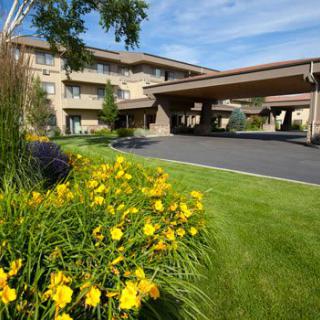
 Board and Care Home
 Memory Care
 Activities off-site
 Beautician on-site
 Devotional services off-site
 Indoor common areas
 Outdoor common areas
 Private
 Private bathrooms
 Respite or short term stays offered
 Wheelchair accessible showers
 Tri-Cities (2 miles away)
 Diabetic care
 High acuity care
 Incontinence care
 Medication management
 Meals provided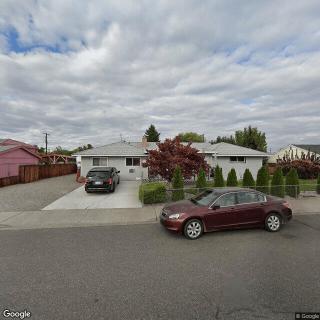
 Affordable pricing compared to local and state averages.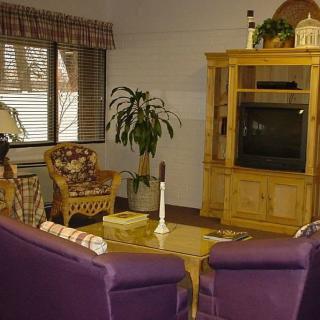
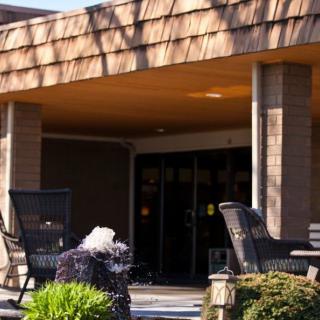
 8 Key Indicators That Suggest It May Be Time to Transition from Assisted Living to Skilled Nursing Care
 Nourishing the Mind: Essential Dietary Approaches for Dementia
 Understanding Dementia Behaviors: Practical Insights and Strategies for Caregivers