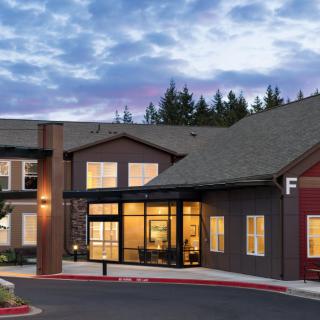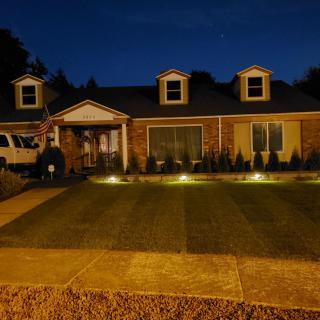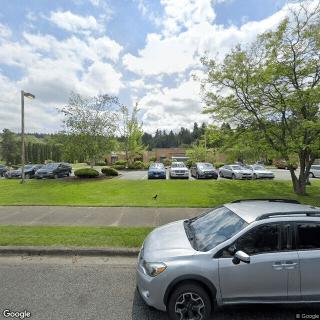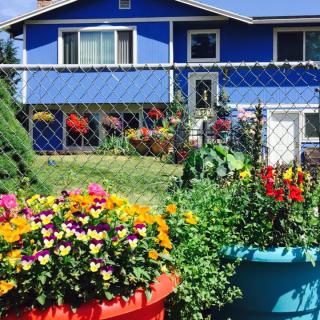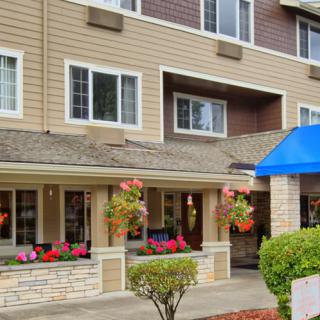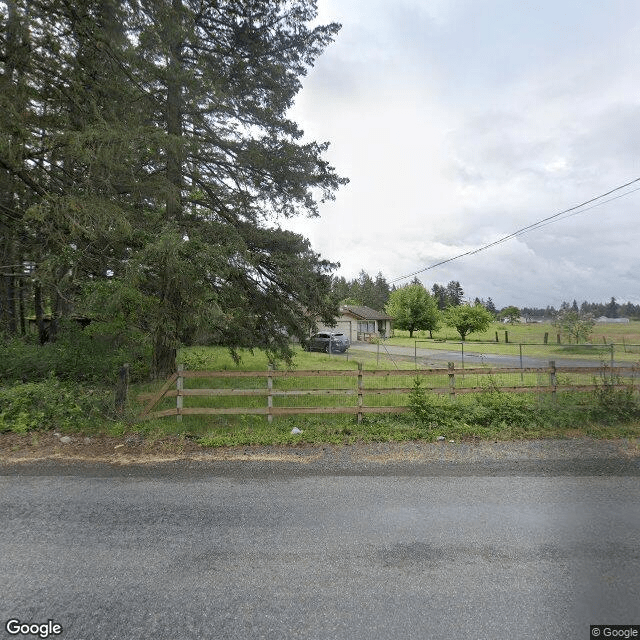
Ginger Creek in Graham, WA

Save
Ginger Creek

Ginger Creek in Graham, WA

5510 Mathias Road East, Graham, WA 98338

For more information about senior living options: (844) 490-3973

5 from 1 review
Board and Care Home Memory Care

Ginger Creek Costs & Pricing

Ginger Creek offers a range of room types with costs that reflect the premium amenities and services provided. For semi-private accommodations, residents can expect to pay between $5,000 and $5,750 per month, which is notably higher than the average costs in Pierce County ($4,264) and across Washington state ($4,267). Those opting for private rooms will find pricing set between $6,300 and $6,500, again above both county and state averages of approximately $4,623 and $4,772 respectively. The one-bedroom option at Ginger Creek is priced at a flat rate of $8,000 per month, significantly surpassing the local averages of $4,456 in Pierce County and $4,632 statewide. This pricing structure illustrates Ginger Creek's positioning as a more upscale choice in the region's care landscape.

Floor plansGinger CreekPierce CountyWashington
Semi-Private$5,000 to $5,750$4,264$4,272
Private$6,300 to $6,500$4,623$4,774
1 Bedroom$8,000$4,456$4,634

Overall Review of Ginger Creek

Pros

  • pro They would recommend Ginger Creek to other families based on their experience.
  • pro They feel Ginger Creek is taking good care of her.
  • pro They have not heard their mom complain about her care.
  • pro They gave Ginger Creek all 5s.

Review

Ginger Creek in Graham, Washington is best suited for families that want dependable, no-nonsense assisted living where a loved one receives steady daily support and the family gains reassurance from proven, positive feedback. The sole review available paints a clear picture: caregivers are attentive, and the resident's experience is described as well cared for, with no reported issues that would unsettle a family. In practical terms, this means a setting that prioritizes reliable routines, consistent staff interaction, and daily demonstrations that care is being delivered. For seniors who do not require high-intensity medical management but do need regular help with activities of daily living, Ginger Creek offers a comforting, predictable option where peace of mind matters as much as any upscale amenity.

However, certain families should consider alternatives. If memory care needs are at the center of the search, or if a higher level of on-site medical oversight is essential, this community may not be the best fit. Likewise, families seeking extensive social programming, diverse dining options, or a broader range of therapeutic services might find other locales more aligned with those preferences. With only one family's experience on the record, there is limited insight into staffing patterns, variability in care, or ongoing responsiveness under different scenarios. Potential residents with specific care plans or budget constraints should gather more data and compare multiple options to ensure the choice will scale with changing needs over time.

From the available feedback, the core advantages are clear: attentive caregiving that translates into observable, day-to-day reliability, and a family-level sense that the loved one is well looked after. The absence of complaints in the report acts as a powerful signal that basic expectations - assistance with daily tasks, regular monitoring, and respectful treatment - are being met. This level of consistency can be invaluable for families balancing work, travel schedules, and medical appointments, as it reduces the guesswork about daily caregiving. In a market where variation is the norm, Ginger Creek's demonstrated steadiness becomes the primary lever for comfort and confidence when choosing an assisted-living partner.

Yet the main caveat is the data point itself: a single review cannot capture breadth of experience across residents, shifts, or seasons. No information is provided about costs, exact service levels, or how care is tailored to individual needs, which leaves important questions unanswered. The favorable tone may reflect one family's particularly compatible situation, not universal experience. Potential residents should probe for specifics on care plans, staff-to-resident ratios, nurse availability, and how emergencies are handled. Without more voices or independent assessments, the risk is overconfidence in a positive anecdote that may not generalize.

Nevertheless, the evident strength - reliable, positive caregiving - offsets the concern about limited data to a meaningful degree for families prioritizing stability. For those who value a calm routine and trust in the day-to-day caregiving, Ginger Creek delivers a compelling baseline of quality. The lack of negative reports in this sample should not be mistaken for a broad guarantee, but it does provide a strong nudge toward additional, direct visits and conversations with current residents and staff. A tour with questions about daily schedules, care planning, and family communication will help determine whether the observed reliability extends to the resident's unique needs and personality.

In conclusion, Ginger Creek presents as a practical, solid choice for seniors who need straightforward assistance and whose families want documented, steady care rather than flashy amenities. It is particularly well suited for those who prioritize reliability over breadth of programming or specialized medical complexity. Prospective residents should, however, pursue multiple viewpoints: arrange on-site tours, request references, compare multiple communities, and verify costs and exact services. If memory care, intensive clinical oversight, or extensive social activity are essential, alternatives should be explored in parallel. When a strong, consistent caregiving footprint is the priority, Ginger Creek earns serious consideration as a thoughtfully chosen housing option for aging in place.

Features

Types of Care

  • Board and Care Home Board and Care HomeBoard and care homes provide a smaller, more intimate setting for seniors who require assistance with daily tasks but do not need the level of care offered by a nursing home. They offer personalized care, meals, and social activities in a homelike environment, ensuring that seniors receive individualized attention and support in their golden years.
  • Memory Care Memory CareMemory care is crucial for seniors as it provides specialized support and services for individuals with dementia or Alzheimer's disease. These programs offer a safe and secure environment where residents receive personalized care, cognitive stimulation, and help with daily activities. Memory care helps seniors maintain their independence, quality of life, and dignity while also providing peace of mind for their families.

Amenities

  • Activities off-site Activities off-siteEngaging in off-site activities is crucial for seniors to maintain social connections, stay active, and stimulate their minds. It promotes overall well-being and helps combat feelings of isolation and loneliness.
  • Activities on-site Activities on-siteActivities on-site are important for seniors because they provide opportunities for socialization, mental stimulation, physical activity, and overall well-being. Engaging in activities can help seniors stay active, maintain their independence, and improve their quality of life.
  • Bath tubs Bath tubsBath tubs are important for seniors because they provide a safe and relaxing way to bathe, helping to prevent slips and falls while promoting independence and overall well-being.
  • Indoor common areas Indoor common areasIndoor common areas are crucial for seniors as they provide a space for socialization, recreation, and community engagement, promoting overall well-being and reducing feelings of isolation and loneliness.
  • Outdoor common areas Outdoor common areasOutdoor common areas are important for seniors as they provide a space for socialization, physical activity, and relaxation. Being outside in nature can improve mood and overall well-being, while also encouraging movement and engagement with others. These spaces can help combat feelings of isolation and promote a sense of community among residents.
  • Private PrivatePrivacy is important for seniors as it allows them to maintain their independence, dignity, and sense of control over their own lives. It also gives them the space and freedom to relax, reflect, and engage in activities that bring them joy and fulfillment. Creating private spaces within senior living facilities is crucial for promoting overall well-being and quality of life.
  • Private bathrooms Private bathroomsPrivate bathrooms are important for seniors in senior living communities because they provide independence, dignity, and comfort. Having a private bathroom allows seniors to maintain their personal hygiene routines without the need for assistance, promoting a sense of autonomy and privacy. Additionally, private bathrooms help prevent the spread of infections and provide a safe and clean environment for seniors to navigate safely.
  • Respite or short term stays offered Respite or short term stays offeredRespite or short term stays provide seniors with a temporary solution when their regular caregiver is unavailable, offering them the opportunity to receive additional care and support during times of need, while also giving caregivers a chance to rest and recharge.
  • Wheelchair accessible showers Wheelchair accessible showersWheelchair accessible showers are crucial for seniors as they provide a safe and independent bathing option for those with mobility challenges. These showers help prevent falls and allow seniors to maintain their dignity and autonomy while ensuring they can bathe comfortably.

Care Services

  • Diabetic care Diabetic careDiabetic care is crucial for seniors as they are more susceptible to developing diabetes due to aging and other health conditions. Proper management of diabetes can help prevent complications such as heart disease, vision loss, and nerve damage, improving the overall quality of life for seniors in senior living communities.
  • High acuity care High acuity careHigh acuity care is important for seniors because it provides specialized medical attention and support for individuals with complex medical needs. This level of care ensures that seniors receive the appropriate treatment and assistance to maintain their health and quality of life as they age.
  • Incontinence care Incontinence careIncontinence care is essential for seniors to maintain their dignity, hygiene, and overall quality of life. By addressing incontinence issues promptly and effectively, seniors can enjoy a sense of independence and comfort in their daily activities.
  • Medication management Medication managementMedication management is crucial for seniors to ensure they are taking the right medications at the correct dosages and times. This helps prevent adverse drug interactions, reduces the risk of medication errors, and promotes overall health and well-being. Proactive management also allows for adjustments as needed based on changing health conditions or new prescriptions.

Dining

  • Kosher KosherKosher options are important for seniors because they adhere to dietary laws that are significant to many Jewish individuals, providing them with peace of mind and an opportunity to maintain their cultural traditions and beliefs while living in a senior living community.
  • Meals provided Meals provided"Meals provided" are crucial for seniors in assisted living communities as it ensures they have access to nutritious, balanced meals without the stress of meal planning and preparation. This can help promote overall health and well-being for seniors who may have limited mobility or cognitive abilities.
  • Vegetarian VegetarianA vegetarian diet is important for seniors because it can help lower the risk of chronic diseases, maintain a healthy weight, and provide essential nutrients needed for aging bodies. Additionally, plant-based diets are often easier on digestive systems and can contribute to overall well-being in older adults.

Activities

  • Activities off-site Activities off-siteEngaging in off-site activities is crucial for seniors to maintain social connections, stay active, and stimulate their minds. It promotes overall well-being and helps combat feelings of isolation and loneliness.
  • Activities on-site Activities on-siteActivities on-site are important for seniors because they provide opportunities for socialization, mental stimulation, physical activity, and overall well-being. Engaging in activities can help seniors stay active, maintain their independence, and improve their quality of life.

Description

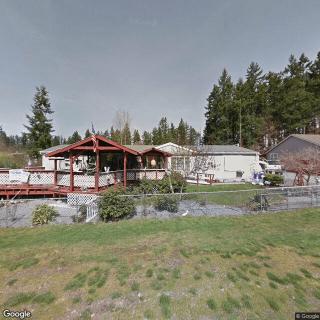
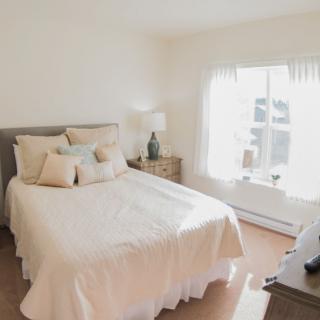
Ginger Creek in Graham, WA is an assisted living community that specializes in Memory Care services. Our dedicated staff provides high acuity care and assists residents with medication management and incontinence care. We offer a range of amenities to enhance the comfort and convenience of our residents, including activities on-site, indoor and outdoor common areas, private rooms with private bathrooms, wheelchair accessible showers, and bath tubs.

At Ginger Creek, we understand the importance of social engagement and provide a variety of activities for our residents to enjoy on-site. Our dining services include nutritious meals provided daily, with options available for vegetarians.

Located in Graham, WA, our community offers convenient access to nearby amenities. Residents can visit cafes, parks, pharmacies, restaurants, places of worship, and hospitals located within close proximity.

Overall, Ginger Creek provides a caring and supportive environment for individuals requiring Memory Care services. Our goal is to ensure the well-being and comfort of each resident while promoting an active and fulfilling lifestyle.

Nearby Places of Interest

Located in Graham, Washington, this area offers a variety of amenities that may be appealing to seniors. With multiple hospitals and healthcare facilities within a short distance, residents have access to quality medical care. Additionally, there are several places of worship nearby for spiritual support. The abundance of pharmacies and physicians in the area ensures easy access to medications and healthcare services. For recreation, there are several parks and cafes where seniors can relax and socialize. Public transportation is also available for those who may not drive or prefer not to. Overall, this part of Graham provides a convenient and well-rounded environment for senior living.

Hospitals

  • Attaway (2.9 miles)
  • Multicare Medical Center (9.8 miles)
  • Madigan Army Medical Center (10.4 miles)
  • Multicare Health System (10.5 miles)

Places of Worship

  • Evergreen Presbyterian Church (2.9 miles)
  • Abundant Life Foursquare Church (7.5 miles)
  • St Mary's Catholic Church (7.6 miles)
  • Iglesia Ni Cristo (9.8 miles)

Pharmacies

  • Safeway Pharmacy (3 miles)
  • Rite Aid (3.1 miles)
  • Walmart Pharmacy (3.8 miles)
  • Safeway Pharmacy (3.8 miles)
  • Rite Aid (4.6 miles)
  • Walgreens (5 miles)
  • Rite Aid (6.2 miles)

Restaurants

  • Limeberry (3.1 miles)
  • McDonald's (3.7 miles)
  • Taco Bell (3.9 miles)
  • McDonald's (4 miles)
  • Pour Me Bar and Bistro (4.3 miles)
  • Wendy's (5 miles)
  • McDonald's (5.1 miles)

Parks

  • Frontier Park (3.2 miles)
  • Sunrise Park (6.7 miles)
  • Williams park (8 miles)
  • Bradley Lake Park (9.1 miles)
  • Tehaleh Playground (10.7 miles)

Cafes

  • Starbucks (3.9 miles)
  • Starbucks (5.9 miles)
  • Starbucks (6.2 miles)
  • Dutch Bros Coffee (8.5 miles)
  • Panera Bread (8.6 miles)
  • Starbucks (10.9 miles)

Physicians

  • Woodcreek Healthcare (5.3 miles)
  • Sunrise Medical Campus (5.4 miles)
  • Washington Gastroenterology - Sunrise Clinic (5.4 miles)
  • Park in Kwon MD - In Kwon Park, MD (5.4 miles)
  • Daniel Enestroescu (5.4 miles)
  • Rainier Medical Group (5.5 miles)
  • Oral Surgical Associates (7.7 miles)

Transportation

  • Lakewood Station Sounder train (10.3 miles)

Frequently Asked Questions

How much does it cost to live at Ginger Creek in Graham, WA?
Where is Ginger Creek?
Does Ginger Creek provide care for residents with dementia or Alzheimer's disease?

Nearby Communities

  • Emerald Care Center

    Emerald Care Center

    Spanaway, WA


    pro Affordable private room at $1,300/mo.

  • Emanuel Adult Family Homes,  LLC

    Emanuel Adult Family Homes, LLC

    Spanaway, WA

     
    $4,500 to $5,000 / month

    pro Specializes in high-acuity memory care with medication management and on-site spiritual services.

  • Mashburn AFH LLC

    Mashburn AFH LLC

    Graham, WA

    5 from 2 reviews
    $3,000 / month

    pro Warm, caring atmosphere with attentive staff and strong memory care in a clean, smaller setting; competitive pricing.

  • Country Living AFH

    Country Living AFH

    Spanaway, WA

    3 from 2 reviews
    $5,000 to $6,000 / month

    pro Clean facilities and reported one-on-one care.

  • Mcgee Guest Home

    Mcgee Guest Home

    Spanaway, WA

    1.3 from 4 reviews
     

    pro Broad care options with 24/7 support and on-site amenities, including respite care.

  • Fairway Living AFH

    Fairway Living AFH

    Spanaway, WA

    4.4 from 7 reviews
    $3,000 to $7,100 / month

    pro Clean, well-kept environment with transparent pricing.

  • Silver Creek by Bonaventure

    Silver Creek by Bonaventure

    Puyallup, WA

    4.1 from 121 reviews
    $3,700 to $4,405 / month

    pro Friendly, attentive staff with a well-maintained, sociable community.

  • Julian Estates Gracious Retirement Living

    Julian Estates Gracious Retirement Living

    Puyallup, WA

    4.6 from 135 reviews
     

    pro Beautiful, well-maintained private apartments with a caring staff and vibrant community.

  • Brookdale Courtyard Puyallup

    Brookdale Courtyard Puyallup

    Puyallup, WA

    3.7 from 82 reviews
    $3,785 to $6,890 / month

    pro Friendly staff during tours, engaging activities, and transportation support.

Related Resources

  • do dementia patients sleep a lotWhy Do Dementia Patients Sleep So Much? Understanding Oversleeping, Stages, and Care Approaches

    Dementia often results in disrupted sleep patterns, leading to excessive daytime sleeping due to factors like brain damage affecting circadian rhythms, medication side effects, and lack of structure in daily activities. Caregivers must monitor these changes closely, as oversleeping can increase risks such as malnutrition or dehydration, and provide necessary support and routines to enhance patient engagement and well-being.

  • when to move from assisted living to nursing home8 Key Indicators That Suggest It May Be Time to Transition from Assisted Living to Skilled Nursing Care

    The transition from assisted living to skilled nursing care is often prompted by complex medical needs that assisted living cannot meet, with key indicators including frequent health declines, increased falls, severe memory issues, and caregiver burnout. Families should recognize these signs early to discuss options with healthcare providers and prepare for the emotional and logistical aspects of moving to a facility that offers comprehensive medical support.

  • best foods for dementia patients to eatNourishing the Mind: Essential Dietary Approaches for Dementia

    Dementia is characterized by cognitive decline, with nutrition playing a vital role in brain health; while no specific diet can prevent or reverse it, a nutrient-dense diet rich in antioxidants and healthy fats may support cognitive function. The MIND diet, which emphasizes beneficial foods and limits processed items, along with proper hydration and individualized meal strategies, can enhance the well-being of dementia patients.